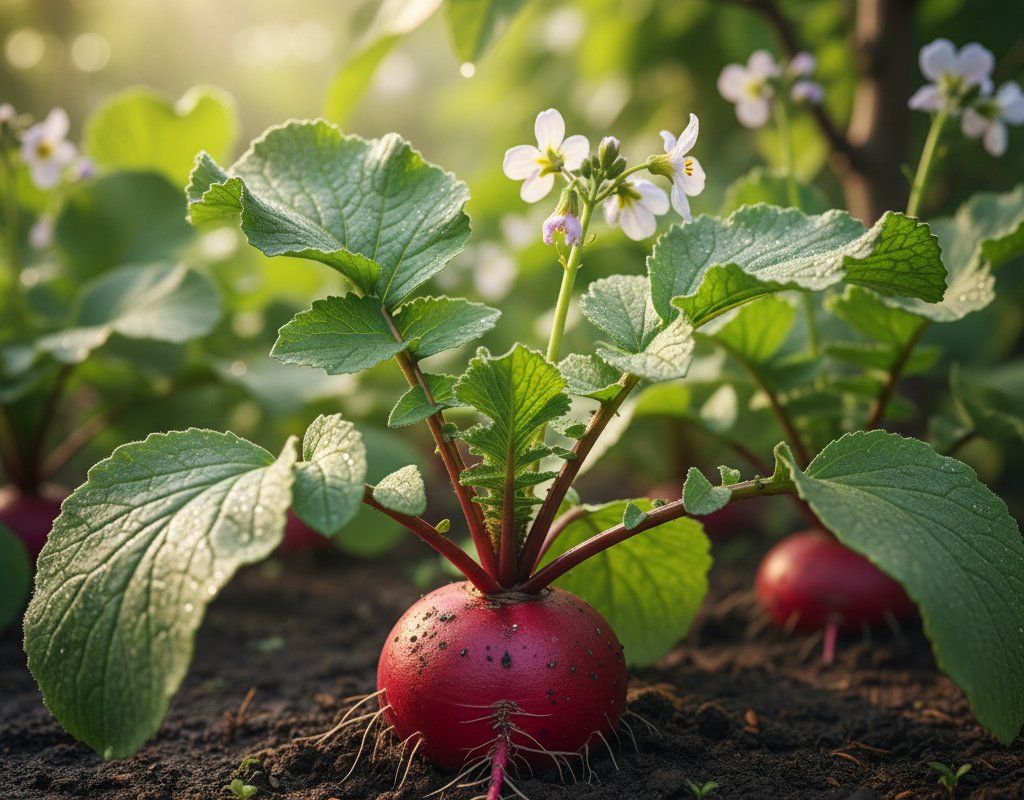
Radish in Zone 8B — Florida
Raphanus sativus · Your Complete 2026 Planting Guide
Harvest Time!
Your Radish should be producing now!
Harvest Tips
Check size by brushing soil away from crown. Pull when ready.
How to Plant Radish in Zone 8B — Florida
Here are all your options for getting radish in the ground, from the easiest method to more advanced approaches.
Direct Sow Seeds
RecommendedMid January through early November
around January 18
Consider succession planting every 2-3 weeks for continuous harvest.
Fast-growing and easy. No reason to start indoors.
Buy Starts
Works WellMid January through early March
around January 18
Plant purchased starts after last frost (February 15).
Start Seeds Indoors
ChallengingThis plant is typically not started indoors.
Transplant Outdoors
Timing InfoMid January through early March
around January 18
Can tolerate light frost, but wait for soil to be workable.
You have a nice window — no need to rush.
Fall Planting
Mid October through mid November
November 3 ideal · Direct sow for fall harvest
Plant a second crop in mid-summer for fall harvest. Radish actually prefers the cooling temperatures of fall.
Overview
Radishes are perfect for Florida gardeners who want quick satisfaction and fresh flavor year-round. In our 303-day growing season, you can enjoy crisp, peppery radishes from winter through spring, then again in fall when the heat finally breaks. These fast-growing roots add a satisfying crunch to winter salads when most other fresh vegetables cost a fortune at the store, and they're ready to harvest in just 25 days.
Our extreme humidity and intense summer heat make radish growing tricky during the hottest months, but the timing is actually quite forgiving. Plant them during our cooler seasons and you'll have success – the key is working with Florida's reversed growing calendar rather than fighting it.
Transplanting Outdoors
While you can transplant radish seedlings, it's rarely the best approach in Florida. The transplant window runs from mid-January through early March, when our nights are still cool enough to avoid shocking young plants. Start seeds indoors about 3 weeks before your planned transplant date.
If you do choose to transplant, harden off your seedlings gradually over a week by increasing their outdoor exposure daily. Our humidity can be tough on plants making the indoor-to-outdoor transition. Space transplants 2-4 inches apart, with the wider spacing helping air circulation in our muggy conditions.
Watch for late cold snaps during the transplant window – even though radishes are frost-hardy, newly transplanted seedlings are more vulnerable than direct-sown plants. A light row cover provides insurance during temperature swings.
Direct Sowing
Direct sowing is absolutely the way to go with radishes in Florida. You can sow from mid-January through early November, skipping only the brutal summer months when heat stress makes roots woody and bitter. The soil should be at least 45°F, which happens early in our zone.
Prepare your beds by working compost into our sandy soil to improve water retention. Radishes need loose, well-draining soil that won't compact around the developing roots. Sow seeds ¼ inch deep and space them 2-4 inches apart – the wider spacing helps with our humidity issues by improving air circulation.
The beauty of direct sowing is that radishes establish quickly without transplant shock. In fall, start your succession plantings in mid-October through mid-November for winter harvests. Our long growing season means you can have fresh radishes on the table when most of the country is dealing with snow.
Watering Radish in Zone 8B (Florida)
Radishes need consistent moisture to develop crisp, mild roots – let them dry out and you'll get pithy, fiery-hot disappointments. During our cooler growing seasons, aim for about 1 inch of water per week, including rainfall. The finger test works well: stick your finger 2 inches into the soil, and if it's dry, it's time to water.
Florida's wet summers mean you'll rarely need to water during July and August, but spring and fall plantings need attention. Our sandy soil drains quickly, so check moisture levels every few days. Water at soil level rather than overhead – our extreme humidity already creates perfect conditions for fungal diseases, so avoid adding moisture to the leaves.
During our dry spells, usually in late fall and winter, you may need to water twice weekly. Watch for signs of stress: wilted leaves during the day (normal) that don't perk up by evening means they need water. Overwatering shows up as yellowing leaves and sluggish growth.
A thin layer of organic mulch helps retain moisture in our sandy soil, but keep it light – heavy mulch can create problems in our humid climate. Pine needles or finely chopped leaves work well without trapping too much moisture around the plants.
🧪Fertilizing Radish
Feeding Schedule
Organic Fertilizer Options
Harvest Time
Your first radishes will be ready from mid-February through late December, depending on when you planted. With a 25-day maturity period, you can time your harvests perfectly for fresh meals. Look for the shoulders of spring radishes pushing above the soil surface – that's your signal they're sizing up.
Pull radishes when they reach about 1 inch in diameter for the best texture and flavor. Don't wait too long – Florida's warm weather can turn them woody quickly, especially as we move into spring heat. The leaves should still look fresh and green, not yellowing or wilted.
Harvest by grasping the leaves near the base and pulling straight up with a gentle twist. If you're growing in compacted soil, loosen around the root first with a small trowel. Fresh radishes will keep in the refrigerator for up to two weeks, though they're best eaten within a few days of harvest.
As your first frost approaches in mid-December, harvest any remaining radishes regardless of size. They won't survive a hard freeze, and even our light frosts can damage the quality. Any small ones still make good additions to stir-fries or can be pickled whole.
Common Problems in Zone 8B (Florida)
Flea Beetles Small, round holes that look like someone used a tiny shotgun on your radish leaves are the calling card of flea beetles. These tiny, dark beetles jump when disturbed and can devastate young seedlings in just a few days. The damage looks worse than it is on larger plants, but small seedlings may not recover.
Flea beetles thrive in our warm, humid conditions and are especially active during spring plantings. Row covers during the first 2-3 weeks protect vulnerable seedlings while they establish. You can also delay planting until plants can grow larger before beetle season peaks, or try interplanting with basil, which naturally repels them.
Root Maggots If your radish roots have tunnels or are riddled with small holes, root maggots are likely the culprit. These white, legless larvae of small flies attack the roots directly, making them inedible. You might also notice stunted growth or yellowing leaves as the root damage progresses.
Root maggots are attracted to freshly worked soil and can be worse in areas with heavy organic matter. In Florida's humid climate, the adult flies are active longer than in cooler regions. Prevention includes crop rotation away from other brassicas and using row covers during egg-laying periods in early spring.
Pithy Roots Radishes that look normal on the outside but are spongy, dry, or hollow inside have gone pithy. This happens when plants are stressed by inconsistent watering, too much heat, or being left in the ground too long. The texture becomes unappetizing and the flavor turns bitter or overly hot.
Our intense spring heat can push radishes into pithiness quickly, especially if they're stressed. Consistent watering and timely harvest are crucial. In Florida, it's better to harvest radishes slightly early than to risk them going woody in our temperature swings.
Florida Specific Challenges Our extreme humidity creates perfect conditions for fungal diseases that can affect radish leaves, while our intense heat can stress plants into poor root development. The combination of wet summers and sandy soil means timing is everything – work with our cooler seasons for the best results.
Best Companions for Radish
Plant these nearby for healthier Radish and better harvests.

Keep Away From
Companion Planting Details
Radishes make excellent companions for carrots in Florida gardens – their quick growth helps break up compacted soil for the slower-developing carrots, and they're ready to harvest just as carrots need more space. Lettuce and radishes work well together since both prefer our cooler seasons and have similar water needs. The lettuce provides some shade for radish roots during warm spells.
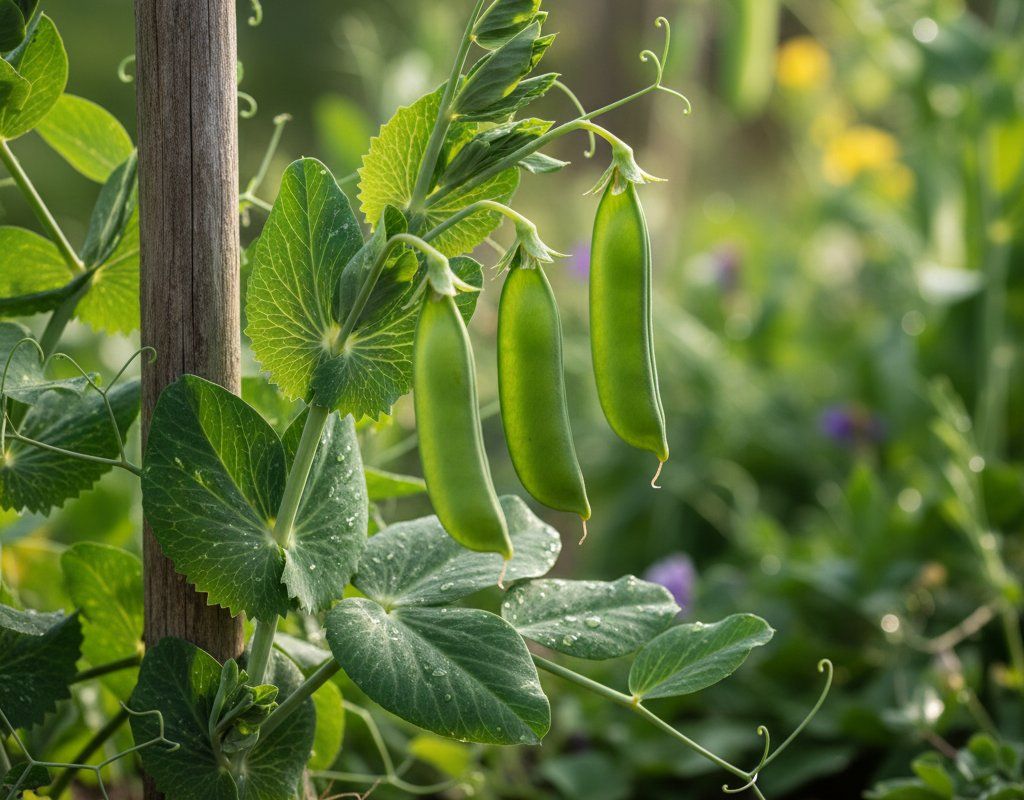
Plant radishes near peas and other legumes to take advantage of the nitrogen they fix in the soil. Cucumbers and radishes can work as companions since radishes mature and are harvested before cucumber vines spread out. Avoid planting near hyssop, which can inhibit radish growth and development.
🌸Best Flowers to Plant with Radish
These flowers protect your Radish from pests and attract pollinators for better harvests.



Get a Reminder When It's Time to Plant
We'll email you when key planting windows open for your zone.