
Carrot in Zone 8B — Texas
Daucus carota · Your Complete 2026 Planting Guide
Still Time to Sow!
The sowing window is still open for Carrot.
Sow Seeds Soon
Carrots have a taproot and don't transplant. Direct sow only.
How to Plant Carrot in Zone 8B — Texas
Here are all your options for getting carrot in the ground, from the easiest method to more advanced approaches.
Direct Sow Seeds
RecommendedMid February through early September
around February 11
Consider succession planting every 2-3 weeks for continuous harvest.
Carrots have a taproot and don't transplant. Direct sow only.
Buy Starts
Works WellMid February through mid March
around February 11
Plant purchased starts after last frost (February 25).
Start Seeds Indoors
ChallengingThis plant is typically not started indoors.
Transplant Outdoors
Timing InfoMid February through mid March
around February 11
Can tolerate light frost, but wait for soil to be workable.
You have a nice window — no need to rush.
Fall Planting
Early September through early October
September 23 ideal · Direct sow for fall harvest
Plant a second crop in mid-summer for fall harvest. Carrot actually prefers the cooling temperatures of fall.
Overview
Carrots bring incredible satisfaction to your Texas garden, offering sweet, crunchy roots that put store-bought varieties to shame. In our Zone 8B climate, you can grow carrots through most of our 273-day growing season, avoiding only the brutal peak of summer. The cool, crisp texture and concentrated flavor of homegrown carrots make them perfect for everything from fresh snacking to roasting alongside your winter vegetables.
While our unpredictable Texas weather can challenge root crops, carrots are surprisingly adaptable once you understand the timing. The key is working with our two distinct growing seasons - spring plantings that mature before the worst heat hits, and fall plantings that develop through our mild winters. With proper timing and consistent moisture, you'll harvest beautiful, straight roots that thrive in our long growing season.
Transplanting Outdoors
Carrots don't transplant well due to their sensitive taproot, but if you must move nursery starts, do it during the narrow window from mid-February through mid-March. The taproot is easily damaged, so handle transplants with extreme care and plant them immediately after hardening off for one week of gradual outdoor exposure.
Space transplants 2-3 inches apart in loose, well-draining soil. During this transplant period in Texas, watch for those unexpected late freezes that can catch you off guard - young carrot transplants can handle light frost but may struggle with sudden temperature swings that drop into the teens.
Honestly, direct sowing gives much better results with carrots since the taproot develops without disturbance. Save transplanting for emergencies and stick with direct seeding for your best carrot harvest.
Direct Sowing
Direct sowing is absolutely the way to go with carrots since their taproots hate disturbance. In Texas, you have a generous window from mid-February through early September, though you'll want to skip the peak summer months of July and August when germination becomes nearly impossible in our heat.
Plant seeds ¼ inch deep in loose, well-worked soil that's free of rocks and clods - carrots will fork and twist around any obstacles they encounter. Soil temperature should be at least 45°F, which happens reliably by mid-February in most of Zone 8B. Sow seeds thickly since carrot germination can be spotty, then thin to 2-3 inches apart once seedlings are about 2 inches tall.
For best results in our clay-heavy Texas soils, consider raised beds filled with loose potting mix or heavily amended garden soil. This gives carrots the deep, soft rooting medium they need to develop those perfect, straight roots we're all after.
Watering Carrot in Zone 8B (Texas)
Consistent moisture is absolutely critical for carrots, especially during the 2-3 week germination period when you need to keep the soil surface constantly damp. In our variable Texas humidity and unpredictable rainfall patterns, this means checking daily and watering lightly whenever the top inch feels dry. Once seeds sprout, back off to deeper, less frequent watering.
Use the finger test throughout the growing season - stick your finger 2 inches into the soil, and water when it feels dry at that depth. Carrots need about 1 inch of water per week, but our unpredictable rainfall means you'll be supplementing most weeks. Water at soil level rather than overhead to avoid promoting disease in our variable humidity conditions.
Inconsistent watering causes two major problems in our Texas heat: drought stress leads to woody, bitter roots, while alternating wet and dry periods causes the roots to crack and split. Even, steady moisture produces the sweetest, most tender carrots. A 2-3 inch layer of mulch helps tremendously in maintaining consistent soil moisture and keeping roots cool during our hot-to-extreme summer temperatures.
Signs of underwatering include stunted, slow growth and bitter flavor, while overwatering shows up as split roots and soggy, rotting crowns. In our clay soils, overwatering can be a real problem during flash flood periods, so ensure good drainage to prevent root rot.
🧪Fertilizing Carrot
Feeding Schedule
Organic Fertilizer Options
Harvest Time
Your first spring-planted carrots will be ready for harvest from late April through early summer, typically 70 days after sowing. Fall-planted carrots extend the harvest season beautifully, providing fresh roots through early December in most Texas winters. Look for carrot tops that are about ¾ inch in diameter poking up at the soil surface - this usually indicates full-sized roots below.
Harvest by gently pulling the carrot straight up, or better yet, loosen the soil around the root first with a fork to avoid snapping off the top. Morning is the best time since roots are crisp and full of moisture. Small carrots can be harvested earlier for tender, sweet baby carrots, while mature roots develop fuller flavor.
As our first frost approaches in late November, harvest any remaining carrots since they won't survive hard freezes. Unlike some root crops, carrots don't improve after harvest and should be used fresh or properly stored. The good news is that fall carrots often taste sweeter than spring crops since cool weather concentrates their sugars.
Store harvested carrots in the refrigerator with tops removed - the greens draw moisture from the roots. Properly stored Texas-grown carrots can last several weeks, giving you homegrown flavor well into winter.
Common Problems in Zone 8B (Texas)
Forking Forked carrots develop multiple splits instead of growing as single, straight roots. This happens when the main root hits an obstacle like a rock, clay clod, or compacted soil layer and divides around it. In Texas's heavy clay soils, this is incredibly common unless you prepare properly.
Prevent forking by working your soil deeply and removing all rocks and debris. Consider raised beds with loose potting mix for the most reliable results. Never use fresh manure around carrots - the high nitrogen causes excessive top growth and root splitting. Choose shorter carrot varieties like Paris Market or Chantenay if you're dealing with heavy soil that's hard to amend deeply.
Carrot Rust Fly Small dark flies hovering around your carrot patch signal trouble, followed by rusty brown tunnels throughout the roots when you harvest. The larvae tunnel into developing carrots, making them inedible and disgusting. While less common in Texas than cooler regions, these pests can still cause problems during our milder periods.
Row covers provide the best protection, especially during the flies' active periods in spring and fall. Interplanting carrots with onions helps mask the carrot scent that attracts egg-laying females. Avoid thinning during peak fly season since bruised carrot foliage releases stronger scents that draw them in. Prompt harvest also limits damage.
Green Shoulders Green tops on otherwise orange carrots occur when the crown pushes above soil level and develops chlorophyll from sun exposure. This is purely cosmetic - green parts are safe to eat but may taste slightly bitter compared to the orange portions.
Hill soil or add mulch over exposed carrot crowns as they develop. Check your rows regularly and cover any shoulders that start showing green. The green portions won't hurt you, but covering them prevents the slightly bitter flavor and maintains that perfect orange color throughout the root.
Texas Specific Challenges Our hot-to-extreme summer heat makes summer carrot growing nearly impossible, while unpredictable rainfall patterns stress developing roots with alternating drought and flood conditions. Fire ants occasionally damage young seedlings, and our variable humidity can promote fungal issues if you're watering overhead rather than at soil level.
Best Companions for Carrot
Plant these nearby for healthier Carrot and better harvests.

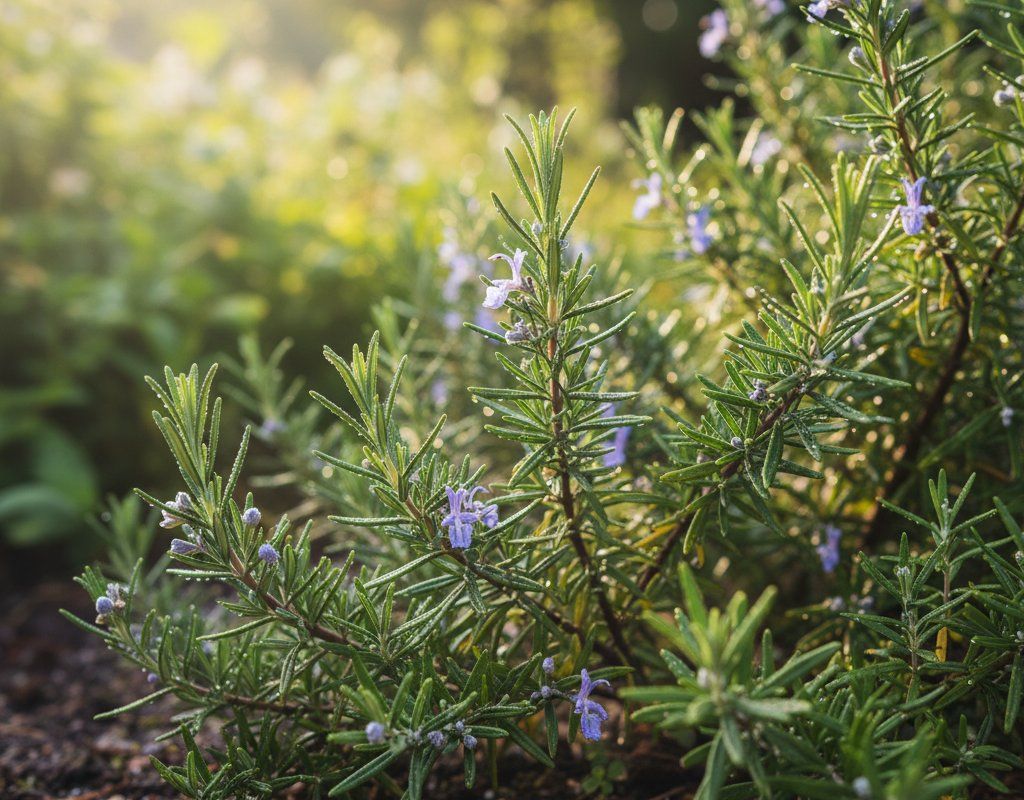
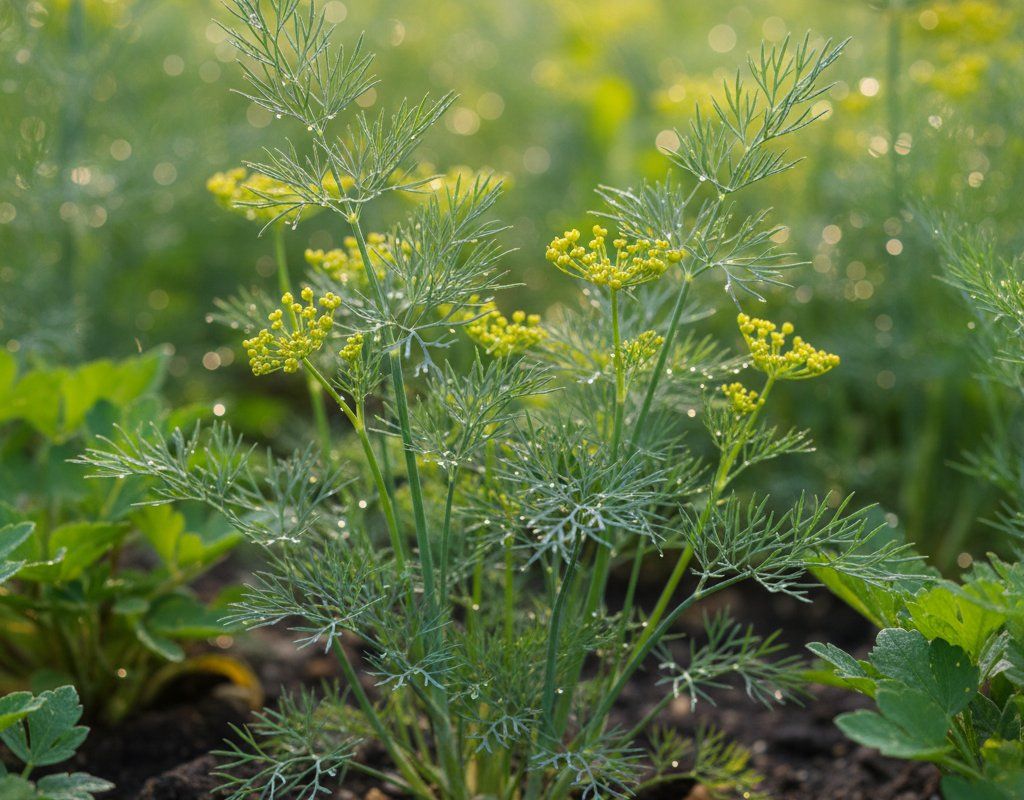
Keep Away From
Companion Planting Details
Lettuce makes an excellent companion for carrots since its shallow roots don't compete with carrot taproots, and the lettuce shades the soil to keep carrot roots cool during our Texas heat. Onions planted nearby help repel carrot rust flies with their strong scent, while their upright growth doesn't interfere with carrot development. Tomatoes work well as companions since they have different nutrient needs and the tall tomato plants can provide some afternoon shade during our brutal summer heat.
Avoid planting dill near carrots since it can actually attract carrot rust flies and may inhibit carrot germination. Parsnips are poor companions because they're in the same family and compete for the same nutrients, plus they can cross-pollinate if you save seeds. Keep these plants separated in your Texas garden for the healthiest carrot crop.
🌸Best Flowers to Plant with Carrot
These flowers protect your Carrot from pests and attract pollinators for better harvests.


Get a Reminder When It's Time to Plant
We'll email you when key planting windows open for your zone.