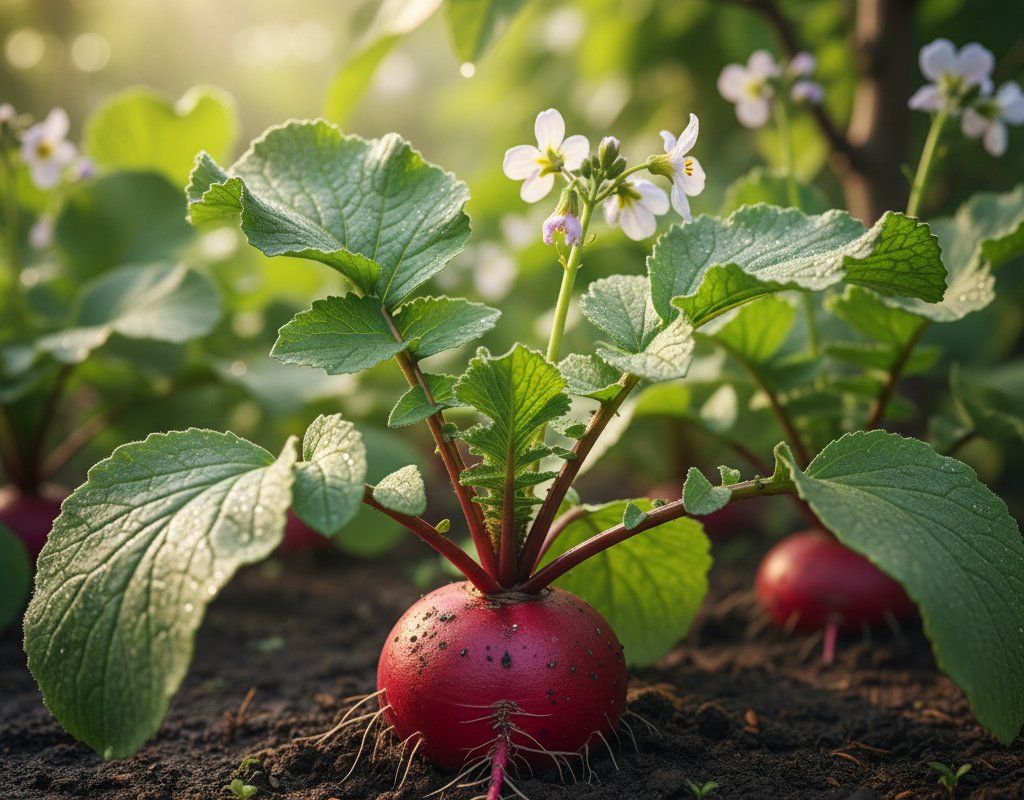
Radish in Zone 8B — Texas
Raphanus sativus · Your Complete 2026 Planting Guide
Harvest Time!
Your Radish should be producing now!
Harvest Tips
Check size by brushing soil away from crown. Pull when ready.
How to Plant Radish in Zone 8B — Texas
Here are all your options for getting radish in the ground, from the easiest method to more advanced approaches.
Direct Sow Seeds
RecommendedLate January through mid October
around January 28
Consider succession planting every 2-3 weeks for continuous harvest.
Fast-growing and easy. No reason to start indoors.
Buy Starts
Works WellLate January through mid March
around January 28
Plant purchased starts after last frost (February 25).
Start Seeds Indoors
ChallengingThis plant is typically not started indoors.
Transplant Outdoors
Timing InfoLate January through mid March
around January 28
Can tolerate light frost, but wait for soil to be workable.
You have a nice window — no need to rush.
Fall Planting
Late September through late October
October 14 ideal · Direct sow for fall harvest
Plant a second crop in mid-summer for fall harvest. Radish actually prefers the cooling temperatures of fall.
Overview
Radishes are the ultimate quick-win crop for Texas gardeners, giving you crisp, peppery roots in just 25 days from seed. In our long growing season, you can squeeze in multiple radish crops from late winter through late fall, perfect for filling gaps between slower vegetables or adding crunch to tacos and salads year-round. The cool bite of a fresh-pulled radish is especially welcome during our brutal Texas heat.
Our 273-day growing season and unpredictable weather patterns might seem challenging, but radishes actually thrive with the right timing. These hardy little roots handle our temperature swings better than most vegetables, and their lightning-fast growth means you can dodge the worst heat by planting early and late in the season.
Transplanting Outdoors
While you can transplant radish seedlings in late January through mid-March, it's honestly not worth the extra effort. Radishes have delicate taproots that don't appreciate being disturbed, and direct sowing is so much easier for such a fast crop.
If you do choose to transplant, harden off seedlings gradually over a week before moving them outside. Our late winter weather can swing from freezing to 75°F in days, so watch the forecast carefully. Space transplants 2-4 inches apart and water them in well.
Keep in mind that transplanted radishes often bolt or develop woody roots more quickly than direct-sown ones, especially as our spring temperatures start climbing in March.
Direct Sowing
Direct sowing is absolutely the way to go with radishes in Texas. Plant seeds from late January through mid-October, giving you nearly year-round radish possibilities. The beauty of this crop is its speed – you'll be harvesting before you know it.
Sow seeds ½ inch deep in loose, well-draining soil. Radishes prefer cool weather, so your spring plantings (late January through March) and fall plantings (late September through late October) will give you the sweetest, crispest roots. Space seeds 2-4 inches apart or plant thickly and thin later – the baby greens are delicious too.
Summer sowings are possible but tricky. The extreme Texas heat makes radishes bolt quickly and turn fiery hot. If you try summer radishes, choose heat-tolerant varieties and give them afternoon shade.
Watering Radish in Zone 8B (Texas)
Radishes need consistent moisture to develop those crisp, mild roots we're after. Skip the watering even briefly, and you'll get woody, fiery-hot radishes that'll clear your sinuses. With our unpredictable rainfall ranging from 15-50 inches annually, you can't rely on nature alone.
Water deeply 2-3 times per week, providing about 1 inch total. Use the finger test – stick your finger 2 inches into the soil near the plants. If it's dry, it's time to water. During our brutal summer heat with highs hitting 97°F, you might need to water daily, especially for any brave summer plantings.
Water at the base of plants rather than overhead. Our variable humidity means wet leaves can invite disease problems, plus surface watering wastes precious water in our heat. Mulch lightly around plants to retain moisture, but don't pile it thick – radishes like their shoulders to peek above soil level.
Watch for signs of stress: wilted leaves mean you're behind on watering, while cracked or split roots indicate inconsistent moisture. Yellow leaves often signal overwatering in our clay soils that don't drain well after our occasional flash floods.
🧪Fertilizing Radish
Feeding Schedule
Organic Fertilizer Options
Harvest Time
Start checking your radishes about 20 days after planting – some varieties are ready in just 25 days. In Texas, your first harvest window runs from late February through early December, depending on when you planted. Spring radishes are typically the sweetest, while fall crops develop great flavor as cool weather returns.
Look for the telltale sign: radish shoulders pushing up above the soil surface. Pull one to test – spring radishes are perfect at about 1 inch diameter, while winter varieties can grow larger. Don't wait too long or they'll turn woody and bitter, especially as our temperatures climb toward summer.
Harvest by grasping the leaves close to the root and pulling straight up. If the leaves break off, use a small trowel to dig the root. Brush off soil and trim the leaves, leaving about an inch of stem if you're storing them.
As our first frost approaches in late November, harvest any remaining radishes. Unlike some root crops, radishes don't improve with frost exposure and will turn mushy if frozen. Your last plantings in late October should finish just before the cold arrives.
Common Problems in Zone 8B (Texas)
Flea Beetles Tiny round holes peppered across young radish leaves look like someone took a shotgun to your plants. You'll spot small, dark beetles that jump like fleas when disturbed – they're worst on tender seedlings and can stunt growth significantly. These pests love our warm Texas springs and can devastate crops before plants get established. Cover young plants with row covers during their first 2-3 weeks, or delay planting until seedlings are larger and more resilient. Kaolin clay dusted on leaves creates a barrier, and interplanting with basil or catnip helps repel them naturally.
Root Maggots If your radishes are stunted with yellowing leaves, and you find small white maggots tunneling through the roots when you pull plants, you've got root maggots. These fly larvae thrive in our organic-rich soils and are worse during cool, moist periods in early spring and fall. The adult flies lay eggs at the base of plants, and larvae tunnel into developing roots. Use row covers during peak egg-laying times, rotate crops away from previous brassica plantings, and avoid fresh manure which attracts the flies.
Pithy Roots Nothing's more disappointing than radishes that look perfect but taste like cotton balls. Pithy, spongy radishes result from inconsistent watering, excessive heat, or leaving them in the ground too long. Our unpredictable rainfall and extreme heat create perfect conditions for this problem. Maintain consistent soil moisture, harvest promptly when roots reach size, and avoid summer plantings during the worst heat. Choose bolt-resistant varieties for spring planting as temperatures climb.
Texas Specific Challenges: Our extreme heat, drought periods, and flash floods create unique stress for radishes. The brutal summer temperatures make succession planting nearly impossible from June through August, while our clay soils can waterlog roots during heavy rains. Fire ants occasionally damage seedlings, and hail can shred the tender leaves in spring.
Best Companions for Radish
Plant these nearby for healthier Radish and better harvests.


Keep Away From
Companion Planting Details
Plant radishes alongside carrots – the quick-growing radishes break up soil for the slower carrots and are harvested before they compete for space. Lettuce makes an excellent companion since both prefer cool weather and similar watering, plus the radishes' fast growth helps shade lettuce roots during our spring heat-up. Peas and radishes work beautifully together in fall and winter plantings, with peas fixing nitrogen that benefits the radishes.
Avoid planting radishes near hyssop, which can stunt their growth and affect flavor. In our Texas heat, focus on companions that provide afternoon shade or have similar water needs – fighting our climate is hard enough without plants working against each other.
🌸Best Flowers to Plant with Radish
These flowers protect your Radish from pests and attract pollinators for better harvests.



Get a Reminder When It's Time to Plant
We'll email you when key planting windows open for your zone.