
Carrot in Zone 9A — Desert Southwest
Daucus carota · Your Complete 2026 Planting Guide
Still Time to Sow!
The sowing window is still open for Carrot.
Sow Seeds Soon
Carrots have a taproot and don't transplant. Direct sow only.
How to Plant Carrot in Zone 9A — Desert Southwest
Here are all your options for getting carrot in the ground, from the easiest method to more advanced approaches.
Direct Sow Seeds
RecommendedEarly February through mid September
around February 1
Consider succession planting every 2-3 weeks for continuous harvest.
Carrots have a taproot and don't transplant. Direct sow only.
Buy Starts
Works WellEarly February through early March
around February 1
Plant purchased starts after last frost (February 15).
Start Seeds Indoors
ChallengingThis plant is typically not started indoors.
Transplant Outdoors
Timing InfoEarly February through early March
around February 1
Can tolerate light frost, but wait for soil to be workable.
You have a nice window — no need to rush.
Fall Planting
Late September through late October
October 8 ideal · Direct sow for fall harvest
Plant a second crop in mid-summer for fall harvest. Carrot actually prefers the cooling temperatures of fall.
Overview
Carrots thrive in our Desert Southwest climate when you time them right, giving you sweet, crisp roots that far surpass anything from the store. Our 298-day growing season means you can enjoy fresh carrots from mid-April clear through mid-December, with two distinct planting windows that avoid the brutal summer heat. The dry air actually helps prevent many fungal diseases that plague carrot growers in more humid regions.
Yes, the extreme heat and alkaline soil present challenges, but carrots are surprisingly adaptable to desert conditions when planted during our cooler months. The key is working with our climate patterns rather than against them – plant early in February or wait until late September for fall crops that will carry you through winter.
Transplanting Outdoors
While you technically can transplant carrot seedlings from early February through early March, it's honestly not the best approach for carrots in our desert conditions. Carrots develop a long taproot that doesn't appreciate being disturbed, and transplant shock can cause the roots to fork or become stunted.
If you do choose to transplant (maybe you started seeds indoors to get a jump on the season), harden them off gradually over a week before planting. Space them 2-3 inches apart in deeply worked soil. Watch for those late February temperature swings that can stress young transplants – have row covers ready for unexpected cold snaps.
The reality is that direct sowing works so much better for carrots that most Desert Southwest gardeners skip transplanting altogether. Your germination rates and root quality will be significantly better with direct seeding.
Direct Sowing
Direct sowing is absolutely the way to go with carrots in the Desert Southwest. You have two excellent planting windows: early February through mid-March for spring crops, and late September through mid-October for fall plantings that will produce through winter. Avoid summer planting entirely – carrot seeds won't germinate well in our 105°F heat, and young plants struggle with the extreme conditions.
Work your soil deeply to at least 8-10 inches, breaking up any caliche layers that would cause root forking. Carrot seeds are tiny and need consistent surface moisture to germinate, which can be tricky in our dry air. Sow seeds about 1/4 inch deep and 2-3 inches apart, then cover with a thin layer of vermiculite or fine compost to help retain moisture.
Keep the soil consistently damp for 2-3 weeks until germination is complete – this is crucial in our arid climate. Consider covering freshly seeded areas with burlap or shade cloth to prevent the surface from crusting over in our intense sun.
Watering Carrot in Zone 9A (Desert Southwest)
Consistent moisture is absolutely critical for carrots in our Desert Southwest climate, especially during the 2-3 week germination period when the soil surface must stay damp. Our dry air and intense sun can quickly create a crusty soil surface that prevents tiny carrot seedlings from emerging. Water lightly but frequently during germination, checking daily that the top inch of soil remains moist.
Once established, carrots need about 1 inch of water per week, but you'll need to adjust this significantly based on our seasonal extremes. During spring growing season, this might mean watering every 2-3 days. In fall and winter, you can stretch this to once or twice weekly since evaporation rates drop dramatically. Use the finger test – stick your finger 2 inches into the soil, and water when it feels dry at that depth.
Water deeply at the base rather than overhead watering, which wastes precious water in our arid climate and can encourage the few fungal issues we do see. Inconsistent watering causes carrots to crack or become woody – particularly problematic when transitioning from winter's mild conditions to spring's increasing heat. Signs of underwatering include stunted growth and bitter flavor, while overwatering shows up as splitting roots and soft, pale foliage.
A thin layer of organic mulch helps tremendously with moisture retention in our desert conditions, but keep it pulled back from the carrot shoulders to prevent green coloring. During monsoon season, adjust your watering schedule since those brief but intense summer storms can provide significant moisture even if you're not growing carrots then.
🧪Fertilizing Carrot
Feeding Schedule
Organic Fertilizer Options
Harvest Time
Your first carrots will be ready for harvest about 70 days after sowing, which puts spring-planted crops ready by mid-April and fall plantings producing through winter until mid-December. You'll know they're ready when the tops of the roots become visible at the soil surface and measure about 3/4 inch across. Don't wait too long – carrots left in the ground too long become woody and bitter, especially as temperatures start climbing in late spring.
Pull carrots gently by grasping the green tops close to the root, or better yet, loosen the soil around them first with a fork to avoid snapping the roots. Morning harvest works best when the soil has some moisture from overnight cooling. The loose, sandy soil most of us work with in raised beds makes harvesting much easier than trying to pull carrots from our native caliche-laden ground.
Unlike tomatoes or peppers, carrots don't continue ripening once harvested, so timing is everything. Harvest your spring crop before the extreme heat arrives in May – carrots stressed by high temperatures develop off-flavors and tough texture. Your fall crop, however, can stay in the ground well into December since our mild winters actually improve carrot sweetness as the roots convert starches to sugars in response to cool weather.
As first frost approaches in early December, harvest any remaining carrots since they won't survive a hard freeze. Store them in the refrigerator with the greens removed, and they'll keep for weeks, giving you fresh garden carrots well into the new year.
Common Problems in Zone 9A (Desert Southwest)
Forking shows up as carrots that split into multiple roots instead of growing as a single straight taproot, creating twisted, unusable roots that look more like octopus tentacles than proper carrots. This happens when the growing taproot hits an obstacle – usually rocks, compacted soil, or our notorious caliche layer that lies just below the surface in many Desert Southwest yards. Fresh manure can also cause forking by creating hot spots in the soil.
The solution is creating loose, deeply worked soil that's completely free of rocks and debris. Most successful carrot growers here use raised beds filled with a quality potting mix, since our native desert soil is often too rocky and alkaline for good root development. If you're working with native soil, dig down at least 10 inches and remove every stone you find, then amend heavily with compost.
Carrot rust fly creates rusty brown tunnels throughout your carrot roots, making them completely inedible. You'll notice small dark flies hovering around your plants, and the foliage may wilt despite adequate watering. The fly larvae tunnel into the roots, destroying your harvest from the inside out.
Row covers provide the most reliable protection against these pests. You can also delay spring planting until mid-February to miss the first generation of flies, though this is less critical in our desert climate where fly populations tend to be lower than in more humid regions. Interplanting carrots with onions helps confuse the flies with competing scents. Never thin carrots during active fly periods since the bruised leaves attract them.
Green shoulders occur when the top portion of carrot roots push above the soil surface and turn green from sun exposure. While not harmful to eat, these green areas taste bitter and reduce the quality of your harvest. This is particularly common in our intense Desert Southwest sun, where even brief exposure can cause rapid chlorophyll development.
Hill soil or mulch over any exposed carrot tops as they develop, checking weekly as the roots mature. The combination of our settling sandy soils and intense UV light makes this problem more pronounced here than in other regions. Harvest promptly when carrots reach maturity rather than letting them sit and grow larger – this prevents shoulders from pushing above ground.
Desert Southwest Specific Challenges: Our extreme summer heat makes summer carrot growing nearly impossible, while our alkaline soils and caliche layers create the perfect conditions for root forking. The intense UV light accelerates green shoulder development, and our arid conditions make maintaining consistent soil moisture during germination particularly challenging. However, our low humidity actually prevents most of the fungal diseases that trouble carrot growers in more humid climates.
Best Companions for Carrot
Plant these nearby for healthier Carrot and better harvests.

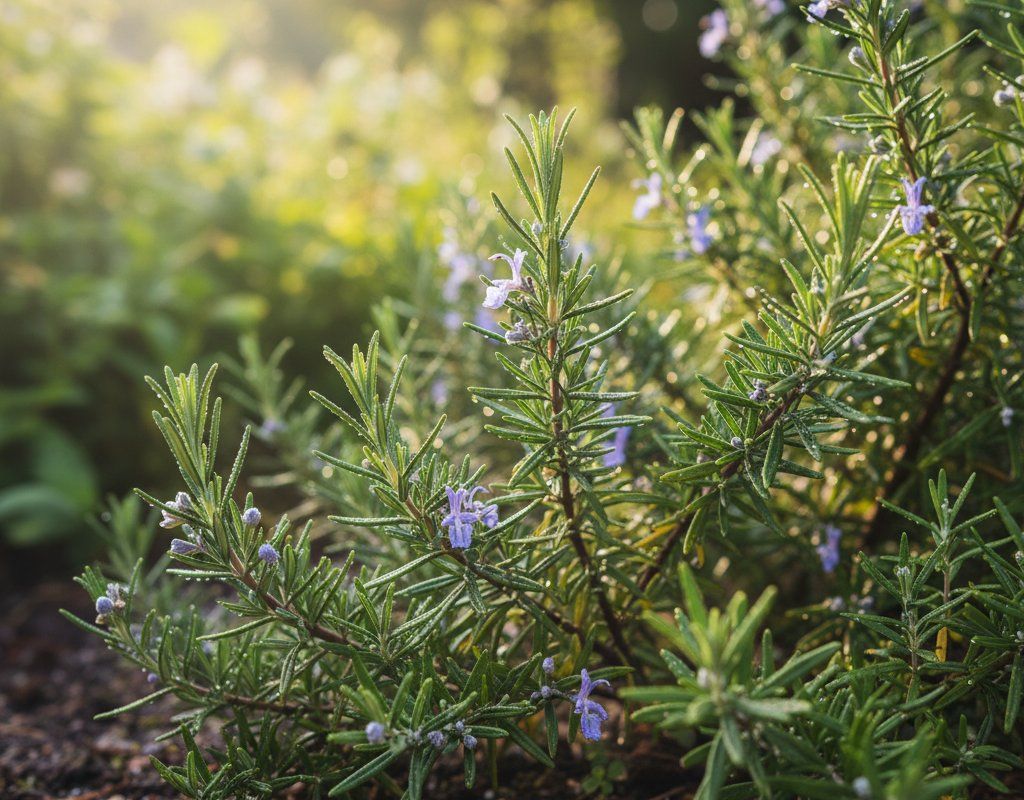
Keep Away From
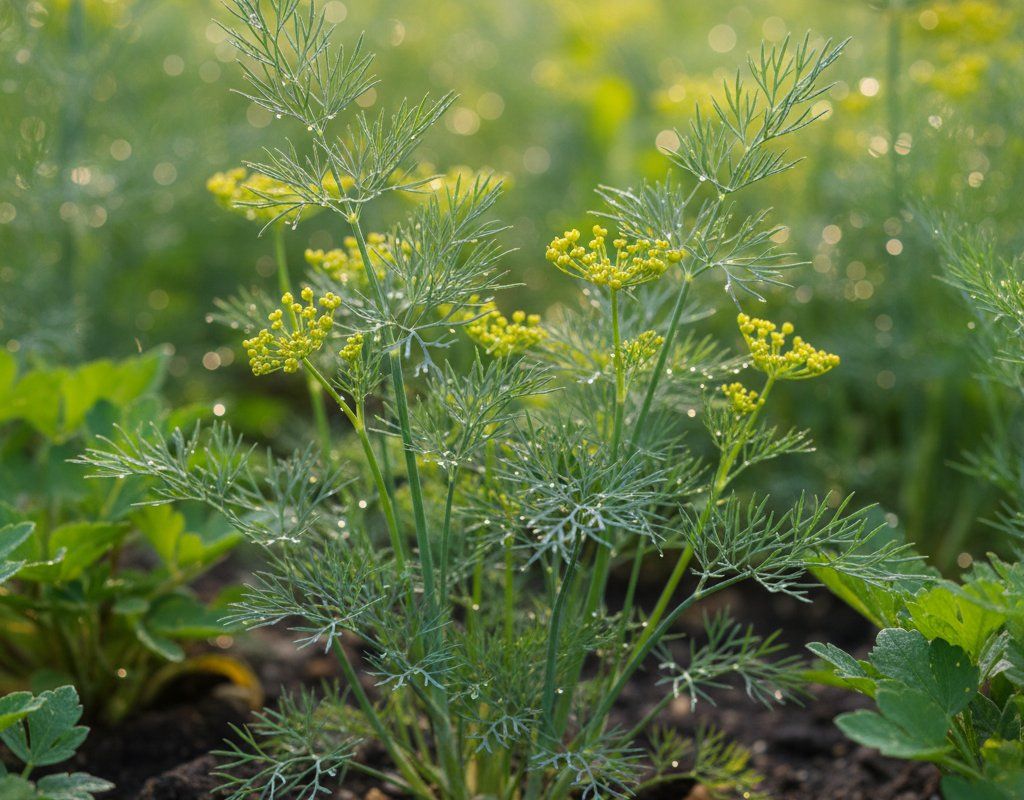
Companion Planting Details
Lettuce makes an excellent companion for carrots in our desert gardens since it provides living mulch that helps retain precious soil moisture while the shallow lettuce roots don't compete with carrots' deep taproots. Plant lettuce between carrot rows during fall and winter months when both crops thrive in our mild temperatures. Onions planted nearby help deter carrot rust flies with their strong scent, while their upright growth doesn't shade the carrots.
Tomatoes can work as companions during the brief spring overlap period, though you'll harvest your carrots before summer heat makes tomato growing challenging without intensive shade cloth. Rosemary planted at the edges of carrot beds helps repel various pests while tolerating our dry conditions beautifully. Avoid planting dill near carrots since it can attract the same pests and may cross-pollinate if you're saving seeds. Skip parsnips as companions – they're in the same family and compete for similar nutrients while being susceptible to the same diseases.
🌸Best Flowers to Plant with Carrot
These flowers protect your Carrot from pests and attract pollinators for better harvests.


Get a Reminder When It's Time to Plant
We'll email you when key planting windows open for your zone.