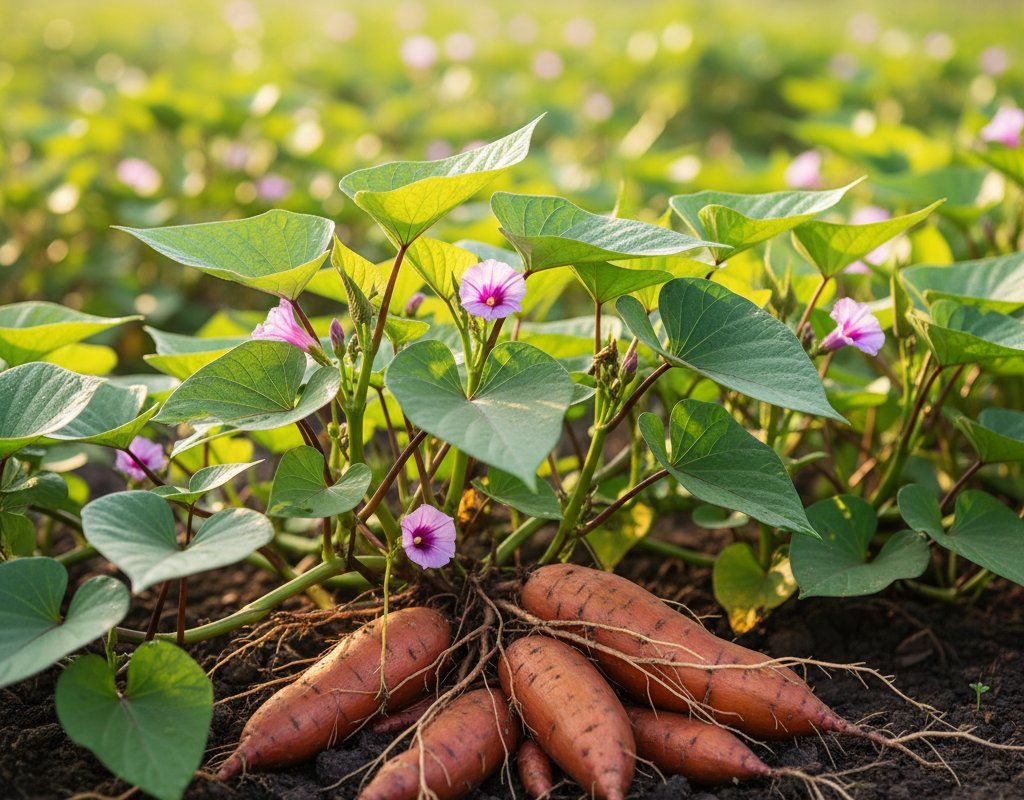
Sweet Potato in Zone 9A — Desert Southwest
Ipomoea batatas · Your Complete 2026 Planting Guide
Missed Seed Starting? No Problem!
Wait for starts to become available.
What to Do
Starts will be available at nurseries in 4 days (around March 8).
How to Plant Sweet Potato in Zone 9A — Desert Southwest
Here are all your options for getting sweet potato in the ground, from the easiest method to more advanced approaches.
Buy Starts
RecommendedEarly to late March
around March 8
Plant purchased starts after last frost (February 15).
Plant slips (rooted sprouts) after soil is warm. Buy slips or grow your own from a sweet potato.
Start Seeds Indoors
Works WellEarly to late January
around January 11
Then transplant: Early to late March
Start seeds 8-10 weeks before transplanting outdoors.
Direct Sow Seeds
ChallengingDirect sowing is not typical for Sweet Potato.
Transplant Outdoors
Timing InfoEarly to late March
around March 8
Wait until nighttime temperatures stay above 50°F.
Plan to transplant within a few weeks of your target date.
Overview
Sweet potatoes thrive in our Desert Southwest heat, producing nutrient-dense tubers that store beautifully through our mild winters. Their sprawling vines create natural ground cover that helps conserve precious moisture, while the tubers develop that perfect sweet, creamy texture our extreme summer heat actually enhances. You'll find homegrown sweet potatoes have deeper flavor than anything from the store, and they're surprisingly well-suited to our alkaline soils.
While our intense summer sun and arid conditions require some attention to watering, sweet potatoes are actually more forgiving than many crops once established. With our 298-day growing season, you have plenty of time to grow substantial tubers from spring-planted slips, and the timing works perfectly to avoid both our last frost in mid-February and the worst of our summer heat stress.
Starting Seeds Indoors
Starting sweet potatoes from seed isn't the typical approach here in the Desert Southwest – most of us work with slips (rooted sprouts from sweet potato tubers) instead. However, if you want to try growing your own slips indoors, start sweet potato tubers in early to late January, about 8 weeks before transplanting.
Place whole sweet potatoes half-submerged in water containers or bury them halfway in warm, moist potting soil. Keep them at 75-80°F in bright light or under grow lights. The tubers will sprout shoots that you can later twist off and root separately. Bottom watering works well to maintain consistent moisture without creating soggy conditions.
This timing aligns with our very early spring character, giving you slips ready when soil temperatures warm up in March. Most Desert Southwest gardeners find it easier to buy certified disease-free slips from local nurseries rather than starting their own indoors.
Transplanting Outdoors
Plant your sweet potato slips outdoors from early to late March, once soil temperatures consistently reach 60°F and nighttime temperatures stay above 50°F. This timing takes advantage of our mild spring weather before the extreme heat arrives. Space slips 12-18 inches apart in loose, well-draining soil – sweet potatoes struggle in our region's common caliche clay.
Harden off slips gradually over a week if you've grown them indoors. Start with 2-3 hours of morning sun, increasing daily until they handle full outdoor conditions. Plant slips deeper than you might expect, burying about two-thirds of the stem to encourage strong root development in our sandy soils.
Choose a spot with full sun exposure but consider where you might add shade cloth later if needed. Sweet potatoes need heat but can suffer from sunscald during our peak summer months. The key is getting them established with good root systems before our temperatures climb above 100°F consistently.
Watering Sweet Potato in Zone 9A (Desert Southwest)
Sweet potatoes need moderate water to get established, but they're surprisingly drought-tolerant once their root systems develop – perfect for our water-conscious Desert Southwest gardening. Water deeply 2-3 times per week during spring establishment, providing about 1-1.5 inches of water weekly. Use the finger test: stick your finger 2 inches into the soil, and water when it feels dry at that depth.
During our extreme summer heat, you'll need to adjust your watering frequency but not necessarily the amount. Water every other day or even daily during 105°F stretches, but still aim for deep, thorough soaking rather than frequent shallow watering. The arid air pulls moisture from soil quickly, so morning watering at soil level works better than overhead watering that evaporates before reaching roots.
Take advantage of monsoon moisture when it arrives, but don't rely on it completely. Our 8-15 inches of annual rainfall isn't enough for sweet potatoes without supplemental irrigation. Watch for signs of stress: wilting in morning hours means underwatering, while yellowing leaves and soft stems suggest overwatering in our low-humidity environment.
Reduce watering significantly 3-4 weeks before harvest to concentrate sugars in the tubers and prevent splitting. A 2-3 inch layer of organic mulch helps maintain even moisture and protects roots from temperature swings, crucial in our climate where soil can heat up dramatically during the day.
🧪Fertilizing Sweet Potato
Feeding Schedule
Organic Fertilizer Options
Harvest Time
Your first sweet potatoes will be ready from mid-June through late July, about 100 days after transplanting your slips. The timing works perfectly in our Desert Southwest, allowing you to harvest before the most intense summer heat stresses the plants. Look for yellowing vines and reduced new growth as signs that tubers have reached maturity underground.
Harvest on a dry day when soil isn't muddy from recent watering or monsoon rains. Dig carefully with a garden fork, starting about 12 inches from the plant center and working inward. Sweet potato skins are tender and easily damaged – any nicks or cuts will lead to rot during storage. Brush off soil gently but don't wash the tubers until you're ready to use them.
Handle harvested sweet potatoes carefully and cure them in a warm (80-85°F), humid location for 1-2 weeks. This can be challenging in our arid climate, so consider placing them in a slightly damp basement or garage area with some humidity. Properly cured sweet potatoes will store for months in cool, dry conditions.
Since our first frost doesn't typically arrive until early December, you have flexibility in harvest timing. However, don't wait too long – tubers left in ground during temperature swings can develop an unpleasant texture, and our alkaline soils can cause skin issues if harvest is delayed unnecessarily.
Common Problems in Zone 9A (Desert Southwest)
Sweet Potato Weevils These metallic blue-black beetles with orange-red heads create small holes in tubers and leaves. Adult weevils lay eggs in sweet potato stems and tubers, while larvae tunnel through the flesh, making tubers inedible. Our warm Desert Southwest climate provides ideal breeding conditions year-round. Prevent problems by rotating planting locations, removing all plant debris after harvest, and checking purchased slips carefully for signs of infestation. Beneficial nematodes applied to soil can help control larvae.
Wireworms These hard, yellow-brown larvae create tunnels through sweet potato tubers, similar to weevil damage but typically larger holes. Wireworms thrive in our desert soils, especially areas that were previously lawn or weedy. They're attracted to organic matter and can persist for years in the same location. Till soil deeply before planting and consider solarizing problem areas during summer heat. Crop rotation helps, but avoid planting sweet potatoes where you've had wireworm issues with other root crops.
Cracking Sweet potato tubers split when irregular watering causes rapid water uptake after dry periods – common during our monsoon season or inconsistent irrigation. Cracks expose flesh to rot and make tubers unusable for storage. Our extreme temperature swings between day and night can worsen the problem. Maintain consistent soil moisture throughout the growing season, mulch heavily to buffer moisture fluctuations, and reduce watering gradually as harvest approaches rather than stopping abruptly.
Desert Southwest Specific Challenges: Our extreme heat and arid conditions actually benefit sweet potatoes compared to more humid climates, reducing fungal diseases significantly. However, the combination of alkaline soil, intense UV exposure, and dramatic moisture swings during monsoon season requires careful attention to soil preparation and consistent watering schedules that work with our unique climate patterns.
Best Companions for Sweet Potato
Plant these nearby for healthier Sweet Potato and better harvests.


Keep Away From
Companion Planting Details
Sweet potatoes pair beautifully with beans and corn in our Desert Southwest gardens, creating a modified version of the traditional Three Sisters planting. The beans fix nitrogen that sweet potatoes can use, while their vertical growth doesn't compete with the spreading sweet potato vines. Corn provides natural shade structure that can help protect sweet potato foliage from our intense afternoon sun, especially valuable during peak summer heat.
Avoid planting sweet potatoes with other sprawling crops like winter squash, as they'll compete for the same ground space and create harvesting difficulties. The vining nature of sweet potatoes actually makes them excellent living mulch around established fruit trees or along fence lines where their spread is contained. In our water-conscious climate, this companion approach maximizes space while the sweet potato vines help conserve soil moisture for neighboring plants.
🌸Best Flowers to Plant with Sweet Potato
These flowers protect your Sweet Potato from pests and attract pollinators for better harvests.
For Pest Control




Get a Reminder When It's Time to Plant
We'll email you when key planting windows open for your zone.