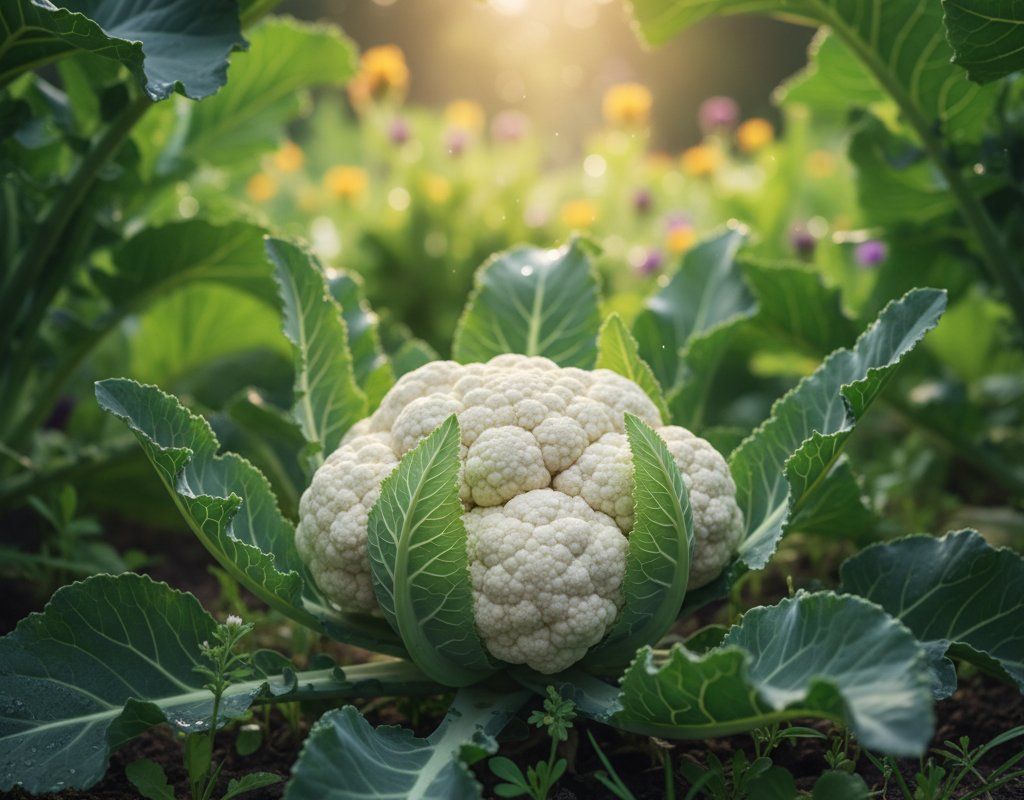
Cauliflower in Zone 10A — Desert Southwest
Brassica oleracea var. botrytis · Your Complete 2026 Planting Guide
Check Planting Details Below
See the full planting guide for timing information.
How to Plant Cauliflower in Zone 10A — Desert Southwest
Here are all your options for getting cauliflower in the ground, from the easiest method to more advanced approaches.
Start Seeds Indoors
RecommendedMid November through early December
around November 25
Then transplant: Early January through early February
Start seeds 6-8 weeks before transplanting outdoors.
Cauliflower is fussy. Starting indoors gives you more control.
Buy Starts
Works WellEarly January through early February
around January 6
Plant purchased starts after last frost (January 20).
Direct Sow Seeds
ChallengingDirect sowing is not typical for Cauliflower.
Transplant Outdoors
Timing InfoEarly January through early February
around January 6
Can tolerate light frost, but wait for soil to be workable.
You have a nice window — no need to rush.
Fall Planting
Early October through early November
October 23 ideal · Transplant for fall harvest
Plant a second crop in mid-summer for fall harvest. Cauliflower actually prefers the cooling temperatures of fall.
Overview
Growing your own cauliflower in the Desert Southwest delivers restaurant-quality heads with incredible flavor and texture that puts grocery store versions to shame. In our Zone 10A climate, you'll harvest dense, creamy-white heads that develop exceptional sweetness during our mild winter months, making every bit of effort worthwhile for soups, roasting, and fresh eating.
Yes, our extreme heat and arid conditions present challenges for this cool-season crop, but our 339-day growing season gives you plenty of flexibility to time plantings perfectly. By starting seeds indoors during late fall and transplanting in winter, you'll sidestep the brutal summer temperatures while taking advantage of our mild winters when cauliflower absolutely thrives.
Starting Seeds Indoors
Starting cauliflower seeds indoors is essential in the Desert Southwest – this fussy crop needs controlled conditions to develop strong transplants. Begin sowing seeds mid-November through early December, about 6 weeks before your planned transplant date. Our very early spring character means you'll be moving these seedlings outdoors while other regions are still dealing with snow.
Set up seed trays with quality seed-starting mix in a warm location around 65-70°F. Cauliflower seeds germinate in 7-10 days with consistent warmth and moisture. Use bottom watering to keep soil evenly moist without disturbing the delicate seedlings – fill a tray with water and let the pots absorb moisture from below.
Once seedlings emerge, provide bright light for 12-14 hours daily using grow lights positioned 4-6 inches above the plants. Our winter sun alone isn't strong enough indoors for stocky growth. Keep seedlings cool but not cold – around 60-65°F produces the strongest transplants that won't bolt prematurely when moved outside.
Transplanting Outdoors
Transplant your cauliflower seedlings early January through early February when nighttime temperatures consistently stay above the mid-20s. In our Desert Southwest climate, this timing allows plants to establish during our coolest months before spring temperatures start climbing toward summer's extreme heat.
Harden off seedlings gradually over one week by placing them outside in partial shade for increasing periods daily. Start with 2-3 hours and build up to full days. Our intense desert sun can shock tender indoor-grown plants, even during winter months, so this gradual exposure prevents transplant stress.
Space transplants 18-24 inches apart in well-amended soil with excellent drainage. Plant them slightly deeper than they grew in containers, burying the stem up to the first set of true leaves for stronger root development. Water thoroughly after planting and provide afternoon shade cloth if daytime temperatures exceed 75°F during the establishment period.
Watering Cauliflower in Zone 10A (Desert Southwest)
Consistent moisture is absolutely critical for cauliflower success in our arid Desert Southwest climate. Unlike drought-tolerant desert natives, cauliflower needs steady water to prevent buttoning – the formation of tiny, premature heads that never develop properly. Inconsistent watering creates the stress that triggers this disappointing problem.
During our mild winter growing season, provide 1-1.5 inches of water weekly through deep, infrequent irrigation. Check soil moisture by inserting your finger 2 inches deep near the base of plants – it should feel consistently moist but not soggy. Water at soil level using drip irrigation or soaker hoses to keep leaves dry and reduce evaporation in our low-humidity environment.
As temperatures rise in spring, increase watering frequency but maintain the same weekly total. Morning watering allows plants to absorb moisture before our intense desert sun hits, and the dry air helps prevent fungal issues that plague more humid regions. Apply 2-3 inches of organic mulch around plants to conserve moisture and moderate soil temperature swings.
Watch for stress signs: wilting during hot afternoons indicates insufficient water, while yellowing lower leaves often signal overwatering in our well-draining desert soils. During our brief monsoon season, reduce supplemental irrigation but monitor closely since cauliflower can't tolerate the wet-dry cycles that native plants thrive on.
🧪Fertilizing Cauliflower
Feeding Schedule
Organic Fertilizer Options
Harvest Time
Your cauliflower heads will be ready for harvest mid-March through early May, roughly 70 days from transplanting. In our Desert Southwest climate, this timing captures the sweet spot before extreme heat arrives but after heads have had time to develop during our extended mild weather.
Look for compact, white heads measuring 6-8 inches across with tight, fine curds that feel firm when gently pressed. The head should be completely white with no yellowing or purple tinges, and individual curds shouldn't be separating or showing gaps. Once heads reach this stage, harvest within a few days since quality deteriorates rapidly.
Cut the main head with a sharp knife about 6 inches below the base, taking some leaves with it. Unlike some vegetables, cauliflower heads won't continue developing once cut, and the plant won't produce additional heads worth harvesting. Remove the entire plant after harvest to prevent pest buildup and make room for warm-season crops.
Since our first frost doesn't arrive until late December, any late-developing heads have plenty of time to mature. However, once daytime temperatures consistently exceed 85°F, remaining plants will likely bolt and become bitter, so plan to clear the bed for summer crops or install shade cloth for heat protection.
Common Problems in Zone 10A (Desert Southwest)
Buttoning shows up as tiny, premature heads the size of golf balls or smaller that never develop into full-sized cauliflower. These miniature heads appear when plants are stressed and give up on normal development. In our Desert Southwest climate, buttoning typically results from inconsistent watering during temperature swings between our cool nights and warm spring days. Maintain steady soil moisture and provide afternoon shade when temperatures exceed 80°F to prevent this stress response.
Cabbage worms appear as smooth, green caterpillars that chew irregular holes in leaves, leaving dark green droppings behind. You'll spot white butterflies hovering around plants – these lay eggs that hatch into hungry larvae. Multiple generations develop quickly in our warm climate, making consistent control essential. Apply Bt (Bacillus thuringiensis) spray every 7-10 days during active infestations, or use floating row covers to prevent egg-laying entirely. Handpicking works well for light infestations.
Heat stress manifests as wilting during hot afternoons, bolting (going to seed prematurely), or heads that develop loose, ricey texture instead of tight curds. Our extreme heat arrivals in late spring often catch gardeners off-guard. Once daytime temperatures consistently hit the mid-80s, cauliflower struggles significantly. Install 30-50% shade cloth over plants and increase watering frequency to help extend the harvest window, but plan your main harvest before heat stress becomes overwhelming.
Desert Southwest gardeners face unique challenges with cauliflower due to our extreme heat, arid air, and alkaline soils. The rapid temperature swings between cool winter nights and increasingly warm spring days stress plants more than gradual seasonal changes in other regions. Our low humidity also means plants lose moisture faster, requiring more attention to consistent irrigation than cauliflower grown in more temperate climates.
Best Companions for Cauliflower
Plant these nearby for healthier Cauliflower and better harvests.


Keep Away From
Companion Planting Details
Plant cauliflower alongside beets, celery, and onions for natural pest control and space efficiency in your Desert Southwest garden. Beets develop their roots in different soil layers, reducing competition, while their leafy tops provide beneficial afternoon shade during our warming spring weather. Celery shares similar water needs and helps maintain consistent soil moisture around cauliflower roots. Onions repel many insects that target brassicas and their shallow roots won't compete for nutrients.
Avoid planting tomatoes, peppers, and strawberries near your cauliflower beds. These warm-season crops require completely different watering schedules and soil preparation – what works for heat-loving tomatoes will stress cool-season cauliflower. Additionally, these plants can harbor pests and diseases that affect brassicas, and their extensive root systems compete heavily for the consistent moisture that cauliflower desperately needs in our arid climate.
🌸Best Flowers to Plant with Cauliflower
These flowers protect your Cauliflower from pests and attract pollinators for better harvests.




Get a Reminder When It's Time to Plant
We'll email you when key planting windows open for your zone.