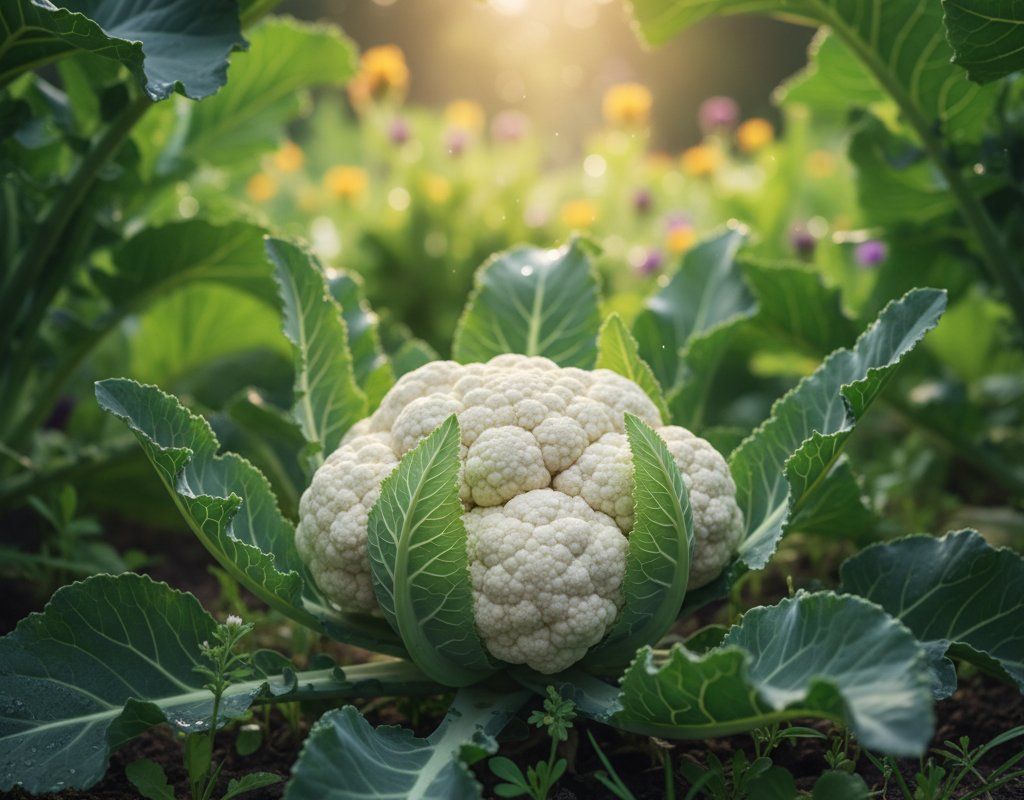
Cauliflower in Zone 10A — Southern California
Brassica oleracea var. botrytis · Your Complete 2026 Planting Guide
Check Planting Details Below
See the full planting guide for timing information.
How to Plant Cauliflower in Zone 10A — Southern California
Here are all your options for getting cauliflower in the ground, from the easiest method to more advanced approaches.
Start Seeds Indoors
RecommendedMid November through early December
around November 20
Then transplant: Early to late January
Start seeds 6-8 weeks before transplanting outdoors.
Cauliflower is fussy. Starting indoors gives you more control.
Buy Starts
Works WellEarly to late January
around January 1
Plant purchased starts after last frost (January 15).
Direct Sow Seeds
ChallengingDirect sowing is not typical for Cauliflower.
Transplant Outdoors
Timing InfoEarly to late January
around January 1
Can tolerate light frost, but wait for soil to be workable.
You have a nice window — no need to rush.
Fall Planting
Mid October through mid November
October 28 ideal · Transplant for fall harvest
Plant a second crop in mid-summer for fall harvest. Cauliflower actually prefers the cooling temperatures of fall.
Overview
Growing cauliflower in Southern California's Zone 10A gives you access to some of the sweetest, most tender heads you'll ever taste – far superior to anything you'll find in the grocery store. Our mild winters and year-round growing season make this cool-season crop a perfect fit for the region, allowing you to harvest beautiful white heads while the rest of the country is still buried under snow. The satisfaction of cutting your own perfectly formed cauliflower head on a sunny February morning is hard to beat.
While our hot summers and occasional heat waves can stress cool-season crops, cauliflower thrives in our mild winter months when temperatures stay consistently moderate. With our 349-day growing season, you have the luxury of timing your plantings to avoid the summer heat entirely, setting yourself up for success with this sometimes-finicky vegetable.
Starting Seeds Indoors
Starting cauliflower seeds indoors is essential for success in Southern California – this crop doesn't handle direct seeding well and needs the controlled environment to get established. Start your seeds indoors from mid-November through early December, about six weeks before you plan to transplant. This timing takes advantage of our very early spring character, getting plants ready to go into the ground while temperatures are still mild.
Set up your seed trays in a warm spot (65-70°F) with good light – a south-facing window or grow lights work well. Cauliflower is particularly fussy about consistent conditions, so bottom watering helps prevent damping off and keeps moisture levels steady. The seeds typically germinate in 7-10 days under these conditions.
Your seedlings will be ready to transplant when they have 3-4 true leaves and strong root systems. Starting indoors gives you much better control over those critical early weeks when cauliflower is most vulnerable to stress.
Transplanting Outdoors
Transplant your cauliflower seedlings outdoors from early to late January, when our mild winter weather provides ideal growing conditions. Before moving them outside permanently, harden them off over a week by gradually increasing their outdoor exposure – start with a few hours and work up to full days. This step is crucial since even our mild winter temperatures can shock seedlings that haven't been acclimated.
Space plants 18-24 inches apart to allow for their large heads and broad leaves. The wider spacing also improves air circulation, which helps prevent disease issues in our winter dampness. Choose a spot with full sun to partial shade – during our mild winter months, even morning sun locations can work well since the temperatures stay moderate.
Watch for those occasional warm spells we get in late January that can stress newly transplanted seedlings. A bit of afternoon shade during these temperature swings can help your plants establish without bolting.
Watering Cauliflower in Zone 10A (Southern California)
Cauliflower is extremely sensitive to watering stress and needs consistent, even moisture throughout its growing period – this is absolutely critical for success in Southern California's variable climate. Inconsistent watering causes "buttoning," where plants form tiny, premature heads instead of the full-sized ones you want. During our winter growing season, aim for about 1-1.5 inches of water per week, adjusting based on our sporadic winter rains.
The finger test works perfectly here – stick your finger 2 inches into the soil, and if it feels dry, it's time to water. In our low-to-moderate humidity climate, soil dries out faster than you might expect, especially during those dry Santa Ana wind events that can hit even in winter. Water at the base of plants rather than overhead to prevent disease issues and make the most of every drop.
Our winter-wet rainfall pattern means you'll need to monitor closely and supplement during dry spells. When those winter storms roll through and we get our 10-20 inches of annual rainfall, you might not need to water for days or even weeks. During dry periods, especially with our frequent water restrictions, efficient irrigation becomes crucial.
A 2-3 inch layer of organic mulch around plants helps retain moisture and keeps roots cool, but keep it a few inches away from the stem to prevent pest issues. Watch for yellowing leaves (usually underwatering) or soft, dark spots on leaves (often overwatering), and adjust accordingly.
🧪Fertilizing Cauliflower
Feeding Schedule
Organic Fertilizer Options
Harvest Time
Your first cauliflower heads will be ready from mid-March through late April, about 70 days after transplanting. Look for firm, white, compact heads that measure 6-8 inches across – they should feel solid and heavy for their size. The curds (those tightly packed flower buds) should still be smooth and tightly closed together without any separation or discoloration starting to show.
Harvest in the morning when heads are cool and crisp, cutting the main stem about 6 inches below the head with a sharp knife. Don't wait too long once heads reach maturity – our warming spring temperatures can cause them to "rice" (curds separate) or turn yellow quickly. Unlike some vegetables, cauliflower won't continue ripening after harvest, so timing is everything.
After cutting the main head, you can leave the plant in place for a few weeks to see if smaller side shoots develop, though these secondary heads are typically much smaller. Since cauliflower doesn't provide a continuous harvest like some crops, consider succession planting every 2-3 weeks during your planting window for a longer harvest period.
With first frost typically arriving around late December in our area, you'll have harvested long before any cold weather threatens your plants. This makes cauliflower an ideal winter crop for Southern California gardeners.
Common Problems in Zone 10A (Southern California)
Buttoning appears as tiny, premature cauliflower heads (1-3 inches) that form when plants are stressed. You'll see small, tight white clusters that stop growing instead of developing into full-sized heads. This happens when plants experience temperature fluctuations, inconsistent watering, or transplant shock during establishment. Prevent buttoning by maintaining consistent soil moisture, protecting young plants during warm spells, and ensuring they're well-established before our spring temperatures start climbing. Once a plant buttons, that head won't grow larger, so focus on preventing stress in future plantings.
Cabbage worms show up as smooth green caterpillars on leaves, leaving irregular holes and dark green droppings behind. You'll often see white butterflies hovering around your plants – these are the adults laying eggs that become the problematic larvae. Our warm climate allows multiple generations per season, making this an ongoing issue. Bt spray works excellently against these pests and is organic-approved. Row covers prevent egg-laying entirely, or hand-pick caterpillars in the morning. Interplanting with aromatic herbs like thyme and sage helps deter the adult butterflies.
Heat stress causes leaves to wilt, turn purple, or bolt (flower prematurely) when temperatures spike unexpectedly. Even during our mild winter growing season, those occasional 80°F+ days can stress cauliflower plants significantly. You'll notice leaves looking droopy even with adequate soil moisture, or plants rushing to flower instead of forming heads. Provide afternoon shade during heat waves, increase watering frequency (not amount), and consider planting in locations that get morning sun but afternoon protection.
Southern California Specific Challenges: Our combination of periodic Santa Ana winds, sporadic winter rainfall, and unpredictable warm spells creates unique stress points for cauliflower. The low-to-moderate humidity means soil moisture evaporates quickly, while our winter-wet pattern can create waterlogged conditions during storm sequences. Success comes from monitoring daily and adjusting your care to match our variable winter weather patterns.
Best Companions for Cauliflower
Plant these nearby for healthier Cauliflower and better harvests.


Keep Away From
Companion Planting Details
Plant cauliflower alongside beets, celery, onions, and spinach for a thriving winter garden combination. Beets and spinach make excellent companions because they have similar water and nutrient needs while growing at different soil levels – the root crops and leafy greens won't compete directly with cauliflower's space requirements. Celery benefits from the same consistent moisture cauliflower needs, while onions help deter cabbage worms and other pests with their strong scent.
Avoid planting cauliflower near tomatoes, peppers, or strawberries, which have completely different growing seasons and requirements in Southern California. These warm-season crops will be finishing up or going dormant just as you're planting cauliflower, but their different watering needs and potential disease carryover make them poor neighbors. Strawberries can harbor similar pests and compete for the same soil nutrients without offering any benefits in return.
🌸Best Flowers to Plant with Cauliflower
These flowers protect your Cauliflower from pests and attract pollinators for better harvests.




Get a Reminder When It's Time to Plant
We'll email you when key planting windows open for your zone.