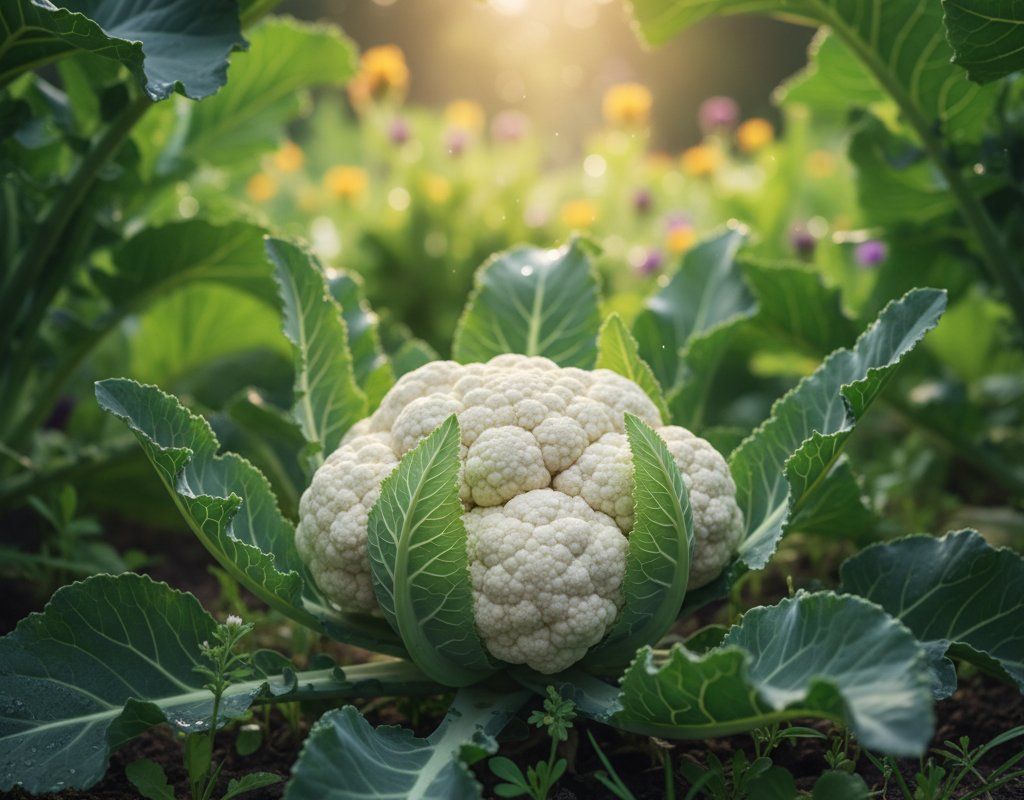
Cauliflower in Zone 10B — Southern California
Brassica oleracea var. botrytis · Your Complete 2026 Planting Guide
Check Planting Details Below
See the full planting guide for timing information.
How to Plant Cauliflower in Zone 10B — Southern California
Here are all your options for getting cauliflower in the ground, from the easiest method to more advanced approaches.
Start Seeds Indoors
RecommendedEarly to late November
around November 15
Then transplant: Late December through late January
Start seeds 6-8 weeks before transplanting outdoors.
Cauliflower is fussy. Starting indoors gives you more control.
Buy Starts
Works WellLate December through late January
around December 27
Plant purchased starts after last frost (January 10).
Direct Sow Seeds
ChallengingDirect sowing is not typical for Cauliflower.
Transplant Outdoors
Timing InfoLate December through late January
around December 27
Can tolerate light frost, but wait for soil to be workable.
You have a nice window — no need to rush.
Fall Planting
Mid October through mid November
October 29 ideal · Transplant for fall harvest
Plant a second crop in mid-summer for fall harvest. Cauliflower actually prefers the cooling temperatures of fall.
Overview
Growing cauliflower in Southern California's Zone 10B gives you access to crisp, sweet heads that put grocery store versions to shame. Our mild winters and year-round growing season create perfect conditions for this cool-season crop, allowing you to harvest fresh cauliflower when most of the country is buried under snow. The dense, creamy-white heads you'll grow here have incredible versatility – from roasted florets to cauliflower rice to creamy soups.
While our hot summers and occasional Santa Ana winds can stress heat-sensitive crops like cauliflower, proper timing makes all the difference. With 355 growing days annually and rarely a hard freeze, you can time your plantings to avoid the summer heat entirely. Starting seeds in late fall for winter growing means your cauliflower will mature during our coolest months, producing the best-quality heads.
Starting Seeds Indoors
Starting cauliflower seeds indoors from early to late November gives you the control this finicky crop demands. Since cauliflower is notorious for buttoning (forming tiny, premature heads) when stressed, indoor starting lets you create ideal conditions before transplanting. Start seeds about 6 weeks before your planned transplant date in late December.
Set up seed trays with quality potting mix in a warm spot – around 65-70°F works well. Bottom watering keeps moisture levels consistent without disturbing tiny seedlings, which is crucial since cauliflower doesn't tolerate transplant shock well. Place trays near a south-facing window or under grow lights, as our November light can be limited even here in SoCal.
Your seedlings will be ready to harden off by mid to late December, just as our very early spring conditions begin. This timing takes advantage of our mild winter growing season while avoiding both summer heat stress and any rare winter cold snaps.
Transplanting Outdoors
Transplant your cauliflower seedlings outdoors from late December through late January, when daytime temperatures stay consistently in the 60s and 70s. This timing perfectly aligns with Southern California's winter growing season, giving plants cool conditions to establish strong root systems before spring warmth arrives.
Start hardening off seedlings one week before transplanting by gradually exposing them to outdoor conditions. Begin with 2-3 hours of morning sun, then increase daily. Watch for any signs of stress during this process – cauliflower seedlings are more sensitive than other brassicas to environmental changes.
Space transplants 18-24 inches apart in well-draining soil amended with compost. Plant them at the same depth they were growing in containers, and water thoroughly after planting. Choose a location with morning sun and some afternoon protection, especially if you're gardening inland where temperatures can spike unexpectedly even in winter.
Watering Cauliflower in Zone 10B (Southern California)
Consistent moisture is absolutely critical for cauliflower success in Southern California – more so than almost any other vegetable crop. This plant cannot tolerate drought stress or inconsistent watering, both of which cause buttoning (those disappointing tiny heads). With our low-to-moderate humidity and winter-wet rainfall pattern, you'll need to supplement natural precipitation regularly.
Keep soil evenly moist but not waterlogged by providing about 1-1.5 inches of water weekly. Use the finger test – stick your finger 2 inches deep into the soil, and water when it feels dry at that depth. During our occasional winter dry spells or if Santa Ana winds kick up, you may need to water every 2-3 days instead of your usual schedule.
Water at the base of plants rather than overhead to prevent crown rot, though our relatively low humidity makes foliar diseases less problematic than in more humid regions. Drip irrigation or soaker hoses work perfectly for maintaining that consistent moisture cauliflower demands. Signs of underwatering include wilting and premature buttoning, while overwatering shows up as yellowing lower leaves and poor root development.
Apply 2-3 inches of organic mulch around plants to conserve moisture and moderate soil temperatures. In our climate, this helps tremendously during warm spells and reduces watering frequency while protecting roots from temperature fluctuations.
🧪Fertilizing Cauliflower
Feeding Schedule
Organic Fertilizer Options
Harvest Time
Expect your first cauliflower harvest from early March through late April, about 70 days after transplanting. The timing works beautifully with our growing season – you'll be harvesting just as spring warmth begins but before summer heat arrives. Look for compact, white heads that measure 6-8 inches across with tight, fine curds that haven't started to separate or show any yellowing.
Cut the main head at the base using a sharp knife, slicing through the thick stem just below the head. Don't wait too long once heads reach maturity – cauliflower doesn't improve with age and will quickly become loose and bitter if left too long. The curds should feel firm and dense, with no gaps or rice-like texture developing.
Unlike some vegetables, cauliflower won't continue producing after you harvest the main head, so make the most of that single harvest per plant. Some varieties may produce small side shoots after the main head is cut, but these are usually quite small and not worth the garden space in our climate.
Since our last frost typically arrives around late December, you'll have your entire harvest completed well before any cold weather threatens. This gives you plenty of time to plan and plant warm-season crops in the same space for late spring and summer growing.
Common Problems in Zone 10B (Southern California)
Buttoning Small, premature heads forming when plants are still tiny indicates buttoning, cauliflower's most common problem. You'll see marble-sized white heads appearing on plants that should still be developing leaves. This happens when plants experience stress – inconsistent watering, temperature fluctuations, or transplant shock are common triggers in Southern California. Our occasional winter warm spells can cause this if plants think it's time to reproduce. Prevent buttoning by maintaining consistent soil moisture, choosing appropriate varieties for our climate, and timing transplants to avoid temperature swings.
Cabbage Worms Irregular holes chewed in leaves and dark green droppings signal cabbage worms – smooth green caterpillars that love all brassicas. You'll often spot white butterflies hovering around plants, laying eggs that hatch into hungry larvae. Our mild winters mean multiple generations per season, making this an ongoing concern. Bt (Bacillus thuringiensis) spray works extremely well and is organic. Floating row covers prevent egg-laying entirely, or handpick caterpillars in the early morning. Interplanting with aromatic herbs like thyme and sage helps repel adult butterflies.
Heat Stress Wilting during the day even with adequate moisture, along with poor head formation, indicates heat stress. While winter growing usually avoids this issue, unexpected warm spells or inland heat can still affect plants. Cauliflower stops growing when temperatures consistently exceed 75°F, and heads may become loose and bitter. Provide afternoon shade during heat waves, increase watering frequency, and consider shade cloth for inland gardens where temperatures spike higher.
Southern California Specific Challenges: Our combination of hot inland temperatures, occasional Santa Ana winds, and drought conditions means timing is everything for cauliflower success. Unlike gardeners in consistently cool climates, we must work within narrow windows and stay vigilant about irrigation during dry spells.
Best Companions for Cauliflower
Plant these nearby for healthier Cauliflower and better harvests.


Keep Away From
Companion Planting Details
Plant cauliflower alongside beets, celery, onions, and spinach for the best results in Southern California gardens. Beets and spinach make excellent companions because they have similar water needs and won't compete for space – their smaller root systems complement cauliflower's deeper taproot. Celery thrives in the same cool, moist conditions and helps shade the soil around cauliflower plants. Onions planted nearby help repel aphids and other small pests while taking up minimal space.
Avoid planting cauliflower near tomatoes, peppers, or strawberries. These crops have completely different cultural requirements – tomatoes and peppers need our hot summer conditions to thrive, while cauliflower fails in heat. Strawberries compete heavily for water and nutrients, and their sprawling growth habit can crowd cauliflower plants. The timing also conflicts since these warm-season crops will be establishing just as your cauliflower is finishing up in spring.
🌸Best Flowers to Plant with Cauliflower
These flowers protect your Cauliflower from pests and attract pollinators for better harvests.




Get a Reminder When It's Time to Plant
We'll email you when key planting windows open for your zone.