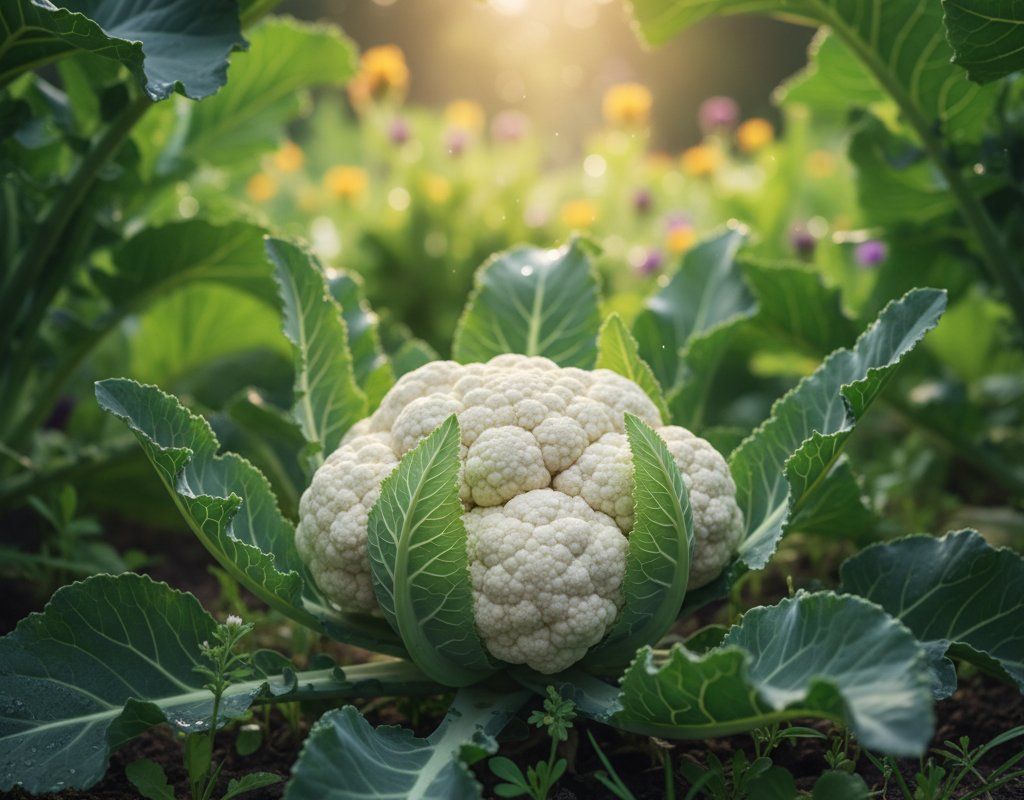
Cauliflower in Zone 4A — Mountain West
Brassica oleracea var. botrytis · Your Complete 2026 Planting Guide
Planning Ahead — Great!
You’re ahead of the season. Here’s when to start.
Mark Your Calendar
How to Plant Cauliflower in Zone 4A — Mountain West
Here are all your options for getting cauliflower in the ground, from the easiest method to more advanced approaches.
Start Seeds Indoors
RecommendedMid March through early April
around March 25
Then transplant: Early May through early June
Start seeds 6-8 weeks before transplanting outdoors.
Cauliflower is fussy. Starting indoors gives you more control.
Buy Starts
Works WellEarly May through early June
around May 6
Plant purchased starts after last frost (May 20).
Direct Sow Seeds
ChallengingDirect sowing is not typical for Cauliflower.
Transplant Outdoors
Timing InfoEarly May through early June
around May 6
Can tolerate light frost, but wait for soil to be workable.
You have a nice window — no need to rush.
Fall Planting
Late June through late July
July 14 ideal · Transplant for fall harvest
Plant a second crop in mid-summer for fall harvest. Cauliflower actually prefers the cooling temperatures of fall.
Overview
Cauliflower thrives in our Mountain West climate's cool nights and intense sunlight, developing sweeter, more flavorful heads than you'll find in warmer regions. The combination of our high altitude conditions and temperature swings between warm days and chilly nights creates the perfect stress that encourages dense, crisp heads with exceptional taste and texture.
While our short 118-day growing season and unpredictable spring weather present challenges, cauliflower's semi-hardy nature makes it manageable with proper timing. Starting seeds indoors gives you complete control over the critical early weeks, ensuring your transplants are ready to make the most of our brief but productive summer growing window.
Starting Seeds Indoors
Start your cauliflower seeds indoors from mid-March through early April, about 6 weeks before your planned transplant date. Our late spring character means outdoor conditions won't be suitable until early May, making indoor starting essential rather than optional.
Set up seed trays with quality potting mix in a warm location (65-70°F works well). Place them under grow lights or in your sunniest south-facing window, keeping the soil consistently moist through bottom watering. This prevents the soil surface from crusting over, which cauliflower's small seeds struggle to push through.
Cauliflower is notoriously fussy about temperature fluctuations and root disturbance during its early weeks. Indoor starting gives you control over these variables, ensuring your seedlings develop strong root systems before facing our intense mountain sun and variable spring weather.
Transplanting Outdoors
Transplant your cauliflower seedlings outdoors from early May through early June, after soil temperatures consistently reach 50°F and nighttime lows stay above freezing. Even though cauliflower tolerates light frost, young transplants need time to establish before facing temperature extremes.
Harden off seedlings gradually over 7-10 days, starting with just 2-3 hours of morning sun and gradually increasing exposure. Our intense UV at high altitude can shock plants that haven't been properly acclimated. Space plants 18-24 inches apart to ensure good air circulation and room for the large heads to develop.
Watch for late spring temperature swings that can stress newly transplanted seedlings. Have row covers ready for unexpected cold snaps, and consider temporary shade cloth during the first week if daytime temperatures spike above 80°F while plants are still establishing.
Watering Cauliflower in Zone 4A (Mountain West)
Cauliflower demands consistent moisture throughout its growing season, and this becomes critical in our low-humidity mountain environment where plants lose water quickly through transpiration. Inconsistent watering causes "buttoning" – the formation of tiny, premature heads that never develop properly.
Provide about 1-1.5 inches of water per week, checking soil moisture by inserting your finger 2 inches deep near the plant base. In our dry climate with only 10-20 inches of annual rainfall, you'll need to supplement irrigation regularly, especially during our peak summer heat in July and August.
Water at the base of plants rather than overhead to maximize efficiency in our low-humidity conditions and prevent fungal issues on the dense foliage. Early morning watering works best, allowing plants to take up moisture before the intense midday sun increases evaporation rates.
Apply a 2-3 inch layer of organic mulch around plants to retain soil moisture and moderate soil temperature swings. Underwatered cauliflower shows wilted, bluish-green leaves, while overwatered plants develop yellowing lower leaves and may bolt prematurely.
🧪Fertilizing Cauliflower
Feeding Schedule
Organic Fertilizer Options
Harvest Time
Expect your first cauliflower heads from mid-July through early September, about 70 days after transplanting. The timing depends on when you transplanted and how our summer temperatures develop – cooler seasons extend the harvest window while warmer spells can accelerate maturity.
Harvest when heads reach 6-8 inches across and feel firm and compact with tightly closed white curds. The surface should be smooth and creamy white without any yellowing or purple tinges. Cut the main stem about 6 inches below the head using a sharp knife, taking the head in the cooler morning hours when possible.
Check your plants daily once heads start forming, as cauliflower can go from perfect to overripe quickly in our intense mountain sun. Heads that start showing loose, separated curds or discoloration should be harvested immediately, even if slightly smaller than ideal.
As our first frost approaches in mid-September, harvest any remaining heads regardless of size. Unlike some brassicas, cauliflower won't continue ripening after cutting, and frost damage ruins the texture and flavor of the curds.
Common Problems in Zone 4A (Mountain West)
Buttoning (Premature Small Heads) Small, button-sized heads form prematurely instead of full-sized cauliflower. Plants look stunted with tiny 1-2 inch heads that never develop further. This is cauliflower's stress response to inconsistent watering, temperature swings, or transplant shock. Our mountain climate's temperature fluctuations and low humidity make this especially common. Prevent buttoning by maintaining consistent soil moisture, using mulch to moderate soil temperature, and ensuring transplants are properly hardened off before planting outdoors.
Cabbage Worms Smooth green caterpillars chew irregular holes in leaves, leaving dark green droppings on foliage. You'll notice white butterflies hovering around plants during egg-laying. These larvae can quickly defoliate young plants in our relatively pest-friendly mountain summers. Apply Bt (Bacillus thuringiensis) spray every 7-10 days when caterpillars are present, or use floating row covers to prevent adult butterflies from laying eggs. Handpicking works well for light infestations.
Heat Stress Leaves turn purple or reddish, and plants may bolt prematurely or produce loose, discolored heads. While our mountain temperatures rarely exceed 85°F, the combination of intense UV and low humidity can stress cauliflower during peak summer. Provide afternoon shade during the hottest weeks of July and August, maintain consistent moisture, and consider planting in locations that receive morning sun but some protection during peak afternoon hours.
Mountain West Specific Challenges: Our intense UV radiation and low humidity create unique stress conditions for cauliflower, making consistent watering and protection from afternoon sun more critical than in other Zone 4A regions. The dry air increases water loss through leaves, while our alkaline soils may require sulfur amendments to lower pH for optimal nutrient uptake.
Best Companions for Cauliflower
Plant these nearby for healthier Cauliflower and better harvests.


Keep Away From
Companion Planting Details
Plant cauliflower with beets and spinach, which have shallow root systems that won't compete for nutrients while providing living mulch to conserve moisture in our dry climate. Celery makes an excellent neighbor, as it also prefers consistent moisture and creates beneficial microclimates. Onions help deter cabbage worms and other brassica pests while their upright growth doesn't shade the cauliflower heads.
Avoid planting cauliflower near tomatoes and peppers, which require warmer soil conditions and compete for similar nutrients. Strawberries should be kept separate as they prefer slightly acidic soil while cauliflower performs better in our naturally alkaline mountain soils. These heat-loving companions also have different watering needs that can make garden management more difficult in our variable mountain climate.
🌸Best Flowers to Plant with Cauliflower
These flowers protect your Cauliflower from pests and attract pollinators for better harvests.




Get a Reminder When It's Time to Plant
We'll email you when key planting windows open for your zone.