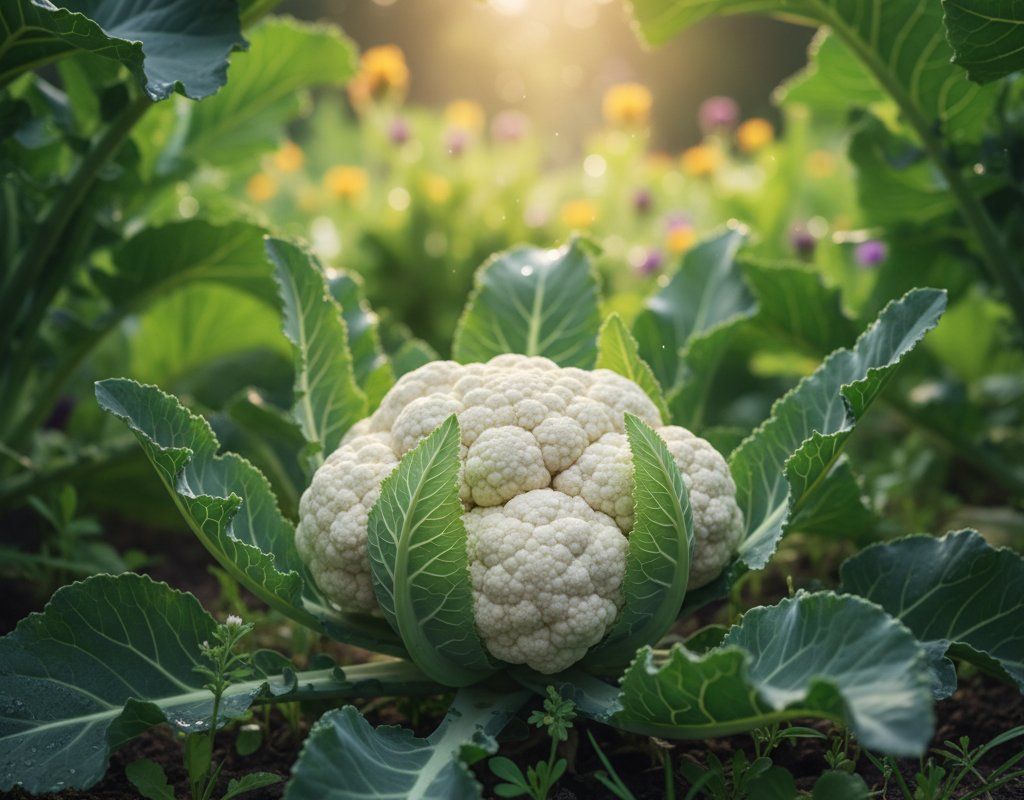
Cauliflower in Zone 4A — Northeast
Brassica oleracea var. botrytis · Your Complete 2026 Planting Guide
Planning Ahead — Great!
You’re ahead of the season. Here’s when to start.
Mark Your Calendar
How to Plant Cauliflower in Zone 4A — Northeast
Here are all your options for getting cauliflower in the ground, from the easiest method to more advanced approaches.
Start Seeds Indoors
RecommendedMid March through early April
around March 20
Then transplant: Early to late May
Start seeds 6-8 weeks before transplanting outdoors.
Cauliflower is fussy. Starting indoors gives you more control.
Buy Starts
Works WellEarly to late May
around May 1
Plant purchased starts after last frost (May 15).
Direct Sow Seeds
ChallengingDirect sowing is not typical for Cauliflower.
Transplant Outdoors
Timing InfoEarly to late May
around May 1
Can tolerate light frost, but wait for soil to be workable.
You have a nice window — no need to rush.
Fall Planting
Early July through early August
July 19 ideal · Transplant for fall harvest
Plant a second crop in mid-summer for fall harvest. Cauliflower actually prefers the cooling temperatures of fall.
Overview
Growing cauliflower in Zone 4A gives you access to those crisp, sweet heads that taste nothing like the grocery store versions. Our cool Northeast nights actually improve cauliflower's flavor and texture, creating dense, white curds with that satisfying crunch. The moderate summer heat here is perfect for this finicky brassica that struggles in hotter climates.
Yes, our 128-day growing season feels short, and late spring frosts can throw off timing. But cauliflower actually thrives in our climate once you understand the rhythm. Start seeds indoors during those chilly March days, transplant after the soil warms in May, and you'll be harvesting gorgeous heads through summer before our first frost hits in mid-September.
Starting Seeds Indoors
Start your cauliflower seeds indoors from mid-March through early April, about six weeks before your last expected frost. This timing works perfectly with our late Northeast springs, giving you strong transplants ready to go out once the soil warms up properly.
Set up seed trays in a warm spot (65-70°F) with good light once they germinate. Bottom watering works especially well for cauliflower seedlings since it prevents damping off and keeps the soil evenly moist without waterlogging. Use a seed starting mix rather than garden soil for better drainage and disease prevention.
Cauliflower is notoriously fussy about transplant shock, so starting indoors gives you much better control than direct seeding ever could in our climate. You'll avoid the temperature swings and unpredictable weather that can stress young plants and cause them to bolt prematurely.
Transplanting Outdoors
Transplant your cauliflower seedlings from early to late May, once soil temperatures stay consistently above 50°F and the threat of hard frost has passed. Our Northeast springs can be unpredictable, so watch the forecast and be ready to protect plants if needed during those last cold snaps.
Harden off seedlings gradually over a full week, starting with just an hour outdoors and building up to full days. This step is crucial in our climate where indoor-grown plants need time to adjust to our cool, often windy spring conditions.
Space plants 18-24 inches apart in rich, well-draining soil. Cauliflower needs room for those large leaves and good air circulation, especially important given our moderate-to-humid summers. Choose a spot with morning sun and some afternoon shade if possible – the moderate heat is fine, but consistent temperatures produce the best heads.
Watering Cauliflower in Zone 4A (Northeast)
Cauliflower demands consistent soil moisture throughout the growing season, and this is where many Northeast gardeners struggle. Unlike our reliable rainfall patterns, cauliflower needs steady, even watering – never bone dry, never waterlogged. Inconsistent moisture causes buttoning, where plants form tiny, useless heads instead of full-sized ones.
Check soil moisture by sticking your finger two inches deep near the base of plants. The soil should feel like a wrung-out sponge. In our typical summer weather, this usually means about an inch of water weekly, including rainfall. During our humid spells, you might water less frequently, while dry stretches require more attention.
Water at the base of plants rather than overhead to avoid encouraging fungal diseases in our moderate-to-humid conditions. The leaves are large enough to shed rain naturally, but extra moisture sitting on foliage during humid Northeast summers invites problems. Early morning watering gives plants time to dry before evening.
A two-inch layer of mulch helps maintain that critical even moisture while keeping soil cool during our warmer summer days. Watch for wilting during afternoon heat (even at 82°F) or yellowing lower leaves, both signs of water stress that can ruin your harvest.
🧪Fertilizing Cauliflower
Feeding Schedule
Organic Fertilizer Options
Harvest Time
Your first cauliflower heads will be ready from early July through late August, about 70 days after transplanting. In our Northeast climate, this timing catches the sweet spot between established plants and the approaching fall frost. Look for white, firm, compact heads measuring 6-8 inches across.
Harvest when the curds are tight and pure white, before they start to separate or develop a yellowish tinge. Cut the main stem about six inches below the head with a sharp knife, taking it in the cool morning hours when possible. The head should feel heavy and solid, not loose or spongy.
Unlike some vegetables, cauliflower won't continue ripening once cut, so timing matters. Check your plants every few days once heads start forming – they can go from perfect to overripe quickly during our warm July and August weather.
As first frost approaches in mid-September, harvest any remaining heads regardless of size. Small heads are still perfectly edible and often more tender than full-sized ones. You won't get a second harvest from cauliflower plants, so pull them out after harvesting to make room for fall crops.
Common Problems in Zone 4A (Northeast)
Buttoning shows up as tiny, premature heads (1-2 inches) that never develop properly. You'll see small white curds forming when plants are still young and small. This happens when plants get stressed by inconsistent watering, temperature swings, or transplant shock. In our Northeast climate, buttoning often results from those late spring temperature swings or letting soil dry out during summer heat. Keep soil consistently moist and protect transplants from temperature extremes with row covers if needed.
Cabbage worms appear as smooth green caterpillars munching irregular holes in your cauliflower leaves. You'll notice white butterflies fluttering around plants during summer – they're laying eggs that become the problem. The caterpillars blend in perfectly with the leaves and leave dark green droppings behind. Bt spray works extremely well against these pests. Floating row covers prevent the butterflies from laying eggs in the first place, which works perfectly since cauliflower doesn't need pollination.
Heat stress causes loose, ricey heads or complete failure to form heads, even in our moderate Northeast summers. Plants may bolt (go to seed) prematurely when temperatures stay consistently above 80°F, especially if combined with dry soil. This typically happens during late July hot spells. Provide afternoon shade during heat waves and maintain consistent soil moisture. Choose heat-tolerant varieties if your garden gets full, intense sun.
Northeast Specific Challenges: Our moderate heat and moderate-to-humid conditions actually favor cauliflower compared to hotter regions, but the short growing season means timing is everything. Late spring transplanting can push harvest too close to fall frost, while early transplanting risks cold damage that causes buttoning.
Best Companions for Cauliflower
Plant these nearby for healthier Cauliflower and better harvests.


Keep Away From
Companion Planting Details
Plant cauliflower alongside beets and celery, which share similar water needs and don't compete for space since they grow at different levels. Onions make excellent companions because they deter many brassica pests and their upright growth doesn't shade cauliflower leaves. Spinach works well as a quick crop between cauliflower plants early in the season – harvest it before the cauliflower needs the space.
Avoid planting near tomatoes, peppers, or strawberries, which have completely different water and nutrient needs. These heavy feeders will compete with your cauliflower for resources, and tomatoes can harbor diseases that affect brassicas. In our Northeast climate with its moderate humidity, good air circulation between plants is essential, so choose companions that won't create dense, humid microclimates around your cauliflower.
🌸Best Flowers to Plant with Cauliflower
These flowers protect your Cauliflower from pests and attract pollinators for better harvests.




Get a Reminder When It's Time to Plant
We'll email you when key planting windows open for your zone.