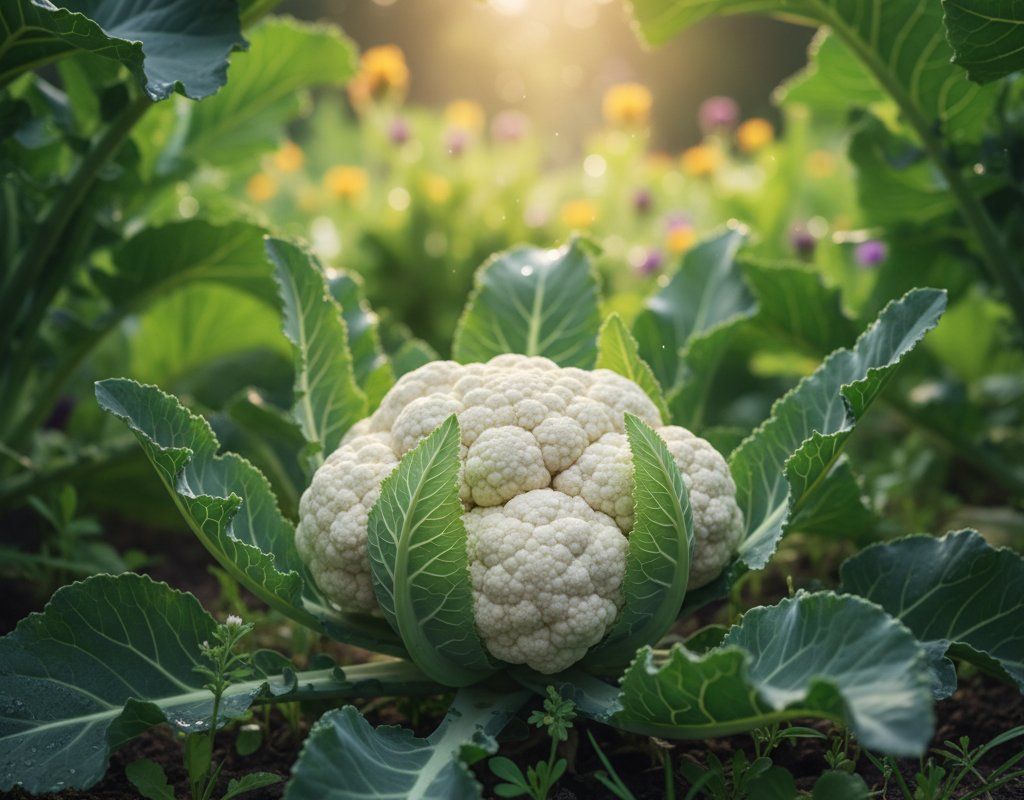
Cauliflower in Zone 4B — Midwest
Brassica oleracea var. botrytis · Your Complete 2026 Planting Guide
Planning Ahead — Great!
You’re ahead of the season. Here’s when to start.
Mark Your Calendar
How to Plant Cauliflower in Zone 4B — Midwest
Here are all your options for getting cauliflower in the ground, from the easiest method to more advanced approaches.
Start Seeds Indoors
RecommendedEarly to late March
around March 15
Then transplant: Late April through late May
Start seeds 6-8 weeks before transplanting outdoors.
Cauliflower is fussy. Starting indoors gives you more control.
Buy Starts
Works WellLate April through late May
around April 26
Plant purchased starts after last frost (May 10).
Direct Sow Seeds
ChallengingDirect sowing is not typical for Cauliflower.
Transplant Outdoors
Timing InfoLate April through late May
around April 26
Can tolerate light frost, but wait for soil to be workable.
You have a nice window — no need to rush.
Fall Planting
Early July through early August
July 24 ideal · Transplant for fall harvest
Plant a second crop in mid-summer for fall harvest. Cauliflower actually prefers the cooling temperatures of fall.
Overview
Growing cauliflower in Zone 4B gives you access to one of the most versatile vegetables in the garden — those pristine white heads transform into everything from roasted steaks to creamy soups. Our Midwest climate actually favors cauliflower production with its fertile soil and adequate rainfall, though the crop does demand attention to timing and consistent moisture.
The key to success lies in working with our 138-day growing season and variable spring weather. Cauliflower can be finicky about temperature swings and drought stress, but starting seeds indoors gives you the control needed to time everything perfectly for our late spring transplant window.
Starting Seeds Indoors
Start your cauliflower seeds indoors during early to late March, about six weeks before your planned transplant date. This timing works perfectly with our moderate-to-late spring character, giving seedlings time to develop sturdy root systems before facing Midwest weather outdoors.
Set up seed trays with quality seed-starting mix in a warm location around 65-70°F. Cauliflower seeds germinate best with consistent warmth from below — try placing trays on top of your water heater or use a heating mat. Once seedlings emerge, move them under grow lights or to your sunniest south-facing window.
Bottom water your seedlings to prevent damping-off disease, which can quickly destroy young cauliflower plants. Keep the soil consistently moist but not soggy, and start fertilizing with diluted liquid fertilizer once the first true leaves appear. Strong, stocky seedlings transplant much better than weak, stretched ones.
Transplanting Outdoors
Plan to transplant your cauliflower seedlings outdoors from late April through late May, after our soil has warmed and the risk of hard frost has passed. You want soil temperatures consistently above 50°F — cold soil stunts cauliflower growth and can trigger premature buttoning.
Harden off seedlings gradually over a full week before transplanting. Start with just an hour outdoors in filtered light, then increase exposure daily. Our spring weather can swing dramatically, so watch forecasts carefully and be ready to protect plants if unexpected cold threatens.
Space plants 18-24 inches apart in your richest, most fertile soil. Cauliflower needs room for those large heads to develop, and our clay soil tends to compact around crowded plants. Dig in compost if your soil is heavy clay, and consider raised beds for better drainage during our wet spring periods.
Watering Cauliflower in Zone 4B (Midwest)
Cauliflower demands the most consistent watering of any crop in your garden — even brief dry spells trigger buttoning, where plants form tiny, useless heads instead of the large, compact ones you want. With our moderate-to-humid summers and 30-40 inches of annual rainfall, you'll need to supplement natural precipitation regularly.
Check soil moisture daily by inserting your finger 2 inches deep near plant bases. The soil should feel like a wrung-out sponge — moist but not soggy. During our typical summer heat spells reaching 86°F, cauliflower needs about 1.5 inches of water per week, including rainfall. Water deeply twice per week rather than daily light sprinklings.
Always water at the base of plants rather than overhead, especially given our moderate humidity levels that can promote fungal diseases on wet foliage. Early morning watering gives plants time to dry before evening, reducing disease pressure. Signs of underwatering include wilted outer leaves and premature flowering, while overwatering shows as yellowing leaves and stunted growth.
Apply a 2-3 inch layer of straw or grass clipping mulch around plants to maintain consistent soil moisture and reduce your watering workload. Our wet summers can make mulch management tricky — pull it back slightly if you notice slug problems or fungal issues developing.
🧪Fertilizing Cauliflower
Feeding Schedule
Organic Fertilizer Options
Harvest Time
Your first cauliflower heads will be ready from early July through late August, depending on your transplant timing and summer weather patterns. Look for white, firm, compact heads measuring 6-8 inches across with tightly packed curds that haven't started to separate or show yellow discoloration.
Cut heads with a sharp knife at the base, leaving the outer leaves intact if you want to try for smaller secondary heads (though these rarely size up well in our climate). Harvest in the morning when heads are crisp and cool — afternoon heat makes them less flavorful and reduces storage life.
Unlike some vegetables, cauliflower won't continue ripening once cut, so timing is critical. Check plants every other day during peak season since heads can go from perfect to overripe quickly during summer heat spells. A mature head left too long will start to "rice" — the smooth curds separate into grainy, loose florets.
As our first frost approaches in late September, harvest any remaining heads regardless of size. Even small heads are useful in stir-fries or soups, and cauliflower has zero frost tolerance once those white heads are exposed.
Common Problems in Zone 4B (Midwest)
Buttoning (Premature Small Heads) Small, button-sized heads form instead of full-sized ones, usually accompanied by stressed-looking plants. This happens when cauliflower experiences stress from inconsistent watering, temperature swings, or transplant shock — all common with our variable spring weather and summer heat spells. Prevent buttoning by maintaining consistent soil moisture, transplanting only after soil warms, and providing shade cloth during extreme heat. Once buttoning occurs, there's no fix for that plant.
Cabbage Worms Smooth green caterpillars create irregular holes in leaves, leaving dark green droppings behind. You'll often see white butterflies hovering around plants before the damage appears. These pests thrive in our humid summers and can have multiple generations. Spray with Bt (Bacillus thuringiensis) every 7-10 days during peak season, or use floating row covers to prevent egg-laying. Hand-picking works well for small infestations, and interplanting with aromatic herbs like thyme can help deter the butterflies.
Heat Stress Leaves curl, heads develop unevenly, or plants bolt prematurely to seed during summer heat spells. Our typical 86°F highs combined with high humidity can overwhelm cauliflower, especially varieties not bred for heat tolerance. Provide afternoon shade during heat waves, increase watering frequency, and choose heat-tolerant varieties for summer plantings. Shade cloth (30-50%) can make the difference between success and failure during July heat.
Midwest Specific Challenges: Our wet summers create perfect conditions for fungal diseases, while clay soil can lead to waterlogged roots during heavy rainfall periods. The combination of heat and humidity stresses cauliflower more than dry heat would, so focus on air circulation and consistent (but not excessive) moisture.
Best Companions for Cauliflower
Plant these nearby for healthier Cauliflower and better harvests.


Keep Away From
Companion Planting Details
Plant cauliflower alongside beets and celery, which have similar water needs and won't compete aggressively for nutrients in our fertile soil. Onions make excellent companions by deterring cabbage flies and other pests, while their shallow roots don't interfere with cauliflower's deeper feeding zone. Spinach works well as a living mulch early in the season, helping conserve moisture during our variable spring weather.
Avoid planting tomatoes, peppers, or strawberries near cauliflower. These crops have different watering schedules that conflict with cauliflower's need for consistent moisture, and tomatoes can shade out cauliflower during our peak summer growing period when both crops need maximum sun exposure.
🌸Best Flowers to Plant with Cauliflower
These flowers protect your Cauliflower from pests and attract pollinators for better harvests.




Get a Reminder When It's Time to Plant
We'll email you when key planting windows open for your zone.