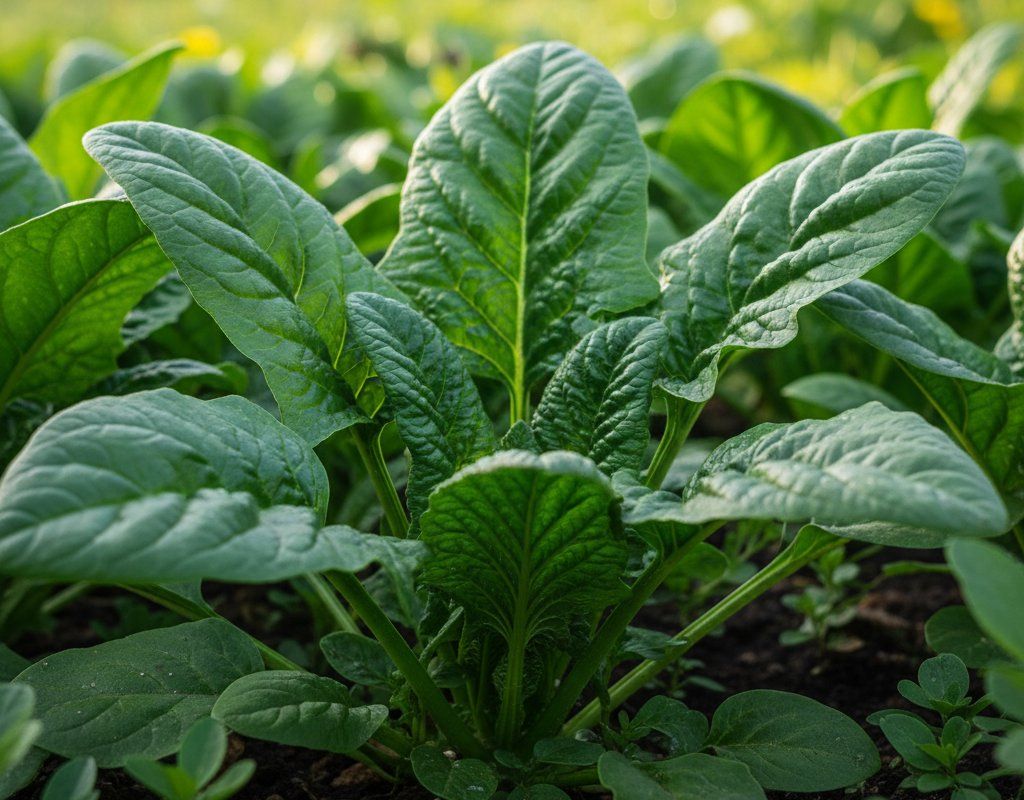
Spinach in Zone 4B — Midwest
Spinacia oleracea · Your Complete 2026 Planting Guide
Planning Ahead — Great!
You’re ahead of the season. Here’s when to start.
Mark Your Calendar
How to Plant Spinach in Zone 4B — Midwest
Here are all your options for getting spinach in the ground, from the easiest method to more advanced approaches.
Direct Sow Seeds
RecommendedLate March through early August
around March 29
Consider succession planting every 2-3 weeks for continuous harvest.
Spinach loves cold soil. Direct sow as soon as ground can be worked.
Start Seeds Indoors
RecommendedEarly to late March
around March 15
Then transplant: Mid April through late May
Start seeds 4-6 weeks before transplanting outdoors.
Buy Starts
Works WellMid April through late May
around April 12
Plant purchased starts after last frost (May 10).
Transplant Outdoors
Timing InfoMid April through late May
around April 12
Can tolerate light frost, but wait for soil to be workable.
You have a nice window — no need to rush.
Fall Planting
Late July through late August
August 14 ideal · Direct sow for fall harvest
Plant a second crop in mid-summer for fall harvest. Spinach actually prefers the cooling temperatures of fall.
Overview
Spinach is one of the most rewarding leafy greens for Midwest gardens, giving you fresh, nutrient-dense leaves that make store-bought spinach taste like cardboard. Here in Zone 4B, our cool springs and falls create perfect conditions for this cold-loving crop, while our fertile soil produces tender leaves with excellent flavor. You can grow both baby spinach for salads and full-size leaves for cooking, making it incredibly versatile in the kitchen.
Our Midwest weather can throw some curveballs with variable spring temperatures and summer heat spells that can stress cool-season crops. But spinach is remarkably hardy and actually thrives in cooler conditions that would slow down tomatoes and peppers. With our 138-day growing season, you have plenty of time for both spring and fall crops, and the timing is forgiving enough that even beginning gardeners can succeed.
Starting Seeds Indoors
Starting spinach indoors isn't the most common approach since this crop handles cold so well, but it makes sense if you want to get a jump on the season or have limited outdoor space for succession planting. Start your seeds in early to late March, about 4 weeks before you plan to transplant outdoors. Our moderate-to-late spring start means you're not racing against time like gardeners in shorter-season zones.
Use standard seed trays with good drainage and keep the soil temperature around 60-70°F for best germination. Spinach seeds can be a bit slow to sprout, so be patient and keep the soil consistently moist using bottom watering rather than overhead watering. This prevents the seeds from washing around and reduces the risk of damping-off disease.
Once seedlings emerge, they need bright light to prevent getting leggy. A sunny south-facing window works, but grow lights give more consistent results during our sometimes cloudy March weather. The seedlings are quite hardy and don't need babying once they're established.
Transplanting Outdoors
Transplant your indoor-started spinach seedlings from mid-April through late May, timing it around when you'd plant other cool-season crops. These plants can handle light frost, so you don't need to wait until Memorial Day like you would with tomatoes or peppers. Our spring weather can be variable, so watch the forecast for any late hard freezes that might damage young plants.
Harden off your seedlings for about a week by gradually increasing their time outdoors. Start with a few hours in a protected spot and work up to full days outside. This helps them adjust to outdoor conditions including wind and temperature swings. Space transplants 4-6 inches apart in rows, giving them room to develop full rosettes without crowding.
Choose a spot that gets morning sun but some afternoon shade if possible, especially for plantings that will be growing during our warmer late spring weather. The soil should be workable and not waterlogged from spring rains. If your clay soil is still too wet to work comfortably, wait a few more days rather than compacting it by walking on it.
Direct Sowing
Direct sowing is actually the preferred method for spinach in the Midwest since these plants love cold soil and handle frost beautifully. You can start sowing from late March through early August, making this one of the most flexible crops in your garden. The key is getting seeds in the ground as soon as your soil can be worked in spring, even when night temperatures are still dropping into the 30s.
Spinach germinates best in cool soil temperatures between 45-65°F, which is exactly what we have in early spring here. Work some compost into your planting area if your clay soil is heavy, but don't over-amend since spinach isn't particularly fussy. Sow seeds about half an inch deep and 4-6 inches apart, or plant more densely and thin as the plants grow.
For continuous harvests, sow new rows every 2-3 weeks through the spring, then take a break during the hottest part of summer. Resume succession planting in late July through late August for fall crops that will thrive in our cooling September weather. Fall spinach often tastes even better than spring crops since the plants develop more slowly in the shortening days.
Watering Spinach in Zone 4B (Midwest)
Spinach needs consistent moisture to produce tender leaves and prevent premature bolting, but our moderate-to-humid Midwest summers and 30-40 inches of annual rainfall mean you won't be constantly fighting drought like gardeners in drier regions. The key is maintaining even soil moisture without waterlogging, especially important in our clay soils that can hold water longer than sandy soils.
Water deeply once or twice per week during dry spells, providing about 1-1.5 inches total including rainfall. Check soil moisture by sticking your finger 2 inches deep near the plants – if it feels dry at that depth, it's time to water. Our moderate summer humidity helps reduce water loss from leaves, but it also means overhead watering can promote disease problems like downy mildew.
Water at the base of plants using soaker hoses or drip irrigation when possible, especially during humid periods. Morning watering is ideal since it gives leaves time to dry before evening, reducing disease pressure. During summer heat spells when temperatures climb into the upper 80s, extra water helps keep the soil cool and prevents stress that triggers bolting.
Apply a 2-3 inch layer of organic mulch around plants to conserve moisture and keep soil temperatures stable. Straw or shredded leaves work well in our climate and break down to improve soil structure. In our wet summers, pull mulch slightly away from plant stems to improve air circulation and prevent rot issues.
🧪Fertilizing Spinach
Feeding Schedule
Organic Fertilizer Options
Harvest Time
Your first spinach harvest will be ready from early May through early October, depending on when you planted and whether you're growing spring or fall crops. With spinach's 40-day maturity, spring plantings made in late March will be ready by early May, while fall plantings can produce well into October until our first frost around late September.
Start harvesting when outer leaves reach 3-4 inches long, cutting individual leaves at the base with clean scissors or a sharp knife. This "cut and come again" method keeps plants producing new leaves from the center for several weeks. You can also harvest baby spinach when leaves are just 2 inches long for tender salad greens, though yields will be lower.
For larger harvests, cut the entire rosette about 1 inch above soil level, leaving the growing point intact. Plants will regrow from the center, giving you a second or even third cutting before they eventually bolt or decline. This works particularly well with fall crops since cooler weather slows bolting and extends the harvest window.
As first frost approaches in late September, harvest any remaining plants completely since spinach won't survive our winter outdoors. The leaves actually get sweeter after light frosts, so don't rush to harvest at the first forecast of freezing weather. Plants can handle temperatures down to about 25°F before serious damage occurs.
Common Problems in Zone 4B (Midwest)
Bolting shows up as a tall flower stalk shooting up from the center of the plant, usually accompanied by leaves that become increasingly bitter and tough. Once bolting starts, the plant shifts all its energy to seed production rather than making tender leaves. In the Midwest, this typically happens during summer heat spells when temperatures stay consistently above 75°F, combined with our longer June and July days that trigger the flowering response. Prevent bolting by timing plantings for cooler weather, providing afternoon shade during hot spells, and keeping soil consistently moist. Choose slow-bolt varieties like 'Space' or 'Olympia' for plantings that might face warm weather.
Downy mildew appears as yellow patches on leaf tops with fuzzy gray-purple growth on the undersides, eventually causing leaves to brown and die from the bottom up. This fungal disease thrives in our moderate-to-humid summer conditions, especially during periods of cool nights and warm days with heavy dew or light rain. Remove affected leaves immediately and improve air circulation by proper spacing and avoiding overhead watering. Water at the base of plants early in the day so leaves dry quickly, and consider copper-based fungicides for prevention during particularly humid periods.
Leaf miners create winding, pale trails or blotches in spinach leaves where tiny larvae tunnel between the leaf surfaces. These small flies lay eggs on leaves, and the hatching larvae feed inside the leaf tissue, creating unsightly damage that makes leaves unmarketable even though they're still edible. Remove affected leaves promptly and destroy them rather than composting. Floating row covers during peak fly activity (typically late spring and early fall) provide excellent prevention, and beneficial insects like parasitic wasps help control populations naturally.
Midwest Specific Challenges: Our moderate-to-humid summers create ideal conditions for fungal diseases, while summer heat spells can trigger unexpected bolting even in supposedly bolt-resistant varieties. The combination of clay soil that holds moisture with humid air means paying extra attention to spacing and air circulation. However, our reliable rainfall and fertile soil also mean spinach grows vigorously when conditions are right, often outgrowing minor pest and disease problems.
Best Companions for Spinach
Plant these nearby for healthier Spinach and better harvests.

Keep Away From
Companion Planting Details
Spinach pairs beautifully with strawberries in Midwest gardens since both prefer cool conditions and similar soil moisture levels. The strawberries provide a living mulch that helps keep spinach roots cool during warm spells, while the spinach's quick growth fills space between young strawberry plants. Plant spinach between rows of peas and beans since these legumes fix nitrogen that feeds the spinach, and all three crops prefer our cool spring weather.
Brassicas like lettuce, arugula, and Asian greens make excellent companions since they share similar growing requirements and pest problems, making management easier. Avoid planting spinach near tall, spreading plants that might shade it excessively, though in our moderate-to-hot summer conditions, a little afternoon shade can actually be beneficial. The compact rosette growth habit means spinach doesn't interfere with neighboring plants, making it easy to tuck into corners of beds or use as a quick filler crop.
🌸Best Flowers to Plant with Spinach
These flowers protect your Spinach from pests and attract pollinators for better harvests.
For Pest Control




Get a Reminder When It's Time to Plant
We'll email you when key planting windows open for your zone.