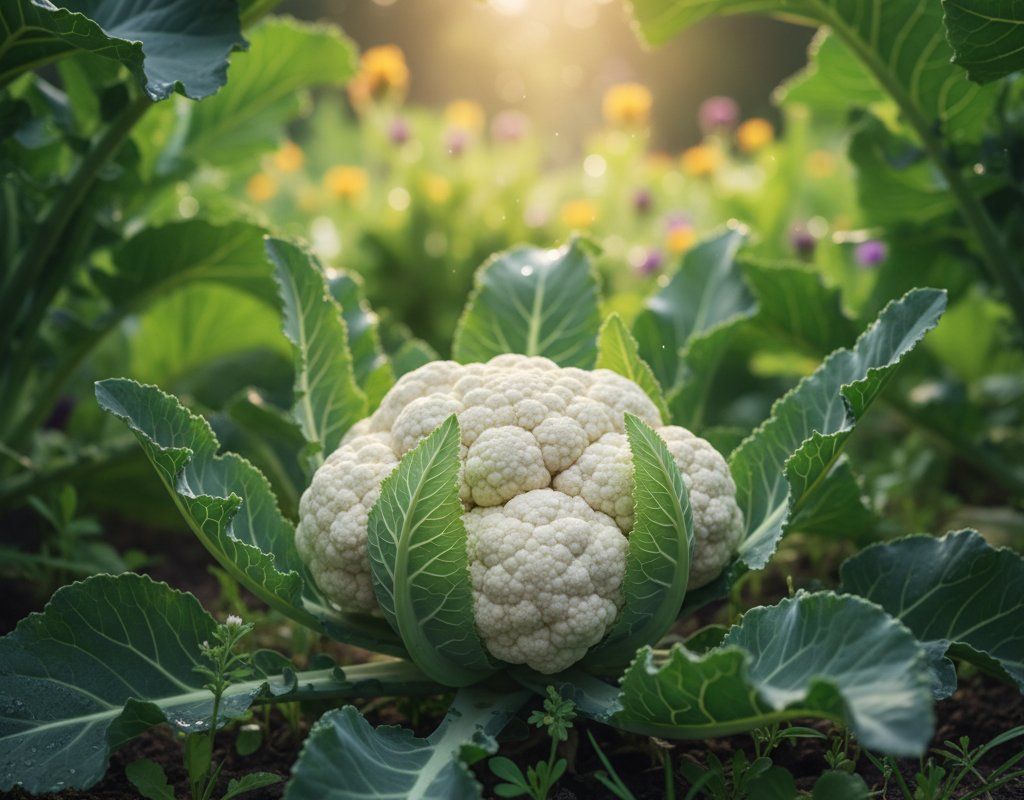
Cauliflower in Zone 4B — Great Plains
Brassica oleracea var. botrytis · Your Complete 2026 Planting Guide
Ideal Time: Start Seeds Indoors!
This is the perfect time for the biggest, best harvest.
Start Seeds Now
- Start seeds in trays or pots with seed-starting mix
- Keep soil moist and warm (70-80°F)
- Transplant outdoors Late April through mid May
Not Starting from Seed?
Buy starts around April 21 — that works great too!
How to Plant Cauliflower in Zone 4B — Great Plains
Here are all your options for getting cauliflower in the ground, from the easiest method to more advanced approaches.
Start Seeds Indoors
RecommendedEarly to late March
around March 10
Then transplant: Late April through mid May
Start seeds 6-8 weeks before transplanting outdoors.
Cauliflower is fussy. Starting indoors gives you more control.
Buy Starts
Works WellLate April through mid May
around April 21
Plant purchased starts after last frost (May 5).
Direct Sow Seeds
ChallengingDirect sowing is not typical for Cauliflower.
Transplant Outdoors
Timing InfoLate April through mid May
around April 21
Can tolerate light frost, but wait for soil to be workable.
You have a nice window — no need to rush.
Fall Planting
Mid July through mid August
July 30 ideal · Transplant for fall harvest
Plant a second crop in mid-summer for fall harvest. Cauliflower actually prefers the cooling temperatures of fall.
Overview
Growing cauliflower in Zone 4B on the Plains gives you those dense, creamy white heads that taste nothing like the grocery store versions – sweet, nutty, and incredibly fresh. Our intense Prairie sunshine and fertile prairie soil create ideal conditions for this cool-season crop, and the low disease pressure here means fewer headaches than gardeners deal with in more humid regions.
The key challenge with cauliflower in our climate is timing it right around our variable spring weather and hot summers. With our 149-day growing season and those famous temperature swings, starting indoors gives you the control you need to get strong transplants ready when conditions are right. Once you nail the timing, cauliflower becomes surprisingly manageable.
Starting Seeds Indoors
Start your cauliflower seeds indoors from early to late March, about 6 weeks before you plan to transplant them outside. This gives you complete control over their early development, which matters a lot since cauliflower seedlings are fussy about temperature and moisture.
Set up seed trays with good seed-starting mix in a warm spot – around 65-70°F works well. Once seeds germinate (usually within a week), move them under grow lights or to your brightest south-facing window. Bottom watering works best for cauliflower seedlings since they're prone to damping off if their stems stay too wet.
Our variable spring weather makes indoor starting even more valuable here on the Plains. While it might be 70°F one day and 40°F the next outside, your seedlings are developing strong root systems in consistent conditions. By transplant time, they'll be sturdy enough to handle whatever our spring throws at them.
Transplanting Outdoors
Transplant your cauliflower seedlings outside from late April through mid-May, once nighttime temperatures consistently stay above 40°F. The key word here is "consistently" – those late cold snaps can set cauliflower back significantly or cause them to bolt early.
Harden off your seedlings gradually over about a week, starting with just an hour or two of outdoor time in a sheltered spot. Our Plains wind can be particularly tough on tender transplants, so choose a calm day for the final move outdoors. Space plants 18-24 inches apart – they need room for those large heads and good air circulation.
Plant them slightly deeper than they were in their containers, and water them in well. If you're expecting strong winds or a late cold snap right after transplanting, temporary protection with row covers or even upturned buckets can save your crop.
Watering Cauliflower in Zone 4B (Great Plains)
Cauliflower has zero tolerance for inconsistent watering – it's the fastest way to end up with tiny, premature heads (called buttoning) instead of the large, dense heads you're after. Keep the soil evenly moist but not waterlogged, which can be tricky with our variable Prairie rainfall.
Check soil moisture by sticking your finger 2 inches down. If it's dry at that depth, it's time to water. During our typical hot summers with highs around 93°F, plan on about 1-1.5 inches of water per week, including any rainfall you get. Our low-to-moderate humidity means plants lose moisture faster than in more humid climates.
Water at the base of plants rather than overhead, especially as heads start forming. Overhead watering can lead to rot in the developing curds. Since our rainfall is so variable (anywhere from 15-35 inches annually), you'll need to stay flexible – some weeks you'll water twice, other weeks the weather does it for you.
A 2-3 inch layer of organic mulch around plants helps maintain consistent soil moisture and keeps roots cool during our intense summer heat. Grass clippings work well here, or shredded leaves if you have them. Just keep mulch a few inches away from the plant stems to prevent pest issues.
🧪Fertilizing Cauliflower
Feeding Schedule
Organic Fertilizer Options
Harvest Time
Your first cauliflower heads will be ready from late June through mid-August, about 70 days from transplanting. Look for heads that are 6-8 inches across, pure white (or the appropriate color for colored varieties), and still tightly packed with no separation between the curds.
Harvest in the morning when heads are cool and firm. Cut the main stem about 6 inches below the head with a sharp knife, leaving some outer leaves attached to protect the head during storage. Unlike some vegetables, cauliflower heads won't continue ripening once cut, so timing is crucial.
Check your plants every few days once heads start forming – cauliflower can go from perfect to past its prime quickly, especially during hot spells. If you notice the curds starting to separate or turn yellow/purple, harvest immediately even if the head seems smaller than you'd like.
With our first frost typically arriving in early October, any late-developing heads need to be harvested before then. Green heads can sometimes be salvaged by cutting the entire plant and hanging it upside down in a cool, dark place for a week or two to see if the head will finish developing.
Common Problems in Zone 4B (Great Plains)
Buttoning (Premature Small Heads) Small, loose heads that form too early, often only 2-3 inches across instead of the 6-8 inches you want. The plant basically gives up and tries to reproduce before reaching full size.
This happens when plants experience stress – usually from inconsistent watering, temperature swings, or being transplanted too late into hot weather. Our Plains temperature extremes make this especially common if timing is off. Once a plant buttons, that head won't get bigger.
Prevent buttoning by maintaining consistent soil moisture and transplanting at the right time. If temperatures spike above 80°F for several days after transplanting, provide some afternoon shade with row covers. Choose heat-tolerant varieties if you're pushing the season.
Cabbage Worms Smooth green caterpillars about an inch long that chew irregular holes in leaves, leaving dark green droppings behind. You'll often see white butterflies (cabbage whites) hovering around your plants – they're laying eggs that become these pests.
These are larvae of cabbage white butterflies, and they can have multiple generations per season. Our low disease pressure environment unfortunately doesn't slow down these particular pests much.
Bt spray (Bacillus thuringiensis) is extremely effective against cabbage worms and won't harm beneficial insects. Apply every 7-10 days while butterflies are active. Floating row covers prevent egg-laying entirely but need to be removed if temperatures get too high. You can also handpick caterpillars – check the undersides of leaves where they often hide during the day.
Heat Stress Leaves turn purple or bronze, growth slows dramatically, and heads may develop loose, ricey curds instead of tight, smooth ones. Plants look generally unhappy and may bolt prematurely.
Our Plains summers can hit 93°F regularly, which is pushing cauliflower's comfort zone. Add in our intense sunshine and drying winds, and even well-watered plants can struggle.
Provide afternoon shade during the hottest part of summer with shade cloth or tall companion plants. Mulch heavily to keep roots cool, and never let soil dry out completely. Plant heat-tolerant varieties, or focus your main crop on spring harvests with a smaller fall planting after the worst heat passes.
Great Plains Specific Challenges: Our combination of hot summers, intense sun, and variable moisture makes cauliflower more challenging than in cooler climates. The key is excellent timing and consistent moisture – get it right, and our fertile prairie soil and low disease pressure give you an advantage many other regions don't have.
Best Companions for Cauliflower
Plant these nearby for healthier Cauliflower and better harvests.


Keep Away From
Companion Planting Details
Plant cauliflower with beets, celery, onions, and spinach for the best results in Plains conditions. Beets and spinach make excellent companions because they mature quickly and don't compete for space while your cauliflower heads are developing. Onions planted around the edges help deter cabbage worms and other pests with their strong scent, while celery appreciates the same consistent moisture that cauliflower needs.
Avoid planting tomatoes, peppers, or strawberries near your cauliflower. These plants attract different pests and have different watering needs that can interfere with the consistent care cauliflower requires. In our variable Plains climate, it's especially important to group plants with similar water and care requirements together – cauliflower needs steady attention, and you don't want to compromise that for plants that prefer drier conditions.
🌸Best Flowers to Plant with Cauliflower
These flowers protect your Cauliflower from pests and attract pollinators for better harvests.



Get a Reminder When It's Time to Plant
We'll email you when key planting windows open for your zone.