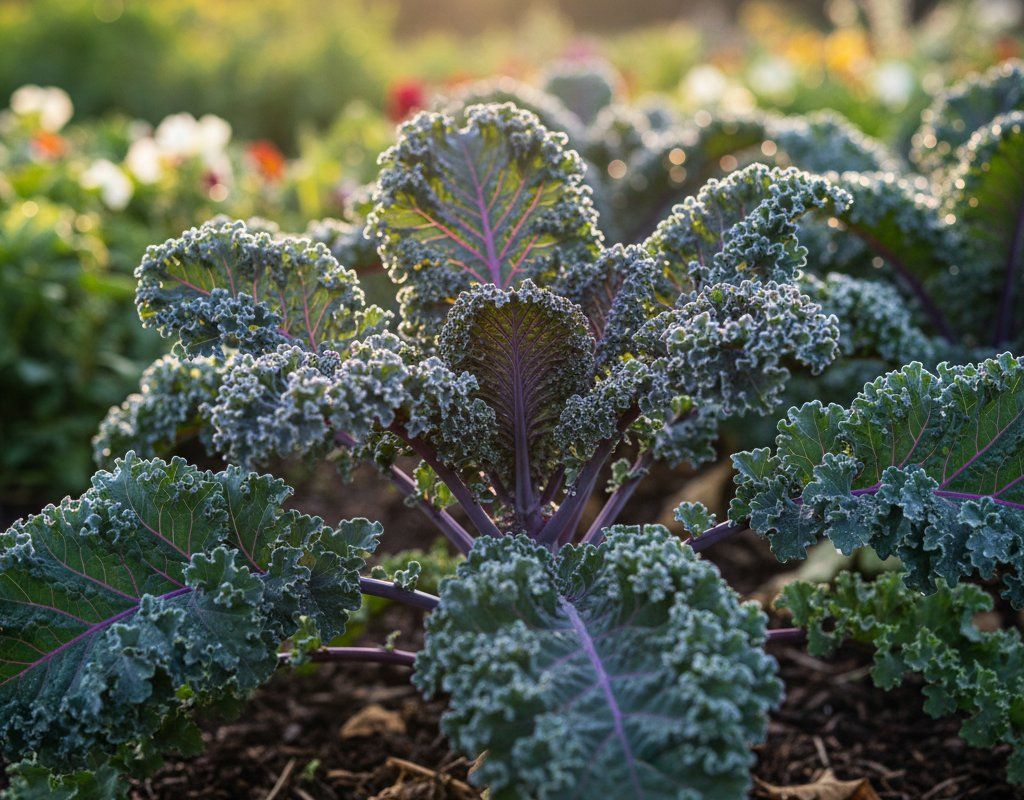
Kale in Zone 4B — Great Plains
Brassica oleracea var. sabellica · Your Complete 2026 Planting Guide
Planning Ahead — Great!
You’re ahead of the season. Here’s when to start.
Mark Your Calendar
How to Plant Kale in Zone 4B — Great Plains
Here are all your options for getting kale in the ground, from the easiest method to more advanced approaches.
Direct Sow Seeds
RecommendedEarly April through late July
around April 7
Consider succession planting every 2-3 weeks for continuous harvest.
Hardy and easy to direct sow in spring or late summer for fall harvest.
Start Seeds Indoors
RecommendedMid March through early April
around March 24
Then transplant: Late April through mid May
Start seeds 4-6 weeks before transplanting outdoors.
Buy Starts
Works WellLate April through mid May
around April 21
Plant purchased starts after last frost (May 5).
Transplant Outdoors
Timing InfoLate April through mid May
around April 21
Can tolerate light frost, but wait for soil to be workable.
You have a nice window — no need to rush.
Fall Planting
Mid July through mid August
July 30 ideal · Direct sow for fall harvest
Plant a second crop in mid-summer for fall harvest. Kale actually prefers the cooling temperatures of fall.
Overview
Kale thrives in our Great Plains climate, delivering some of the best-tasting greens you'll grow. The cool nights and intense Prairie sunshine create perfect conditions for sweet, tender leaves, while our naturally fertile prairie soil gives these nutrient-dense plants everything they need. Unlike the tough, bitter kale from grocery stores, homegrown varieties stay sweet and crisp well into our hot summers when given adequate moisture.
Yes, our extreme temperature swings and variable rainfall can challenge any crop, but kale's naturally hardy nature makes it surprisingly manageable here. With our 149-day growing season, you have plenty of time for multiple plantings - spring crops that mature before the heat peaks, and fall crops that actually improve in flavor as temperatures drop toward that early October frost.
Starting Seeds Indoors
Starting kale indoors makes sense if you want the earliest possible harvest or need wind protection for young plants. Begin seeds mid-March through early April, about 4 weeks before you plan to transplant outside. Our variable spring weather makes indoor starting a good insurance policy against late cold snaps.
Set up seed trays in a warm spot (65-70°F) with good light - a sunny south window works, though grow lights give more consistent results. Use bottom watering to keep soil evenly moist without disturbing seeds. Kale germinates quickly, usually within a week.
The main advantage here in the Plains is getting sturdy transplants that can handle our spring winds better than direct-sown seedlings. However, kale direct sows so easily that many Plains gardeners skip the indoor step entirely.
Transplanting Outdoors
Move your indoor-started kale outside from late April through mid-May, once soil temperatures stay above 40°F consistently. Before transplanting, harden off seedlings by gradually exposing them to outdoor conditions over a full week - start with just a few hours of morning sun, then increase exposure daily.
Space plants 12-18 inches apart to allow good air circulation in our sometimes humid conditions. Plant on a calm day if possible, since spring winds can stress newly transplanted seedlings. Water deeply after planting and consider temporary wind protection for the first week.
Watch for late temperature swings during transplant season. Young kale can handle light frost, but a sudden drop to the teens can damage plants that haven't fully established. Keep row covers handy for unexpected cold snaps.
Direct Sowing
Direct sowing works beautifully for kale in the Great Plains. Sow seeds from early April through late July, giving you flexibility for both spring and fall crops. The hardy seeds germinate well in cool soil and develop stronger root systems than transplants.
Prepare your bed by working compost into our prairie soil, which usually needs little amendment beyond organic matter. Plant seeds ¼ inch deep and thin seedlings to 12-18 inches apart once they're 3-4 inches tall. Cool soil temperatures (45-65°F) actually improve germination rates.
Direct sowing really shines for fall crops. Mid-July through mid-August sowings mature during our cooler autumn weather, producing the sweetest leaves of the season. These late plantings often outperform spring crops since they develop during ideal growing temperatures.
Watering Kale in Zone 4B (Great Plains)
Kale needs consistent moisture to produce tender, sweet leaves - drought stress quickly turns them tough and bitter. Plan on providing about 1-1.5 inches of water weekly, including any rainfall. Our variable precipitation patterns mean you'll need to supplement regularly during dry spells.
Check soil moisture by sticking your finger 2 inches deep near the plants. In our hot, often windy conditions, the soil surface can look moist while the root zone stays dry. Water deeply at the base of plants rather than overhead - this conserves moisture and reduces disease pressure in our moderate humidity.
During our peak summer heat (those 93°F+ days), kale benefits from morning watering that penetrates deeply before the day's heat kicks in. Mulch around plants with grass clippings or straw to retain moisture, but keep mulch a few inches from stems to maintain air circulation.
Signs of water stress include wilted leaves during the day (even when temperatures are moderate), bitter taste, and premature bolting. Overwatering shows up as yellowing lower leaves and sluggish growth - less common here than in wetter regions, but possible during heavy rain periods.
🧪Fertilizing Kale
Feeding Schedule
Organic Fertilizer Options
Harvest Time
Your first kale harvest typically arrives in early June for spring plantings, continuing through early October if you succession plant. Start picking outer leaves when they reach 8-10 inches long, leaving the central growing point intact for continued production throughout the season.
Harvest in the morning when leaves are crisp and full of moisture. Cut stems close to the main plant using clean scissors or a sharp knife. Regular picking encourages new growth - aim to harvest something every week during peak season to keep plants productive.
The best-tasting kale comes after our first light frosts in early fall. These temperature drops trigger the plant to convert starches to sugars, creating noticeably sweeter, more tender leaves. Fall-planted kale often tastes better than spring crops for this reason.
As that early October hard frost approaches, harvest entire plants or strip all usable leaves. Kale won't survive our winter temperatures, but you can extend the season by a few weeks with row covers during light frost periods.
Common Problems in Zone 4B (Great Plains)
Aphids appear as clusters of tiny green, black, or white soft-bodied insects on stems and leaf undersides. You'll notice sticky honeydew residue and curled or distorted new growth. Our hot summer temperatures create ideal conditions for rapid aphid reproduction - populations can explode seemingly overnight during heat waves. Blast them off with a strong water spray, encourage beneficial insects like ladybugs, or use insecticidal soap for heavy infestations. Avoid high-nitrogen fertilizers, which make plants more attractive to aphids.
Cabbage worms show up as smooth green caterpillars that chew irregular holes in leaves, leaving dark green droppings behind. You'll see white butterflies hovering around plants - these are the adults laying eggs. Multiple generations occur during our long growing season, with worst damage in midsummer. Bt (Bacillus thuringiensis) spray works extremely well against these caterpillars. Floating row covers prevent the butterflies from laying eggs, though you'll need to remove them during hot weather for air circulation.
Flea beetles create tiny round holes in leaves - the classic "shot-hole" pattern. These small, dark beetles jump when disturbed and cause worst damage to young seedlings. Our windy conditions can actually help by making it harder for these weak-flying insects to establish. Protect vulnerable young plants with row covers, delay planting until plants are larger and more resilient, or use kaolin clay coating as a physical barrier.
Great Plains Specific Challenges: Our combination of intense heat and variable rainfall creates stress that makes kale more susceptible to all these pests. Wind-damaged leaves provide entry points for problems, while drought stress weakens plant defenses. However, our low disease pressure compared to humid regions means most kale problems here are pest-related and manageable with good garden hygiene.
Best Companions for Kale
Plant these nearby for healthier Kale and better harvests.

Keep Away From
Companion Planting Details
Plant kale near beets and onions for natural pest management - onions repel many insects that bother brassicas, while beets don't compete for the same soil nutrients. Celery makes an excellent neighbor since it needs similar moisture levels and helps utilize vertical garden space efficiently. Potatoes work well as companions because their underground growth doesn't interfere with kale's surface root system, and both crops appreciate consistent watering schedules.
Avoid planting kale near tomatoes, peppers, or strawberries. These heat-loving crops need different watering schedules than kale, and tomatoes can harbor pests like aphids that easily migrate to your greens. In our Plains climate where water management is crucial, grouping plants with similar moisture needs makes irrigation much more efficient and reduces plant stress during our inevitable dry spells.
🌸Best Flowers to Plant with Kale
These flowers protect your Kale from pests and attract pollinators for better harvests.




Get a Reminder When It's Time to Plant
We'll email you when key planting windows open for your zone.