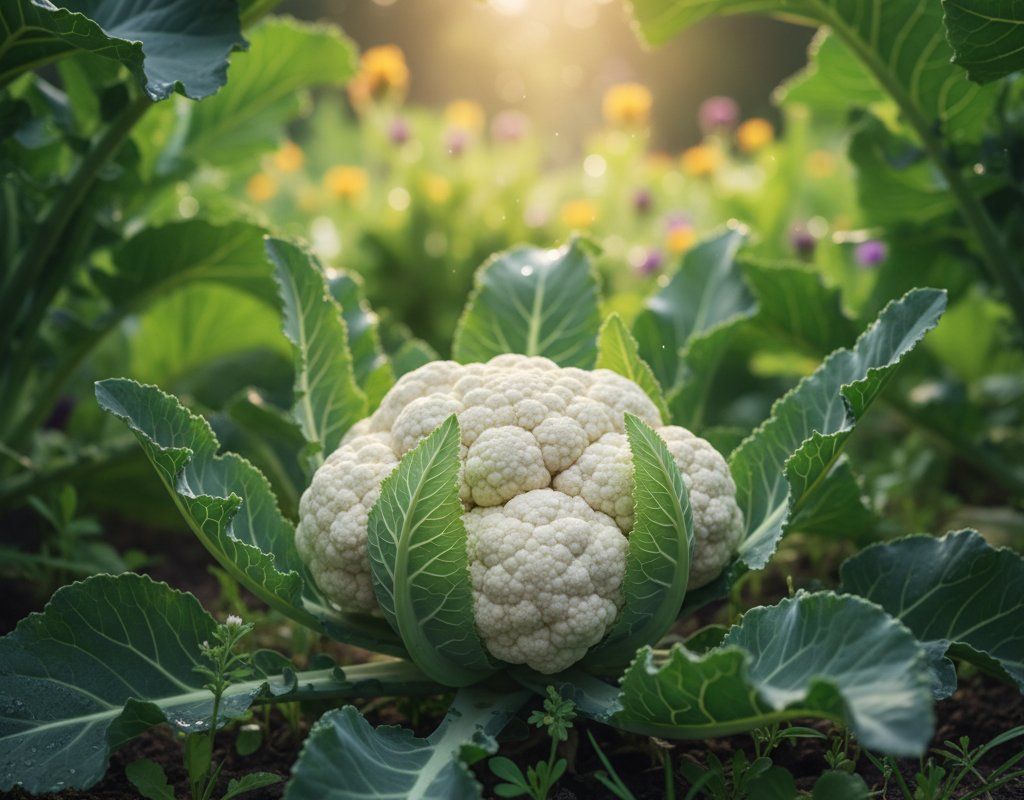
Cauliflower in Zone 5B — Mid-Atlantic
Brassica oleracea var. botrytis · Your Complete 2026 Planting Guide
Last Call for Seed Starting!
Indoor seed starting window closes in 5 days.
Start Seeds This Week
Start seeds now for transplanting later.
Or Wait for Starts
If you don’t want to start seeds, starts will be available around April 6.
How to Plant Cauliflower in Zone 5B — Mid-Atlantic
Here are all your options for getting cauliflower in the ground, from the easiest method to more advanced approaches.
Start Seeds Indoors
RecommendedMid February through early March
around February 23
Then transplant: Early April through early May
Start seeds 6-8 weeks before transplanting outdoors.
Cauliflower is fussy. Starting indoors gives you more control.
Buy Starts
Works WellEarly April through early May
around April 6
Plant purchased starts after last frost (April 20).
Direct Sow Seeds
ChallengingDirect sowing is not typical for Cauliflower.
Transplant Outdoors
Timing InfoEarly April through early May
around April 6
Can tolerate light frost, but wait for soil to be workable.
You have a nice window — no need to rush.
Fall Planting
Late July through late August
August 13 ideal · Transplant for fall harvest
Plant a second crop in mid-summer for fall harvest. Cauliflower actually prefers the cooling temperatures of fall.
Overview
Cauliflower is one of those crops that rewards Mid-Atlantic gardeners with incredibly flavorful, creamy white heads that put grocery store versions to shame. Our four distinct seasons and reliable rainfall create ideal conditions for this cool-season brassica, and there's something deeply satisfying about cutting your own perfect head after months of careful tending. The versatility alone makes it worth the effort — from roasted cauliflower steaks to creamy soups that showcase that sweet, nutty flavor you can only get from homegrown.
Yes, cauliflower has a reputation for being fussy, and our humid summers and variable spring weather can present challenges. But with our 178-day growing season, you have plenty of flexibility to time plantings for cooler weather when cauliflower truly thrives. Start seeds indoors during late winter's chill, transplant after our last frost risk passes, and you'll be harvesting beautiful heads before the summer heat really kicks in.
Starting Seeds Indoors
Starting cauliflower seeds indoors is absolutely the way to go in the Mid-Atlantic — this crop is too fussy for direct sowing, and indoor starting gives you complete control over those critical early weeks. Begin sowing seeds from mid-February through early March, about 6 weeks before you plan to transplant outdoors. Our moderate spring start means you don't need to rush, but don't wait too long either.
Set up your seed trays in a warm spot (65-70°F) with good light once seedlings emerge. Cauliflower seeds germinate well, but the seedlings need consistent conditions to develop properly. Use bottom watering to keep soil evenly moist without disturbing the delicate stems — this is especially important since cauliflower gets stressed easily, and stress early on can cause problems later.
Keep your seedlings under grow lights or in a bright south window, maintaining steady moisture and temperatures. These plants don't like temperature swings, so avoid placing trays near heat vents or drafty windows during our variable late winter weather.
Transplanting Outdoors
Plan to transplant your cauliflower seedlings from early April through early May, timing it for after our last frost risk (typically around mid-April) but while the weather stays cool. You want to get them established before the heat of summer arrives, as cauliflower much prefers our spring temperatures to summer's warmth. Start hardening off seedlings about a week before transplant date by gradually exposing them to outdoor conditions.
Space transplants 18 to 24 inches apart — cauliflower needs room to develop those large leaves that protect the forming head. Choose a spot with morning sun and some afternoon protection if possible, as this helps during our warmer late spring days. Our clay soil actually works well for brassicas once you've amended it, as they appreciate the moisture retention.
Watch the weather forecast carefully during transplant time, as our spring can throw temperature swings your way. Have row covers ready for unexpected cold snaps, and be prepared to provide some shade during those surprisingly warm April days that can stress newly transplanted seedlings.
Watering Cauliflower in Zone 5B (Mid-Atlantic)
Consistent moisture is absolutely critical for cauliflower success in the Mid-Atlantic — this crop is incredibly sensitive to watering stress, and any drought periods will cause "buttoning" where you get tiny, premature heads instead of the large ones you're hoping for. Our even rainfall helps, but you'll still need to supplement regularly to maintain that steady moisture level cauliflower demands.
Check soil moisture with the finger test, pushing down about 2 inches deep near the base of plants. The soil should feel consistently moist but not waterlogged. During our moderate-to-hot summer weather (typical highs around 88°F), plan on providing about 1-1.5 inches of water per week if rainfall doesn't cover it. Our humid conditions mean you want to water at the base rather than overhead to reduce disease pressure on those broad leaves.
Watch for signs of water stress: wilting during the day (even with moist soil) often means the plant can't take up water fast enough in heat, while yellowing lower leaves usually indicates inconsistent watering. During our typically dry late summer periods, increase watering frequency rather than amount — better to water deeply every few days than little bits daily.
Apply a 2-3 inch layer of organic mulch around plants to help maintain that even moisture in our clay soil. This is especially important as summer humidity kicks in, as the mulch helps prevent that wet-dry cycle that cauliflower absolutely hates.
🧪Fertilizing Cauliflower
Feeding Schedule
Organic Fertilizer Options
Harvest Time
Your first cauliflower heads should be ready from mid-June through early August, about 70 days from transplant. Look for white, firm, compact heads that measure 6-8 inches across — the individual curds should be tight together without any gaps or yellowing starting to show. Once you see the curds beginning to separate or any discoloration creeping in, it's past prime.
Cut the entire head at the base with a sharp knife, leaving the outer leaves intact. Unlike some crops, cauliflower won't produce secondary heads, so each plant gives you one main harvest. The timing window is fairly narrow — maybe a week or two at most once heads reach full size — so check your plants daily once they start forming heads.
As your growing season progresses into late summer, keep an eye on any late plantings that might still be developing as our first frost approaches (typically mid-October). Cauliflower can handle light frosts, but a hard freeze will damage those exposed heads. If frost threatens before heads fully mature, you can harvest slightly smaller heads or cover plants with row covers to buy extra time.
The satisfaction of cutting your own perfect cauliflower head, especially one that's been growing through our challenging summer humidity, makes all that careful watering and attention worthwhile.
Common Problems in Zone 5B (Mid-Atlantic)
Buttoning shows up as tiny, premature heads (2-3 inches across) that develop way too early instead of the large heads you're expecting. You'll see the white curds forming when the plant still looks small and the leaves haven't fully developed. This happens when cauliflower gets stressed by inconsistent watering, temperature fluctuations, or being transplanted too late into warm weather. In the Mid-Atlantic, our variable spring temperatures and tendency toward dry spells in late spring often trigger this issue. Prevent buttoning by maintaining consistent soil moisture, transplanting while weather stays cool, and choosing heat-tolerant varieties for any late plantings.
Cabbage worms appear as smooth green caterpillars munching irregular holes through your cauliflower leaves, leaving dark green droppings behind. You'll often see white butterflies fluttering around your plants during the day — these are laying eggs that become the problematic caterpillars. Our humid summers create perfect conditions for multiple generations of these pests. Combat them with Bt spray (very effective against caterpillars), floating row covers to prevent egg-laying, and regular handpicking. Interplanting with aromatic herbs like thyme and sage helps repel the adult butterflies.
Heat stress shows up as loose, ricey heads that don't form properly, along with bitter-tasting curds and rapid bolting to seed. Leaves may look wilted even with adequate moisture, and the whole plant appears stunted. Our moderate-to-hot summer temperatures combined with high humidity create challenging conditions for this cool-season crop. Plant early enough to harvest before peak summer heat, provide afternoon shade during the hottest part of summer, and maintain consistent moisture to help plants cope with temperature stress.
Mid-Atlantic gardeners face unique challenges with cauliflower due to our combination of moderate-to-hot summers, high humidity, and variable spring weather. The key is timing your plantings to avoid the worst summer conditions while taking advantage of our reliable rainfall and extended growing season to get those perfect heads before the heat really sets in.
Best Companions for Cauliflower
Plant these nearby for healthier Cauliflower and better harvests.


Keep Away From
Companion Planting Details
Plant cauliflower alongside beets, celery, onions, and spinach for the best results in Mid-Atlantic gardens. Beets make excellent companions because their deep taproots help break up our clay soil while their compact growth doesn't compete for space with cauliflower's broad leaves. Celery appreciates the same consistent moisture cauliflower needs, and both benefit from our humid conditions when properly managed. Onions help repel cabbage worms and other brassica pests while their upright growth fits nicely between cauliflower plants.
Avoid planting cauliflower near tomatoes, peppers, or strawberries, as these combinations create problems in our climate. Tomatoes and peppers need much more heat than cauliflower tolerates, so they'll be thriving just when your cauliflower starts struggling with summer temperatures. Strawberries can harbor similar pests and diseases, plus they spread aggressively in our moist conditions, potentially crowding out your carefully spaced cauliflower plants. Stick with cool-season companions that share similar water and temperature needs for the most success.
🌸Best Flowers to Plant with Cauliflower
These flowers protect your Cauliflower from pests and attract pollinators for better harvests.




Get a Reminder When It's Time to Plant
We'll email you when key planting windows open for your zone.