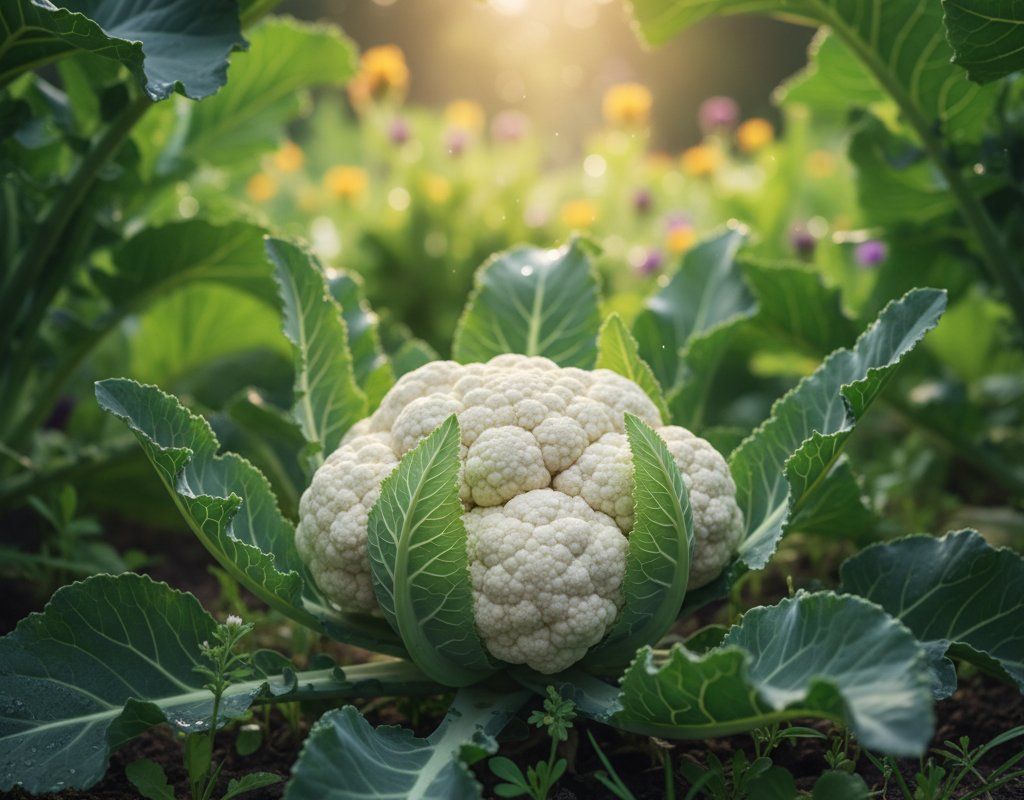
Cauliflower in Zone 5B — Great Plains
Brassica oleracea var. botrytis · Your Complete 2026 Planting Guide
Last Call for Seed Starting!
Indoor seed starting window closes in 5 days.
Start Seeds This Week
Start seeds now for transplanting later.
Or Wait for Starts
If you don’t want to start seeds, starts will be available around April 6.
How to Plant Cauliflower in Zone 5B — Great Plains
Here are all your options for getting cauliflower in the ground, from the easiest method to more advanced approaches.
Start Seeds Indoors
RecommendedMid February through early March
around February 23
Then transplant: Early April through early May
Start seeds 6-8 weeks before transplanting outdoors.
Cauliflower is fussy. Starting indoors gives you more control.
Buy Starts
Works WellEarly April through early May
around April 6
Plant purchased starts after last frost (April 20).
Direct Sow Seeds
ChallengingDirect sowing is not typical for Cauliflower.
Transplant Outdoors
Timing InfoEarly April through early May
around April 6
Can tolerate light frost, but wait for soil to be workable.
You have a nice window — no need to rush.
Fall Planting
Late July through late August
August 13 ideal · Transplant for fall harvest
Plant a second crop in mid-summer for fall harvest. Cauliflower actually prefers the cooling temperatures of fall.
Overview
Cauliflower might seem like an intimidating crop here on the Plains, but the payoff is incredible. Nothing beats the nutty sweetness of a homegrown head that's perfectly white and firm—miles beyond anything you'll find at the grocery store. Our intense Prairie sunshine and fertile soil create ideal conditions for developing those dense, flavorful curds that make cauliflower such a versatile kitchen staple.
The Great Plains climate does throw some curveballs at cauliflower—our variable spring weather and hot summers can stress this finicky brassica. But with your 178-day growing season and proper timing, you can work around these challenges. The key is starting indoors to get ahead of our unpredictable spring weather and giving your plants the controlled environment they need to establish strong roots before facing Plains conditions.
Starting Seeds Indoors
Start your cauliflower seeds indoors from mid-February through early March, about six weeks before your planned transplant date. This timing gives you crucial control over germination conditions while our spring weather is still throwing temperature swings outside. Cauliflower is notoriously fussy about temperature and moisture during germination, making indoor starting your best bet for success.
Set up seed trays with quality seed-starting mix in a warm location—cauliflower germinates best at 70-75°F. Bottom watering works perfectly here, keeping the soil evenly moist without disturbing the seeds or encouraging fungal issues. Place trays under grow lights or in your brightest south-facing window once seedlings emerge.
Your seedlings will be ready for transplanting in early April through early May, depending on when you started them. This indoor head start protects you from our variable spring conditions while giving cauliflower the steady environment it craves during its most vulnerable stage.
Transplanting Outdoors
Plan to transplant your cauliflower seedlings outdoors from early April through early May, timing it for about two weeks after your average last frost date. Our Plains springs can be unpredictable, so watch the forecast and be ready to protect transplants if late cold snaps threaten. A week of hardening off is essential—gradually expose seedlings to outdoor conditions for increasing periods each day.
Space your transplants 18-24 inches apart in well-amended prairie soil. Cauliflower needs room for those large leaves to develop without crowding, and good air circulation helps prevent disease in our variable humidity conditions. Choose a location with morning sun and some afternoon protection if possible, as our intense sunshine can stress young transplants.
Wind protection is crucial during the first few weeks after transplanting. Even a temporary windbreak made from cardboard or fabric can make the difference between thriving plants and stressed ones that never recover. Our spring winds are relentless, and cauliflower's broad leaves make it particularly vulnerable to desiccation.
Watering Cauliflower in Zone 5B (Great Plains)
Cauliflower demands consistent moisture throughout its growing season—this is one crop where you can't let nature take its course. With our variable rainfall patterns and hot summers reaching 93°F, you'll need to stay on top of watering to prevent the dreaded "buttoning" where plants form tiny, useless heads under stress. Check soil moisture daily by pushing your finger two inches deep near the base of plants.
Aim for about 1-1.5 inches of water per week, delivered consistently rather than in heavy doses. Our low-to-moderate humidity means soil dries out faster than in more humid regions, so deep watering every few days works better than light daily sprinkling. Water at the base of plants early morning to minimize evaporation and keep moisture off the leaves—our dry air helps prevent fungal diseases, but wet foliage in hot sun can cause leaf burn.
During our hot summer stretches, you may need to increase watering frequency. Mulch around plants with grass clippings or straw to conserve moisture and keep roots cool, but avoid thick mulch that might harbor pests. Signs of water stress include wilting during the day, yellowing lower leaves, or small button heads forming prematurely.
Watch for overwatering too—soggy soil in our clay-heavy prairie soils can lead to root rot. If leaves turn yellow from the bottom up and soil stays wet, back off watering and improve drainage around plants.
🧪Fertilizing Cauliflower
Feeding Schedule
Organic Fertilizer Options
Harvest Time
Your first cauliflower heads will be ready from mid-June through early August, about 70 days from transplanting. Look for compact, white heads that are 6-8 inches across with tight, dense curds. The head should feel firm and heavy when you cup it in your hand, with no signs of the individual florets starting to separate or show yellow or purple discoloration.
Harvest in the cool morning hours when possible, using a sharp knife to cut the stem about 2 inches below the head. Don't wait too long once heads reach maturity—cauliflower doesn't hold well in the field and will quickly become loose and bitter in our summer heat. Unlike broccoli, cauliflower won't produce side shoots after you harvest the main head.
As your first frost approaches in mid-October, any remaining small heads likely won't have time to size up properly. You can harvest these "baby" heads for tender florets, or pull entire plants to add to your compost pile. Cauliflower is sensitive to frost and won't survive even light freezes, making fall timing crucial here on the Plains.
For fall plantings started in late July through late August, time your harvest for early-to-mid October before hard frost hits. Fall-grown cauliflower often has better flavor due to cooler growing conditions during head development.
Common Problems in Zone 5B (Great Plains)
Buttoning shows up as tiny, premature heads the size of golf balls or smaller that form when plants are still young. The heads may be loose and yellowish rather than tight and white, essentially useless for eating. This frustrating problem stems from stress during the plant's early development—inconsistent watering, temperature swings, or root disturbance can all trigger buttoning. Our Plains climate with its extreme temperature swings and variable spring weather creates perfect conditions for this issue. Prevent buttoning by maintaining consistent soil moisture, protecting transplants from wind and temperature extremes, and avoiding root disturbance once plants are established.
Cabbage worms appear as smooth, green caterpillars about an inch long that chew irregular holes in leaves, leaving dark green droppings behind. You'll often see white butterflies fluttering around your brassicas during the day—these are the adults laying eggs for the next generation. Multiple generations occur throughout our growing season, with populations building through summer. Control them with Bt (Bacillus thuringiensis) spray, which targets caterpillars specifically without harming beneficial insects. Row covers work well if you can manage them in our windy conditions, or handpick caterpillars in the morning when they're easier to spot.
Heat stress manifests as wilting during hot afternoons even when soil is moist, yellowing or browning leaf edges, and poor head development. Our summer temperatures hitting 93°F regularly stress cauliflower, which prefers cooler conditions for head formation. Once daytime highs consistently reach the upper 80s, head development slows significantly. Provide afternoon shade with shade cloth or plant taller crops on the south side. Deep mulching helps keep roots cool, and consistent watering prevents additional stress that compounds heat problems.
Great Plains gardeners face the unique challenge of combining intense summer heat with low humidity and variable rainfall—a triple threat for moisture-loving cauliflower. Success depends on timing your plantings to avoid the worst heat and maintaining consistent moisture despite our dry air and unpredictable precipitation patterns.
Best Companions for Cauliflower
Plant these nearby for healthier Cauliflower and better harvests.


Keep Away From
Companion Planting Details
Plant cauliflower alongside beets and spinach, which appreciate similar cool conditions and won't compete aggressively for space or nutrients. Celery makes an excellent companion because its strong scent helps deter pests while its shallow roots won't interfere with cauliflower's feeding zone. Onions planted around the edges of your cauliflower patch help repel cabbage worms and other brassica pests with their pungent oils.
Avoid planting cauliflower near tomatoes, peppers, or strawberries—these crops have different water and nutrient needs that conflict with cauliflower's requirements. Tomatoes and peppers prefer drier conditions once established, while cauliflower needs consistent moisture throughout its growing season. In our variable Plains climate, trying to meet both sets of needs in the same area usually results in stressed plants and poor harvests from both crops.
🌸Best Flowers to Plant with Cauliflower
These flowers protect your Cauliflower from pests and attract pollinators for better harvests.




Get a Reminder When It's Time to Plant
We'll email you when key planting windows open for your zone.