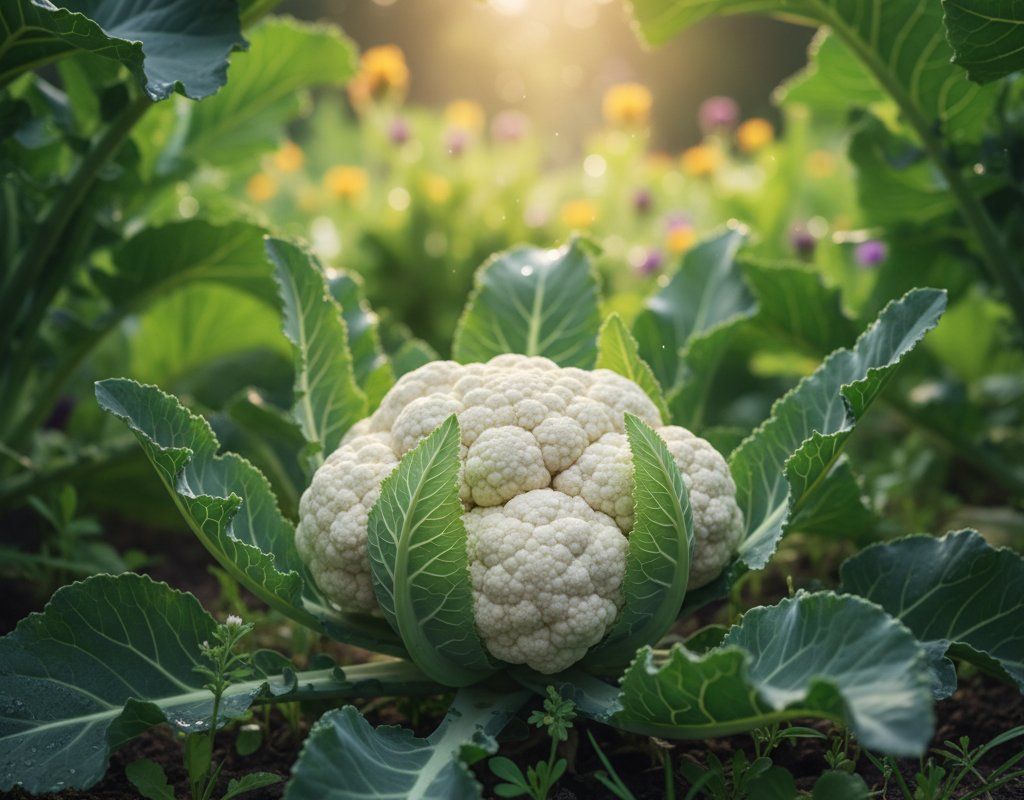
Cauliflower in Zone 6A — Mid-Atlantic
Brassica oleracea var. botrytis · Your Complete 2026 Planting Guide
Missed Seed Starting? No Problem!
Wait for starts to become available.
What to Do
Starts will be available at nurseries in 28 days (around April 1).
How to Plant Cauliflower in Zone 6A — Mid-Atlantic
Here are all your options for getting cauliflower in the ground, from the easiest method to more advanced approaches.
Start Seeds Indoors
RecommendedMid February through early March
around February 18
Then transplant: Early to late April
Start seeds 6-8 weeks before transplanting outdoors.
Cauliflower is fussy. Starting indoors gives you more control.
Buy Starts
Works WellEarly to late April
around April 1
Plant purchased starts after last frost (April 15).
Direct Sow Seeds
ChallengingDirect sowing is not typical for Cauliflower.
Transplant Outdoors
Timing InfoEarly to late April
around April 1
Can tolerate light frost, but wait for soil to be workable.
You have a nice window — no need to rush.
Fall Planting
Early August through early September
August 18 ideal · Transplant for fall harvest
Plant a second crop in mid-summer for fall harvest. Cauliflower actually prefers the cooling temperatures of fall.
Overview
Cauliflower might be the most rewarding brassica you can grow in our Mid-Atlantic climate. Unlike store-bought heads that often taste bitter or woody, homegrown cauliflower develops sweet, nutty flavors that transform everything from roasted sides to grain-free pizza crusts. Our four seasons provide the cool conditions cauliflower craves, while our reliable rainfall keeps these thirsty plants happy without constant irrigation.
The key to success with cauliflower in our region is working with our variable spring weather rather than fighting it. Yes, we deal with humidity, deer pressure, and those infamous temperature swings, but our 188-day growing season gives you plenty of flexibility for both spring and fall crops. Start your seeds indoors where you control the environment, and you'll avoid the biggest pitfalls that make cauliflower seem difficult.
Starting Seeds Indoors
Starting cauliflower indoors is absolutely essential in the Mid-Atlantic – this plant is too fussy about temperature and moisture to risk direct seeding. Begin your seeds from mid-February through early March, about 6 weeks before your planned transplant date in April. This timing lets you nurture seedlings through our unpredictable spring weather.
Set up seed trays with a quality seed-starting mix and keep them at 65-70°F for germination. Once sprouted, cauliflower seedlings prefer cooler conditions around 60-65°F, which works perfectly since our spring houses aren't blazing hot yet. Use bottom watering to prevent damping-off disease – fill a tray under your seed containers rather than watering from above.
Your seedlings will be ready to transplant when they have 3-4 true leaves and night temperatures consistently stay above freezing. The moderate spring character of our Mid-Atlantic climate means you won't face the extreme temperature swings that can shock young transplants in other regions.
Transplanting Outdoors
Plan to move your cauliflower seedlings outdoors from early to late April, depending on the year's weather pattern. Watch for that last frost date around mid-April, but don't rush – cauliflower transplants can handle light frost but prefer settled spring conditions. A week of hardening off is crucial; gradually expose your seedlings to outdoor conditions for increasing periods each day.
Space transplants 18-24 inches apart in full sun to partial shade. Cauliflower needs room for air circulation, especially important in our humid summers. Plant them slightly deeper than they were in their containers, firming soil gently around the roots. Our clay soil can be challenging, so work in some compost if your beds are particularly heavy.
Those April temperature swings can stress young transplants, so have row covers ready for unexpected cold snaps or harsh winds. Once established, your plants will handle our spring weather just fine, but those first two weeks after transplanting are when they're most vulnerable.
Watering Cauliflower in Zone 6A (Mid-Atlantic)
Cauliflower demands consistent moisture, and inconsistent watering is the fastest way to trigger buttoning – those disappointing tiny heads that form when plants get stressed. In our Mid-Atlantic climate with moderate-to-hot summers and humid conditions, you'll need about 1-1.5 inches of water per week, including rainfall. Our typical 40-50 inches of annual precipitation helps, but summer dry spells still require supplemental watering.
Use the finger test – stick your finger 2 inches into the soil near the base of the plant. If it feels dry at that depth, it's time to water. Water deeply at the base rather than overhead; our humid summers already create perfect conditions for fungal diseases, and wet foliage makes it worse. Early morning watering gives plants time to dry before our warm, humid nights.
Watch for signs of water stress: wilting during hot afternoons (normal if they perk up overnight), yellowing lower leaves (underwatering), or soft, mushy stems (overwatering). Our clay soil holds moisture well but can also stay too wet, so balance is key. A 2-3 inch layer of organic mulch helps maintain even moisture and keeps roots cool during our 88°F summer highs.
The spring growing season is usually easier since our reliable rainfall and moderate temperatures reduce watering needs. Fall crops appreciate extra attention during our often-dry September and October weather as they race to mature before first frost.
🧪Fertilizing Cauliflower
Feeding Schedule
Organic Fertilizer Options
Harvest Time
Your first cauliflower heads will be ready from early June through late July, about 70 days from transplanting. Look for tight, white heads that are 6-8 inches across – they should feel firm and heavy, with no yellow discoloration or loose, separating curds. The optimal harvest window is narrow, so check your plants every few days once heads start forming.
Cut the main head with a sharp knife, slicing through the stem about 6 inches below the head. Leave the outer leaves and root system intact – many varieties will produce smaller side shoots over the following weeks, giving you a second harvest of baby cauliflower perfect for stir-fries or roasting whole.
Timing is everything with cauliflower. Heads left too long in our summer heat will develop a strong, bitter flavor and loose texture. Hot weather above 85°F can cause heads to turn yellow or purple and develop a ricey texture. If you see these signs developing, harvest immediately and use the cauliflower for cooking rather than fresh applications.
For fall plantings started in early August, your harvest window extends from September through early October. These heads often have better flavor since they develop in cooler weather, and you can sometimes push harvest right up to our first frost around mid-October if you protect plants with row covers.
Common Problems in Zone 6A (Mid-Atlantic)
Buttoning shows up as tiny, premature heads the size of golf balls instead of full-sized cauliflower. You'll see these disappointing mini-heads forming when plants are still small, usually with yellowing or stunted outer leaves. This happens when plants experience stress during their critical growth phase – inconsistent watering, temperature extremes, or being transplanted too late into hot weather. In our Mid-Atlantic climate, buttoning often occurs when April transplants face those temperature swings or if you try to grow cauliflower through summer heat. Prevent buttoning by maintaining consistent soil moisture, using mulch to moderate soil temperature, and timing your plantings to avoid the worst heat.
Cabbage worms appear as smooth, green caterpillars about an inch long, often found along leaf veins. You'll notice irregular holes chewed in leaves, dark green droppings on foliage, and those white butterflies hovering around your plants in late spring and summer. These are larvae of cabbage white butterflies, which can have multiple generations during our long growing season. Bt (Bacillus thuringiensis) spray works excellently and is organic – apply in late afternoon when caterpillars are actively feeding. Floating row covers prevent butterflies from laying eggs, and handpicking works for small infestations. Interplanting with aromatic herbs like thyme or sage can help deter the adult butterflies.
Heat stress manifests as wilting during hot afternoons, yellowing leaves, and loose, ricey head texture. Plants may also bolt to seed prematurely or develop purple-tinged heads. Our moderate-to-hot summers with high humidity create challenging conditions for this cool-season crop, especially during July and August. Provide afternoon shade during heat waves, maintain consistent moisture, and use reflective mulch to keep soil cooler. For summer plantings, choose heat-tolerant varieties and consider growing under shade cloth during the hottest part of our growing season.
Mid-Atlantic Specific Challenges: Our humid summers create perfect conditions for fungal diseases, while clay soil can lead to both waterlogged roots and rapid drying. Deer pressure is constant throughout our region, and Japanese beetles may chew holes in outer leaves, though they rarely damage the developing heads significantly.
Best Companions for Cauliflower
Plant these nearby for healthier Cauliflower and better harvests.


Keep Away From
Companion Planting Details
Plant cauliflower alongside beets and spinach – these shallow-rooted crops won't compete for nutrients while helping shade the soil and retain moisture during our hot summers. Onions and other alliums planted around the perimeter can help deter cabbage worms and flea beetles, while their upright growth doesn't shade your cauliflower. Celery makes an excellent companion since it has similar water needs and helps utilize space efficiently in our humid climate where good air circulation matters.
Avoid planting cauliflower near tomatoes, peppers, or strawberries. These crops have different water and nutrient requirements, and in our humid Mid-Atlantic summers, overcrowded plantings lead to poor air circulation and increased disease pressure. Tomatoes and peppers also prefer our hot summer weather while cauliflower suffers in it, making timing and care difficult when they're planted together.
🌸Best Flowers to Plant with Cauliflower
These flowers protect your Cauliflower from pests and attract pollinators for better harvests.




Get a Reminder When It's Time to Plant
We'll email you when key planting windows open for your zone.