
Cabbage in Zone 6A — Mid-Atlantic
Brassica oleracea var. capitata · Your Complete 2026 Planting Guide
Missed Seed Starting? No Problem!
Wait for starts to become available.
What to Do
Starts will be available at nurseries in 28 days (around April 1).
How to Plant Cabbage in Zone 6A — Mid-Atlantic
Here are all your options for getting cabbage in the ground, from the easiest method to more advanced approaches.
Start Seeds Indoors
RecommendedMid February through early March
around February 18
Then transplant: Early to late April
Start seeds 6-8 weeks before transplanting outdoors.
Start indoors for spring harvest.
Buy Starts
Works WellEarly to late April
around April 1
Plant purchased starts after last frost (April 15).
Direct Sow Seeds
ChallengingDirect sowing is not typical for Cabbage.
Transplant Outdoors
Timing InfoEarly to late April
around April 1
Can tolerate light frost, but wait for soil to be workable.
You have a nice window — no need to rush.
Fall Planting
Early August through early September
August 18 ideal · Transplant for fall harvest
Plant a second crop in mid-summer for fall harvest. Cabbage actually prefers the cooling temperatures of fall.
Overview
Cabbage is a fantastic addition to any Mid-Atlantic garden. Its crisp texture and mild flavor make it incredibly versatile in the kitchen, perfect for everything from slaws to stir-fries. Plus, there's a real satisfaction in harvesting those dense, round heads after nurturing them through our four seasons.
Our humid summers and sometimes unpredictable spring weather can pose challenges. But with careful timing and attention, growing cabbage successfully in our 188-day growing season is absolutely achievable. We just need to be mindful of conditions at planting and during head formation.
Starting Seeds Indoors
To get a jump start on your spring cabbage crop, start seeds indoors from mid-February through early March. This gives the seedlings about 6 weeks to develop before transplanting, which is ideal in our Zone 6A climate. Use seed trays or small pots filled with a good seed-starting mix.
Keep the trays in a warm location, around 70°F, and provide plenty of light – a grow light works wonders. Water gently from the bottom to avoid disturbing the seeds and prevent damping-off. Our springs here in the Mid-Atlantic can be a bit moderate, so starting indoors gives these plants the advantage they need.
Transplanting Outdoors
Transplant your cabbage seedlings outdoors in early to late April, after hardening them off. Hardening off is essential: gradually expose the seedlings to outdoor conditions for about a week before planting. This helps them adjust to the cooler temperatures and stronger sunlight.
Space the plants 12-18 inches apart in a sunny spot with well-drained soil. Keep an eye on the weather forecast – we sometimes get a late frost here, so be prepared to cover the seedlings if needed.
Watering Cabbage in Zone 6A (Mid-Atlantic)
Cabbage needs consistent moisture to thrive, but overwatering can be just as detrimental as underwatering, especially with our Mid-Atlantic humidity. Aim to keep the soil evenly moist, but not waterlogged. Our rainfall is fairly even throughout the year, but supplemental watering is almost always needed.
A good rule of thumb is to water deeply once or twice a week, providing about 1-1.5 inches of water each time. Use the "finger test" – stick your finger about 2 inches into the soil; if it feels dry, it's time to water. Water at the base of the plants to avoid wetting the leaves, which can encourage fungal diseases in our humid climate.
During hotter periods, you might need to water more frequently. Signs of underwatering include wilting leaves, while yellowing leaves can indicate overwatering. A layer of mulch around the plants will help retain moisture and suppress weeds.
🧪Fertilizing Cabbage
Feeding Schedule
Organic Fertilizer Options
Harvest Time
You can expect to harvest your cabbage from early June through late July, about 70 days after transplanting. The key is to check the firmness of the head. When the head feels solid and dense when squeezed, and has reached full size for the variety, it's ready to harvest.
Use a sharp knife to cut the head at its base, leaving the outer leaves intact. This can sometimes allow the plant to produce smaller side shoots for a later, smaller harvest. As our first frost approaches in mid- October, harvest any remaining heads, even if they're not quite full size. They'll still be tasty!
Common Problems in Zone 6A (Mid-Atlantic)
Here are some common problems Mid-Atlantic gardeners face with cabbage:
Cabbage Worms
- What it looks like: Smooth green caterpillars chewing irregular holes in leaves, leaving dark green droppings behind. You might also see white butterflies fluttering around.
- What causes it: These are the larvae of the cabbage white butterfly, which can have multiple generations in our warm summers.
- How to fix/prevent it: Bt spray is very effective. Floating row covers can prevent the butterflies from laying eggs in the first place. Handpicking the caterpillars is also an option, especially for smaller gardens. Consider interplanting with aromatic herbs like thyme and sage to deter the butterflies.
Cabbage Loopers
- What it looks like: Similar to cabbage worms, but these are pale green caterpillars that move in a looping motion. They also chew holes in leaves.
- What causes it: Cabbage loopers are another type of caterpillar that thrives in warm weather.
- How to fix/prevent it: Bt spray works well on loopers too. You can also use row covers and handpick them.
Splitting
- What it looks like: The cabbage head cracks open.
- What causes it: Inconsistent watering, especially heavy watering after a dry spell, causes the head to grow too quickly and burst. Our even rainfall can sometimes lull you into a false sense of security, but remember to monitor soil moisture closely.
- How to fix/prevent it: Maintain consistent soil moisture by watering regularly and mulching. Harvest heads as soon as they are mature to prevent splitting.
Clubroot
- What it looks like: Stunted growth, wilting in the afternoon heat, and yellowing leaves. The roots are swollen, distorted, and club-shaped when dug up.
- What causes it: A soil-borne pathogen (Plasmodiophora brassicae) that favors acidic, wet soil. It can persist in the soil for 10+ years.
- How to fix/prevent it: Raise the soil pH to 7.0-7.2 with lime. Improve drainage to prevent waterlogged conditions. Rotate brassicas on a 7-year cycle. Remove and destroy infected plants (don't compost them). Start transplants in sterile mix to avoid introducing the pathogen.
Mid-Atlantic Specific Challenges: Our humid summers can exacerbate fungal diseases, so good air circulation is essential. Regular monitoring for pests is also crucial, as the warm weather encourages rapid reproduction. Consistent watering is key to preventing splitting, especially after dry spells.
Best Companions for Cabbage
Plant these nearby for healthier Cabbage and better harvests.



Keep Away From


Companion Planting Details
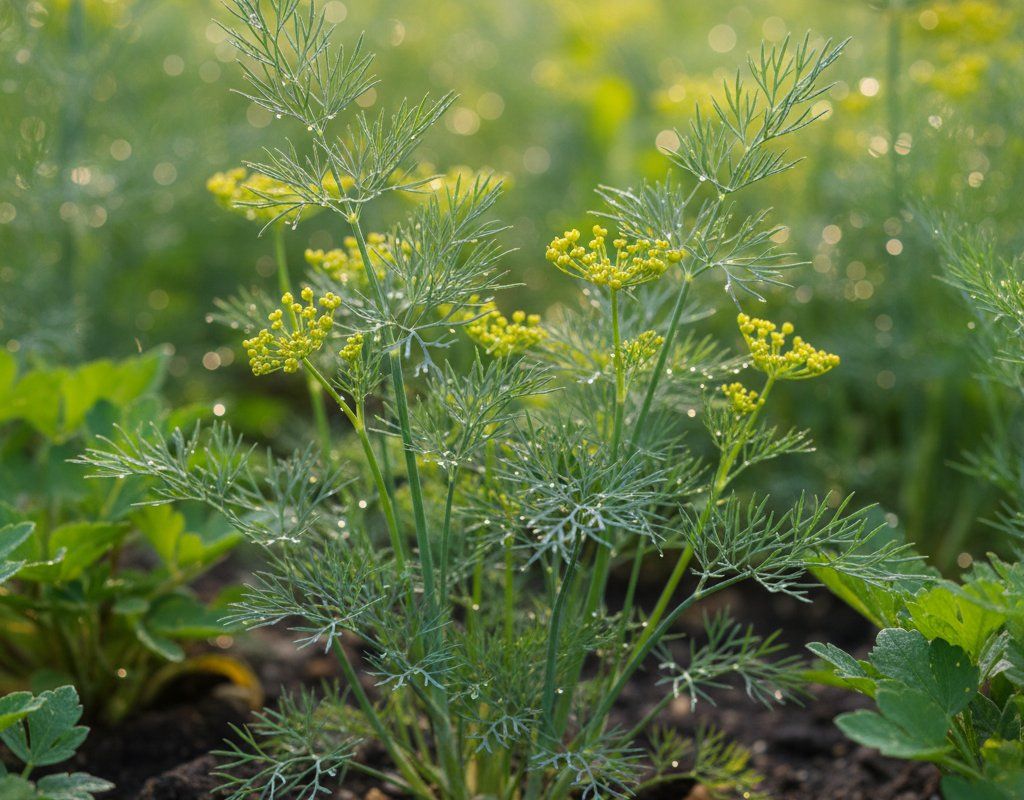
Companion planting can really boost your cabbage's health and vigor. Green beans fix nitrogen in the soil, benefiting cabbage growth. Celery is thought to deter cabbage moths, while onions repel certain pests. Potatoes don't directly benefit cabbage, but they don't compete for the same nutrients and can be grown nearby. Dill attracts beneficial insects that prey on cabbage pests.
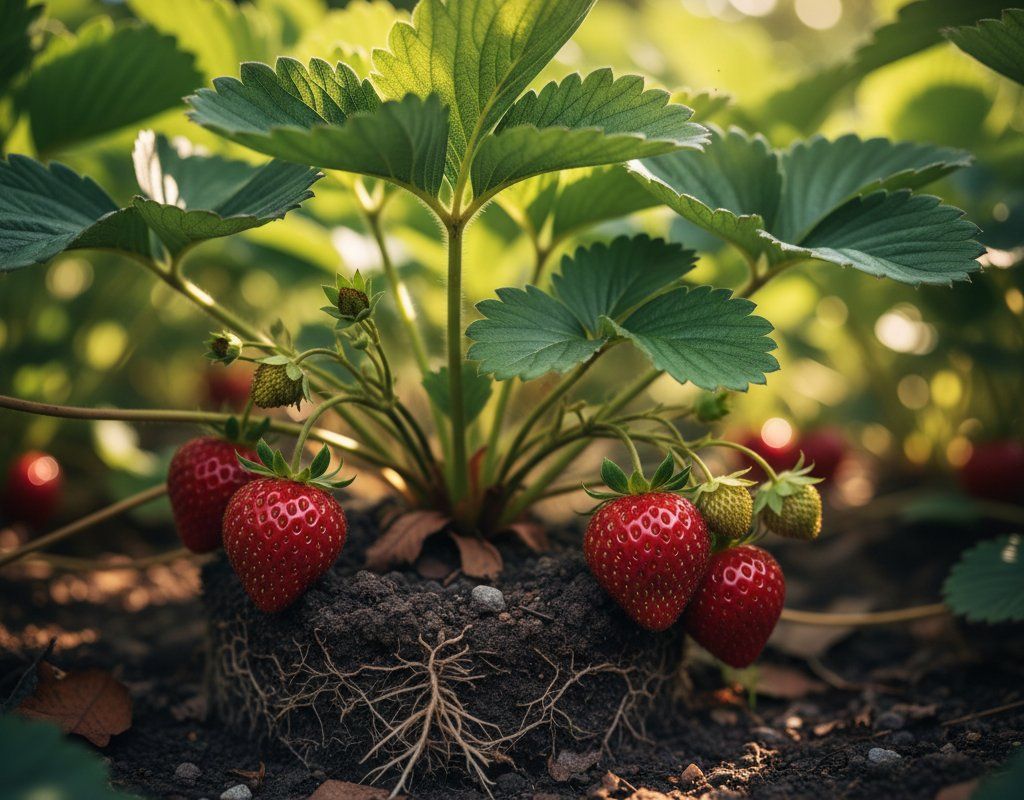
Avoid planting cabbage near tomatoes, strawberries, or peppers. Tomatoes and peppers are heavy feeders and can compete with cabbage for nutrients. Strawberries are susceptible to verticillium wilt, which can also affect cabbage.
🌸Best Flowers to Plant with Cabbage
These flowers protect your Cabbage from pests and attract pollinators for better harvests.
For Pest Control





Get a Reminder When It's Time to Plant
We'll email you when key planting windows open for your zone.