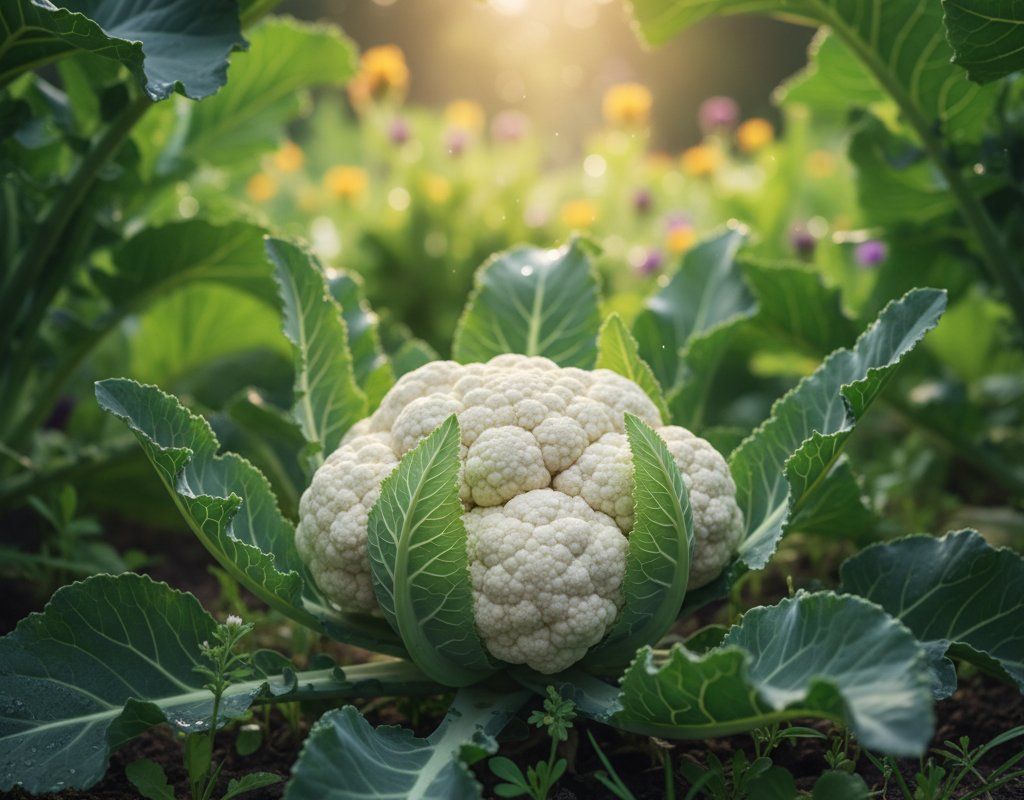
Cauliflower in Zone 6A — Northeast
Brassica oleracea var. botrytis · Your Complete 2026 Planting Guide
Last Call for Seed Starting!
Indoor seed starting window closes in 5 days.
Start Seeds This Week
Start seeds now for transplanting later.
Or Wait for Starts
If you don’t want to start seeds, starts will be available around April 6.
How to Plant Cauliflower in Zone 6A — Northeast
Here are all your options for getting cauliflower in the ground, from the easiest method to more advanced approaches.
Start Seeds Indoors
RecommendedMid February through early March
around February 23
Then transplant: Early April through early May
Start seeds 6-8 weeks before transplanting outdoors.
Cauliflower is fussy. Starting indoors gives you more control.
Buy Starts
Works WellEarly April through early May
around April 6
Plant purchased starts after last frost (April 20).
Direct Sow Seeds
ChallengingDirect sowing is not typical for Cauliflower.
Transplant Outdoors
Timing InfoEarly April through early May
around April 6
Can tolerate light frost, but wait for soil to be workable.
You have a nice window — no need to rush.
Fall Planting
Late July through late August
August 13 ideal · Transplant for fall harvest
Plant a second crop in mid-summer for fall harvest. Cauliflower actually prefers the cooling temperatures of fall.
Overview
Cauliflower thrives in our Northeast climate better than most regions realize. Our cool nights and moderate summer temperatures create the perfect conditions for developing those dense, white heads without the bitter stress that hot climates produce. While store-bought cauliflower often tastes bland, homegrown varieties in Zone 6A develop a sweet, nutty flavor that transforms simple roasting into something spectacular.
Yes, cauliflower has a reputation for being finicky, and our short growing season adds timing pressure. But with our 178-day growing season and predictable spring pattern, you can work with cauliflower's preferences rather than against them. The key is starting indoors to get ahead of our late spring, then timing transplants to avoid both late frost damage and summer stress.
Starting Seeds Indoors
Starting cauliflower seeds indoors is absolutely essential in Zone 6A. Our late spring means direct sowing just won't give you enough time before summer heat arrives. Start your seeds mid-February through early March, about six weeks before you plan to transplant outdoors.
Set up seed trays in a warm spot (65-70°F) with good light once seedlings emerge. Cauliflower is particular about consistent moisture, so bottom watering works best – set your seed trays in shallow water until the soil surface feels damp, then remove. This prevents the soil disturbance that can stress young seedlings.
Your indoor setup doesn't need to be fancy, but consistency matters more with cauliflower than other brassicas. These plants hate surprises, and starting indoors gives you complete control over their early weeks. By the time our soil warms up in April, you'll have sturdy transplants ready to go.
Transplanting Outdoors
Plan to transplant your cauliflower seedlings early April through early May, depending on your specific location and that year's spring weather. You want soil that's workable but not waterlogged from snowmelt. Wait until daytime temperatures consistently reach the mid-50s.
Harden off your seedlings gradually over a full week – our spring temperature swings can shock tender plants if you rush this step. Start with just an hour outdoors in a protected spot, gradually increasing time and exposure. Watch for late frost warnings during this period, as cauliflower transplants are only semi-hardy.
Space plants 18-24 inches apart in your rockiest, most well-draining spot. Cauliflower needs room for those big leaves, and good drainage becomes crucial as our spring rains continue into early summer. If you're dealing with typical Northeast clay or rocky soil, work in compost before planting – these plants need consistent moisture but hate wet feet.
Watering Cauliflower in Zone 6A (Northeast)
Cauliflower watering in our Northeast climate is all about consistency, not quantity. With our moderate summers and 40-50 inches of annual rainfall, you're working with nature rather than fighting drought conditions. The key is preventing the stress that causes "buttoning" – those disappointing tiny heads that form when plants panic.
Keep soil evenly moist but never soggy. The finger test works perfectly here – stick your finger two inches into the soil near the plant. If it feels dry, water deeply at the base until you see water pooling slightly. In our typical summer weather, this usually means about an inch of water per week, including rainfall.
Water early morning at soil level rather than overhead. Our moderate-to-humid summers mean wet leaves can invite fungal problems, and cauliflower's dense leaf structure holds moisture longer than other crops. A soaker hose or drip irrigation works beautifully if you're growing several plants.
Watch for signs of water stress: wilting during our hottest afternoon hours (even in the low 80s), or conversely, yellowing lower leaves that indicate overwatering. A two-inch layer of straw mulch helps maintain that consistent moisture level our rocky New England soil struggles to hold naturally.
🧪Fertilizing Cauliflower
Feeding Schedule
Organic Fertilizer Options
Harvest Time
Your first cauliflower heads will be ready mid-June through early August, about 70 days from transplanting. In our climate, this timing works perfectly – you get those gorgeous heads before any real summer heat stress sets in, and well before you need to worry about fall preparation.
Look for compact, white heads that measure 6-8 inches across. The curds (those tiny flower buds that make up the head) should be tight and uniform, with no yellowing or loosening at the edges. Once you see the curds starting to separate or any discoloration creeping in, harvest immediately – cauliflower won't improve after this point.
Cut the entire head at the base with a sharp knife, leaving the outer leaves intact. Unlike broccoli, cauliflower won't produce side shoots, so each plant gives you one main harvest. The timing can be tricky – heads can go from perfect to overripe within just a few days during warm weather.
As our first frost approaches in mid-October, any remaining small heads won't have time to size up properly. It's better to harvest undersized heads for cooking than to lose them to frost – they're still perfectly edible, just smaller than ideal.
Common Problems in Zone 6A (Northeast)
Buttoning (Premature Small Heads) Small, button-sized heads form when plants are stressed, usually from inconsistent watering, temperature fluctuations, or being transplanted too late in our short season. You'll see tiny white heads developing when plants are only 6-8 inches tall instead of full-sized.
This happens when cauliflower gets confused about whether to grow or reproduce. Our spring temperature swings can trigger this if plants aren't properly hardened off, or if you wait too long to transplant. Consistent soil moisture and starting early enough for gradual establishment prevents most buttoning issues.
Cabbage Worms Smooth green caterpillars create irregular holes in leaves, leaving dark green droppings behind. You'll notice white butterflies hovering around plants in late spring and summer – they're laying eggs that become these hungry caterpillars.
Multiple generations occur throughout our growing season, with the worst pressure in mid-to-late summer. Bt spray works excellently against the larvae, and floating row covers prevent egg-laying entirely. Hand-picking works well when populations are small, and interplanting with aromatic herbs like thyme helps deter the adult butterflies.
Heat Stress Even our moderate Northeast summers can stress cauliflower if plants aren't properly established. Look for loose, ricey heads or yellowing outer leaves during hot spells in July and August.
While our typical 82°F highs aren't extreme, cauliflower prefers it even cooler. Morning shade during the hottest part of summer helps, as does consistent soil moisture. This is why timing your transplants for early establishment matters so much in our climate.
Northeast Specific Challenges: Our moderate humidity and even rainfall create ideal conditions for fungal diseases if you're not careful with spacing and air circulation. The rocky soil many of us deal with can create drainage issues during wet springs, so soil amendment becomes crucial for success.
Best Companions for Cauliflower
Plant these nearby for healthier Cauliflower and better harvests.


Keep Away From
Companion Planting Details
Plant beets, celery, onions, and spinach near your cauliflower for the best results. Beets and spinach have similar water needs and won't compete heavily for nutrients, while their lower growth habit doesn't interfere with cauliflower's broad leaves. Onions help deter cabbage worms and other pests that target brassicas, and celery's deep taproot brings up nutrients from lower soil levels.
Avoid planting tomatoes, peppers, or strawberries nearby. These crops prefer different soil conditions and watering schedules that can stress your cauliflower. Tomatoes and peppers need more heat and less consistent moisture, while strawberries can harbor pests that will happily move to your brassicas. In our Northeast growing conditions where space is often limited, stick with companions that share cauliflower's preference for cool, consistent conditions.
🌸Best Flowers to Plant with Cauliflower
These flowers protect your Cauliflower from pests and attract pollinators for better harvests.



Get a Reminder When It's Time to Plant
We'll email you when key planting windows open for your zone.