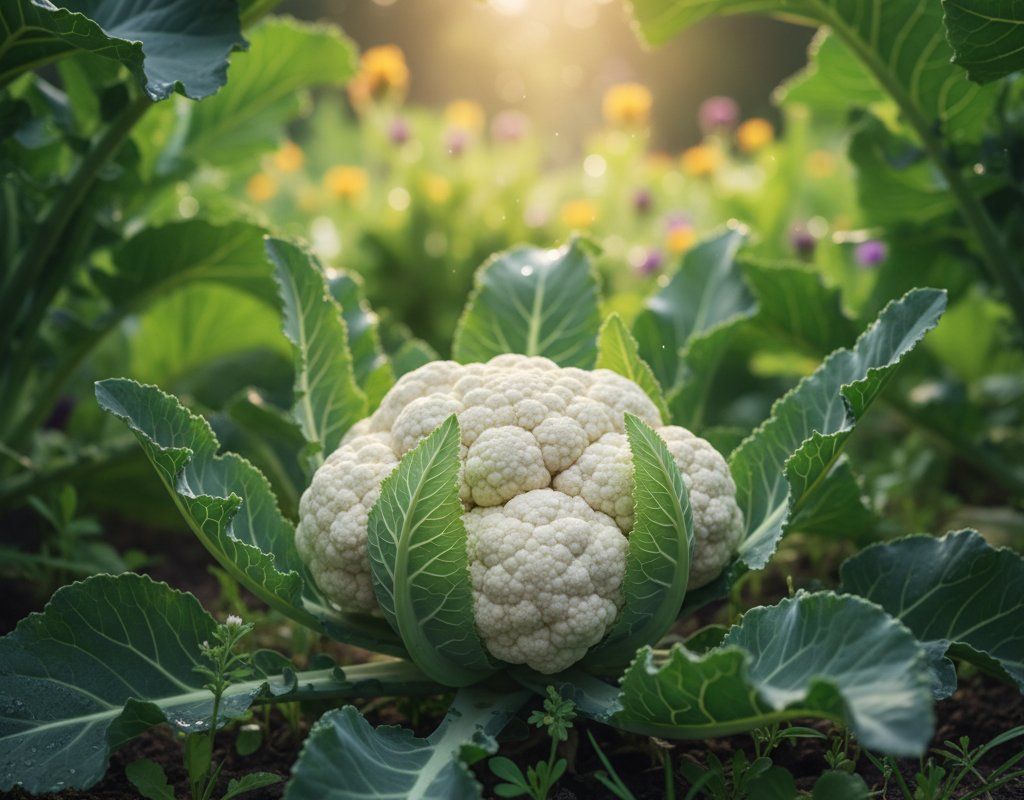
Cauliflower in Zone 6A — Southeast
Brassica oleracea var. botrytis · Your Complete 2026 Planting Guide
Missed Seed Starting? No Problem!
Wait for starts to become available.
What to Do
Starts will be available at nurseries in 23 days (around March 27).
How to Plant Cauliflower in Zone 6A — Southeast
Here are all your options for getting cauliflower in the ground, from the easiest method to more advanced approaches.
Start Seeds Indoors
RecommendedEarly to late February
around February 13
Then transplant: Late March through late April
Start seeds 6-8 weeks before transplanting outdoors.
Cauliflower is fussy. Starting indoors gives you more control.
Buy Starts
Works WellLate March through late April
around March 27
Plant purchased starts after last frost (April 10).
Direct Sow Seeds
ChallengingDirect sowing is not typical for Cauliflower.
Transplant Outdoors
Timing InfoLate March through late April
around March 27
Can tolerate light frost, but wait for soil to be workable.
You have a nice window — no need to rush.
Fall Planting
Early August through early September
August 23 ideal · Transplant for fall harvest
Plant a second crop in mid-summer for fall harvest. Cauliflower actually prefers the cooling temperatures of fall.
Overview
Growing cauliflower in Zone 6A of the Southeast gives you those dense, creamy white heads that taste nothing like the grocery store versions—sweet, nutty, and perfect for everything from roasted sides to cauliflower steaks. Our long growing season of 198 days means you can actually get two crops: a spring harvest that beats the summer heat and a fall crop that sweetens up in cooler weather.
Yes, cauliflower has a reputation for being fussy, and our hot, humid summers with those afternoon thunderstorms do present challenges. But here's the thing—timing is everything, and when you get it right in our moderate spring conditions, this cool-season crop rewards you with some of the most satisfying harvests in your garden.
Starting Seeds Indoors
Starting cauliflower seeds indoors is absolutely the way to go in the Southeast—this gives you complete control over those critical first weeks when cauliflower is most vulnerable. Start your seeds from early to late February, about 6 weeks before you plan to transplant outdoors. Our moderate spring weather gives you flexibility in this timing, unlike regions where spring comes hard and fast.
Set up your seed trays in a warm spot (65-70°F) with good light—either a sunny south window or grow lights. Plant seeds about ¼ inch deep in quality seed-starting mix. Bottom watering works best here; set your trays in shallow pans of water rather than watering from above to prevent fungal issues that our humidity can encourage.
Keep the soil consistently moist but not soggy, and you should see seedlings emerge in 7-10 days. Once they're up, make sure they get plenty of light to prevent them from getting leggy—at least 12-14 hours under grow lights or the brightest window you have.
Transplanting Outdoors
Plan to transplant your cauliflower seedlings outdoors from late March through late April, once our last frost danger has passed and soil temperatures are consistently above 50°F. This timing takes advantage of our moderate spring conditions before the real heat and humidity set in.
Before transplanting, harden off your seedlings over about a week—gradually increase their outdoor time starting with just a few hours of morning sun, then working up to full days. This prevents transplant shock, which cauliflower particularly hates.
Space your plants 18-24 inches apart in rich, well-draining soil—closer spacing can work but gives you less air circulation, which matters in our humid climate. Choose a spot with full sun to partial shade; in the Southeast, a little afternoon shade actually helps prevent stress during those warm spring days that can hit 80°F unexpectedly.
Watering Cauliflower in Zone 6A (Southeast)
Cauliflower is incredibly sensitive to watering stress, and inconsistent moisture will cause "buttoning"—those disappointing tiny heads that never size up properly. In our wet-summer climate averaging 45-55 inches of rain, you might think watering isn't a concern, but our spring conditions require careful attention.
During spring growing season, aim for about 1-1.5 inches of water per week, including rainfall. Use the finger test—stick your finger 2 inches into the soil near the base of the plant. If it's dry at that depth, it's time to water. Our afternoon thunderstorms can be deceiving; they might wet the surface but not penetrate deeply enough, especially in clay soil.
Water at the base of plants rather than overhead to reduce disease pressure in our humid conditions. A soaker hose or drip irrigation works beautifully, or just water slowly with a watering can right at soil level. Signs of underwatering include wilting during the heat of the day and leaf edges turning brown. Overwatering shows up as yellowing leaves and a generally unhappy look.
A 2-3 inch layer of organic mulch helps maintain consistent moisture and keeps soil temperatures more even during those spring warm spells. Just keep mulch a few inches away from the stem to allow air circulation around the base of the plant.
🧪Fertilizing Cauliflower
Feeding Schedule
Organic Fertilizer Options
Harvest Time
Your first cauliflower heads should be ready from early June through late July, right around that 70-day mark from transplanting. You'll know they're ready when the heads are white, firm, and compact, typically 6-8 inches across—think the size of a dinner plate.
The key is catching them at just the right moment. The curds (those tight little flower buds that make up the head) should still be tightly packed together. Once they start to separate or show any yellowing, you've waited too long. Unlike some vegetables, cauliflower won't continue ripening once cut, so timing is critical.
To harvest, cut the main stem about 6 inches below the head with a sharp knife early in the morning when it's cool. Don't pull or twist—a clean cut prevents damage to the plant and reduces the chance of introducing disease. Some varieties will produce small side shoots after the main head is harvested, though these are usually much smaller.
As our first frost approaches in late October, any remaining small heads can be harvested and used even if they're not full-sized. They won't survive frost, so gather everything before those temperatures drop.
Common Problems in Zone 6A (Southeast)
Buttoning Small, premature heads that never develop properly—sometimes no bigger than a golf ball. In the Southeast, this usually happens when plants experience stress from inconsistent watering, temperature swings during those spring warm spells, or if they were transplanted too late and hit summer heat too early. Prevent this by maintaining consistent soil moisture and timing your transplants for our moderate spring window.
Cabbage Worms You'll see smooth green caterpillars on leaves along with irregular holes chewed through the foliage, plus dark green droppings scattered around. Those white butterflies hovering around your plants in late spring are laying eggs that become these destructive larvae. Our long, warm growing season means multiple generations per year. Bt spray works extremely well against cabbage worms, or use floating row covers to prevent egg-laying. Handpicking works too, and interplanting with aromatic herbs like thyme and sage helps deter the adult butterflies.
Heat Stress Leaves look wilted even with adequate moisture, growth slows dramatically, and plants may bolt (go to seed) prematurely. This typically happens when cauliflower hits those 90°F+ days that come earlier than expected in our climate. Prevention is key—plant early enough in spring to harvest before real summer heat, provide some afternoon shade, and maintain consistent soil moisture to help plants cope with temperature stress.
Southeast Specific Challenges: Our combination of heat, humidity, and wet summers creates perfect conditions for fungal diseases, while clay soil can lead to drainage issues that stress plants. Japanese beetles may also target stressed cauliflower plants, and deer find the leaves quite tasty, especially in spring when other food sources are limited.
Best Companions for Cauliflower
Plant these nearby for healthier Cauliflower and better harvests.


Keep Away From
Companion Planting Details
Plant cauliflower with beets and spinach—these shallow-rooted companions won't compete for the same soil space and actually help break up clay soil as they grow. Onions planted nearby help deter cabbage worms and other pests with their strong scent, while celery appreciates similar growing conditions and harvest timing. In our humid climate, these companions also provide some beneficial air circulation around cauliflower plants.
Avoid planting near tomatoes, peppers, or strawberries—these heavy feeders will compete for nutrients, and tomatoes and peppers prefer much warmer conditions than cauliflower needs. Plus, strawberries can harbor pests that might move over to your brassicas, and in our long growing season, you want to keep pest problems from spreading between plant families.
🌸Best Flowers to Plant with Cauliflower
These flowers protect your Cauliflower from pests and attract pollinators for better harvests.




Get a Reminder When It's Time to Plant
We'll email you when key planting windows open for your zone.