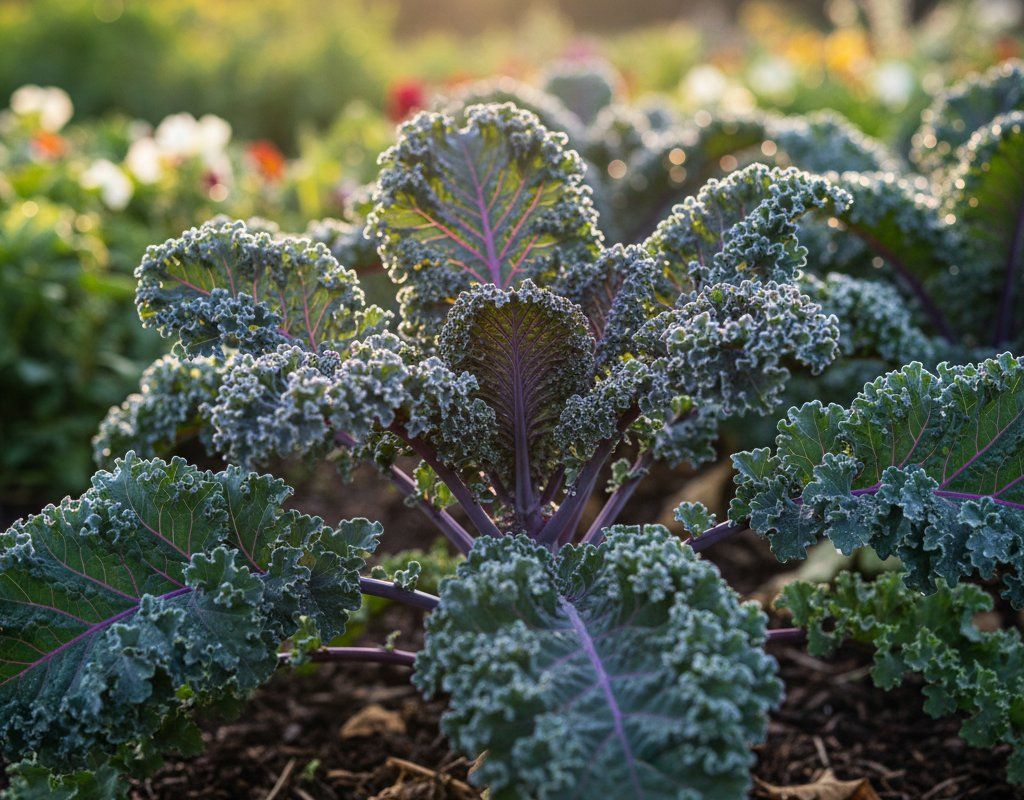
Kale in Zone 6A — Southeast
Brassica oleracea var. sabellica · Your Complete 2026 Planting Guide
Last Call for Seed Starting!
Indoor seed starting window closes in 9 days.
Start Seeds This Week
Start seeds now for transplanting later.
Or Wait for Starts
If you don’t want to start seeds, starts will be available around March 27.
How to Plant Kale in Zone 6A — Southeast
Here are all your options for getting kale in the ground, from the easiest method to more advanced approaches.
Direct Sow Seeds
RecommendedMid March through mid August
around March 13
Consider succession planting every 2-3 weeks for continuous harvest.
Hardy and easy to direct sow in spring or late summer for fall harvest.
Start Seeds Indoors
RecommendedMid February through mid March
around February 27
Then transplant: Late March through late April
Start seeds 4-6 weeks before transplanting outdoors.
Buy Starts
Works WellLate March through late April
around March 27
Plant purchased starts after last frost (April 10).
Transplant Outdoors
Timing InfoLate March through late April
around March 27
Can tolerate light frost, but wait for soil to be workable.
You have a nice window — no need to rush.
Fall Planting
Early August through early September
August 23 ideal · Direct sow for fall harvest
Plant a second crop in mid-summer for fall harvest. Kale actually prefers the cooling temperatures of fall.
Overview
Kale thrives in our Southeast Zone 6A gardens, giving you nutrient-packed greens that handle both our spring weather swings and fall cool-downs beautifully. The leaves develop incredible sweetness after our first light frost in late October, and unlike store-bought kale that often tastes bitter, homegrown varieties stay tender and flavorful when harvested regularly. You'll appreciate having fresh greens available when summer lettuce bolts in our heat.
Our hot, humid summers do present challenges for kale, but smart timing makes all the difference. With our generous 198-day growing season, you can enjoy two distinct growing periods - a productive spring harvest and an even better fall crop that sweetens as temperatures drop. The key is working with our climate patterns rather than fighting them.
Starting Seeds Indoors
Starting kale seeds indoors works well if you want a head start on spring planting, though it's not absolutely necessary given how easily kale direct sows. Start seeds mid-February through mid-March, about 4 weeks before your planned transplant date. Our moderate spring weather gives you flexibility with timing.
Set up seed trays with quality potting mix and keep them around 70°F for best germination. Bottom watering works better than overhead watering to prevent fungal issues - just set your seed trays in shallow water and let the soil absorb moisture from below. Once seedlings emerge, they'll need bright light from a sunny window or grow lights.
Your indoor seedlings will be ready to transplant in late March through late April, giving you earlier harvests than direct sowing. This method works particularly well if you're dealing with clay soil that's still too wet to work in early spring.
Transplanting Outdoors
Transplant your indoor-started kale seedlings outdoors from late March through late April, once soil temperatures consistently reach 45°F and the worst of our spring temperature swings have passed. These cool-weather lovers actually prefer being transplanted in cooler weather rather than waiting until it's warm.
Harden off seedlings gradually over a week by setting them outside for increasing periods each day, starting with just an hour or two. Our spring weather can be unpredictable with sudden warm spells followed by cool nights, so this gradual exposure helps them adjust. Space plants 12-18 inches apart to allow good air circulation - crucial in our humid climate.
Plant on a cloudy day or in late afternoon to reduce transplant shock. Our spring often brings afternoon thunderstorms that can batter newly transplanted seedlings, so consider temporary protection with overturned milk jugs or row covers for the first few days.
Direct Sowing
Direct sowing kale works beautifully in our Southeast gardens and is often the preferred method since kale doesn't mind cool soil. Sow seeds from mid-March through mid-August, with spring and late summer plantings giving the best results. Our reliable rainfall makes direct sowing particularly successful here.
Prepare your planting area by loosening clay soil and adding compost if needed - kale isn't fussy but appreciates good drainage. Plant seeds ¼ inch deep and space them to achieve 12-18 inches between mature plants. You can thin seedlings as they grow, using the baby greens in salads.
For fall harvests, direct sow in early August through early September. These late summer plantings often outperform spring crops because they mature in our cooler fall weather, avoiding the stress of transitioning into summer heat. Fall-planted kale will produce well into winter, especially with some frost protection.
Watering Kale in Zone 6A (Southeast)
Kale needs consistent moisture but not soggy conditions - aim for about 1 to 1.5 inches per week including rainfall. In our wet-summer climate, you'll often get plenty of natural irrigation from afternoon thunderstorms, but spring and fall may require supplemental watering. Use the finger test: stick your finger 2 inches into the soil, and water if it feels dry.
Water at the base of plants rather than overhead to reduce disease pressure in our humid climate. Overhead watering combined with our high humidity creates perfect conditions for fungal problems. A soaker hose or drip irrigation works well, or simply water by hand at soil level.
During our hot summer months, even fall-planted seedlings need extra attention. Morning watering is best - it gives plants time to dry before evening humidity sets in. Watch for signs of drought stress like tough, bitter leaves or premature bolting.
Mulch around plants with 2-3 inches of organic matter to retain moisture and keep roots cool. This is especially important during our transition from summer heat to fall growing conditions. Proper moisture management keeps leaves tender and sweet rather than tough and bitter.
🧪Fertilizing Kale
Feeding Schedule
Organic Fertilizer Options
Harvest Time
Your first kale harvest typically begins in early May for spring plantings and continues through early November with succession plantings and fall crops. Start harvesting outer leaves when they reach 8-10 inches long - usually around 55 days from seeding, though you can harvest baby greens much earlier.
Always harvest from the outside in, cutting or snapping off the oldest outer leaves while leaving the growing center intact. This allows the plant to keep producing new leaves from the center for weeks or even months. Take no more than one-third of the plant at any harvest to maintain vigorous growth.
Fall-harvested kale tastes significantly better than spring crops because cool weather and light frost convert starches to sugars. After our first light frost in late October, kale becomes incredibly sweet and tender. These plants will continue producing well into winter with minimal protection.
As hard frost approaches, harvest entire plants or cover them with row cover or cold frames. Properly protected kale can survive brief temperatures down to the teens, giving you fresh greens well past first frost when most other vegetables have finished for the season.
Common Problems in Zone 6A (Southeast)
Aphids appear as clusters of tiny, soft-bodied insects in green, black, or white on stems and leaf undersides. You'll notice sticky honeydew residue on leaves and curled or distorted new growth. Our warm, humid summers create perfect breeding conditions for these rapid-reproducing pests, and their populations can explode quickly in the heat.
Knock them off with a strong water spray from your hose, or encourage natural predators like ladybugs and lacewings. For heavy infestations, insecticidal soap works well, and neem oil provides systemic control. Avoid over-fertilizing with nitrogen, which creates the tender growth aphids love.
Cabbage worms show up as smooth green caterpillars on leaves, creating irregular holes and leaving dark green droppings behind. You'll see white butterflies hovering around your brassicas - they're laying eggs that become these destructive larvae. Multiple generations occur during our long growing season.
Bt (Bacillus thuringiensis) spray is highly effective and organic. Floating row covers prevent the butterflies from laying eggs in the first place. Handpicking works for small infestations, and interplanting with aromatic herbs like thyme and sage helps repel the adult butterflies.
Flea beetles create tiny round holes in leaves that look like someone shot the plant with a BB gun. These small, dark beetles jump when disturbed and cause the worst damage to young seedlings. They're particularly problematic during warm spring weather when plants are most vulnerable.
Protect seedlings with row covers during their most vulnerable stage, or delay planting until plants are larger and more resilient. Kaolin clay coating makes leaves less appealing, and neem oil provides good control. Interplanting with basil or catnip helps repel them naturally.
Southeast Specific Challenges: Our hot, humid summers create perfect conditions for fungal diseases on stressed plants, while Japanese beetles may also target kale during their peak season in midsummer. The combination of heat stress and high humidity makes proper spacing, good air circulation, and avoiding overhead watering even more critical here than in drier climates.
Best Companions for Kale
Plant these nearby for healthier Kale and better harvests.

Keep Away From
Companion Planting Details
Plant kale alongside beets, which share similar soil preferences and won't compete aggressively for space or nutrients. Celery makes an excellent companion because it has different rooting depths and helps maximize garden space efficiency. Onions planted nearby help repel aphids and cabbage worms while taking up minimal ground space.
Potatoes work well with kale because they're harvested at different times and don't compete directly. However, avoid planting kale near tomatoes, peppers, or strawberries - these crops can attract similar pests and may compete for nutrients. In our humid Southeast climate, good spacing between different plant families also helps prevent disease spread through improved air circulation.
🌸Best Flowers to Plant with Kale
These flowers protect your Kale from pests and attract pollinators for better harvests.




Get a Reminder When It's Time to Plant
We'll email you when key planting windows open for your zone.