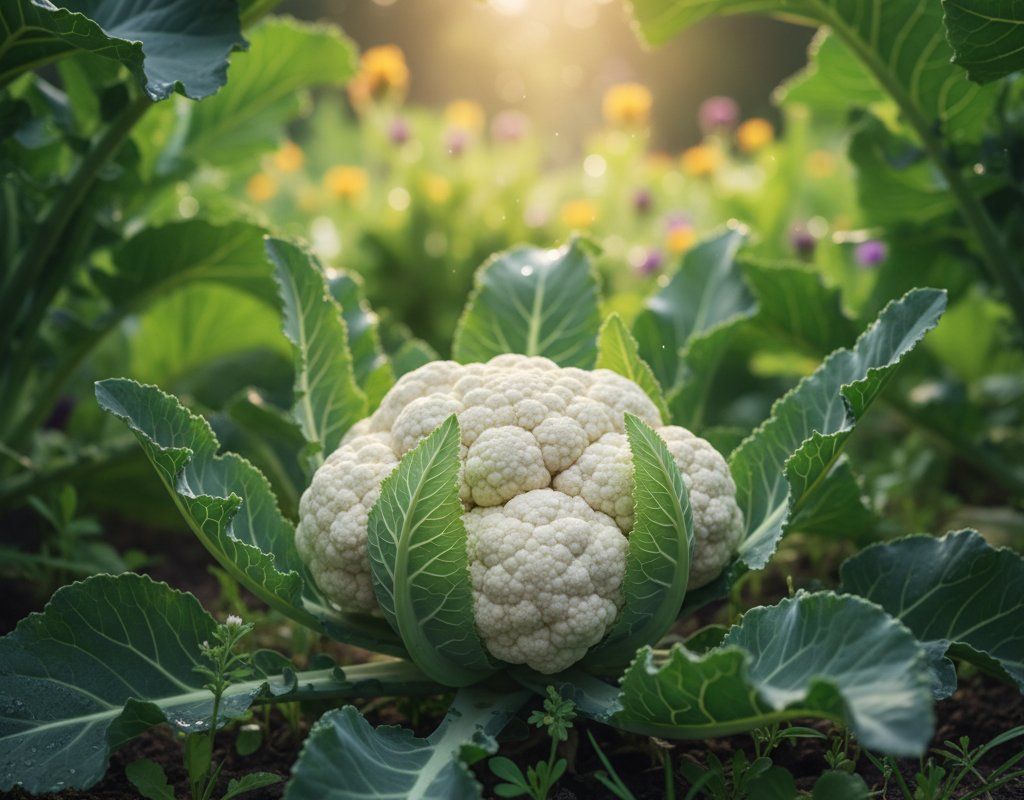
Cauliflower in Zone 6B — Mid-Atlantic
Brassica oleracea var. botrytis · Your Complete 2026 Planting Guide
Missed Seed Starting? No Problem!
Wait for starts to become available.
What to Do
Starts will be available at nurseries in 23 days (around March 27).
How to Plant Cauliflower in Zone 6B — Mid-Atlantic
Here are all your options for getting cauliflower in the ground, from the easiest method to more advanced approaches.
Start Seeds Indoors
RecommendedEarly to late February
around February 13
Then transplant: Late March through late April
Start seeds 6-8 weeks before transplanting outdoors.
Cauliflower is fussy. Starting indoors gives you more control.
Buy Starts
Works WellLate March through late April
around March 27
Plant purchased starts after last frost (April 10).
Direct Sow Seeds
ChallengingDirect sowing is not typical for Cauliflower.
Transplant Outdoors
Timing InfoLate March through late April
around March 27
Can tolerate light frost, but wait for soil to be workable.
You have a nice window — no need to rush.
Fall Planting
Early August through early September
August 23 ideal · Transplant for fall harvest
Plant a second crop in mid-summer for fall harvest. Cauliflower actually prefers the cooling temperatures of fall.
Overview
Cauliflower brings that satisfying "I grew this myself" feeling to your Mid-Atlantic garden, especially when you slice into a perfect white head you nursed from tiny seed. Our four distinct seasons and reliable rainfall create excellent conditions for this cool-weather crop, and there's nothing quite like the sweet, nutty flavor of fresh-picked cauliflower compared to the store-bought heads that often taste bland. You can grow both spring and fall crops here, maximizing your harvest window.
While cauliflower has a reputation for being finicky, our 198-day growing season gives you plenty of flexibility to work around those inevitable spring temperature swings and humid summers. The key is timing your plantings to avoid the worst heat and giving your plants consistent care through our variable spring weather.
Starting Seeds Indoors
Starting cauliflower seeds indoors is essential in the Mid-Atlantic since this crop needs steady conditions to develop properly. Begin sowing seeds from early to late February, about 6 weeks before you plan to transplant outdoors. You want your seedlings ready for that late March through late April transplant window when our spring weather starts to settle.
Set up your seed trays in a warm spot (65-70°F) with good light once germination occurs. Use bottom watering to keep the soil evenly moist without disturbing the tiny seedlings - this prevents the dreaded damping-off that can wipe out an entire tray overnight. Cauliflower seeds typically germinate within 7-10 days under proper conditions.
Our moderate spring startup means you're not racing against brutal heat like gardeners further south, so you have some wiggle room with timing. Just remember that cauliflower is fussy about temperature stress, so maintaining consistent growing conditions indoors gives you much better control than direct seeding outdoors.
Transplanting Outdoors
Plan to transplant your cauliflower seedlings outdoors from late March through late April, once they have 3-4 true leaves and our soil has warmed slightly. This timing window works well in the Mid-Atlantic because it gets plants established before summer heat arrives but after the worst of winter's grip has loosened.
Start hardening off your seedlings about a week before transplanting by gradually exposing them to outdoor conditions. Begin with just 2-3 hours of filtered sunlight and work up to full days outdoors. Watch for those late frost warnings that can pop up unexpectedly in April - you'll need to protect transplants if temperatures drop below 32°F.
Space your cauliflower plants 18-24 inches apart to give them room to develop those large heads. Our clay soil tends to stay cool longer in spring, which cauliflower actually prefers, but make sure you've worked in some compost to improve drainage since waterlogged roots will set your plants back significantly.
Watering Cauliflower in Zone 6B (Mid-Atlantic)
Cauliflower is extremely sensitive to watering stress, and inconsistent moisture will cause "buttoning" - those disappointing tiny heads that never develop properly. In our Mid-Atlantic climate with its moderate-to-hot summers and humid conditions, you need to maintain steady soil moisture without creating soggy conditions that invite disease.
Aim for about 1-1.5 inches of water per week, including rainfall. Our region typically gets 40-50 inches annually with fairly even distribution, so you'll supplement natural rain rather than doing all the work yourself. Use the finger test - stick your finger 2 inches into the soil near the plant base, and if it feels dry, it's time to water deeply.
Water at the base of plants rather than overhead to reduce disease problems in our humid summers. Overhead watering can promote fungal issues when temperatures climb into the 80s and humidity stays high. A 2-3 inch layer of organic mulch helps maintain even soil moisture and keeps roots cooler during those 88°F summer days.
Watch for signs of stress: wilting during the hottest part of the day (even with adequate soil moisture) is normal, but drooping that persists into evening means you need more water. Yellowing lower leaves often indicate overwatering, especially in our clay soils that drain slowly.
🧪Fertilizing Cauliflower
Feeding Schedule
Organic Fertilizer Options
Harvest Time
Your first cauliflower heads should be ready from early June through late July, roughly 70 days after transplanting. Look for tight, white, compact heads that measure 6-8 inches across - they should feel firm and heavy for their size. The individual curds should still be tightly packed together without any signs of separation or yellowing.
Cut the entire head at the base with a sharp knife, leaving the outer leaves intact. Unlike some crops, cauliflower won't produce additional heads after the main harvest, so each plant gives you one shot at a perfect head. Time your harvest carefully because once the curds start to loosen or discolor, the quality drops rapidly.
For fall plantings started in early August through early September, you'll harvest from late October right up until our first hard frost arrives. These fall heads often have superior flavor since they mature in cooler weather. If a light frost threatens before heads are fully mature, you can cover plants with row covers or even harvest slightly undersize heads rather than lose them entirely.
The beauty of fall cauliflower in our climate is that heads can sit in the garden for several weeks once mature, as long as temperatures stay cool. This gives you flexibility to harvest as needed rather than processing everything at once.
Common Problems in Zone 6B (Mid-Atlantic)
Buttoning shows up as tiny, premature heads that never develop beyond 2-3 inches across. You'll see the white curd formation start normally, then just stop growing. This happens when plants experience stress from inconsistent watering, temperature fluctuations, or root disturbance during our variable spring weather. Maintain steady soil moisture and avoid disturbing established plants to prevent this frustrating problem.
Cabbage worms appear as smooth green caterpillars that chew irregular holes in your cauliflower leaves, leaving behind dark green droppings. You'll often notice white butterflies fluttering around your plants before the damage appears. Our humid summers create ideal conditions for multiple generations of these pests. Bt (Bacillus thuringiensis) spray works excellently for control, or use floating row covers to prevent the butterflies from laying eggs in the first place.
Heat stress shows as leaves wilting even when soil moisture is adequate, or heads that bolt to seed without forming proper curds. This becomes a real challenge during our humid summers when temperatures hit the upper 80s and nighttime temperatures stay warm. Provide afternoon shade during the hottest weeks of July and August, and ensure consistent moisture to help plants cope with temperature stress.
Mid-Atlantic specific challenges include deer pressure on young transplants and Japanese beetles occasionally feeding on leaves during summer. Our clay soil can also create drainage issues during heavy spring rains, so work in organic matter before planting to improve soil structure.
Best Companions for Cauliflower
Plant these nearby for healthier Cauliflower and better harvests.


Keep Away From
Companion Planting Details
Plant cauliflower alongside beets and spinach, which appreciate similar cool conditions and won't compete heavily for nutrients. Onions make excellent companions because their strong scent helps deter cabbage worms and other pests that target brassicas. Celery grows well with cauliflower since both prefer consistent moisture and can benefit from the same watering schedule in our humid climate.
Avoid planting cauliflower near tomatoes, peppers, or strawberries. These plants have different nutrient needs and watering requirements that don't mesh well with cauliflower's preferences. Tomatoes and peppers also attract different pest complexes that can create additional management headaches when grown too close together in our Mid-Atlantic growing conditions.
🌸Best Flowers to Plant with Cauliflower
These flowers protect your Cauliflower from pests and attract pollinators for better harvests.




Get a Reminder When It's Time to Plant
We'll email you when key planting windows open for your zone.