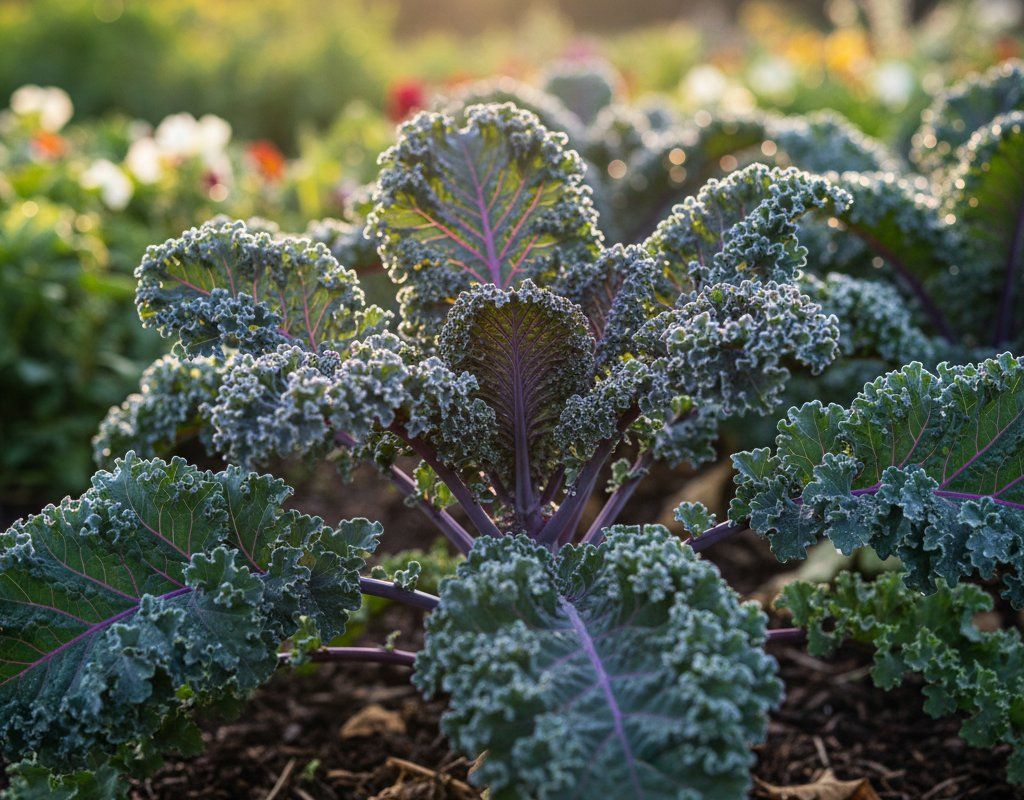
Kale in Zone 6B — Mid-Atlantic
Brassica oleracea var. sabellica · Your Complete 2026 Planting Guide
Last Call for Seed Starting!
Indoor seed starting window closes in 9 days.
Start Seeds This Week
Start seeds now for transplanting later.
Or Wait for Starts
If you don’t want to start seeds, starts will be available around March 27.
How to Plant Kale in Zone 6B — Mid-Atlantic
Here are all your options for getting kale in the ground, from the easiest method to more advanced approaches.
Direct Sow Seeds
RecommendedMid March through mid August
around March 13
Consider succession planting every 2-3 weeks for continuous harvest.
Hardy and easy to direct sow in spring or late summer for fall harvest.
Start Seeds Indoors
RecommendedMid February through mid March
around February 27
Then transplant: Late March through late April
Start seeds 4-6 weeks before transplanting outdoors.
Buy Starts
Works WellLate March through late April
around March 27
Plant purchased starts after last frost (April 10).
Transplant Outdoors
Timing InfoLate March through late April
around March 27
Can tolerate light frost, but wait for soil to be workable.
You have a nice window — no need to rush.
Fall Planting
Early August through early September
August 23 ideal · Direct sow for fall harvest
Plant a second crop in mid-summer for fall harvest. Kale actually prefers the cooling temperatures of fall.
Overview
Kale thrives in our Mid-Atlantic climate, giving you one of the most reliable cool-season greens you can grow. The plant loves our moderate spring weather and actually improves in flavor after our first light frosts in late October. With multiple varieties from curly to lacinato, you'll have fresh, nutrient-packed leaves from early May straight through November - and sometimes even into December if you protect them.
Our humid summers can stress some greens, but kale handles the heat better than most leafy crops. Yes, you'll deal with cabbage worms and the occasional drought stress, but proper timing makes these challenges manageable. With our 198-day growing season, you have plenty of flexibility to plant successive crops for continuous harvest.
Starting Seeds Indoors
Starting kale indoors works well if you want an early spring harvest or prefer controlled germination. Start seeds mid-February through mid-March, about 4 weeks before you plan to transplant outside. Our moderate spring character gives you good timing flexibility here.
Use seed trays with quality potting mix and keep them at 65-70°F for best germination. Bottom watering works better than overhead watering - it prevents damping off and keeps soil evenly moist without waterlogging. Your seedlings will be ready to harden off by late March when our spring weather starts stabilizing.
The main advantage of indoor starts is getting ahead of flea beetles, which can devastate tiny direct-sown seedlings. Transplants that are already 4-5 inches tall can handle these pests much better than vulnerable seedlings emerging from soil.
Transplanting Outdoors
Transplant your kale seedlings from late March through late April, once soil temperatures reach 40°F consistently. This timing usually aligns with our last frost window, though you can plant earlier since kale tolerates light frost just fine. Watch for those warm spells in early March that tempt you to plant too early - wait for more stable weather patterns.
Harden off seedlings for a full week before transplanting. Start with 2-3 hours outside in a protected spot, gradually increasing exposure. Our variable spring weather makes this step crucial - sudden temperature swings can shock tender indoor-grown plants.
Space transplants 12-18 inches apart in rows or blocks. The wider spacing gives you room to harvest outer leaves without crowding, and improves air circulation in our humid climate. Plant them slightly deeper than they were growing in their containers to encourage strong root development.
Direct Sowing
Direct sowing works beautifully for kale, especially for fall harvests. You can sow from mid-March through mid-August, giving you tremendous flexibility. Spring sowings (mid-March through April) give you early summer harvests, while late summer sowings (early August through early September) provide the sweetest fall and winter kale.
Prepare your soil by working in compost - this helps with our common clay soil issues and provides steady nutrition. Sow seeds ¼ inch deep and thin to 12-18 inches apart once they're established. Soil temperature should be at least 40°F, which happens reliably by mid-March in our region.
The biggest advantage of direct sowing is avoiding transplant shock, and it's much easier for succession planting. Fall-sown kale often produces better than spring plantings since it matures in cool weather rather than heading into our humid summer heat. Just watch out for flea beetles on young seedlings - row covers help during the vulnerable first few weeks.
Watering Kale in Zone 6B (Mid-Atlantic)
Kale needs consistent moisture but not soggy soil - aim for about 1-1.5 inches per week including rainfall. Our even annual rainfall of 40-50 inches helps, but summer dry spells still require supplemental watering. Use the finger test: if soil feels dry 2 inches down, it's time to water deeply.
Water at the base of plants rather than overhead, especially during our humid summers. Overhead watering in high humidity invites fungal problems, and wet leaves in evening humidity don't dry quickly. Soaker hoses or drip irrigation work perfectly for kale's moderate water needs.
Watch for signs of water stress: tough, bitter leaves indicate drought stress, while yellowing lower leaves often signal overwatering or poor drainage. Our clay soils can hold too much water, so amend heavy areas with compost for better drainage. Drought-stressed kale becomes nearly inedible, so consistent moisture is key.
A 2-3 inch layer of organic mulch helps retain moisture during our moderate-to-hot summers (typical highs around 88°F) while keeping soil cooler. Straw or shredded leaves work well and break down to improve soil structure over time.
🧪Fertilizing Kale
Feeding Schedule
Organic Fertilizer Options
Harvest Time
Your first kale harvest typically comes in early May from spring plantings, continuing through early November with succession plantings. Plants reach full size in about 55 days, but you can start harvesting outer leaves when they're 8-10 inches long, usually around 30-40 days from sowing.
Always harvest from the outside working in, leaving the growing center intact. Cut or twist off individual leaves at the base - don't just tear them. This keeps the plant producing new leaves from the center for months. A single plant can provide 20-30 harvests with proper care.
Flavor actually improves after light frost, which typically arrives in late October here. Those first frosty mornings convert starches to sugars, making the leaves noticeably sweeter. You can often harvest well into November, and sometimes December with row cover protection.
As temperatures drop toward our first hard freeze, harvest heavily and store leaves in the refrigerator. They'll keep for a week or two, much longer than summer harvests. The plants will eventually succumb to hard freezes, but you'll get months of production from each sowing.
Common Problems in Zone 6B (Mid-Atlantic)
Aphids cluster on stem tips and leaf undersides as tiny green, black, or white insects. You'll notice sticky honeydew residue and curled new growth. Our humid summers create perfect conditions for aphid population explosions, especially when paired with high nitrogen fertilizer.
Strong water sprays knock them off effectively - do this in morning so plants dry quickly in our humidity. Encourage beneficial insects like ladybugs and lacewings with diverse plantings. For heavy infestations, insecticidal soap works well, but avoid neem oil during our hottest, most humid weeks as it can stress plants further.
Cabbage worms appear as smooth green caterpillars that chew irregular holes in leaves, leaving dark green droppings behind. White butterflies fluttering around your plants indicate egg-laying activity. Our long growing season means multiple generations per year.
Bt (Bacillus thuringiensis) spray is extremely effective and safe for beneficial insects. Apply in evening to avoid harming pollinators. Floating row covers prevent egg laying but remove them during flowering if you're growing for seed. Handpicking works for small infestations, and aromatic herbs like thyme planted nearby can deter the butterflies.
Flea beetles create tiny round holes in leaves, giving them a shot-hole appearance. These small, dark beetles jump when disturbed and cause the most damage to young seedlings. Our variable spring weather can stress plants, making them more susceptible to damage.
Row covers during the first 3-4 weeks protect vulnerable seedlings completely. You can also delay planting until late April when plants grow faster and outgrow damage more quickly. Kaolin clay coating makes leaves less attractive to beetles, and interplanting with basil or catnip provides natural deterrence.
Mid-Atlantic Specific Challenges: Our humid summers stress brassicas and encourage fungal problems, while variable spring weather can weaken young plants. The combination of moderate-to-hot heat and high humidity means excellent air circulation and avoiding overhead watering become critical for healthy kale production.
Best Companions for Kale
Plant these nearby for healthier Kale and better harvests.

Keep Away From
Companion Planting Details
Plant kale with beets, celery, onions, and potatoes for mutual benefits. Beets and kale have similar water and nutrient needs, while their different root depths mean no competition. Celery appreciates kale's light shade during hot afternoons, and onions help deter cabbage worms and aphids with their strong scent. Potatoes provide natural pest control by attracting beneficial insects that prey on kale pests.
Avoid planting kale near tomatoes, peppers, or strawberries. These plants prefer different soil pH levels and watering schedules that don't match kale's needs. In our humid climate, the spacing competition also reduces air circulation, increasing fungal disease risk for all plants involved.
🌸Best Flowers to Plant with Kale
These flowers protect your Kale from pests and attract pollinators for better harvests.




Get a Reminder When It's Time to Plant
We'll email you when key planting windows open for your zone.