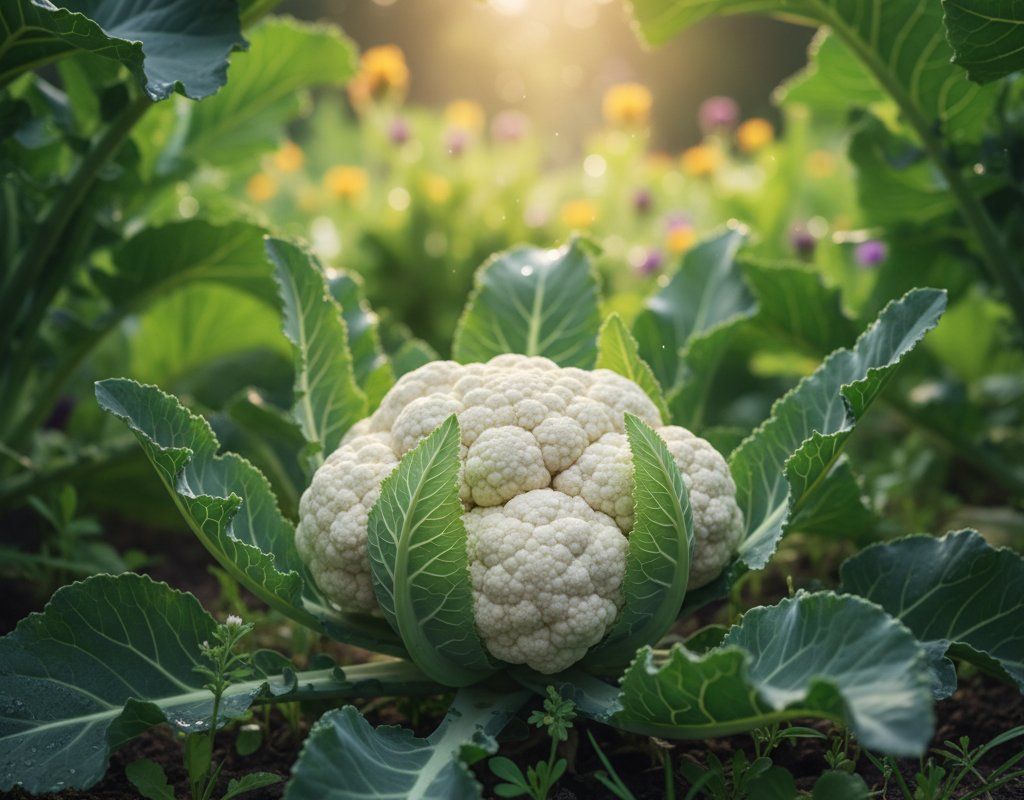
Cauliflower in Zone 6B — Northeast
Brassica oleracea var. botrytis · Your Complete 2026 Planting Guide
Missed Seed Starting? No Problem!
Wait for starts to become available.
What to Do
Starts will be available at nurseries in 28 days (around April 1).
How to Plant Cauliflower in Zone 6B — Northeast
Here are all your options for getting cauliflower in the ground, from the easiest method to more advanced approaches.
Start Seeds Indoors
RecommendedMid February through early March
around February 18
Then transplant: Early to late April
Start seeds 6-8 weeks before transplanting outdoors.
Cauliflower is fussy. Starting indoors gives you more control.
Buy Starts
Works WellEarly to late April
around April 1
Plant purchased starts after last frost (April 15).
Direct Sow Seeds
ChallengingDirect sowing is not typical for Cauliflower.
Transplant Outdoors
Timing InfoEarly to late April
around April 1
Can tolerate light frost, but wait for soil to be workable.
You have a nice window — no need to rush.
Fall Planting
Late July through late August
August 13 ideal · Transplant for fall harvest
Plant a second crop in mid-summer for fall harvest. Cauliflower actually prefers the cooling temperatures of fall.
Overview
Growing cauliflower in our Zone 6B Northeast gardens rewards you with sweet, nutty heads that put grocery store versions to shame. Our cool nights during the summer months actually improve cauliflower's flavor, making it less bitter and more complex than what you'll find in warmer regions. The satisfaction of cutting a perfect white head from your own garden after months of careful tending is hard to beat, especially when you know it developed in our challenging but rewarding climate.
With our short 183-day growing season and unpredictable spring weather, cauliflower might seem intimidating at first. But the timing windows work well here – you can start seeds indoors while winter still has its grip, transplant after our late spring settles down, and harvest during our productive summer months. The key is working with our region's rhythm rather than fighting it.
Starting Seeds Indoors
Starting cauliflower seeds indoors is essential in our Northeast climate since direct sowing just doesn't give you enough time before summer heat arrives. Begin your seeds from mid-February through early March, about 6 weeks before you plan to transplant outdoors. Our late spring character makes indoor starting the only reliable way to get strong transplants ready when conditions are right.
Set up your seed trays in a warm spot – cauliflower germinates best around 70°F. Bottom watering works particularly well for brassica seedlings since it encourages strong root development without disturbing the tiny seeds. Keep the soil consistently moist but not soggy, and provide good light once seedlings emerge.
Cauliflower can be fussy about temperature swings and stress, which makes the controlled environment indoors crucial during our unpredictable late winter and early spring weather. Your seedlings will be much stronger and more resilient when transplant time arrives.
Transplanting Outdoors
Plan to move your cauliflower seedlings outdoors from early to late April, once soil temperatures reach about 50°F and the worst of our spring temperature swings have passed. Start hardening off your seedlings about a week before transplanting by gradually exposing them to outdoor conditions – begin with just an hour or two outside, then increase daily.
Space your transplants 18 to 24 inches apart in rows, giving them plenty of room to develop their large heads. Our rocky New England soil benefits from some compost worked in at planting time, which also helps with drainage during our spring rains.
Watch the weather closely during transplant season – a late cold snap can stress young cauliflower plants and cause them to form tiny, premature heads later. If temperatures threaten to drop below 40°F for several nights in a row, protect your transplants with row covers or even overturned buckets.
Watering Cauliflower in Zone 6B (Northeast)
Cauliflower is incredibly sensitive to watering stress, and inconsistent moisture is the fastest way to end up with "buttoning" – those disappointing tiny heads that form prematurely. In our Northeast climate with moderate summer temperatures and fairly even rainfall, you'll typically need to supplement natural precipitation rather than rely entirely on irrigation.
Aim for about 1 to 1.5 inches of water per week, including rainfall. Use the finger test – stick your finger 2 inches into the soil near your plants. If it feels dry at that depth, it's time to water. Our moderate-to-humid summers mean the soil surface might look moist when deeper layers are actually getting dry.
Water at the base of plants rather than overhead, especially during our humid summer nights. Wet foliage in humid conditions can encourage fungal problems. A 2-inch layer of straw mulch helps maintain even soil moisture and keeps the soil cooler during our brief but productive summer peak.
Signs of underwatering include wilting during the day and slower growth. Overwatering shows up as yellowing lower leaves and stunted development. In our climate with regular summer showers, overwatering is often more of a problem than drought stress.
🧪Fertilizing Cauliflower
Feeding Schedule
Organic Fertilizer Options
Harvest Time
Your first cauliflower heads should be ready from early June through late July, roughly 70 days after transplanting. Look for compact, white heads about 6 to 8 inches across with tight, fine curds that haven't started to separate or show any yellowing. The heads develop quickly once they start forming, so check your plants every few days.
Cut the entire head with a sharp knife, taking some stem with it. Don't try to harvest individual florets – cauliflower doesn't regrow like broccoli. The window between perfect ripeness and over-maturity is narrow, especially as summer temperatures climb.
If you're growing a fall crop, those heads typically develop more slowly and can handle our early fall weather better than spring plantings handle summer heat. Fall cauliflower often has better flavor since it matures during our cooler autumn nights.
As our first frost approaches in mid-October, harvest any remaining heads regardless of size. Small heads are still perfectly usable, and cauliflower doesn't continue developing once cold weather arrives.
Common Problems in Zone 6B (Northeast)
Buttoning (Premature Small Heads) Your cauliflower forms tiny, button-sized heads instead of full-sized ones. The heads might be only 2-3 inches across and quickly go to flower. This happens when plants experience stress during their early growth – usually from temperature swings, inconsistent watering, or transplant shock. Our Northeast spring weather with its temperature fluctuations is a common trigger. Prevent buttoning by maintaining consistent soil moisture, protecting transplants from late cold snaps, and ensuring plants are well-established before hot weather arrives.
Cabbage Worms Look for smooth green caterpillars on your cauliflower leaves, along with irregular holes chewed through the foliage and dark green droppings. You'll often see white butterflies hovering around your plants during the day. These are the larvae of cabbage white butterflies, which can have multiple generations during our growing season. Bt spray works excellently against cabbage worms and is safe for beneficial insects. Floating row covers prevent the butterflies from laying eggs, and handpicking works well in small gardens. Interplanting with aromatic herbs like thyme and sage can help deter the adults.
Heat Stress Cauliflower leaves may wilt during the day even with adequate moisture, and head development slows or stops entirely. While our Northeast summers are moderate compared to hotter regions, sustained temperatures above 80°F can still stress cauliflower, especially during humid stretches. Plant early varieties and time your plantings to avoid peak summer heat. Provide afternoon shade during the hottest part of summer, and maintain consistent soil moisture to help plants cope with temperature stress.
Northeast Specific Challenges: Our moderate summer heat and moderate-to-humid conditions actually favor cauliflower better than many regions, but the short growing season means timing is critical. The combination of late spring frosts and early fall frosts gives you a narrow window for success, making indoor starting and careful variety selection essential.
Best Companions for Cauliflower
Plant these nearby for healthier Cauliflower and better harvests.


Keep Away From
Companion Planting Details
Plant cauliflower alongside beets, celery, onions, and spinach for the best results in your Northeast garden. Beets make excellent companions because they don't compete for space – their taproots grow deep while cauliflower has shallow, spreading roots. Celery and cauliflower have similar water needs, which works well with our fairly even rainfall patterns. Onions help deter cabbage worms and other pests that target brassicas, while spinach provides living mulch that keeps soil cool during our summer months.
Avoid planting cauliflower near tomatoes, peppers, or strawberries. These plants attract different pests and diseases that can spread to your cauliflower, and they also have very different nutrient and watering requirements. In our moderate Northeast climate, you want companions that appreciate consistent moisture and cool soil conditions rather than heat-lovers that prefer drier growing conditions.
🌸Best Flowers to Plant with Cauliflower
These flowers protect your Cauliflower from pests and attract pollinators for better harvests.




Get a Reminder When It's Time to Plant
We'll email you when key planting windows open for your zone.