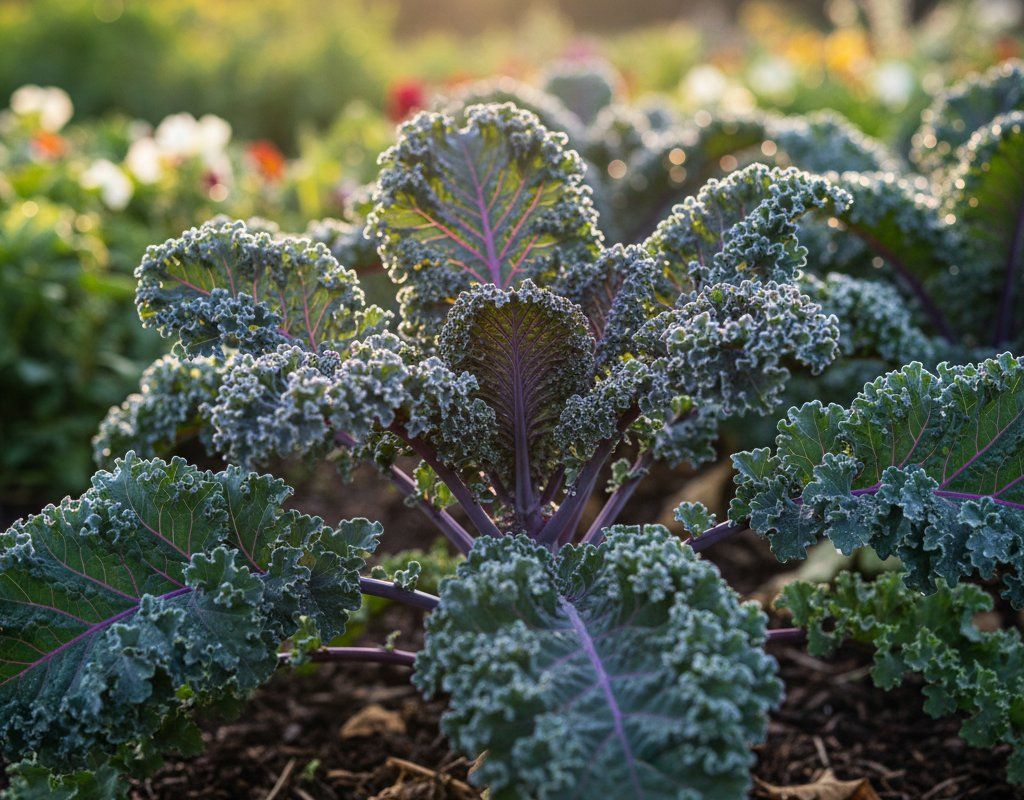
Kale in Zone 6B — Northeast
Brassica oleracea var. sabellica · Your Complete 2026 Planting Guide
Last Call for Seed Starting!
Indoor seed starting window closes in 14 days.
Start Seeds This Week
Start seeds now for transplanting later.
Or Wait for Starts
If you don’t want to start seeds, starts will be available around April 1.
How to Plant Kale in Zone 6B — Northeast
Here are all your options for getting kale in the ground, from the easiest method to more advanced approaches.
Direct Sow Seeds
RecommendedMid March through early August
around March 18
Consider succession planting every 2-3 weeks for continuous harvest.
Hardy and easy to direct sow in spring or late summer for fall harvest.
Start Seeds Indoors
RecommendedLate February through mid March
around March 4
Then transplant: Early to late April
Start seeds 4-6 weeks before transplanting outdoors.
Buy Starts
Works WellEarly to late April
around April 1
Plant purchased starts after last frost (April 15).
Transplant Outdoors
Timing InfoEarly to late April
around April 1
Can tolerate light frost, but wait for soil to be workable.
You have a nice window — no need to rush.
Fall Planting
Late July through late August
August 13 ideal · Direct sow for fall harvest
Plant a second crop in mid-summer for fall harvest. Kale actually prefers the cooling temperatures of fall.
Overview
Kale thrives in our Zone 6B Northeast climate, delivering sweet, tender leaves that actually improve after our first light frosts. Unlike heat-stressed kale from warmer regions, our cool summer nights and moderate temperatures produce exceptionally flavorful greens with better texture. You'll harvest continuously from late spring through fall, making it one of the most productive crops for our relatively short but excellent cool-season growing window.
Our 183-day growing season might feel limiting, but kale actually prefers our Northeast conditions over the scorching summers found elsewhere. The key is working with our late spring start and early fall finish—time your plantings right, and you'll have fresh kale from May through October, even after the first frost sweetens the leaves.
Starting Seeds Indoors
Starting kale seeds indoors makes sense if you want the earliest possible harvest or prefer transplants over direct seeding. Sow seeds from late February through mid-March, about four weeks before our transplant window opens in early April. This timing works well with our characteristically late spring, giving you sturdy plants ready when the weather cooperates.
Use standard seed-starting trays with a quality potting mix, keeping soil consistently moist through bottom watering—this prevents damping off, which can be an issue in our moderate humidity. Seeds germinate quickly at 65-70°F, so a sunny windowsill or grow light setup works fine. Start hardening off transplants a week before your planned outdoor date.
While kale transplants beautifully, many Northeast gardeners find direct sowing just as reliable and less work, especially for fall crops when timing is less critical.
Transplanting Outdoors
Transplant your indoor-started kale seedlings from early to late April, depending on soil conditions and weather patterns. Our late springs mean patience pays off—wait until soil is workable and night temperatures consistently stay above 25°F. Kale handles light frost fine, but newly transplanted seedlings need a week to establish roots before facing harsh conditions.
Space transplants 12-18 inches apart in prepared beds, giving them room to develop into full-sized plants. The wider spacing works better for our sometimes-rocky New England soil, allowing easier cultivation around established plants. Harden off transplants gradually over a week, starting with a few hours outdoors in a sheltered spot and building up to full exposure.
Our unpredictable April weather—warm spells followed by sudden cold snaps—makes transplants a bit trickier than direct sowing. Keep row covers handy for unexpected late freezes, though established kale plants typically bounce back from brief temperature drops.
Direct Sowing
Direct sowing works exceptionally well for kale in our Northeast climate, often producing stronger plants than transplants. Sow seeds from mid-March through early August—the spring sowings give you early summer harvests, while late summer plantings provide fall and early winter greens after frost sweetens the flavor.
Prepare beds by working compost into our typically rocky soil, creating a fine seedbed for small seeds. Kale germinates readily in cool soil (45-75°F), making it perfect for our spring conditions when many warm-season crops would fail. Sow seeds ¼ inch deep, spacing them for final distances of 12-18 inches apart, or plant more densely and thin later.
Our even rainfall pattern usually provides adequate moisture for germination, though you might need supplemental watering during dry spells. The main advantage of direct sowing here is avoiding transplant shock and root disturbance—particularly valuable in our shorter growing season where every week counts.
Watering Kale in Zone 6B (Northeast)
Kale needs consistent moisture but handles our moderate Northeast climate beautifully without the intensive watering required in hotter regions. With our typical 40-50 inches of annual rainfall spread fairly evenly, you'll often find natural precipitation handles much of your watering needs, especially during spring and fall growing periods.
Check soil moisture using the finger test—stick your finger 2 inches down, and water deeply if it's dry at that level. During our moderate summers (typical highs around 82°F), plan on about 1-1.5 inches per week including rainfall. Our moderate-to-humid conditions mean morning watering at soil level works better than overhead sprinkling, which can encourage fungal issues on dense foliage.
Watch for signs of stress: drought makes kale leaves tough and bitter, while overwatering in our sometimes clay-heavy soils causes yellowing lower leaves. Wilting during hot afternoons is normal—check soil moisture in early morning before deciding to water.
A 2-3 inch mulch layer helps maintain even moisture in our variable weather patterns. Organic mulches like grass clippings or shredded leaves work well here, breaking down to improve our often-challenging soil while moderating moisture swings between rainy periods and dry spells.
🧪Fertilizing Kale
Feeding Schedule
Organic Fertilizer Options
Harvest Time
Expect your first kale harvest from mid-May through late October, depending on planting timing. Spring-sown kale typically reaches harvestable size about 55 days from seeding, while fall plantings often produce right up to our first hard freeze in mid-October. The beauty of kale in our climate is the extended harvest window our cool conditions provide.
Begin harvesting when outer leaves reach 8-10 inches long, cutting or snapping them off at the base while leaving the central growing point intact. This "cut and come again" approach keeps plants producing new leaves for months. Take only 3-4 outer leaves at a time, allowing the center to continue developing—you'll get continuous harvests rather than a single large cutting.
Our first light frosts actually improve kale flavor, converting starches to sugars and reducing any residual bitterness. Don't rush to harvest everything before frost hits—kale easily survives temperatures down to the mid-20s and often tastes best after these cold snaps. The leaves become sweeter and more tender.
As our growing season winds down in mid-October, harvest becomes a race against hard freezes. Cut entire plants for storage, or continue picking individual leaves until a hard freeze (below 20°F) finally ends the season. Many Northeast gardeners get surprised by how long kale continues producing into fall.
Common Problems in Zone 6B (Northeast)
Aphids appear as clusters of tiny soft-bodied insects (green, black, or white) on stems and leaf undersides, leaving sticky honeydew residue and causing curled, distorted new growth. Our moderate summer temperatures create ideal breeding conditions for these sap-sucking pests, though they're less problematic here than in consistently hot climates. Populations typically peak during warm spells in mid-summer. Strong water sprays knock them off effectively, and encouraging beneficial insects like ladybugs helps long-term control. For heavy infestations, insecticidal soap works well in our moderate humidity without the leaf burn risk common in hotter regions.
Cabbage worms show up as smooth green caterpillars creating irregular holes in leaves, with dark green droppings as evidence of their feeding. These larvae of white cabbage butterflies can have multiple generations in our growing season, becoming most troublesome during warm summer periods. Our moderate climate means less continuous pressure than southern regions face. Bt spray proves very effective here, and floating row covers prevent adult butterflies from laying eggs. Many Northeast gardeners find handpicking caterpillars manageable given our shorter intense growing season.
Flea beetles create tiny round holes giving leaves a shot-hole appearance, with small dark beetles that jump when disturbed. These are most damaging to young seedlings and can be particularly troublesome in our rocky soils where they overwinter in debris. Our late springs sometimes concentrate flea beetle emergence with vulnerable transplant timing. Row covers during the early growth stage protect seedlings effectively, and many gardeners delay planting until plants are larger and less susceptible. Kaolin clay spray provides good protection without affecting beneficial insects.
Northeast Specific Challenges: Our moderate heat and humidity levels generally reduce pest pressure compared to southern regions, but our concentrated growing season means problems can impact yields more significantly. The combination of cool nights and moderate days actually favors healthy kale growth over most pest development, making this one of our most reliable crops.
Best Companions for Kale
Plant these nearby for healthier Kale and better harvests.

Keep Away From
Companion Planting Details
Plant kale alongside beets and onions for an excellent Northeast combination—beets appreciate the same cool conditions and won't compete for space since they grow below ground, while onions help deter many brassica pests that can be problematic in our moderate humidity. Celery makes another good neighbor, thriving in the same consistently moist soil conditions kale prefers and benefiting from the partial shade mature kale plants can provide during our warmer summer periods.
Avoid planting kale near tomatoes, peppers, or strawberries, which have different soil and watering needs that don't match our regional growing patterns. These warm-season crops prefer the hottest spots in your garden and benefit from soil that dries out between waterings, while kale needs consistent moisture and actually performs better in the cooler areas of your Northeast garden where these other plants would struggle.
🌸Best Flowers to Plant with Kale
These flowers protect your Kale from pests and attract pollinators for better harvests.




Get a Reminder When It's Time to Plant
We'll email you when key planting windows open for your zone.