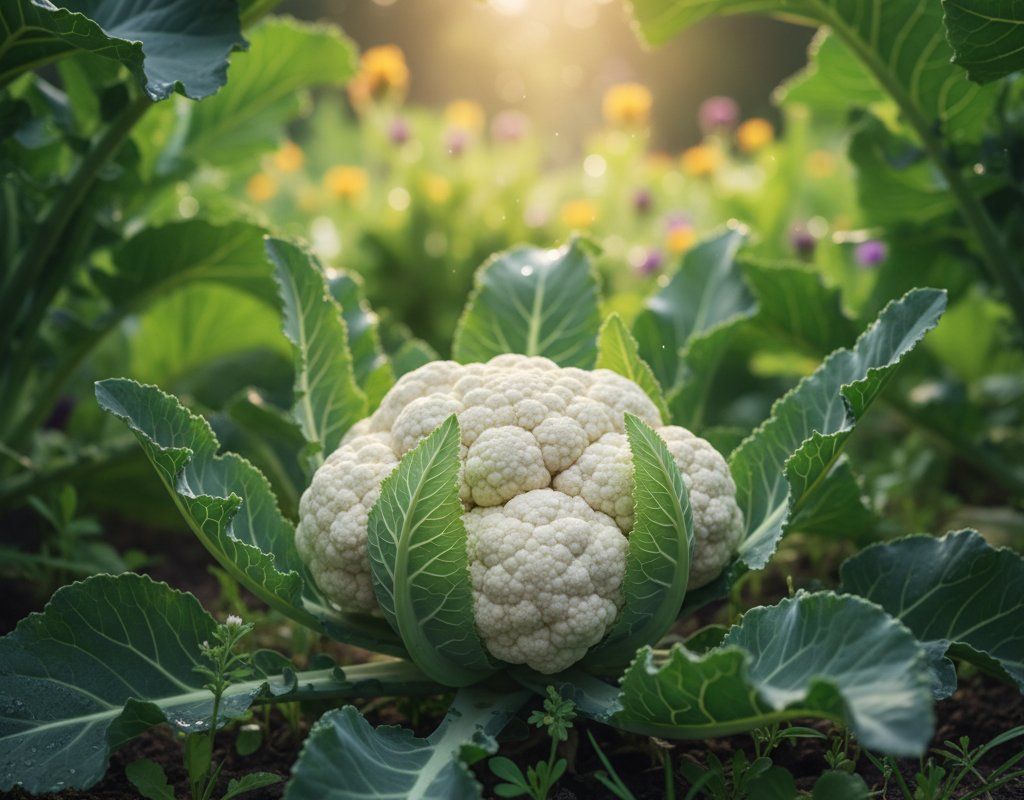
Cauliflower in Zone 6B — Pacific Northwest
Brassica oleracea var. botrytis · Your Complete 2026 Planting Guide
Ideal Time: Start Seeds Indoors!
This is the perfect time for the biggest, best harvest.
Start Seeds Now
- Start seeds in trays or pots with seed-starting mix
- Keep soil moist and warm (70-80°F)
- Transplant outdoors Mid April through mid May
Not Starting from Seed?
Buy starts around April 17 — that works great too!
How to Plant Cauliflower in Zone 6B — Pacific Northwest
Here are all your options for getting cauliflower in the ground, from the easiest method to more advanced approaches.
Start Seeds Indoors
RecommendedLate February through mid March
around March 6
Then transplant: Mid April through mid May
Start seeds 6-8 weeks before transplanting outdoors.
Cauliflower is fussy. Starting indoors gives you more control.
Buy Starts
Works WellMid April through mid May
around April 17
Plant purchased starts after last frost (May 1).
Direct Sow Seeds
ChallengingDirect sowing is not typical for Cauliflower.
Transplant Outdoors
Timing InfoMid April through mid May
around April 17
Can tolerate light frost, but wait for soil to be workable.
You have a nice window — no need to rush.
Fall Planting
Late July through late August
August 8 ideal · Transplant for fall harvest
Plant a second crop in mid-summer for fall harvest. Cauliflower actually prefers the cooling temperatures of fall.
Overview
Cauliflower thrives in our Pacific Northwest climate, where our mild summers and cool nights create perfect conditions for developing those dense, sweet heads. Unlike store-bought versions that often taste bitter or woody, homegrown cauliflower in Zone 6B develops exceptional flavor thanks to our consistent moisture and temperatures that rarely push above 90°F.
Yes, cauliflower has a reputation for being finicky, and our cool spring soils and wet conditions can present challenges. But with proper timing in our 162-day growing season, you can work with these conditions rather than against them. The key is starting indoors and transplanting when soil temperatures have warmed sufficiently.
Starting Seeds Indoors
Starting cauliflower seeds indoors from late February through mid-March gives you the best shot at success in our region. Since cauliflower is notoriously sensitive to temperature swings and root disturbance, indoor starting provides crucial control during our unpredictable spring weather.
Set up seed trays in a warm spot (65-70°F) with good light once seedlings emerge. Use bottom watering to keep soil evenly moist without disturbing the delicate stems. During our overcast spring days, supplemental grow lights help prevent leggy seedlings.
Plan to start about 6 weeks before your intended transplant date. This timing allows seedlings to develop strong root systems while avoiding the stress of sitting too long in containers, which can trigger premature buttoning later.
Transplanting Outdoors
Transplant your cauliflower seedlings from mid-April through mid-May, when soil has warmed to at least 50°F and nighttime temperatures consistently stay above 35°F. Our spring weather can be unpredictable, so watch forecasts and be prepared to cover plants if late cold snaps threaten.
Harden off seedlings gradually over a week, starting with just an hour outdoors in a protected spot. Our cool, often windy spring conditions can shock tender plants, so this step is crucial for strong establishment.
Space plants 18-24 inches apart in full sun to partial shade. In our mild climate, morning sun with some afternoon protection actually works well and can prevent heat stress during warmer spells. The wide spacing allows good air circulation, which helps prevent fungal issues in our naturally humid spring conditions.
Watering Cauliflower in Zone 6B (Pacific Northwest)
Consistent moisture is absolutely critical for cauliflower success in our dry-summer climate. These plants are extremely sensitive to water stress, and even brief periods of drought can cause buttoning – those disappointing tiny heads that never develop properly.
During our typical dry summer months from July through September, aim for about 1-1.5 inches of water per week. Check soil moisture with the finger test – if it's dry 2 inches down, it's time to water. Since our summer humidity stays relatively low, you can water at soil level or use overhead sprinklers without much disease risk.
Early morning watering works best, allowing plants to take up moisture before our warm afternoon temperatures hit. Mulch around plants with straw or grass clippings to retain moisture and keep soil temperatures stable. Watch for signs of stress: wilting during the heat of the day (even in our mild 82°F summers) or leaves turning blue-green, which indicates the plant is shutting down.
As fall approaches, reduce watering frequency but maintain consistency. Our October rains often return just as plants are forming heads, but don't rely on natural rainfall alone until you see steady precipitation patterns.
🧪Fertilizing Cauliflower
Feeding Schedule
Organic Fertilizer Options
Harvest Time
Expect your first cauliflower heads from late June through mid-August, about 70 days after transplanting. Unlike our long-harvest crops, cauliflower gives you one main head per plant, so timing the harvest correctly matters.
Look for heads that are white, firm, and compact, typically 6-8 inches across. The curds should be tightly packed together without any separation or yellowing. Once heads start to loosen or show yellow or purple tinges, they're past prime eating quality. Cut the main head at the base with a sharp knife, leaving the outer leaves intact.
After harvesting the main head, smaller side shoots sometimes develop, though these are usually much smaller. In our climate, these secondary heads rarely reach full size before our first frost in early October.
As fall approaches, you can protect nearly-mature heads with row covers if early frost threatens, but plan to harvest everything before consistently cold weather arrives. Unlike hardy brassicas, cauliflower won't tolerate our typical October freezes.
Common Problems in Zone 6B (Pacific Northwest)
Buttoning appears as tiny, premature heads (1-2 inches) that form when plants are still small. You'll see tight little white curds developing on plants that should still be growing leaves. This happens when plants experience stress from temperature swings, inconsistent watering, or being transplanted too early. In our climate, transplanting into cold soil or during a late cold snap often triggers this response. Prevention is key: wait for soil to warm adequately, maintain consistent moisture, and choose heat-tolerant varieties for summer plantings.
Cabbage worms show up as smooth green caterpillars munching irregular holes in leaves, leaving dark green droppings behind. You'll often see white butterflies fluttering around plants – these are the adults laying eggs. Multiple generations occur throughout our growing season, with peak activity during warm spells. Apply Bt spray every 7-10 days when butterflies are active, or use floating row covers immediately after transplanting. Hand-picking works well in small gardens, and interplanting with aromatic herbs like thyme or sage helps deter egg-laying.
Heat stress manifests as leaves turning blue-green, growth slowing, or premature bolting during our warmer summer periods. Even though our summers are mild by most standards, cauliflower prefers temperatures below 75°F for head development. Provide afternoon shade during July and August heat waves, maintain consistent soil moisture, and consider succession planting with heat-tolerant varieties. Morning sun with afternoon protection often works better than full sun exposure during peak summer.
Pacific Northwest Specific Challenges: Our combination of wet springs and dry summers creates unique timing pressures. Cool, saturated soils delay early transplanting, compressing the spring planting window, while our dry summers require vigilant irrigation management. The mild temperatures are actually advantageous – we rarely deal with the extreme heat stress that plagues cauliflower growers in hotter regions.
Best Companions for Cauliflower
Plant these nearby for healthier Cauliflower and better harvests.


Keep Away From
Companion Planting Details
Plant cauliflower alongside beets and spinach, which have similar water needs and won't compete aggressively for nutrients. Onions make excellent companions by deterring cabbage root flies and other pests with their strong scent. Celery works well because it appreciates the same consistent moisture and can help shade the soil around cauliflower roots during warmer weather.
Avoid planting near tomatoes and peppers, which need warmer soil conditions and different watering schedules than your cauliflower prefers. Strawberries should also be kept separate, as they can harbor pests that affect brassicas and compete for the consistent moisture that cauliflower requires. In our Pacific Northwest gardens, focusing on cool-season companions that thrive in similar conditions will give you the best results.
🌸Best Flowers to Plant with Cauliflower
These flowers protect your Cauliflower from pests and attract pollinators for better harvests.




Get a Reminder When It's Time to Plant
We'll email you when key planting windows open for your zone.