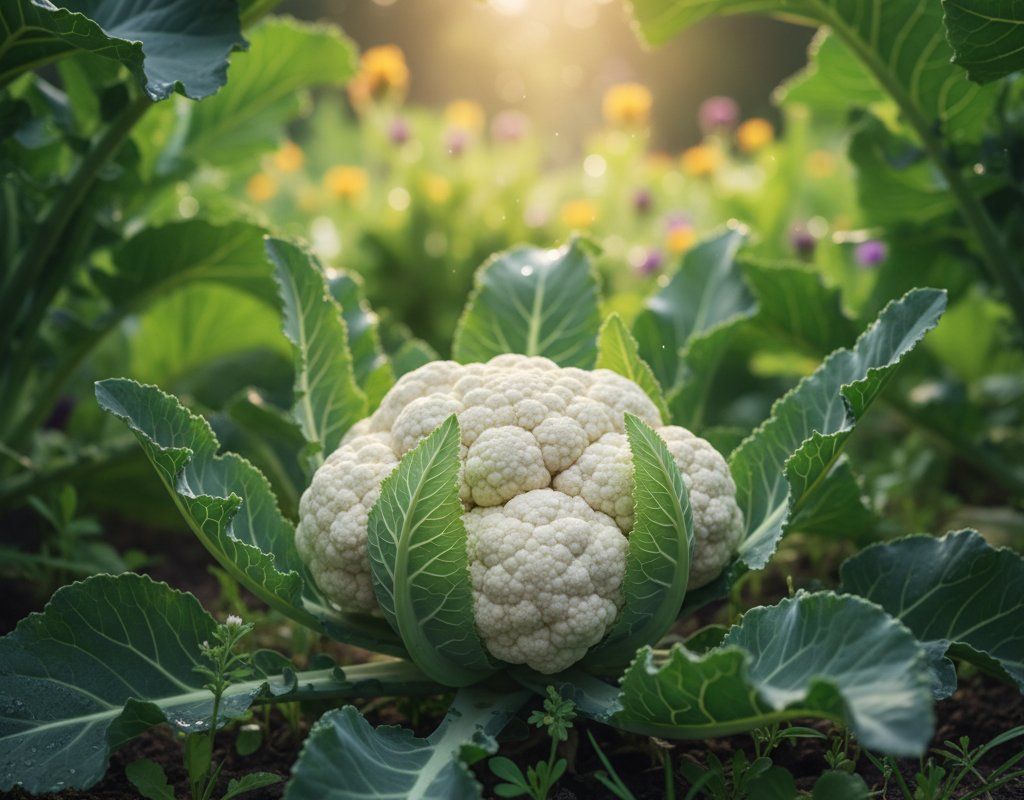
Cauliflower in Zone 7A — Mid-Atlantic
Brassica oleracea var. botrytis · Your Complete 2026 Planting Guide
Missed Seed Starting? No Problem!
Wait for starts to become available.
What to Do
Starts will be available at nurseries in 18 days (around March 22).
How to Plant Cauliflower in Zone 7A — Mid-Atlantic
Here are all your options for getting cauliflower in the ground, from the easiest method to more advanced approaches.
Start Seeds Indoors
RecommendedEarly to late February
around February 8
Then transplant: Late March through mid April
Start seeds 6-8 weeks before transplanting outdoors.
Cauliflower is fussy. Starting indoors gives you more control.
Buy Starts
Works WellLate March through mid April
around March 22
Plant purchased starts after last frost (April 5).
Direct Sow Seeds
ChallengingDirect sowing is not typical for Cauliflower.
Transplant Outdoors
Timing InfoLate March through mid April
around March 22
Can tolerate light frost, but wait for soil to be workable.
You have a nice window — no need to rush.
Fall Planting
Mid August through mid September
August 28 ideal · Transplant for fall harvest
Plant a second crop in mid-summer for fall harvest. Cauliflower actually prefers the cooling temperatures of fall.
Overview
Cauliflower is one of those crops that makes you feel like a real gardener when you succeed. In our Mid-Atlantic climate, with its four distinct seasons and reliable rainfall, you can grow incredibly dense, sweet heads that put grocery store cauliflower to shame. The cool springs and falls here are perfect for this finicky brassica, and there's something deeply satisfying about cutting your own creamy white head just as the summer heat starts building.
The key is working with our variable spring weather rather than fighting it. Yes, cauliflower can be fussy about temperature swings and our clay soil, but with our 208-day growing season, you have plenty of time to get it right. Start seeds indoors when it's still cold outside, and you'll have transplants ready when conditions are just right for steady growth.
Starting Seeds Indoors
Start your cauliflower seeds indoors during early to late February, about 6 weeks before you plan to transplant. This timing gives you control over their early growth while our Mid-Atlantic weather is still unpredictable. Cauliflower is notoriously fussy about stress, so starting indoors lets you provide consistent conditions during those critical first weeks.
Use seed starting trays with a good seed starting mix, and keep them at 65-70°F for germination. Once they sprout, they need bright light—either a sunny south window or grow lights about 4 inches above the seedlings. Water from the bottom by placing trays in a shallow pan of water; this prevents damping off and encourages strong root development.
Keep the soil consistently moist but not soggy. These seedlings hate being disturbed, so consider starting them in larger cells or small pots to minimize root shock at transplant time. Our moderate spring start means you're not rushing against brutal heat, so take your time and let them develop strong root systems.
Transplanting Outdoors
Transplant your cauliflower seedlings outdoors from late March through mid-April, after hardening them off for about a week. Start the hardening process gradually—a few hours outside the first day, then longer each day, bringing them in if temperatures drop below 40°F. Our variable spring weather means you might have warm spells followed by chilly nights, so watch the forecast carefully.
Space plants 18-24 inches apart in your best soil. Cauliflower demands consistent growing conditions, so choose a spot with morning sun and some afternoon protection if possible. In our clay soil, work in compost or aged manure to improve drainage—soggy roots will stress the plants and lead to poor head formation.
Plant on a calm, overcast day if you can manage it. Water them in well and consider using floating row covers for the first week or two if late cold snaps threaten. Once they're established, remove the covers so they can size up properly in our lengthening spring days.
Watering Cauliflower in Zone 7A (Mid-Atlantic)
Consistent moisture is absolutely critical for cauliflower—more than almost any other vegetable we grow. In our Mid-Atlantic climate, with moderate-to-hot summers and humid conditions, you'll need to pay close attention to soil moisture from spring through fall. Stressed plants will "button," forming tiny, premature heads that never size up properly.
Aim for about 1-1.5 inches of water per week, including rainfall. Our region typically gets 40-50 inches annually, but summer can bring dry spells between thunderstorms. Use the finger test—stick your finger 2 inches into the soil near the plants. If it's dry at that depth, it's time to water deeply. Water at soil level rather than overhead to avoid encouraging fungal problems in our humid climate.
During our hot, humid summers, cauliflower appreciates morning watering so leaves dry before evening. Mulch around plants with 2-3 inches of straw or shredded leaves to maintain soil moisture and keep roots cool. Signs of underwatering include wilting during the heat of the day and slow growth, while overwatering shows up as yellowing lower leaves and sluggish growth.
Watch for the critical head formation period—once you see the tiny white center developing, consistent moisture becomes even more important. Even a few days of dry soil during this phase can cause the head to button or develop a loose, ricey texture instead of the tight, smooth curds you want.
🧪Fertilizing Cauliflower
Feeding Schedule
Organic Fertilizer Options
Harvest Time
Your first cauliflower heads will be ready from late May through mid-July, about 70 days from transplanting. Look for white, firm, compact heads that are 6-8 inches across with tight, fine curds. The head should feel solid when you press it gently—loose or spongy heads are past their prime and won't store well.
Cut the main head with a sharp knife, making the cut about 6 inches down the stem to include some leaves for protection. Harvest in the morning when heads are cool and firm. Unlike some vegetables, cauliflower won't continue ripening off the plant, so timing is crucial. Check your plants every few days once heads start forming because they can go from perfect to overripe quickly in our summer heat.
If temperatures start climbing into the 90s consistently, harvest even slightly smaller heads rather than risk them becoming loose and bitter. Some varieties will produce small side shoots after the main head is cut, though these secondary heads are usually much smaller.
As our first frost approaches in late October, any remaining heads can be harvested even if they're not quite full size. Wrap them in the plant's own leaves and store in a cool, humid place for a few extra weeks of fresh cauliflower.
Common Problems in Zone 7A (Mid-Atlantic)
Buttoning shows up as tiny, premature heads that never develop properly—sometimes no bigger than a golf ball. You'll see the white head forming, but it stays small and may start to open up or turn yellow quickly. This happens when plants get stressed by inconsistent watering, temperature swings, or root disturbance. Our variable spring weather can trigger this if plants experience several warm days followed by a cold snap. Prevent buttoning by maintaining consistent soil moisture, choosing heat-tolerant varieties for later plantings, and starting with healthy, unstressed transplants.
Cabbage worms appear as smooth green caterpillars on the leaves, leaving irregular holes and dark green droppings behind. You'll often see white butterflies fluttering around your plants first—they're laying eggs. Multiple generations occur throughout our growing season, with peak activity during warm, humid periods. Bt (Bacillus thuringiensis) spray is very effective and safe for beneficial insects. Floating row covers prevent egg laying, but remove them once heads start forming. Handpicking works for small infestations, and interplanting with aromatic herbs like thyme or sage can help deter the adults.
Heat stress causes leaves to wilt during hot afternoons even with adequate soil moisture, and heads may develop a loose, ricey texture or yellow prematurely. This becomes more common as our summer temperatures climb into the upper 80s with high humidity. Choose heat-tolerant varieties for summer harvests, provide afternoon shade if possible, and maintain consistent soil moisture. Mulching heavily helps keep roots cool during heat waves.
Mid-Atlantic Specific Challenges: Our combination of moderate-to-hot summers, high humidity, and variable spring weather creates a unique set of challenges for cauliflower. The humidity encourages fungal problems and pest pressure, while our clay soil can stay too wet in spring and too dry during summer dry spells. Plan for consistent watering systems and choose varieties bred for heat tolerance if you want summer harvests.
Best Companions for Cauliflower
Plant these nearby for healthier Cauliflower and better harvests.


Keep Away From
Companion Planting Details
Plant cauliflower with beets, which have deep roots that won't compete with cauliflower's shallow root system and can actually help break up our clay soil. Celery makes an excellent neighbor because it has similar watering needs and the strong scent may help confuse cabbage worm moths. Onions planted nearby deter many pests with their sulfur compounds, and their upright growth doesn't shade the cauliflower heads. Spinach works well as it matures quickly and can be harvested before the cauliflower needs the space.
Avoid planting near tomatoes, peppers, or strawberries. These plants are all heavy feeders that will compete with cauliflower for nutrients, and tomatoes and peppers prefer much warmer conditions that stress cool-season cauliflower. In our humid Mid-Atlantic climate, keeping these warm-season plants separate also helps with air circulation and reduces disease pressure on your brassicas.
🌸Best Flowers to Plant with Cauliflower
These flowers protect your Cauliflower from pests and attract pollinators for better harvests.



Get a Reminder When It's Time to Plant
We'll email you when key planting windows open for your zone.