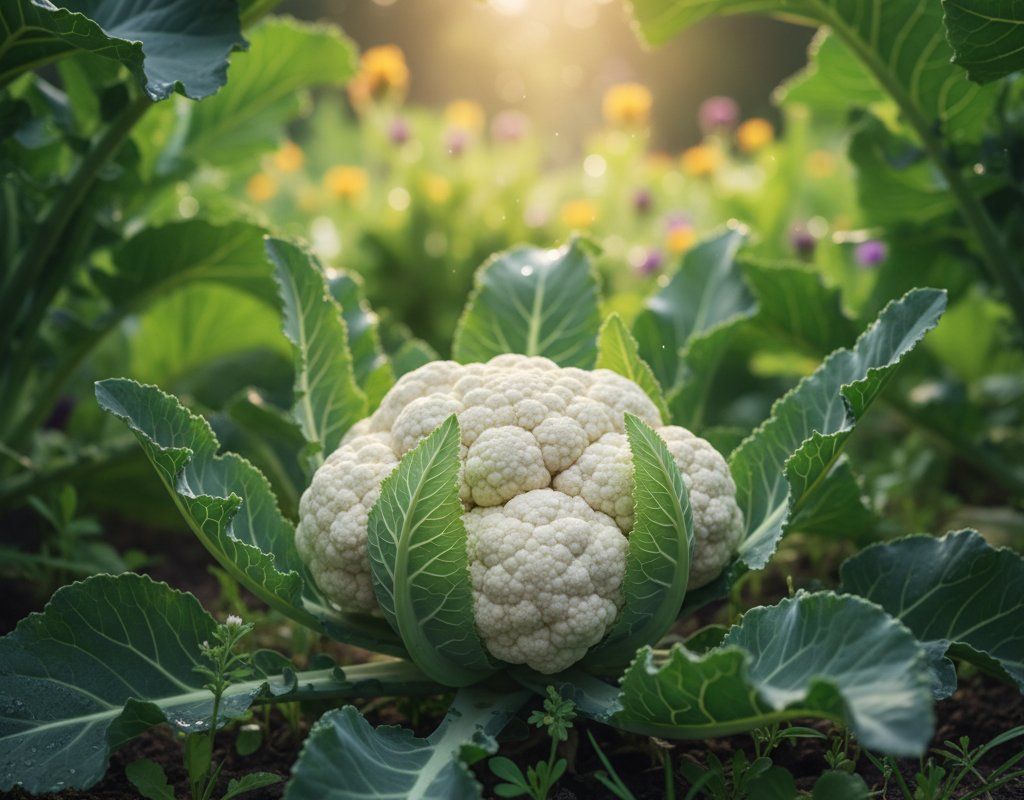
Cauliflower in Zone 7A — Mountain West
Brassica oleracea var. botrytis · Your Complete 2026 Planting Guide
Last Call for Seed Starting!
Indoor seed starting window closes in 5 days.
Start Seeds This Week
Start seeds now for transplanting later.
Or Wait for Starts
If you don’t want to start seeds, starts will be available around April 6.
How to Plant Cauliflower in Zone 7A — Mountain West
Here are all your options for getting cauliflower in the ground, from the easiest method to more advanced approaches.
Start Seeds Indoors
RecommendedMid February through early March
around February 23
Then transplant: Early April through early May
Start seeds 6-8 weeks before transplanting outdoors.
Cauliflower is fussy. Starting indoors gives you more control.
Buy Starts
Works WellEarly April through early May
around April 6
Plant purchased starts after last frost (April 20).
Direct Sow Seeds
ChallengingDirect sowing is not typical for Cauliflower.
Transplant Outdoors
Timing InfoEarly April through early May
around April 6
Can tolerate light frost, but wait for soil to be workable.
You have a nice window — no need to rush.
Fall Planting
Late July through late August
August 8 ideal · Transplant for fall harvest
Plant a second crop in mid-summer for fall harvest. Cauliflower actually prefers the cooling temperatures of fall.
Overview
Cauliflower thrives in our Mountain West climate, producing dense, sweet heads that taste nothing like the bland supermarket versions. Our cool nights even in summer help develop that perfect creamy texture and mild flavor, while the intense sunlight at high altitude encourages strong growth. Nothing beats the satisfaction of cutting your own perfect white head after months of careful tending.
Yes, cauliflower has a reputation for being finicky, and our short 173-day growing season doesn't leave room for mistakes. But with proper timing and indoor starting, you'll have plenty of success. The key is working with our late spring character and giving these plants the head start they need indoors before our soil warms up.
Starting Seeds Indoors
Start your cauliflower seeds indoors from mid-February through early March, about six weeks before you plan to transplant outdoors. This timing is crucial in the Mountain West since our springs arrive late and cauliflower needs warm soil to establish properly.
Set up seed trays with quality potting mix and keep them at 65-70°F for germination. A heating mat helps maintain consistent temperature during our cold February nights. Once seedlings emerge, they need strong light – either a sunny south window or grow lights about 4 inches above the plants.
Bottom water your seedlings to prevent damping off, which is common with brassicas. Keep the soil consistently moist but not soggy, and start hardening them off once nighttime temperatures stay above freezing consistently.
Transplanting Outdoors
Transplant your cauliflower seedlings outdoors from early April through early May, once soil temperatures reach at least 50°F and the danger of hard frost has passed. In our mountain climate, this window can shift based on elevation and late spring weather patterns.
Harden off seedlings gradually over a full week, starting with just an hour of outdoor time and increasing daily. Our intense UV and temperature swings can shock tender plants if you rush this process. Space plants 18-24 inches apart to allow good air circulation – important in our low humidity environment.
Choose a location with morning sun and some afternoon protection if possible. While cauliflower tolerates full sun, our intense mountain light can stress young transplants. Plant them slightly deeper than they were in their containers to encourage strong root development.
Watering Cauliflower in Zone 7A (Mountain West)
Cauliflower demands consistent moisture and absolutely cannot handle drought stress – inconsistent watering causes buttoning, where plants form tiny, useless heads prematurely. In our dry Mountain West climate with only 10-20 inches of annual rainfall, you'll need to water regularly from planting through harvest.
Aim for about 1-1.5 inches of water per week, applied slowly at the base of plants. Our low humidity means water evaporates quickly, so check soil moisture every 2-3 days using the finger test – stick your finger 2 inches into the soil near the plant base. If it's dry, it's time to water.
Water early morning to reduce evaporation loss and avoid wetting the developing heads, which can lead to rot in our intense sun. A 2-3 inch layer of organic mulch helps retain moisture and keeps soil temperatures stable, crucial during our temperature swings between day and night.
Watch for signs of stress: wilting during our 85°F afternoons (even with adequate soil moisture) indicates the plant is struggling with our dry air. Yellowing outer leaves often signal inconsistent watering, while dark, mushy spots on heads indicate overwatering or poor drainage.
🧪Fertilizing Cauliflower
Feeding Schedule
Organic Fertilizer Options
Harvest Time
Your first cauliflower heads will be ready from mid-June through early August, about 70 days from transplanting. This timing works perfectly with our growing season, giving you harvests during the most pleasant summer weather before our heat peaks.
Look for heads that are 6-8 inches across, pure white, and still tightly packed. The curds should feel firm and show no signs of yellowing or separating – once they start to loosen, the window closes quickly in our intense mountain sun. Cut the entire head with a sharp knife, taking some stem and outer leaves.
Unlike some vegetables, cauliflower won't continue producing after the main head is harvested, so timing is everything. Check your plants daily once heads start forming, as they can go from perfect to overripe in just a few days during warm weather.
As our first frost approaches in early October, any remaining small heads won't have time to mature. Harvest whatever you have and consider it a learning experience for next year's timing – or plan a second planting in late July for fall harvest.
Common Problems in Zone 7A (Mountain West)
Buttoning (Premature Small Heads) Small, button-sized heads form instead of full-sized ones, often when plants are still tiny. You'll see white heads the size of golf balls or smaller appearing too early in the season.
This happens when plants experience stress during their early growth – usually temperature fluctuations, inconsistent watering, or transplant shock. Our Mountain West temperature swings between cool nights and warm days can trigger this if plants aren't established properly.
Prevent buttoning by maintaining consistent soil moisture and protecting young plants from temperature extremes. Use row covers during cold snaps and ensure transplants are properly hardened off before planting.
Cabbage Worms Look for irregular holes chewed in leaves, dark green droppings on foliage, and small green caterpillars on the undersides of leaves. You might also notice small white butterflies fluttering around your plants – these lay the eggs that become cabbage worms.
These are larvae of cabbage white butterflies, which thrive in our moderate summer temperatures and can produce multiple generations in our growing season. Our low disease pressure means fewer natural controls.
Apply Bt (Bacillus thuringiensis) spray every 7-10 days when you see the white butterflies – it's completely organic and very effective. Floating row covers prevent egg-laying, and handpicking works for small infestations. Plant aromatic herbs like thyme nearby to help deter adults.
Heat Stress Plants bolt (flower prematurely) or develop loose, ricey heads with poor flavor. Leaves may appear wilted even with adequate soil moisture, especially during afternoon heat.
While our mountain summers are moderate compared to lower elevations, cauliflower still struggles when temperatures consistently reach the mid-80s, especially combined with our intense UV and low humidity.
Provide afternoon shade during the hottest part of summer using shade cloth or companion plants. Maintain consistent moisture and consider growing only spring and fall crops if your location gets too warm in mid-summer.
Mountain West Specific Challenges: Our combination of intense UV, low humidity, and dramatic temperature swings creates unique stresses for cauliflower. The dry air increases water needs while the intense sun can scorch developing heads. Plan for extra protection and consistent care to succeed with this challenging but rewarding crop.
Best Companions for Cauliflower
Plant these nearby for healthier Cauliflower and better harvests.


Keep Away From
Companion Planting Details
Plant cauliflower alongside beets and onions – the beets help break up our often-compacted mountain soil while onions repel cabbage pests with their strong scent. Celery makes an excellent companion since it appreciates the same consistent moisture and provides some natural shade during our intense afternoon sun. Spinach works well too, maturing quickly in the cool space around your developing cauliflower plants.
Avoid planting tomatoes, peppers, or strawberries near cauliflower. These warm-season crops have different water and nutrient needs, and tomatoes in particular can shade out your cauliflower during the crucial head-forming period. In our short growing season, every plant needs optimal conditions – mixed plantings with conflicting needs just create competition neither crop can win.
🌸Best Flowers to Plant with Cauliflower
These flowers protect your Cauliflower from pests and attract pollinators for better harvests.




Get a Reminder When It's Time to Plant
We'll email you when key planting windows open for your zone.