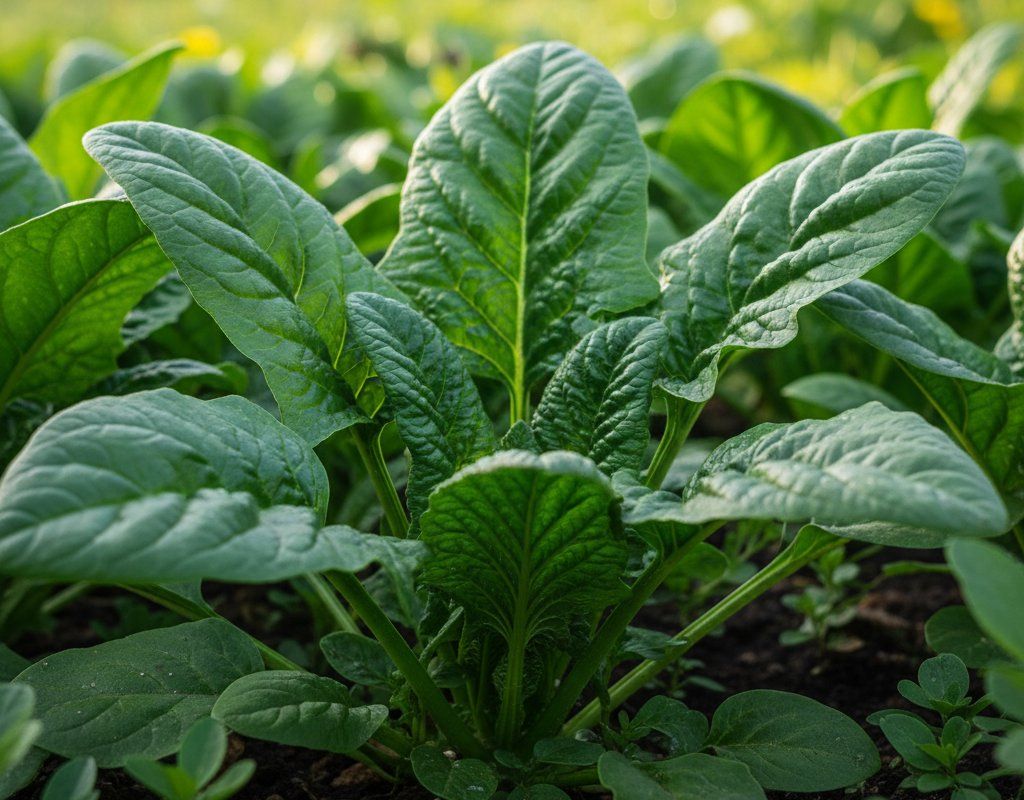
Spinach in Zone 7A — Mountain West
Spinacia oleracea · Your Complete 2026 Planting Guide
Last Call for Seed Starting!
Indoor seed starting window closes in 5 days.
Start Seeds This Week
Start seeds now for transplanting later.
Or Wait for Starts
If you don’t want to start seeds, starts will be available around March 23.
How to Plant Spinach in Zone 7A — Mountain West
Here are all your options for getting spinach in the ground, from the easiest method to more advanced approaches.
Direct Sow Seeds
RecommendedEarly March through mid August
around March 9
Consider succession planting every 2-3 weeks for continuous harvest.
Spinach loves cold soil. Direct sow as soon as ground can be worked.
Start Seeds Indoors
RecommendedMid February through early March
around February 23
Then transplant: Late March through early May
Start seeds 4-6 weeks before transplanting outdoors.
Buy Starts
Works WellLate March through early May
around March 23
Plant purchased starts after last frost (April 20).
Transplant Outdoors
Timing InfoLate March through early May
around March 23
Can tolerate light frost, but wait for soil to be workable.
You have a nice window — no need to rush.
Fall Planting
Mid August through mid September
August 29 ideal · Direct sow for fall harvest
Plant a second crop in mid-summer for fall harvest. Spinach actually prefers the cooling temperatures of fall.
Overview
Spinach thrives in the Mountain West's cool nights and intense sunlight, producing tender, flavorful leaves that rival anything from the store. Our high altitude conditions create the perfect environment for this cool-season green—the moderate daytime temperatures rarely stress the plants, while those chilly nights concentrate sugars and develop that distinctive, sweet spinach flavor. You'll find homegrown spinach has a clean, mineral taste that reflects our alkaline soils and crisp mountain air.
The Mountain West's short 173-day growing season and late spring start might seem limiting, but spinach actually loves our cool conditions. While other regions struggle with bolting in summer heat, our moderate temperatures at altitude give you multiple planting windows throughout the season. The key is working with our climate patterns rather than fighting them.
Starting Seeds Indoors
Starting spinach indoors isn't necessary, but it can give you an earlier harvest when our mountain springs drag on longer than expected. Sow seeds in seed trays from mid-February through early March, about four weeks before you plan to transplant outdoors. Spinach germinates best in cool conditions—around 60-65°F—so you won't need heat mats like you would for tomatoes.
Use bottom watering to keep seedlings healthy and prevent damping off in our dry indoor air. The low humidity in Mountain homes during late winter can stress young seedlings, so check moisture levels daily. Set up grow lights if starting seeds during our often-cloudy February and March weather.
Since spinach transplants easily and direct sowing works well once soil can be worked, indoor starting is more about convenience than necessity. It's most useful when you want baby greens earlier in the season or need precise timing for succession plantings.
Transplanting Outdoors
Transplant your indoor-started spinach from late March through early May, depending on soil conditions and weather patterns. Our mountain soils often stay frozen longer than the calendar suggests, so wait until you can easily work the ground rather than rushing based on dates alone.
Harden off seedlings gradually over a week, taking advantage of our typically sunny but cool spring days. Start with just a few hours of morning sun, then gradually increase exposure. Watch for those surprise late-season temperature swings that can shock tender transplants—bring them inside if nighttime temperatures will drop below 25°F.
Space transplants 4-6 inches apart in rows or blocks. Our intense UV can stress young plants initially, so consider providing light shade during the hottest part of the day for the first week. Once established, spinach handles our mountain sun beautifully, especially with those cool nights to recover.
Direct Sowing
Direct sowing is often the easiest approach for spinach in the Mountain West. Sow seeds from early March through mid-August, taking advantage of our long season for cool-season crops. Spinach actually prefers cool soil, so you can direct sow as soon as the ground can be worked in spring—often weeks before your last frost.
Prepare soil by working in compost to improve our typically alkaline conditions. Spinach grows well in slightly alkaline soil, but benefits from organic matter for moisture retention. Sow seeds ½ inch deep and 2 inches apart, then thin to 4-6 inches once seedlings emerge. Our dry mountain air helps prevent many fungal issues that plague spinach in more humid climates.
Summer sowings work especially well here since our nights stay cool even when daytime temperatures hit 85°F. Plant every 2-3 weeks through mid-August for continuous harvests. Fall plantings often produce the sweetest leaves as cool weather intensifies flavors.
Watering Spinach in Zone 7A (Mountain West)
Spinach needs consistent moisture but not soggy conditions—a challenge in our dry Mountain climate where annual rainfall often stays below 15 inches. Plan to provide about 1 inch of water per week, checking soil moisture by pushing your finger 2 inches deep. The soil should feel like a wrung-out sponge, not dry or muddy.
Water deeply at the base of plants rather than overhead, taking advantage of our low humidity to prevent foliar diseases. Our intense sun and dry air mean soil dries faster than in more humid regions, so you'll likely need to water 2-3 times per week during summer. Morning watering is crucial—it keeps soil temperatures cool during our warm afternoons and gives plants time to dry before those chilly mountain nights.
Watch for signs of water stress: leaves that wilt during the day but recover at night indicate the plant is struggling. Consistently dry soil will trigger bolting faster than anything else. Overwatering shows up as yellowing lower leaves and stunted growth, less common in our well-draining mountain soils.
A 2-inch layer of organic mulch helps retain moisture and keep soil cool during our intense summer sun. Straw or shredded leaves work well and break down to improve soil structure over time. Without adequate water, spinach becomes bitter and bolts quickly, especially during our dry summer months.
🧪Fertilizing Spinach
Feeding Schedule
Organic Fertilizer Options
Harvest Time
Your first spinach harvest typically arrives mid-April through mid-October, about 40 days from seeding. In the Mountain West, this timing works perfectly with our growing season—early spring plantings mature before summer heat peaks, while fall plantings develop sweet, tender leaves as temperatures cool.
Harvest outer leaves when they reach 3-4 inches long, cutting cleanly with scissors or pinching at the base. This "cut and come again" method keeps the center growing for weeks of continuous harvest. Alternatively, cut the entire rosette about 1 inch above soil level—most plants will regrow for a second harvest, especially in our cool mountain conditions.
Morning harvest gives you the crispest leaves since plants rehydrate overnight in our cool mountain air. Spinach harvested during our hot afternoons wilts quickly, even though temperatures rarely exceed 85°F at altitude. The leaves should feel firm and have a deep green color without yellowing edges.
As first frost approaches in early October, harvest remaining plants completely. Unlike some greens, spinach doesn't improve after light frost—it becomes slimy and deteriorates quickly. Plan your final plantings for mid-August to ensure full maturity before our growing season ends.
Common Problems in Zone 7A (Mountain West)
Bolting appears as a central flower stalk shooting up from the rosette, often seemingly overnight. Leaves become bitter and tough once the plant shifts energy to seed production. In the Mountain West, bolting typically happens when soil dries out during our intense summer sun or during unexpected warm spells in late spring.
What causes bolting here is usually drought stress combined with our long summer days rather than extreme heat—our moderate temperatures at altitude aren't the usual culprit. Keep soil consistently moist and provide afternoon shade during heat waves. Choose slow-bolt varieties like 'Tyee' or 'Space' for summer plantings, and succession plant every 2-3 weeks instead of trying to maintain one planting all season.
Downy mildew shows up as yellow patches on leaf tops with fuzzy gray-purple growth underneath, progressing from older leaves upward. While less common in our dry climate, it can strike during cool, humid periods in spring or fall when overnight temperatures drop and morning dew lingers.
Our low humidity actually helps prevent this fungal disease compared to more humid regions. When it does appear, remove affected leaves immediately and improve air circulation around plants. Water at soil level only—never overhead—and avoid working around wet plants. Copper fungicides can help if applied preventively during vulnerable cool, moist periods.
Leaf miners create winding, white tunnels through leaves as tiny larvae feed between leaf surfaces. These small flies are attracted to our sunny mountain gardens and can appear throughout the growing season. While not fatal, they make leaves unappealing and reduce harvest quality.
Row covers during peak adult fly activity (late spring and early summer) prevent egg-laying. Remove damaged leaves promptly and destroy them—don't compost. Beneficial insects like parasitic wasps help control populations naturally in our low-pesticide mountain environment.
Mountain West Specific Challenges: Our intense UV can stress young plants, making them more susceptible to problems. The combination of dry air, alkaline soil, and temperature swings creates unique growing conditions. However, our generally low humidity and good air circulation prevent many of the fungal issues that plague spinach in more humid climates.
Best Companions for Spinach
Plant these nearby for healthier Spinach and better harvests.

Keep Away From
Companion Planting Details
Spinach pairs beautifully with strawberries in Mountain West gardens—the shallow-rooted greens don't compete with berry plants, while providing living mulch that conserves moisture in our dry climate. Plant spinach between strawberry rows for efficient space use and improved soil coverage. Peas and beans make excellent companions since they fix nitrogen that spinach readily uses, and their vertical growth provides light shade during our intense summer sun.
Brassicas like lettuce, arugula, and Asian greens share similar growing requirements and pest profiles, making garden management easier. They all appreciate consistent moisture and cool conditions, thriving in the same sections of your mountain garden. Avoid planting spinach with heavy feeders like corn or large plants that might shade it excessively—spinach needs good air circulation to prevent the few fungal issues that can develop in our climate.
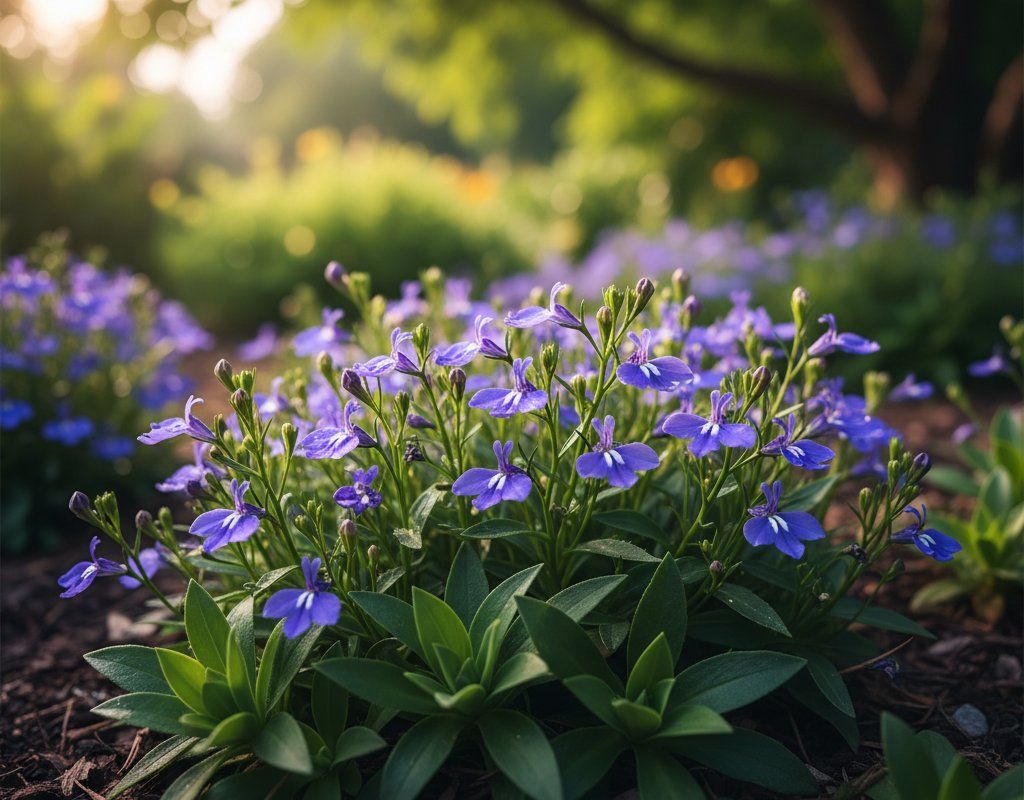
🌸Best Flowers to Plant with Spinach
These flowers protect your Spinach from pests and attract pollinators for better harvests.
For Pest Control




Get a Reminder When It's Time to Plant
We'll email you when key planting windows open for your zone.