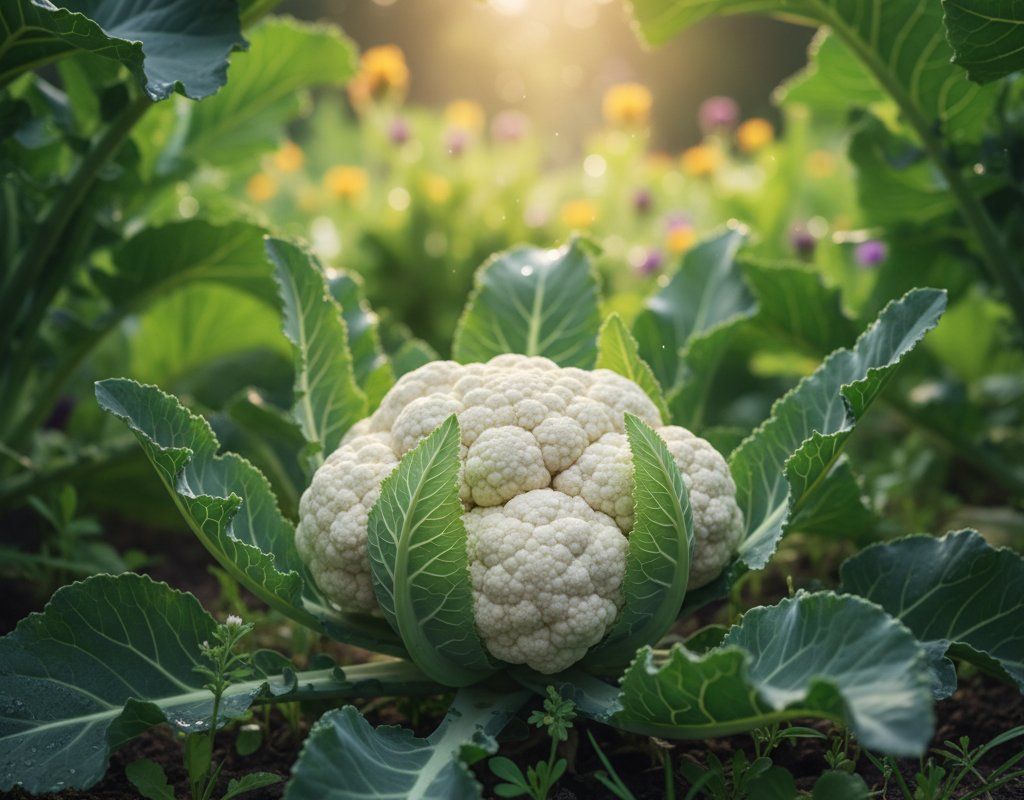
Cauliflower in Zone 7A — Northern California
Brassica oleracea var. botrytis · Your Complete 2026 Planting Guide
Missed Seed Starting? No Problem!
Wait for starts to become available.
What to Do
Starts will be available at nurseries in 2 days (around March 6).
How to Plant Cauliflower in Zone 7A — Northern California
Here are all your options for getting cauliflower in the ground, from the easiest method to more advanced approaches.
Start Seeds Indoors
RecommendedMid January through early February
around January 23
Then transplant: Early March through early April
Start seeds 6-8 weeks before transplanting outdoors.
Cauliflower is fussy. Starting indoors gives you more control.
Buy Starts
Works WellEarly March through early April
around March 6
Plant purchased starts after last frost (March 20).
Direct Sow Seeds
ChallengingDirect sowing is not typical for Cauliflower.
Transplant Outdoors
Timing InfoEarly March through early April
around March 6
Can tolerate light frost, but wait for soil to be workable.
You have a nice window — no need to rush.
Fall Planting
Late August through late September
September 8 ideal · Transplant for fall harvest
Plant a second crop in mid-summer for fall harvest. Cauliflower actually prefers the cooling temperatures of fall.
Overview
Cauliflower thrives in Northern California's Mediterranean climate, producing dense, creamy white heads that put grocery store versions to shame. Our mild winters and early springs create perfect conditions for this cool-season brassica, which prefers consistent temperatures between 60-70°F. The flavor difference is remarkable – homegrown cauliflower has a sweet, nutty complexity that's completely lost in commercial varieties shipped from thousands of miles away.
While cauliflower has a reputation for being finicky, our 235-day growing season gives you multiple planting windows to get it right. The key challenge here is timing around our dry summers and occasional heat waves, but starting early takes advantage of our reliably mild spring weather. With proper planning, you can harvest beautiful heads well before summer heat sets in.
Starting Seeds Indoors
Start your cauliflower seeds indoors from mid-January through early February, about 6 weeks before your planned transplant date. This timing takes advantage of Northern California's early spring character while avoiding the stress of direct seeding in potentially variable weather.
Use seed trays filled with quality seed-starting mix, keeping soil consistently moist but not soggy. Bottom watering works best – set trays in shallow water and let the soil absorb moisture from below. Seeds germinate in 60-70°F temperatures, so a warm spot near a sunny window or under grow lights works perfectly.
Cauliflower is notoriously fussy about root disturbance, so starting in individual cells or biodegradable pots saves transplant shock later. Keep seedlings under lights or in a bright location for 12-14 hours daily. Your indoor-started plants will be sturdy and ready to handle Northern California's spring weather swings much better than direct-seeded ones.
Transplanting Outdoors
Transplant your cauliflower seedlings outdoors from early March through early April, when nighttime temperatures consistently stay above 40°F. This window perfectly captures our mild spring conditions before summer heat arrives.
Harden off seedlings gradually over one week by placing them outside for increasing periods daily. Start with 2-3 hours of morning sun, gradually increasing exposure until they're outside full-time. Space plants 18-24 inches apart – they need room for their large leaves and good air circulation in our low-humidity climate.
Plant on a cloudy day or in late afternoon to reduce transplant shock. Northern California's spring can surprise you with sudden warm spells, so keep row covers handy for the first two weeks. Your transplants should be well-established before any heat waves hit in late spring.
Watering Cauliflower in Zone 7A (Northern California)
Cauliflower is extremely water-sensitive and needs consistent moisture throughout its 70-day growing period. In Northern California's dry climate, this means staying vigilant as our rainfall typically ends by May. Inconsistent watering causes "buttoning" – those disappointing tiny heads that never develop properly.
Provide about 1-1.5 inches of water weekly, checking soil moisture with your finger 2 inches deep. During our moderate-to-hot summer days (reaching 88°F), you may need to water every 2-3 days, especially in containers or raised beds that dry out faster. Water at the base of plants rather than overhead – our low humidity means foliage dries quickly, but targeted watering conserves precious water during potential restrictions.
Watch for stress signs: wilting during the hottest part of the day (even with moist soil) indicates heat stress, while yellowing lower leaves often signals inconsistent watering. Purple-tinged leaves can indicate both water stress and cool temperatures.
Apply 2-3 inches of mulch around plants to retain moisture and regulate soil temperature. In Northern California's intense sun, mulch is essential for keeping roots cool and reducing water needs by up to 30%.
🧪Fertilizing Cauliflower
Feeding Schedule
Organic Fertilizer Options
Harvest Time
Your first cauliflower heads will be ready from mid-May through early July, right in that sweet spot before summer heat becomes intense. Look for compact, white heads 6-8 inches across with tight, unopened florets called "curds." The head should feel firm and heavy for its size.
Cut the entire head at the base with a sharp knife, leaving the root system intact. Unlike broccoli, cauliflower won't produce side shoots, so harvest is a one-time event per plant. Morning harvest gives you the crispest texture, especially important in our warming spring weather.
Don't wait too long – once curds start separating or developing a yellow tinge, quality drops rapidly. In Northern California's variable spring temperatures, this can happen quickly during an unexpected warm spell.
Since our first frost doesn't typically arrive until early November, you have excellent opportunity for a fall crop. Plant again in late August through late September for harvest through fall and early winter, when cauliflower actually develops better flavor in cooler weather.
Common Problems in Zone 7A (Northern California)
Buttoning appears as tiny, premature heads forming when plants are only 6-8 inches tall. You'll see small, button-sized white heads instead of the large, full heads you're expecting. This happens when plants experience stress during their critical development phase – typically inconsistent watering, temperature swings, or root disturbance. In Northern California, spring heat waves or allowing soil to dry out between waterings are common triggers. Prevent buttoning by maintaining consistent soil moisture and providing afternoon shade during unexpected warm spells. Once buttoning occurs, there's no fix – the plant won't recover to produce a full-sized head.
Cabbage worms show up as smooth, green caterpillars munching irregular holes throughout your cauliflower leaves. You'll notice dark green droppings on leaves and may spot white butterflies fluttering around your plants – these lay the eggs that become the destructive larvae. Our mild Northern California climate allows multiple generations per season, making this an ongoing battle. Apply Bt (Bacillus thuringiensis) spray every 7-10 days, which specifically targets caterpillars without harming beneficial insects. Row covers work excellently here since our low humidity won't create moisture problems underneath. Hand-picking works for small infestations, and interplanting with aromatic herbs like thyme and sage helps deter egg-laying butterflies.
Heat stress manifests as wilting during the day even with moist soil, purple leaf edges, and stunted growth. Leaves may also develop a bitter taste. While Northern California summers are moderate compared to other regions, our typical 88°F highs combined with low humidity can stress cool-season crops like cauliflower. This is why timing your spring crop for harvest before June is crucial. Provide afternoon shade during heat waves using shade cloth or tall companion plants. Ensure consistent deep watering and heavy mulching to keep roots cool.
Northern California's unique combination of moderate-to-hot heat, low humidity, and dry summers means cauliflower requires more attention to watering than in naturally humid climates, while our microclimates can create surprising temperature variations even within a single garden.
Best Companions for Cauliflower
Plant these nearby for healthier Cauliflower and better harvests.

Keep Away From
Companion Planting Details
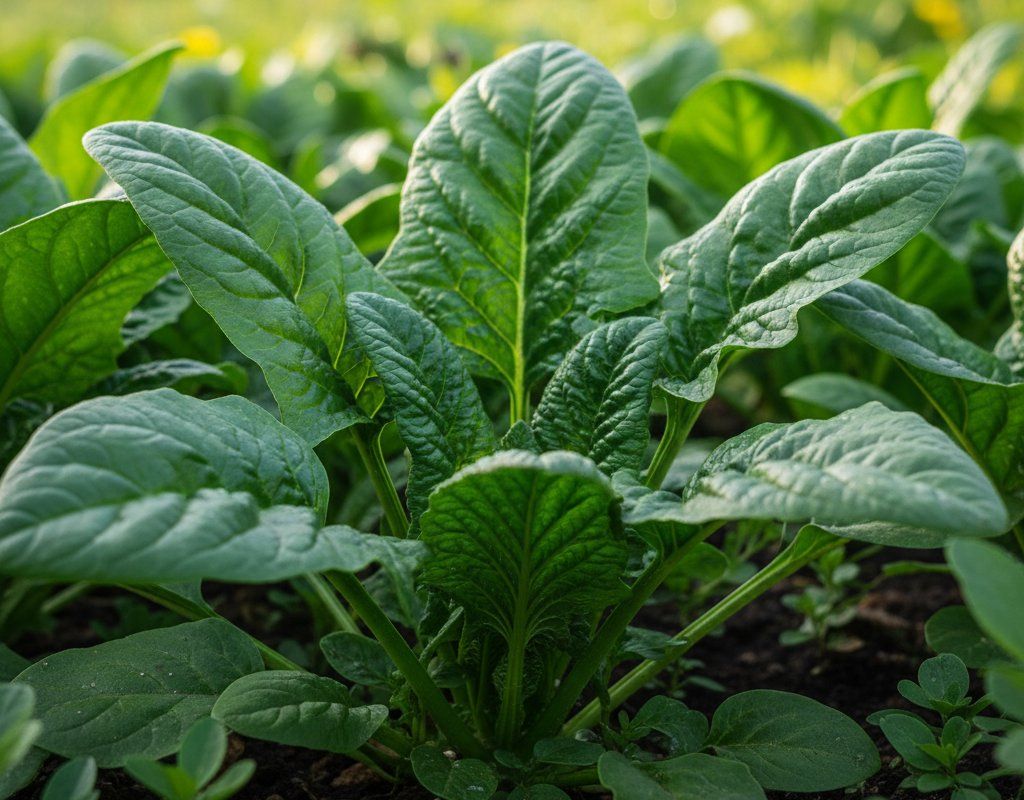
Plant cauliflower with beets, celery, onions, and spinach for a thriving cool-season garden bed. Beets and spinach share similar water and temperature preferences while their different root depths prevent competition. Onions planted around the perimeter naturally deter cabbage worms and other pests with their strong scent. Celery appreciates the same consistent moisture and cool conditions, plus its upright growth provides some afternoon shade during Northern California's warmer spring days.
Avoid planting cauliflower near tomatoes, peppers, or strawberries. These warm-season crops have completely different watering needs and will compete for resources as temperatures rise. Tomatoes and peppers are heavy feeders that can deplete soil nutrients your cauliflower needs for head development. Strawberries spread via runners and can crowd out your cauliflower plants, while their shallow roots compete for the consistent surface moisture cauliflower requires.
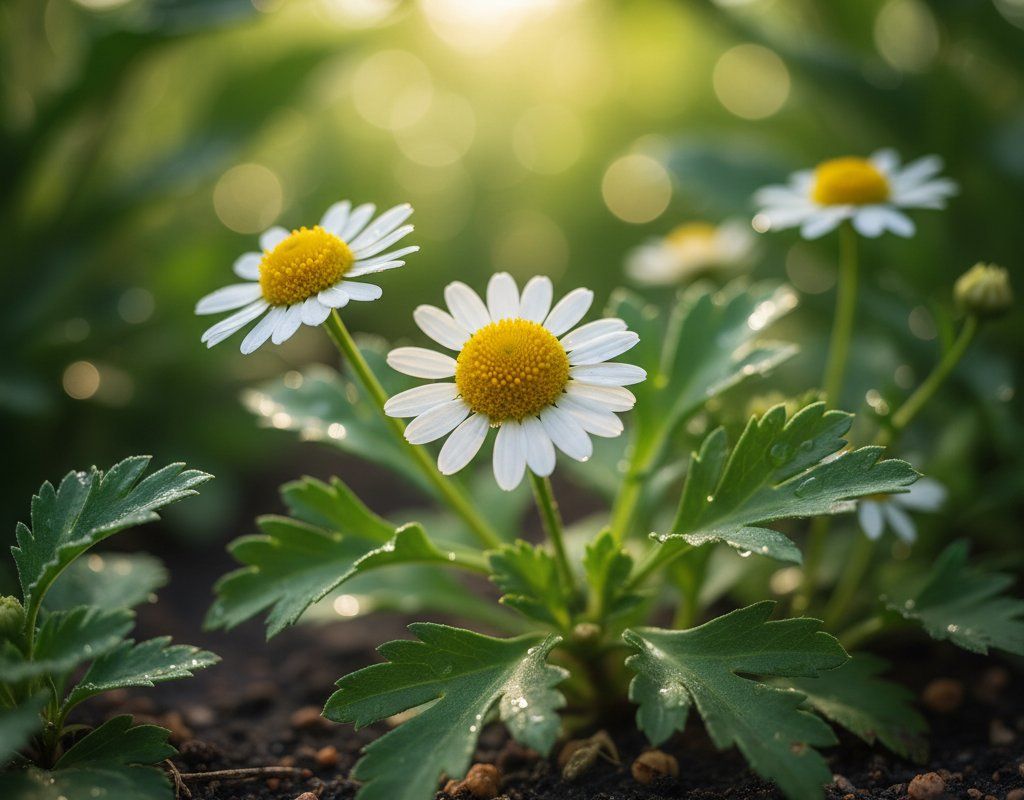
🌸Best Flowers to Plant with Cauliflower
These flowers protect your Cauliflower from pests and attract pollinators for better harvests.



Get a Reminder When It's Time to Plant
We'll email you when key planting windows open for your zone.