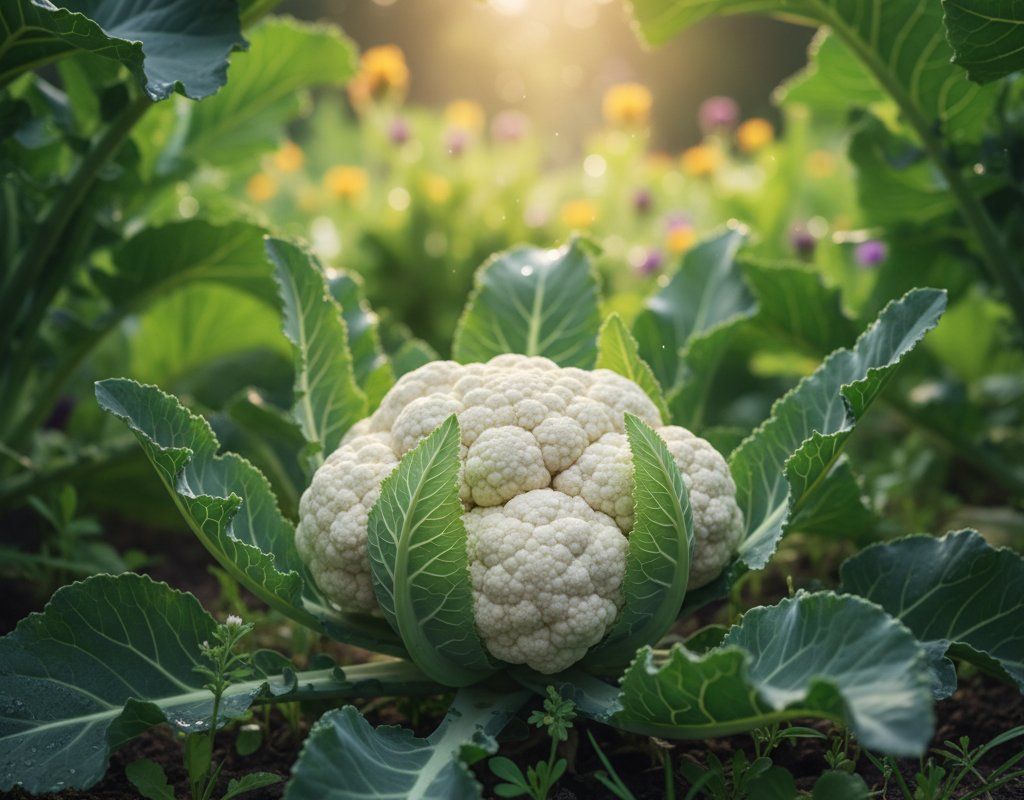
Cauliflower in Zone 7A — Southeast
Brassica oleracea var. botrytis · Your Complete 2026 Planting Guide
Missed Seed Starting? No Problem!
Wait for starts to become available.
What to Do
Starts will be available at nurseries in 7 days (around March 11).
How to Plant Cauliflower in Zone 7A — Southeast
Here are all your options for getting cauliflower in the ground, from the easiest method to more advanced approaches.
Start Seeds Indoors
RecommendedLate January through mid February
around January 28
Then transplant: Mid March through early April
Start seeds 6-8 weeks before transplanting outdoors.
Cauliflower is fussy. Starting indoors gives you more control.
Buy Starts
Works WellMid March through early April
around March 11
Plant purchased starts after last frost (March 25).
Direct Sow Seeds
ChallengingDirect sowing is not typical for Cauliflower.
Transplant Outdoors
Timing InfoMid March through early April
around March 11
Can tolerate light frost, but wait for soil to be workable.
You have a nice window — no need to rush.
Fall Planting
Mid August through mid September
September 3 ideal · Transplant for fall harvest
Plant a second crop in mid-summer for fall harvest. Cauliflower actually prefers the cooling temperatures of fall.
Overview
Growing cauliflower in our Zone 7A Southeast gardens gives you those sweet, nutty heads that taste nothing like the bland grocery store versions. The dense, creamy curds have incredible versatility – roasted until caramelized, mashed as a potato substitute, or pickled for that satisfying crunch. There's real satisfaction in nurturing this finicky brassica through our moderate spring weather into those perfect white heads.
Our hot and humid summers present challenges for cauliflower, but our 225-day growing season gives you excellent timing flexibility. You can start early in late winter for spring harvests before the heat hits, then plant again in late summer for fall production when the weather cools. The key is working with our climate patterns rather than fighting them.
Starting Seeds Indoors
Starting cauliflower seeds indoors is your best bet in the Southeast, giving you control over temperature and moisture during those critical early weeks. Sow seeds late January through mid-February, about 6 weeks before you plan to transplant outdoors. Use seed trays filled with quality seed starting mix, and keep them consistently warm – around 65-70°F works well.
Place your trays under grow lights or in a sunny south-facing window, keeping the soil evenly moist but not soggy. Bottom watering works beautifully for cauliflower seedlings – set trays in shallow pans of water and let them absorb moisture from below. This prevents fungal issues that can plague seedlings in our humid climate.
Your seedlings will be ready for the garden when they have 3-4 true leaves and nighttime temperatures consistently stay above 40°F. This timing works perfectly with our moderate spring weather pattern, avoiding both late winter cold snaps and the intense heat that comes later.
Transplanting Outdoors
Transplant your cauliflower seedlings mid-March through early April, when soil temperatures have warmed and the risk of hard frost has passed. Before moving them outside permanently, harden them off gradually over a full week – start with just 2-3 hours outdoors in filtered shade, then gradually increase both time and sun exposure.
Space your transplants 18-24 inches apart in rows, giving them plenty of room for those large heads to develop. Our afternoon thunderstorms can be intense during spring, so choose a location with some protection from driving rain or strong winds. The plants need full sun but appreciate some afternoon shade during our transition into summer heat.
Plant on a calm, overcast day if possible, and water thoroughly after transplanting. Keep an eye on weather forecasts – if an unexpected cold snap threatens (it happens in our changeable spring weather), have row covers or old sheets ready to protect your investment.
Watering Cauliflower in Zone 7A (Southeast)
Cauliflower is incredibly sensitive to watering stress, and inconsistent moisture will cause "buttoning" – those disappointing tiny heads that form prematurely. In our Southeast climate, you need to stay on top of watering from transplant through harvest, adjusting your approach as our weather patterns shift.
During spring establishment, water deeply twice weekly, providing about 1-1.5 inches total. Check soil moisture with the finger test – stick your finger 2 inches deep near the base of plants. If it's dry at that depth, it's time to water. Our spring often brings good rainfall, but don't rely on those brief afternoon showers to provide adequate moisture.
As summer heat builds, increase watering frequency but avoid overhead watering during our hot, humid afternoons. Water at the base of plants early morning to reduce disease pressure from our high humidity. Our typical 45-55 inches of annual rainfall helps, but those intense summer thunderstorms often run off clay soil rather than soaking in deeply.
Apply a 2-3 inch layer of organic mulch around plants to retain moisture and moderate soil temperature. Straw or shredded leaves work well in our climate, breaking down slowly and improving our heavy clay soil over time. Watch for signs of stress: wilting during the hottest part of the day (even with adequate soil moisture) or leaves turning blue-green, which often indicates the plant is struggling with our heat and humidity combination.
🧪Fertilizing Cauliflower
Feeding Schedule
Organic Fertilizer Options
Harvest Time
Your first cauliflower heads will be ready mid-May through early July, typically 70 days from transplant. Look for compact, white heads that measure 6-8 inches across with tight, fine curds. The heads should feel firm and heavy when you cup them in your hand, with no signs of the curds beginning to separate or develop a yellow or purple tinge.
Harvest in early morning when heads are cool and firm. Use a sharp knife to cut the main stem about 6 inches below the head, taking some surrounding leaves with it. Don't wait too long – once curds start to loosen or discolor, the window closes quickly, especially as our summer heat intensifies.
Unlike some vegetables, cauliflower won't continue producing after the main head is cut, and it won't ripen further once harvested. Some varieties develop small side shoots after the main harvest, but these are typically much smaller and may not be worth the garden space as heat stress increases.
As our first frost approaches in early November, any remaining fall-planted heads need to be harvested regardless of size. Small heads are still perfectly usable, just adjust your cooking methods accordingly.
Common Problems in Zone 7A (Southeast)
Buttoning (Premature Small Heads) Small, button-sized heads form when plants are stressed, rather than the full-sized heads you're expecting. You'll see tiny 2-3 inch heads that won't grow larger, often accompanied by stunted plant growth.
This happens when plants experience stress during their early development – inconsistent watering, temperature swings, or root disturbance. Our unpredictable spring weather, with warm spells followed by cool snaps, can trigger this response. Maintain consistent soil moisture and protect young plants from temperature extremes with row covers when needed.
Cabbage Worms Smooth green caterpillars appear on leaves, chewing irregular holes and leaving dark green droppings. You'll often see white butterflies fluttering around your brassica plants – they're laying eggs that become these destructive larvae.
Multiple generations per season thrive in our warm climate, making this an ongoing challenge. The humid conditions can also stress plants, making them more susceptible to damage. Apply Bt spray (Bacillus thuringiensis) every 7-10 days once you spot the white butterflies. Floating row covers prevent egg-laying, and handpicking caterpillars in early morning works well for small gardens.
Heat Stress Leaves develop a blue-green tinge and may wilt during the hottest part of the day, even with adequate soil moisture. Plants may stop growing or develop loose, ricey curds instead of tight white heads.
Our hot summers with highs around 92°F and high humidity create challenging conditions for this cool-season crop. Plant timing is critical – start early enough for spring harvest before peak heat, or wait for late summer planting for fall production. Provide afternoon shade during the transition from spring to summer, and maintain consistent soil moisture to help plants cope with temperature stress.
Southeast Specific Challenges: Our combination of heat, humidity, and heavy clay soil creates a perfect storm for cauliflower problems. The humid conditions promote fungal diseases, while clay soil can become waterlogged during our intense thunderstorms, leading to root problems. Japanese beetles may also target stressed plants, and deer find the tender leaves irresistible.
Best Companions for Cauliflower
Plant these nearby for healthier Cauliflower and better harvests.


Keep Away From
Companion Planting Details
Plant cauliflower alongside beets and spinach – these cool-season companions have similar water needs and won't compete for space as your cauliflower heads develop. Onions planted around the perimeter help deter cabbage worms and other pests that plague brassicas in our humid climate. Celery makes an excellent companion since both crops appreciate consistent moisture and benefit from some afternoon shade as summer heat builds.
Avoid planting cauliflower near tomatoes, peppers, or strawberries. These warm-season crops have different watering schedules and may harbor pests that can jump to your brassicas. Tomatoes and peppers also create too much competition for nutrients just as your cauliflower heads are forming, and the timing conflicts with our Southeast growing seasons – you want cauliflower finishing up as these heat-lovers are just getting started.
🌸Best Flowers to Plant with Cauliflower
These flowers protect your Cauliflower from pests and attract pollinators for better harvests.




Get a Reminder When It's Time to Plant
We'll email you when key planting windows open for your zone.