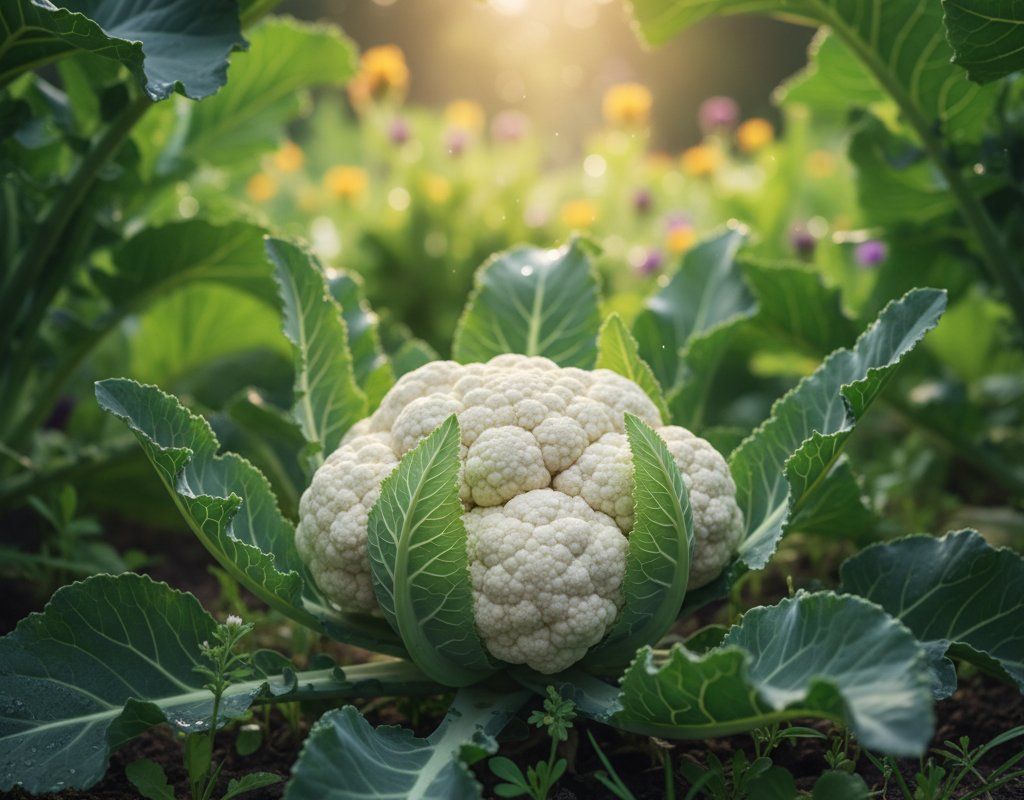
Cauliflower in Zone 7A — Texas
Brassica oleracea var. botrytis · Your Complete 2026 Planting Guide
Time to Buy Starts!
Seed starting window passed, but starts are available now.
Buy Starts Now
Head to your local nursery, Home Depot, or farmers market for transplants.
- Look for stocky plants with dark green leaves
- Avoid leggy seedlings or plants already flowering
- Check that roots aren't circling the pot (rootbound)
How to Plant Cauliflower in Zone 7A — Texas
Here are all your options for getting cauliflower in the ground, from the easiest method to more advanced approaches.
Start Seeds Indoors
RecommendedMid January through early February
around January 18
Then transplant: Early to late March
Start seeds 6-8 weeks before transplanting outdoors.
Cauliflower is fussy. Starting indoors gives you more control.
Buy Starts
Works WellEarly to late March
around March 1
Plant purchased starts after last frost (March 15).
Direct Sow Seeds
ChallengingDirect sowing is not typical for Cauliflower.
Transplant Outdoors
Timing InfoEarly to late March
around March 1
Can tolerate light frost, but wait for soil to be workable.
You have a nice window — no need to rush.
Fall Planting
Late August through late September
September 13 ideal · Transplant for fall harvest
Plant a second crop in mid-summer for fall harvest. Cauliflower actually prefers the cooling temperatures of fall.
Overview
Growing cauliflower in Texas Zone 7A gives you access to one of the most versatile vegetables in your kitchen arsenal. Fresh cauliflower from your garden has a sweet, nutty flavor that store-bought heads simply can't match, and you can harvest it during our cooler months when your summer crops are taking a break. With our long 245-day growing season, you have plenty of time to master this rewarding crop that thrives in our mild winters.
The Texas heat and unpredictable weather can make cauliflower seem intimidating, but timing is everything with this crop. Plant it right, and you'll harvest beautiful white heads before the brutal summer heat arrives. Our early spring gives you the perfect window to grow cauliflower successfully, and once you get the timing down, you'll wonder why you waited so long to try it.
Starting Seeds Indoors
Starting cauliflower seeds indoors from mid-January through early February gives you the best shot at success in Texas. This timing puts transplants in the ground during early to late March, well before our heat becomes unbearable. Cauliflower is notoriously fussy about temperature swings, so indoor starting gives you complete control during those critical early weeks.
Set up your seed trays in a warm spot (65-70°F) with good light once seeds germinate. Use bottom watering to keep soil evenly moist without disturbing the delicate seedlings. In Texas, our early spring character means you'll want these transplants ready to go as soon as soil conditions allow.
Start seeds about 6 weeks before your planned transplant date. This gives the plants time to develop strong root systems while still being young enough to handle the transition outdoors without bolting from stress.
Transplanting Outdoors
Transplant your cauliflower seedlings outdoors from early to late March, when night temperatures stay consistently above freezing. In Texas, this window works perfectly because our last frost typically hits around mid-March, and the weather starts warming steadily. Space plants 18-24 inches apart to give them room to develop those large heads.
Harden off seedlings for a full week before transplanting by gradually exposing them to outdoor conditions. Start with an hour or two outside, then increase daily. This step is crucial in Texas because our weather can shift quickly from mild to warm, and unstressed plants handle these changes much better.
Plant on a calm, overcast day if possible, as our Texas sun can be intense even in March. Water transplants immediately after planting and keep soil consistently moist during their first week outdoors while roots establish.
Watering Cauliflower in Zone 7A (Texas)
Cauliflower demands consistent moisture throughout its growing season, and in Texas, that means staying on top of your watering game. These plants are extremely sensitive to water stress, which causes "buttoning" - tiny, premature heads that never develop properly. With our unpredictable rainfall ranging from 15-50 inches annually, you can't rely on Mother Nature alone.
Water deeply 1-2 times per week, providing about 1-1.5 inches total. Use the finger test by sticking your finger 2 inches into the soil near the plant base - if it's dry at that depth, it's time to water. Our variable humidity means some weeks you'll water more frequently, especially as temperatures climb toward that typical 97°F summer high.
Always water at the base of plants rather than overhead to prevent fungal issues in our humid conditions. A soaker hose or drip irrigation works perfectly for cauliflower rows. Signs of underwatering include wilting during the hottest part of the day and slow growth, while overwatering shows up as yellowing lower leaves and soft, mushy stems.
Apply a 2-3 inch layer of mulch around plants to help retain moisture and moderate soil temperature swings. In Texas, this moisture retention becomes critical as we transition from our mild spring into the intense heat of early summer.
🧪Fertilizing Cauliflower
Feeding Schedule
Organic Fertilizer Options
Harvest Time
Your first cauliflower heads will be ready from early May through late June, about 70 days from transplanting. In Texas, this timing is perfect because you'll harvest before our brutal summer heat really kicks in. Look for white, firm, compact heads that measure 6-8 inches across - they should feel heavy for their size and have tightly packed curds.
Cut the entire head at the base of the stem using a sharp knife, making your cut in the early morning when temperatures are coolest. Don't wait too long to harvest once heads reach maturity, as they'll quickly turn yellow or develop a grainy texture in our Texas heat. Unlike tomatoes, cauliflower won't continue ripening once cut.
Check your plants daily once heads start forming because they can go from perfect to overripe in just a few days, especially as temperatures rise. The curds should look like tiny white trees packed tightly together - once they start separating or turning cream-colored, you've waited too long.
As our first frost approaches around mid-November, any remaining small heads won't have time to mature properly. Pull these plants and add them to your compost pile, then start planning your next spring planting for another round of fresh cauliflower.
Common Problems in Zone 7A (Texas)
Buttoning appears as tiny, premature heads that never develop beyond 2-3 inches across. These miniature cauliflower heads form when plants experience stress during their critical development phase. In Texas, this usually happens from inconsistent watering, temperature swings, or transplanting shock. Keep soil evenly moist and transplant at the right time to prevent this frustrating problem.
Cabbage worms show up as smooth green caterpillars munching irregular holes through your cauliflower leaves, leaving dark green droppings behind. You'll also notice white butterflies hovering around your plants during the day - these are the adults laying eggs for the next generation of leaf-eaters. Bt spray (Bacillus thuringiensis) works excellently against these pests, or use floating row covers to prevent egg-laying. Hand-picking works too, though it's time-consuming in our long growing season.
Heat stress causes leaves to wilt during the day even with adequate soil moisture, and can trigger premature flowering or poor head formation. This becomes a real issue in Texas as we transition from spring into our intense summer heat. Plant early enough to harvest before temperatures consistently hit the mid-90s, and provide afternoon shade with shade cloth if needed during late spring heat waves.
Texas gardeners face unique challenges with cauliflower due to our hot-to-extreme summer heat, variable humidity, and unpredictable rainfall patterns. The key to success is timing your planting to avoid the worst of our summer conditions while taking advantage of our mild winters and long growing season.
Best Companions for Cauliflower
Plant these nearby for healthier Cauliflower and better harvests.


Keep Away From
Companion Planting Details
Plant cauliflower alongside beets, celery, onions, and spinach for the best results in your Texas garden. Beets make excellent companions because their taproots break up soil at different depths than cauliflower's shallow roots, and both crops prefer similar cool-weather conditions. Onions planted between cauliflower rows help deter cabbage worms and other pests with their strong scent, while celery provides natural pest control and doesn't compete for the same soil nutrients.
Avoid planting cauliflower near tomatoes, peppers, or strawberries, which all prefer warmer conditions and different watering schedules than your cool-season cauliflower. These warm-season crops will be getting established just as your cauliflower needs consistent cool-weather care, creating conflicting garden management needs. In Texas, this timing difference becomes especially important as we transition quickly from mild spring to intense summer heat.
🌸Best Flowers to Plant with Cauliflower
These flowers protect your Cauliflower from pests and attract pollinators for better harvests.




Get a Reminder When It's Time to Plant
We'll email you when key planting windows open for your zone.