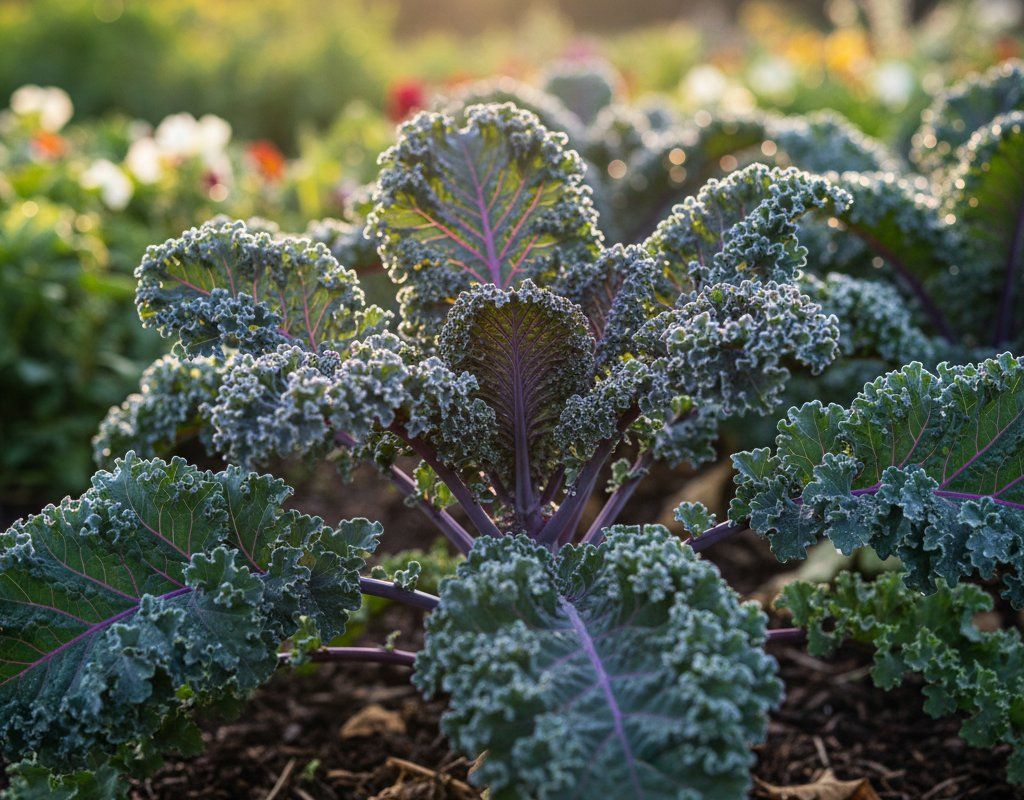
Kale in Zone 7A — Texas
Brassica oleracea var. sabellica · Your Complete 2026 Planting Guide
Time to Buy Starts!
Seed starting window passed, but starts are available now.
Buy Starts Now
Head to your local nursery, Home Depot, or farmers market for transplants.
- Look for stocky plants with dark green leaves
- Avoid leggy seedlings or plants already flowering
- Check that roots aren't circling the pot (rootbound)
How to Plant Kale in Zone 7A — Texas
Here are all your options for getting kale in the ground, from the easiest method to more advanced approaches.
Direct Sow Seeds
RecommendedMid February through early September
around February 15
Consider succession planting every 2-3 weeks for continuous harvest.
Hardy and easy to direct sow in spring or late summer for fall harvest.
Start Seeds Indoors
RecommendedLate January through mid February
around February 1
Then transplant: Early to late March
Start seeds 4-6 weeks before transplanting outdoors.
Buy Starts
Works WellEarly to late March
around March 1
Plant purchased starts after last frost (March 15).
Transplant Outdoors
Timing InfoEarly to late March
around March 1
Can tolerate light frost, but wait for soil to be workable.
You have a nice window — no need to rush.
Fall Planting
Late August through late September
September 13 ideal · Direct sow for fall harvest
Plant a second crop in mid-summer for fall harvest. Kale actually prefers the cooling temperatures of fall.
Overview
Kale thrives in Texas Zone 7A, giving you one of the most nutritious greens you can grow with surprisingly little fuss. Unlike store-bought kale that often tastes bitter, homegrown leaves are tender and sweet, especially after our light winter frosts touch them. You'll get continuous harvests from spring through fall, making it one of the most productive vegetables in your Texas garden.
The Texas heat and unpredictable weather can challenge many crops, but kale's timing works perfectly with our climate. Plant it early to beat the brutal summer heat, then again in late summer for an excellent fall harvest that extends well into winter. With our 245-day growing season, you have plenty of opportunities to grow multiple crops and enjoy fresh kale when store prices peak.
Starting Seeds Indoors
Starting kale seeds indoors makes sense if you want an extra early spring harvest or better control over germination. Sow seeds in late January through mid-February, about 4 weeks before your planned transplant date. This timing takes advantage of Texas's early spring character while avoiding any lingering cold snaps.
Set up seed trays in a warm spot (65-70°F works well) with good light once seedlings emerge. Bottom watering prevents damping-off disease that can plague indoor seedlings in our variable humidity. Keep soil consistently moist but not soggy.
Your seedlings will be ready to transplant in early to late March, giving you a head start on the growing season. This method works especially well if you're dealing with unpredictable spring weather or want to maximize your harvest window before the Texas heat hits.
Transplanting Outdoors
Transplant your kale seedlings outdoors from early to late March, when soil has warmed and the worst of winter's unpredictable freezes have passed. Kale handles light frost well, but tender transplants need protection from sudden temperature swings that Texas springs often deliver.
Harden off seedlings for about a week before transplanting by gradually exposing them to outdoor conditions. Start with a few hours of morning sun, then increase exposure daily. This prevents transplant shock and helps plants adapt to our variable humidity and wind.
Space transplants 12-18 inches apart to allow good air circulation, which helps prevent disease in our humid conditions. Plant them slightly deeper than they were in their containers, and water thoroughly after transplanting. A light frost after transplanting actually improves flavor, so don't worry if temperatures dip into the upper 20s.
Direct Sowing
Direct sowing kale works beautifully in Texas, especially for fall crops. Sow seeds from mid-February through early September, though timing depends on what harvest window you want. Spring sowings should go in early while soil is cool and moist from winter rains.
Prepare your soil by working in compost and ensuring good drainage - our flash floods can drown young seedlings quickly. Kale prefers soil temperatures between 45-85°F, which gives you a wide planting window in our climate. Sow seeds ¼ inch deep and thin to 12-18 inches apart once seedlings establish.
For fall harvests, direct sow in late August through late September. These plantings often outperform spring crops because they mature in cooler weather and develop sweeter flavor after light frosts. Direct-sown plants also develop stronger root systems to handle our drought conditions better than transplants.
Watering Kale in Zone 7A (Texas)
Kale needs consistent moisture to produce tender, sweet leaves - drought stress makes them tough and bitter fast. In Texas, this means paying close attention to your watering schedule as our unpredictable rainfall can swing from 15 to 50 inches per year, often with long dry spells between downpours.
During spring growth, provide about 1 inch of water per week through rainfall and irrigation combined. Use the finger test - stick your finger 2 inches into the soil near plants. If it's dry at that depth, it's time to water deeply. Our variable humidity means plants may need more water some weeks than others, especially when hot, dry winds kick up.
Summer heat changes everything for kale watering. If you're pushing plants through summer (not recommended for quality), you'll need to water almost daily during heat waves when temperatures hit 97°F or higher. Water at soil level rather than overhead to reduce disease pressure in our humid conditions. Morning watering works best so plants can dry before evening humidity rises.
Apply 2-3 inches of organic mulch around plants to conserve moisture and moderate soil temperatures. This helps tremendously during our unpredictable weather swings and reduces watering frequency. Watch for signs of stress: wilting during heat (normal), yellowing older leaves (underwatering), or soft, mushy stems (overwatering from poor drainage).
🧪Fertilizing Kale
Feeding Schedule
Organic Fertilizer Options
Harvest Time
Your first kale harvest typically starts in mid-April from spring plantings, about 55 days after sowing or 8 weeks from indoor starts. Look for outer leaves that reach 8-10 inches long - they should feel substantial but not tough. The leaves will be deep green with a slight waxy coating that helps them handle our Texas heat.
Harvest by cutting or pinching outer leaves at the base, always leaving the growing center intact. This allows continuous production for months, giving you fresh leaves weekly through late November in most years. Take the largest outer leaves first and work your way around the plant, never harvesting more than one-third of the leaves at once.
Fall harvests often taste better than spring crops because plants mature in cooler weather. After our first light frost (usually mid-November), kale becomes noticeably sweeter as starches convert to sugars. You can continue harvesting through winter in most Texas Zone 7A areas, though growth slows considerably.
For continuous production, harvest regularly even if you don't need all the leaves immediately. Kale that's allowed to bolt in our heat produces tough, bitter leaves and stops making new growth. Keep plants productive by harvesting consistently and providing afternoon shade during the hottest months.
Common Problems in Zone 7A (Texas)
Aphids show up as clusters of tiny, soft-bodied insects - usually green, black, or white - on stems and leaf undersides. You'll notice sticky honeydew residue on leaves and curled or distorted new growth. Fire ants often farm aphids for their sweet secretions, making the problem worse in Texas gardens.
These sap-sucking insects reproduce rapidly in our warm weather, with populations exploding during spring and fall. Strong water sprays knock them off effectively, though you may need to repeat treatments. Encourage beneficial insects like ladybugs and lacewings, or use insecticidal soap for heavy infestations. Avoid excess nitrogen fertilizer, which makes plants more attractive to aphids.
Cabbage worms appear as smooth green caterpillars that blend perfectly with kale leaves. Look for irregular holes chewed in leaves and dark green droppings on foliage. You'll often see white butterflies hovering around plants during warm days - these are the adult moths laying eggs.
Multiple generations occur each season in our warm Texas climate, making this an ongoing concern rather than a one-time problem. Bt (Bacillus thuringiensis) spray works excellently against these caterpillars without harming beneficial insects. Floating row covers prevent egg-laying, though you'll need to remove them for air circulation during extreme heat. Handpicking works well for small infestations.
Flea beetles create a distinctive "shot-hole" pattern of tiny round holes in leaves. These small, dark beetles jump when disturbed, earning their name. They're most damaging to young seedlings but rarely kill established plants in Texas gardens.
Small jumping beetles cause this damage, feeding most heavily on young, tender plants. Row covers protect seedlings during their vulnerable first month, though you'll need to vent them during heat waves. Kaolin clay coating makes leaves less appealing to these pests. Healthy, vigorous plants typically outgrow flea beetle damage once established.
Texas Specific Challenges: Our hot-to-extreme summer heat stresses kale significantly, making plants more susceptible to all pest problems. Variable humidity creates perfect conditions for disease development, while unpredictable rainfall patterns stress plants and make them vulnerable. The key is timing your plantings to avoid the worst summer heat and maintaining consistent soil moisture despite our erratic weather patterns.
Best Companions for Kale
Plant these nearby for healthier Kale and better harvests.

Keep Away From
Companion Planting Details
Plant kale alongside beets and onions for excellent companions in Texas gardens. Beets share similar water and nutrient needs while their taproots help break up clay soil that's common in our region. Onions repel many brassica pests and their upright growth doesn't compete for space with kale's spreading leaves.
Celery makes another good neighbor, preferring the same consistent moisture that kale needs to stay tender. Potatoes work well planted nearby since they're typically harvested by the time summer heat stresses your kale plants. Avoid planting near tomatoes, peppers, or strawberries - these crops prefer drier conditions and may compete for nutrients, plus they can harbor pests that also target brassicas in our warm, humid climate.
🌸Best Flowers to Plant with Kale
These flowers protect your Kale from pests and attract pollinators for better harvests.




Get a Reminder When It's Time to Plant
We'll email you when key planting windows open for your zone.