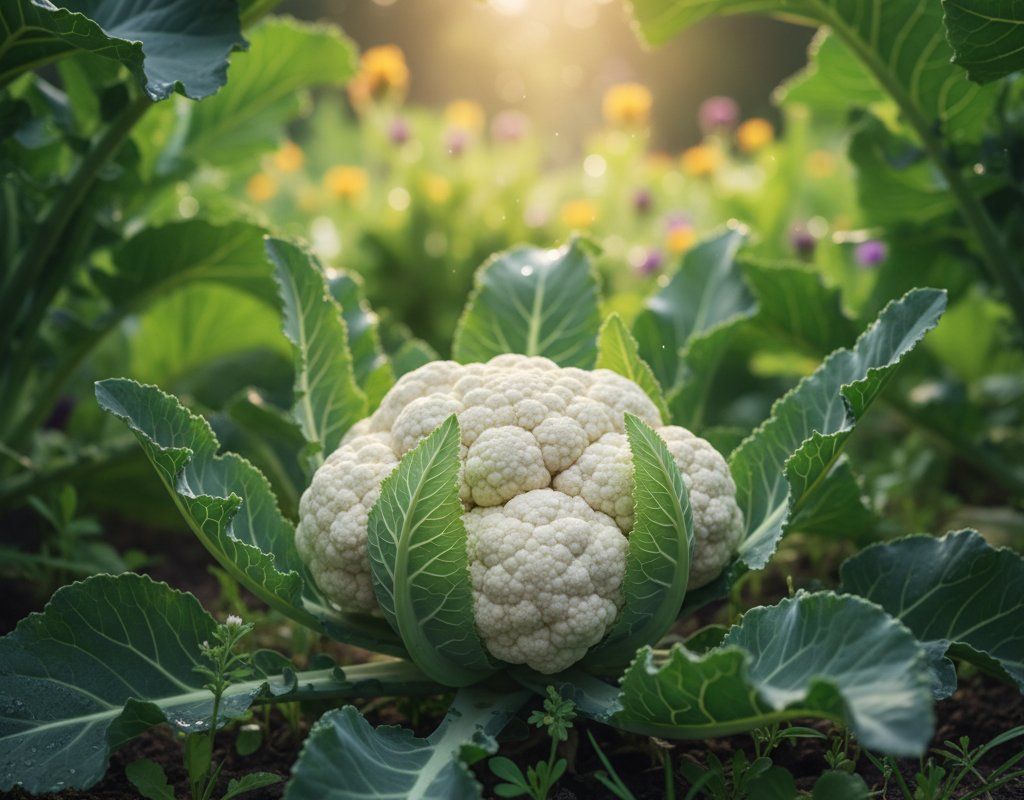
Cauliflower in Zone 7B — Mid-Atlantic
Brassica oleracea var. botrytis · Your Complete 2026 Planting Guide
Missed Seed Starting? No Problem!
Wait for starts to become available.
What to Do
Starts will be available at nurseries in 14 days (around March 18).
How to Plant Cauliflower in Zone 7B — Mid-Atlantic
Here are all your options for getting cauliflower in the ground, from the easiest method to more advanced approaches.
Start Seeds Indoors
RecommendedLate January through mid February
around February 4
Then transplant: Mid March through mid April
Start seeds 6-8 weeks before transplanting outdoors.
Cauliflower is fussy. Starting indoors gives you more control.
Buy Starts
Works WellMid March through mid April
around March 18
Plant purchased starts after last frost (April 1).
Direct Sow Seeds
ChallengingDirect sowing is not typical for Cauliflower.
Transplant Outdoors
Timing InfoMid March through mid April
around March 18
Can tolerate light frost, but wait for soil to be workable.
You have a nice window — no need to rush.
Fall Planting
Mid August through mid September
August 30 ideal · Transplant for fall harvest
Plant a second crop in mid-summer for fall harvest. Cauliflower actually prefers the cooling temperatures of fall.
Overview
Growing cauliflower in our Mid-Atlantic Zone 7B region rewards you with tender, sweet heads that put grocery store varieties to shame. The compact white curds have a mild, nutty flavor perfect for roasting, mashing, or enjoying raw in salads, and there's real satisfaction in successfully growing this notoriously finicky brassica. Our moderate spring temperatures and reliable rainfall create ideal conditions for cauliflower's cool-weather preferences.
While cauliflower can be challenging with our humid summers and variable spring weather, proper timing makes all the difference. With our 214-day growing season, you have two excellent planting windows—spring transplants for early summer harvest, and late summer plantings for fall crops when cooler weather returns.
Starting Seeds Indoors
Starting cauliflower seeds indoors gives you the control this fussy crop demands. Begin sowing seeds in late January through mid-February, about 6 weeks before your planned transplant date. Use seed starting trays filled with quality potting mix, and keep them in a warm location (65-70°F) until germination occurs in 7-10 days.
Once seedlings emerge, move them under grow lights or to your brightest south-facing window. Keep the soil consistently moist but not soggy—bottom watering works well to prevent damping off. The moderate character of our Mid-Atlantic spring means you're not racing against sudden heat like gardeners in warmer zones.
Your seedlings will be ready to transplant when they have 3-4 true leaves and sturdy stems, typically 4-6 weeks after sowing. This indoor head start protects young plants from our sometimes unpredictable spring weather and gives them the strong foundation they need to form proper heads.
Transplanting Outdoors
Transplant your cauliflower seedlings outdoors from mid-March through mid-April, when soil temperatures consistently reach 50°F and the risk of hard frost has largely passed. However, don't rush—cauliflower exposed to prolonged cold (below 50°F for more than a week) can "button," forming tiny, unusable heads.
Harden off seedlings gradually over 7-10 days by exposing them to outdoor conditions for increasing periods. Start with 2-3 hours in a protected spot, gradually increasing time and sun exposure. Our variable spring weather means you might need to bring trays in during unexpected cold snaps or strong storms.
Space transplants 18-24 inches apart in full sun to partial shade, giving each plant room for proper air circulation. This spacing becomes especially important in our humid climate where crowded plants invite disease. Plant at the same depth they were growing in their containers, and water thoroughly after transplanting.
Watering Cauliflower in Zone 7B (Mid-Atlantic)
Consistent moisture is absolutely critical for cauliflower success in our Mid-Atlantic climate. Unlike drought-tolerant crops, cauliflower stressed by inconsistent watering will "button"—forming tiny, unusable heads prematurely. This makes proper watering your most important task.
During our moderate spring weather, check soil moisture every 2-3 days using the finger test—stick your finger 2 inches into the soil near the base of plants. If it feels dry, it's time to water. Provide about 1-1.5 inches per week, including rainfall. Our reliable 40-50 inches of annual precipitation helps, but don't rely entirely on nature's schedule.
As summer heat builds to our typical 88°F highs, increase watering frequency to maintain consistent soil moisture. Water at the base of plants rather than overhead—our humid conditions already promote fungal diseases, and wet foliage makes problems worse. Early morning watering gives plants time to dry before evening humidity settles in.
Watch for signs of water stress: wilting during the day (even with moist soil indicates heat stress), yellowing leaves, or small button heads forming prematurely. A 2-3 inch layer of organic mulch helps retain soil moisture and keeps roots cool during our humid summers, but keep mulch a few inches away from plant stems to prevent pest problems.
🧪Fertilizing Cauliflower
Feeding Schedule
Organic Fertilizer Options
Harvest Time
Your first cauliflower heads will be ready from late May through mid-July, approximately 70 days after transplanting. Look for compact, white heads that measure 6-8 inches across with tight, firm curds. The heads should feel solid when gently squeezed and show no signs of yellowing or purple discoloration.
Harvest by cutting the main stem about 6 inches below the head with a sharp knife, preferably in the cool morning hours. Once you cut the main head, the plant is finished—cauliflower doesn't produce secondary heads like broccoli. Don't wait too long to harvest; heads left too long in our humid heat will develop a strong flavor and loose, grainy texture.
Unlike some vegetables, cauliflower won't continue ripening after cutting, so timing is crucial. If flower buds start to separate or show any yellowing, you've waited too long. For fall plantings, you'll have more leeway since cooler weather slows development and maintains quality longer.
As our first frost approaches in early November, harvest any remaining heads even if they're smaller than ideal. Green leaves can protect developing heads from light frost, but hard freezes will damage the curds beyond use.
Common Problems in Zone 7B (Mid-Atlantic)
Buttoning appears as tiny, premature heads (1-3 inches across) that form when plants are still small. These heads are tight and white but useless for eating. Buttoning occurs when young plants experience stress—cold temperatures below 50°F, inconsistent watering, or transplant shock. In our Mid-Atlantic region, this commonly happens when gardeners transplant too early during variable spring weather or don't maintain consistent moisture during dry spells. Prevent buttoning by waiting until soil temperatures stabilize, hardening off properly, and maintaining steady soil moisture throughout the growing season.
Cabbage worms show up as smooth green caterpillars on leaves, leaving irregular holes and dark green droppings behind. You'll often see white butterflies hovering around plants, laying eggs that hatch into these destructive larvae. Our humid summers support multiple generations of these pests. Combat cabbage worms with Bt spray (very effective against caterpillars), floating row covers to prevent egg-laying, and hand-picking when populations are small. Interplanting with aromatic herbs like thyme and sage can help deter the adult butterflies, while encouraging beneficial parasitic wasps provides natural control.
Heat stress manifests as wilting during hot afternoons (even with moist soil), yellowing leaves, and loose, ricey-textured heads. Our typical summer highs of 88°F combined with humid conditions stress cauliflower beyond its comfort zone. Plants may also bolt prematurely, sending up flower stalks instead of forming heads. Provide afternoon shade during peak summer, maintain consistent soil moisture, and use reflective mulch to keep soil temperatures down. Fall plantings avoid the worst heat stress since heads develop during cooler autumn weather.
Mid-Atlantic Specific Challenges: Our moderate-to-hot, humid summers create the perfect storm for cauliflower stress. The combination of heat, humidity, and variable spring weather requires extra attention to timing, consistent watering, and protection from both temperature extremes and moisture-loving pests that thrive in our climate.
Best Companions for Cauliflower
Plant these nearby for healthier Cauliflower and better harvests.


Keep Away From
Companion Planting Details
Plant cauliflower alongside beets, celery, onions, and spinach for mutual benefits in your Mid-Atlantic garden. Beets and spinach make excellent companions because they mature quickly and don't compete for space, while their different root depths access nutrients at various soil levels. Celery appreciates the same consistent moisture cauliflower requires, and both benefit from afternoon shade during our humid summers. Onions planted nearby help deter cabbage worms and other brassica pests while their strong scent confuses pest insects looking for host plants.
Avoid planting cauliflower near tomatoes, peppers, or strawberries, as these combinations create problems in our climate. Tomatoes and peppers need hot, dry conditions that stress cauliflower, while their larger size creates too much shade competition. Strawberries can harbor similar fungal diseases that spread easily in our humid conditions, and both crops attract different beneficial insects that might not provide mutual pest control benefits.
🌸Best Flowers to Plant with Cauliflower
These flowers protect your Cauliflower from pests and attract pollinators for better harvests.




Get a Reminder When It's Time to Plant
We'll email you when key planting windows open for your zone.