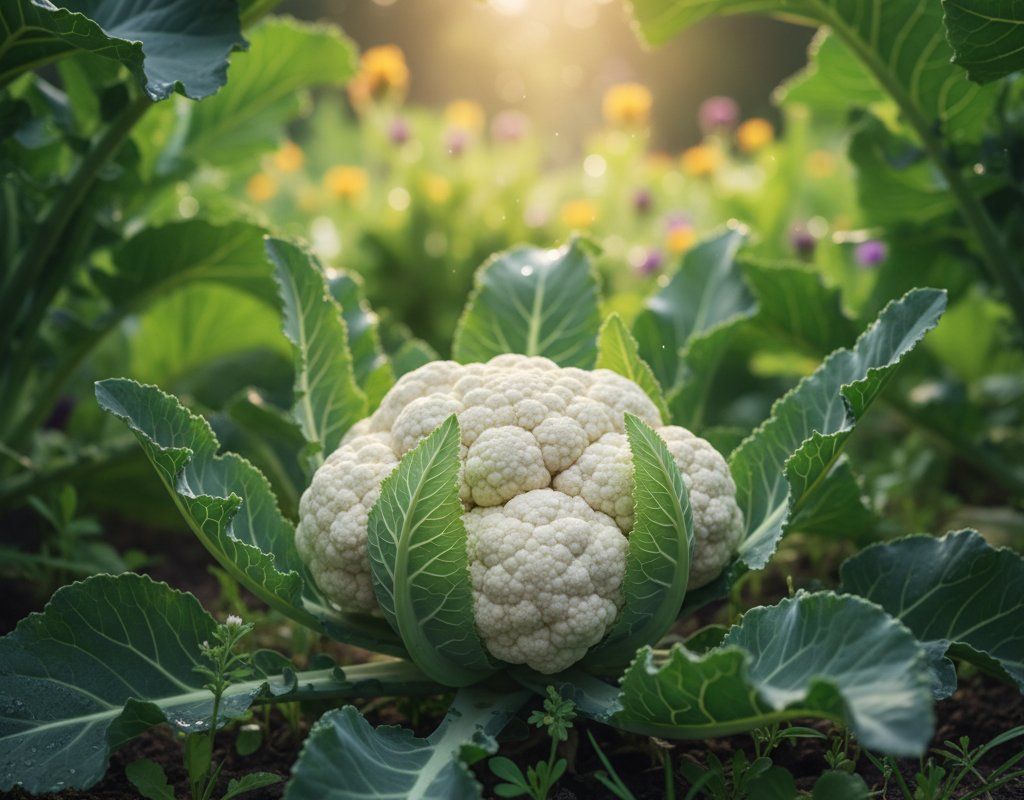
Cauliflower in Zone 7B — Northern California
Brassica oleracea var. botrytis · Your Complete 2026 Planting Guide
Time to Buy Starts!
Seed starting window passed, but starts are available now.
Buy Starts Now
Head to your local nursery, Home Depot, or farmers market for transplants.
- Look for stocky plants with dark green leaves
- Avoid leggy seedlings or plants already flowering
- Check that roots aren't circling the pot (rootbound)
How to Plant Cauliflower in Zone 7B — Northern California
Here are all your options for getting cauliflower in the ground, from the easiest method to more advanced approaches.
Start Seeds Indoors
RecommendedMid January through early February
around January 18
Then transplant: Early to late March
Start seeds 6-8 weeks before transplanting outdoors.
Cauliflower is fussy. Starting indoors gives you more control.
Buy Starts
Works WellEarly to late March
around March 1
Plant purchased starts after last frost (March 15).
Direct Sow Seeds
ChallengingDirect sowing is not typical for Cauliflower.
Transplant Outdoors
Timing InfoEarly to late March
around March 1
Can tolerate light frost, but wait for soil to be workable.
You have a nice window — no need to rush.
Fall Planting
Late August through late September
September 13 ideal · Transplant for fall harvest
Plant a second crop in mid-summer for fall harvest. Cauliflower actually prefers the cooling temperatures of fall.
Overview
Cauliflower thrives in Northern California's Mediterranean climate, producing those spectacular white heads that put grocery store versions to shame. Our cool nights and warm days create ideal conditions for developing tight, flavorful curds, while our long 245-day growing season gives you multiple opportunities to nail the timing. The satisfaction of cutting your own perfect cauliflower head after months of careful tending is unmatched.
Yes, cauliflower has a reputation for being finicky, and our variable microclimates can add complexity. But with proper timing and consistent care, this cool-season crop performs beautifully here. Starting early in our mild winter and transplanting before the heat builds gives you the sweet spot this vegetable craves.
Starting Seeds Indoors
Start your cauliflower seeds indoors from mid-January through early February, about 6 weeks before your planned transplant date. Cauliflower is notoriously fussy about temperature swings and root disturbance, so indoor starting gives you complete control over their early environment. Use seed trays filled with quality seed-starting mix and keep the soil temperature around 70°F for best germination.
Place your seed trays under grow lights or in a bright, warm location, but avoid direct sunlight through windows which can create temperature fluctuations. Bottom watering works best for cauliflower seedlings since they're prone to damping-off disease when water sits on their leaves. Keep the soil consistently moist but not soggy.
Our early spring weather in Northern California can be unpredictable, so having strong seedlings ready to transplant when conditions stabilize is crucial. By starting indoors, you'll have sturdy 4-6 week old plants ready to handle our March transplant window.
Transplanting Outdoors
Transplant your cauliflower seedlings outdoors from early to late March, timing it for after our typical last frost period but before consistent warm weather arrives. These plants need cool conditions to develop properly, so getting them established while nights are still chilly gives them the best start. Harden off seedlings for a full week by gradually increasing their outdoor exposure time.
Space plants 18-24 inches apart in well-amended soil with good drainage. Cauliflower needs room for its large leaves and doesn't compete well when crowded. Plant them at the same depth they were growing in their containers, being extra gentle with the roots since any disturbance can trigger premature heading.
Watch for those late March warm spells that can stress newly transplanted seedlings. Have row covers ready if temperatures suddenly spike above 75°F during the day, as heat stress at this stage often leads to buttoning problems later.
Watering Cauliflower in Zone 7B (Northern California)
Cauliflower demands consistent moisture throughout its growing season, and in our dry Northern California climate, this means staying vigilant with your watering schedule. These plants are extremely sensitive to water stress – even brief periods of drought can trigger buttoning, where tiny, unusable heads form prematurely. Aim for about 1-1.5 inches of water per week, delivered deeply and evenly.
Use the finger test regularly: stick your finger 2 inches into the soil near the base of the plant. If it's dry at that depth, it's time to water. In our low-humidity environment, surface soil can look deceivingly dry while deeper roots still have moisture, so this deeper check is essential. Water at the base of plants rather than overhead – our low humidity means foliar diseases aren't a major concern, but ground-level watering is more efficient.
During our typical summer heat waves when temperatures hit 88°F or higher, you may need to water every 2-3 days rather than weekly. Watch for signs of stress: wilting during the heat of the day (normal), but also wilting in morning or evening hours (needs water immediately). Overwatering shows up as yellowing lower leaves and poor growth.
Apply a 2-3 inch layer of mulch around plants to help retain moisture and keep soil temperatures cool. In our fire-prone region, use organic mulches like straw or shredded leaves rather than bark, and keep mulch several inches away from plant stems.
🧪Fertilizing Cauliflower
Feeding Schedule
Organic Fertilizer Options
Harvest Time
Your first cauliflower heads will be ready from early May through late June, about 70 days from transplanting. Look for heads that are 6-8 inches across with tight, white curds that feel firm and compact. The surface should be smooth without any yellowing or purple tinge, and individual florets shouldn't be starting to separate or "rice" at the edges.
Cut the entire head at the base with a sharp knife, taking a few inches of stem with it. Unlike some vegetables, cauliflower won't produce additional heads after the main harvest, so this is your one shot per plant. Harvest in the morning when heads are cool and crisp for the best quality and storage life.
Since cauliflower doesn't continue producing and won't ripen off the plant, timing is everything. Check your plants daily once heads start forming because they can go from perfect to overripe quickly, especially during warm weather. A head that's starting to separate or turn yellow has passed its prime.
With our first frost typically arriving in mid-November, any remaining small heads in fall plantings have plenty of time to mature. However, if heads are still small when consistent cold weather arrives, they likely won't develop further and should be harvested as "baby cauliflower" or composted.
Common Problems in Zone 7B (Northern California)
Buttoning appears as tiny, premature heads forming when plants are still small, often marble-sized instead of the full heads you're expecting. This frustrating problem shows up as tight little white clusters that never develop further, essentially ruining your entire crop. Buttoning happens when plants experience stress during their juvenile stage – inconsistent watering, temperature swings above 80°F, or transplant shock can all trigger this response. Prevent it by maintaining consistent soil moisture, providing afternoon shade during heat waves, and being extra gentle during transplanting.
Cabbage worms show up as smooth, pale green caterpillars munching irregular holes in your cauliflower leaves, often accompanied by dark green droppings scattered around the plant. You'll also notice white butterflies fluttering around your brassicas – these are the adults laying eggs for the next generation. In our mild Northern California climate, these pests can have multiple generations per season, making them a persistent problem. Bt (Bacillus thuringiensis) spray is extremely effective and organic-approved, or use floating row covers to prevent egg-laying entirely. Handpicking works for small infestations, and interplanting with aromatic herbs like thyme and sage can help deter them.
Heat stress manifests as poor head formation, loose curds, or heads that turn purple or yellow instead of staying white. Plants may also bolt to seed prematurely when temperatures consistently exceed 75-80°F. Our moderate-to-hot summers and variable microclimates can create challenging conditions, especially in inland valleys where temperatures spike unexpectedly. Provide afternoon shade during heat waves, maintain consistent deep watering, and consider planting in locations that receive morning sun but afternoon protection.
Northern California's specific challenges include our wildly varying microclimates – a plant might thrive in coastal fog while struggling just 10 miles inland. Our dry summers mean you can't rely on natural rainfall for consistent moisture, and water restrictions during drought years require efficient irrigation planning. Additionally, smoke from fire season can stress plants and affect flavor, so having backup watering systems and protective covers becomes essential for success.
Best Companions for Cauliflower
Plant these nearby for healthier Cauliflower and better harvests.


Keep Away From
Companion Planting Details
Plant your cauliflower alongside beets and spinach, which grow at ground level and won't compete for the same root space while helping shade the soil and retain moisture. Celery makes an excellent companion because it has similar water needs and its strong scent may help deter some pests. Onions planted around the perimeter of your cauliflower bed can help confuse cabbage worms and other brassica pests with their pungent aroma.
Avoid planting cauliflower near tomatoes, peppers, or strawberries, as these plants have different water and nutrient requirements that can create competition stress. Tomatoes and peppers prefer less frequent, deeper watering cycles, while cauliflower needs consistent moisture. In Northern California's intense sun and low humidity, this watering mismatch becomes even more problematic, often leading to stressed plants and poor harvests for both crops.
🌸Best Flowers to Plant with Cauliflower
These flowers protect your Cauliflower from pests and attract pollinators for better harvests.




Get a Reminder When It's Time to Plant
We'll email you when key planting windows open for your zone.