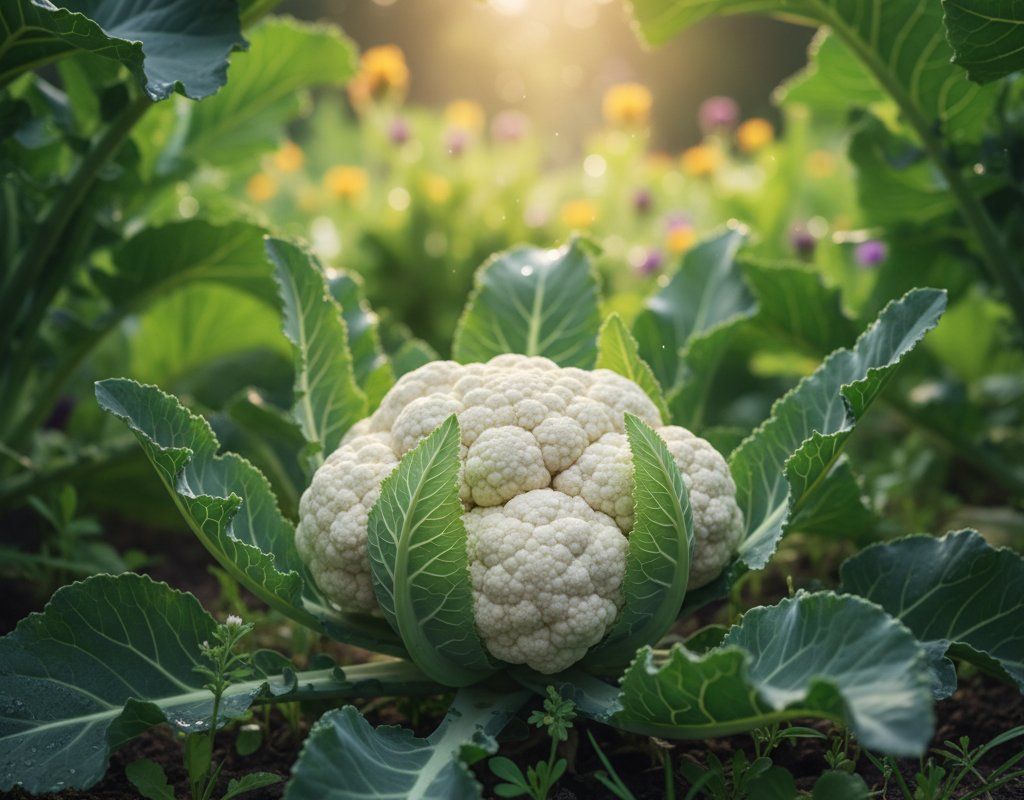
Cauliflower in Zone 7B — Texas
Brassica oleracea var. botrytis · Your Complete 2026 Planting Guide
Time to Buy Starts!
Seed starting window passed, but starts are available now.
Buy Starts Now
Head to your local nursery, Home Depot, or farmers market for transplants.
- Look for stocky plants with dark green leaves
- Avoid leggy seedlings or plants already flowering
- Check that roots aren't circling the pot (rootbound)
How to Plant Cauliflower in Zone 7B — Texas
Here are all your options for getting cauliflower in the ground, from the easiest method to more advanced approaches.
Start Seeds Indoors
RecommendedEarly to late January
around January 13
Then transplant: Late February through late March
Start seeds 6-8 weeks before transplanting outdoors.
Cauliflower is fussy. Starting indoors gives you more control.
Buy Starts
Works WellLate February through late March
around February 24
Plant purchased starts after last frost (March 10).
Direct Sow Seeds
ChallengingDirect sowing is not typical for Cauliflower.
Transplant Outdoors
Timing InfoLate February through late March
around February 24
Can tolerate light frost, but wait for soil to be workable.
You have a nice window — no need to rush.
Fall Planting
Early September through early October
September 18 ideal · Transplant for fall harvest
Plant a second crop in mid-summer for fall harvest. Cauliflower actually prefers the cooling temperatures of fall.
Overview
Cauliflower is one of those crops that makes you feel like a real gardener when you pull off a perfect white head. Here in Zone 7B Texas, you get the satisfaction of growing something that looks impossible but tastes incredible when harvested fresh - nutty, sweet, and nothing like the grocery store version. The versatility is unmatched too: roast it, rice it, or turn it into that trendy cauliflower crust pizza.
The Texas heat and unpredictable weather make cauliflower tricky, but our 255-day growing season gives you flexibility most gardeners don't have. The key is working with our early spring window before the brutal summer heat kicks in. Start early, transplant while it's still cool, and you'll harvest beautiful heads before the Texas sun gets serious about making life difficult.
Starting Seeds Indoors
Start your cauliflower seeds indoors during early to late January, about six weeks before you plan to transplant outside. This timing takes advantage of our early spring character - you want those transplants ready to go into the ground while night temperatures are still mild. Cauliflower is fussy about temperature swings and stress, so starting indoors gives you the control you need.
Set up your seed trays in a warm spot (65-70°F) with good light - a sunny south window or grow lights work well. Plant seeds about ¼ inch deep in quality seed-starting mix. Bottom watering works best for cauliflower seedlings since they're prone to damping off if the soil stays too wet on top.
Keep the soil consistently moist but not soggy, and expect germination in 7-10 days. Once your seedlings have their first true leaves, you can start hardening them off for transplanting. The indoor start method is really your best bet with cauliflower - direct sowing in Texas just doesn't give reliable results.
Transplanting Outdoors
Plan to transplant your cauliflower seedlings outdoors from late February through late March, when nighttime temperatures stay consistently above freezing. This window works perfectly with our unpredictable weather - early enough to avoid the worst heat, late enough to dodge most freeze risks. You want soil temperatures around 50-60°F for the best root establishment.
Harden off your seedlings gradually over a week, starting with just an hour or two outside in a protected spot and building up to full days. Space plants 18-24 inches apart - cauliflower needs room for those big outer leaves that protect the developing head. Choose your sunniest spot, though they'll tolerate some afternoon shade once summer heat arrives.
Watch the weather during transplant time since we can get those unexpected warm spells followed by cold snaps. Have row covers or milk jugs ready to protect transplants if temperatures drop below 40°F. A light frost won't kill established plants, but it can stress them into buttoning (forming tiny, useless heads).
Watering Cauliflower in Zone 7B (Texas)
Cauliflower is absolutely unforgiving about inconsistent watering - stress from wet-dry cycles causes buttoning faster than anything else. In our Texas climate with unpredictable rainfall ranging from 15-50 inches annually, you need to take control of the watering schedule. Keep soil consistently moist but not waterlogged, aiming for about 1-1.5 inches per week including rainfall.
Use the finger test religiously: stick your finger 2 inches into the soil near the base of the plant. If it's dry at that depth, it's time to water. During our variable humidity and those 97°F summer days, you might need to water every other day once temperatures climb. Water at the base rather than overhead - cauliflower leaves hold water that can lead to rot, especially during humid spells.
Watch for stress signs: wilting during the heat of the day (normal), but also wilting in morning or evening (underwatered), or yellowing outer leaves (could be overwatered). Mulch around plants with 2-3 inches of shredded hardwood or compost to help maintain consistent soil moisture, but keep it pulled back from the stem to prevent pest issues.
The key is steady, consistent moisture from transplant through harvest. Once heads start forming, any water stress will ruin your crop - those beautiful white curds need steady hydration to develop properly.
🧪Fertilizing Cauliflower
Feeding Schedule
Organic Fertilizer Options
Harvest Time
Your first cauliflower heads should be ready from early May through late June, typically 70 days from transplant in our Texas growing conditions. Look for tight, compact white heads that measure 6-8 inches across - they should feel firm and heavy for their size. The curds (those little white bumps that make up the head) should be tightly packed together without any separation or yellowing.
Cut the entire head at the base with a sharp knife, taking some of the surrounding leaves with it. Don't wait too long - once curds start to separate or show any purple or yellow discoloration, the quality drops fast. Unlike tomatoes, cauliflower won't ripen or improve after cutting, so timing is everything.
Check your plants every few days once heads start forming because development speeds up in warmer weather. Some varieties produce small side shoots after the main head is cut, but don't count on it - most of your harvest will be that single beautiful head per plant.
As our first frost approaches in mid-November, any remaining small heads won't have time to mature. Focus your energy on the plants showing good head development and pull the rest to make room for your fall garden rotation.
Common Problems in Zone 7B (Texas)
Buttoning (Premature Small Heads) Small, loose heads that form when plants are only 4-6 inches tall instead of full-sized mature plants. You'll see tiny white clusters developing way too early, usually after temperature stress or inconsistent watering. This happens when plants get stressed during their critical early growth period - common with our unpredictable spring weather swings. Prevent buttoning by maintaining consistent soil moisture, protecting transplants from temperature swings below 50°F or above 75°F, and ensuring plants are well-established before hot weather hits.
Cabbage Worms Smooth green caterpillars munching irregular holes through your cauliflower leaves, leaving dark green droppings behind. You'll often see white butterflies hovering around plants during the day - they're laying eggs that turn into these destructive larvae. Multiple generations per season make this an ongoing problem in our warm Texas climate. Bt spray works extremely well on young caterpillars, while floating row covers prevent egg-laying entirely. Handpick larger caterpillars and encourage beneficial wasps by interplanting aromatic herbs like thyme and sage.
Heat Stress Leaves turning yellow or purple, heads developing a ricey texture instead of smooth curds, or plants bolting to seed prematurely. Our brutal Texas heat above 80°F during head formation causes these issues - cauliflower really struggles once temperatures climb. Plant early enough that heads mature before peak summer heat, provide afternoon shade during the hottest part of summer, and maintain extra consistent watering as temperatures rise. Some gardeners use shade cloth during heat waves to extend the harvest window.
Texas Specific Challenges: Our hot-to-extreme summer heat, variable humidity, and unpredictable rainfall create the perfect storm for cauliflower problems. The rapid temperature swings from our unpredictable weather stress plants into buttoning, while the extended heat season shortens your harvest window significantly compared to cooler climates.
Best Companions for Cauliflower
Plant these nearby for healthier Cauliflower and better harvests.


Keep Away From
Companion Planting Details
Plant cauliflower with beets - their deep taproots pull nutrients from different soil levels and won't compete for space. Celery makes an excellent neighbor since it has similar water needs and helps maximize your garden space with different harvest timing. Onions planted around the perimeter help deter cabbage worms and other pests with their strong scent, plus they're ready to harvest just as your cauliflower needs more space. Spinach works well as a quick crop between cauliflower plants since it'll be done before the cauliflower heads need full space.
Avoid planting tomatoes and peppers nearby - they're heavy feeders that compete for the same nutrients, plus their sprawling summer growth will shade your cauliflower just when it needs full sun for head development. Strawberries are another bad choice since they prefer different watering schedules and can harbor pests that move to your brassicas. In our Texas heat, you want companions that either harvest early or don't compete for water during those critical summer months when your cauliflower is finishing up.
🌸Best Flowers to Plant with Cauliflower
These flowers protect your Cauliflower from pests and attract pollinators for better harvests.




Get a Reminder When It's Time to Plant
We'll email you when key planting windows open for your zone.