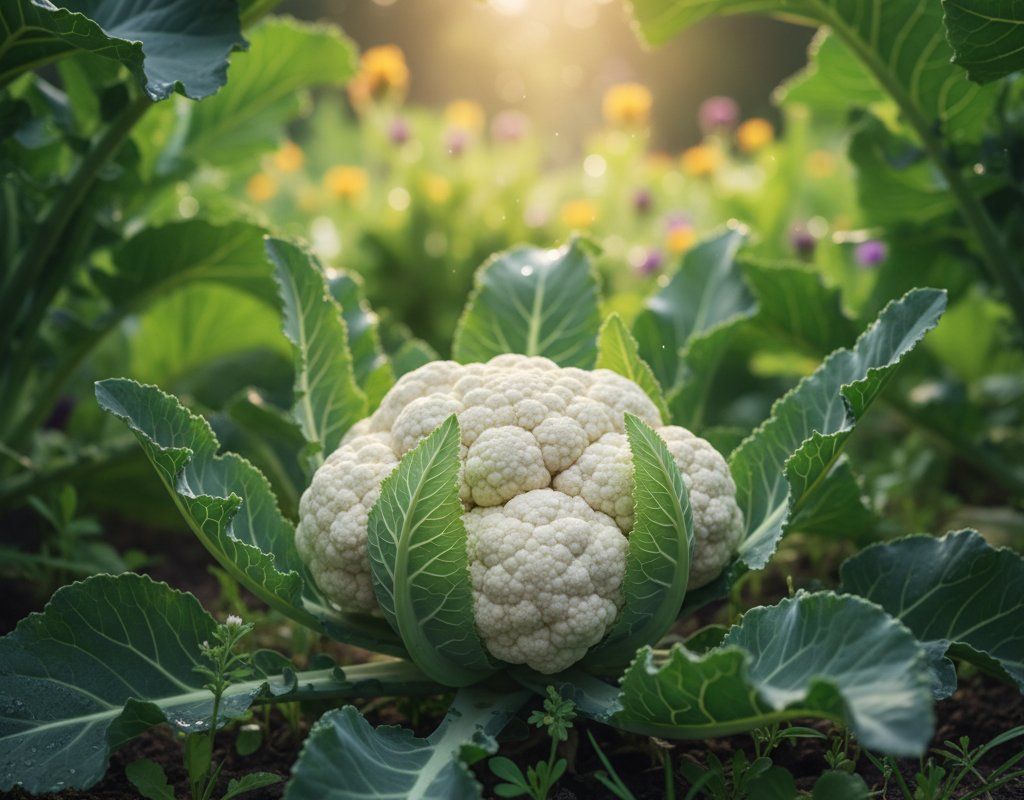
Cauliflower in Zone 8A — Northern California
Brassica oleracea var. botrytis · Your Complete 2026 Planting Guide
Time to Buy Starts!
Seed starting window passed, but starts are available now.
Buy Starts Now
Head to your local nursery, Home Depot, or farmers market for transplants.
- Look for stocky plants with dark green leaves
- Avoid leggy seedlings or plants already flowering
- Check that roots aren't circling the pot (rootbound)
How to Plant Cauliflower in Zone 8A — Northern California
Here are all your options for getting cauliflower in the ground, from the easiest method to more advanced approaches.
Start Seeds Indoors
RecommendedEarly to late January
around January 13
Then transplant: Late February through late March
Start seeds 6-8 weeks before transplanting outdoors.
Cauliflower is fussy. Starting indoors gives you more control.
Buy Starts
Works WellLate February through late March
around February 24
Plant purchased starts after last frost (March 10).
Direct Sow Seeds
ChallengingDirect sowing is not typical for Cauliflower.
Transplant Outdoors
Timing InfoLate February through late March
around February 24
Can tolerate light frost, but wait for soil to be workable.
You have a nice window — no need to rush.
Fall Planting
Early September through early October
September 18 ideal · Transplant for fall harvest
Plant a second crop in mid-summer for fall harvest. Cauliflower actually prefers the cooling temperatures of fall.
Overview
Cauliflower thrives in Northern California's Mediterranean climate, giving you restaurant-quality heads that put grocery store versions to shame. Our mild winters and early spring start mean you can harvest beautiful, dense cauliflower heads while much of the country is still dealing with snow. The cool nights and moderate daytime temperatures during our growing season create perfect conditions for developing those tight, white curds that make cauliflower so prized.
Yes, cauliflower has a reputation for being finicky, and our dry summers and occasional heat spikes can stress this cool-season crop. But with our 255-day growing season, you have plenty of flexibility in timing your plantings to work with the weather rather than against it. Start seeds during our mild winter months, and you'll be harvesting before the real summer heat kicks in.
Starting Seeds Indoors
Start your cauliflower seeds indoors during early to late January, about 6 weeks before you plan to transplant outdoors. This timing takes advantage of Northern California's early spring, giving your seedlings a head start while avoiding the stress of direct seeding in unpredictable weather. Cauliflower is notoriously fussy about temperature fluctuations, so indoor starting gives you much better control over their early development.
Use seed trays or cell packs filled with quality seed-starting mix, planting seeds about ¼ inch deep. Keep the soil temperature around 65-70°F for best germination – a heat mat helps during our cooler January nights. Once seedlings emerge, they need bright light (a grow light works well) and consistent moisture. Bottom watering is your friend here; it prevents damping off and keeps the soil evenly moist without waterlogging the surface.
Your seedlings will be ready to transplant when they have 4-6 true leaves and are about 4 inches tall. This usually takes about 6 weeks from seeding, perfectly timed for late February through late March transplanting when our last frost risk has passed.
Transplanting Outdoors
Plan to transplant your cauliflower seedlings outdoors from late February through late March, after hardening them off for a full week. Start the hardening process by placing seedlings outside in a protected spot for just a few hours, gradually increasing their outdoor time each day. This step is crucial in Northern California because even our mild weather can shock indoor-grown seedlings.
Space plants 18-24 inches apart in full sun to partial shade – the wider spacing is especially important here since our microclimates can create unexpected warm pockets that stress crowded plants. Choose your planting site carefully, avoiding areas that get intense afternoon sun if you're in one of our hotter inland valleys.
Watch the weather during transplanting season, as late winter storms can still bring heavy rain and occasional cold snaps. If temperatures are forecast to drop below 32°F, cover transplants with row covers or bring containers indoors temporarily. Once established, your cauliflower can handle light frosts, but young transplants need protection.
Watering Cauliflower in Zone 8A (Northern California)
Cauliflower demands consistent moisture throughout the growing season, and this becomes critical in Northern California's dry-summer climate. Unlike drought-tolerant Mediterranean plants, cauliflower will quickly develop problems if water stress occurs. Inconsistent watering is the leading cause of "buttoning" – when plants form tiny, premature heads instead of full-sized ones.
During our mild spring months, check soil moisture by inserting your finger 2 inches deep near the plant base. The soil should feel consistently damp but not soggy. Plan on providing about 1-1.5 inches of water per week, either through rain or irrigation. As our dry season progresses and temperatures climb toward typical summer highs of 88°F, you'll need to water more frequently, possibly every other day during heat waves.
Water at the base of plants rather than overhead – our low humidity means leaves dry quickly, but ground-level watering is more efficient and reduces evaporation. Morning watering is ideal, giving plants moisture for the day ahead while avoiding wet foliage overnight. A 2-3 inch layer of organic mulch around plants helps retain soil moisture and keeps roots cooler during warmer weather.
Watch for signs of water stress: leaves that wilt during the day but recover overnight indicate you need to increase watering frequency. Yellow, droopy leaves often mean overwatering, while premature flowering or tiny heads signal drought stress. In our water-conscious region, drip irrigation or soaker hoses provide the most efficient delivery system for cauliflower's steady water needs.
🧪Fertilizing Cauliflower
Feeding Schedule
Organic Fertilizer Options
Harvest Time
Your first cauliflower heads will be ready from early May through late June, about 70 days from transplanting. The timing works perfectly with Northern California's climate – you'll harvest before our hottest summer weather arrives. Look for heads that are 6-8 inches across, white and firm with tightly packed curds that haven't started to separate or show any yellowing.
Cut the main head at the base with a sharp knife, leaving the outer leaves intact. Unlike some vegetables, cauliflower won't produce side shoots for continued harvest – once you cut the main head, that plant is finished. The window for perfect harvest is relatively short, maybe a week or two, so check your plants every few days once heads start forming.
If you notice the curds beginning to loosen or turn slightly yellow, harvest immediately – the quality deteriorates quickly once this process starts. Heads harvested at peak quality will keep in the refrigerator for up to a week. Some varieties may produce small secondary shoots from the base after the main harvest, though these are typically much smaller.
Since Northern California's first frost doesn't typically arrive until mid-November, you have time for a fall planting if you start seeds in early July for late summer transplanting. This gives you two potential harvest seasons, with fall cauliflower often producing even better quality heads due to cooler growing conditions.
Common Problems in Zone 8A (Northern California)
Buttoning Small, premature heads that never develop full size are cauliflower's most frustrating problem. You'll see tiny white heads forming when plants are still small, maybe only 6-8 inches tall. This happens when plants experience stress during their early development – temperature fluctuations, inconsistent watering, or transplant shock. In Northern California, this often occurs when late spring heat waves hit young plants or when irregular watering during our dry season stresses the roots. Prevent buttoning by maintaining consistent soil moisture, protecting young plants from temperature extremes with row covers, and ensuring transplants are well-established before hot weather arrives.
Cabbage Worms Those smooth green caterpillars munching irregular holes in your cauliflower leaves are cabbage worms, the larvae of white butterflies you'll see fluttering around your plants. You'll also notice dark green droppings on the leaves and sometimes find the caterpillars hiding in the developing heads. Northern California's mild climate allows multiple generations per season, making this an ongoing issue. Bt (Bacillus thuringiensis) spray is extremely effective and safe for edible crops – apply it in the evening when beneficial insects are less active. Floating row covers prevent the butterflies from laying eggs in the first place, and interplanting with aromatic herbs like thyme or sage helps deter them naturally.
Heat Stress When temperatures climb above 80°F for extended periods, cauliflower plants shut down and may bolt to seed prematurely. Leaves look wilted even with adequate water, and heads may develop a purple tinge or loose, ricey texture. This is particularly challenging in inland Northern California valleys where summer heat can spike unexpectedly. Provide afternoon shade using shade cloth (30-50% works well), ensure deep, consistent watering, and consider timing your plantings to avoid the hottest part of summer. Fall plantings often perform better because they mature during cooler weather.
Northern California Specific Challenges: Our Mediterranean climate's combination of dry summers and variable microclimates creates unique challenges for cauliflower. Coastal fog can delay development, while inland heat can stress plants rapidly. Fire season smoke can also impact growth, and water restrictions may limit your ability to provide the consistent moisture cauliflower demands.
Best Companions for Cauliflower
Plant these nearby for healthier Cauliflower and better harvests.


Keep Away From
Companion Planting Details
Plant cauliflower alongside beets, celery, onions, and spinach for the best results in Northern California gardens. Onions and celery help repel aphids and cabbage worms naturally – their strong scents confuse the pests that target brassicas. Beets make excellent space-efficient companions since their roots don't compete directly with cauliflower's shallow root system, and spinach provides living mulch that helps retain soil moisture during our dry season.
Avoid planting cauliflower near tomatoes, peppers, or strawberries. These plants have different water and nutrient needs that conflict with cauliflower's requirements, and tomatoes in particular can shade out the cauliflower while competing for nutrients. In Northern California's water-conscious environment, grouping plants with similar irrigation needs makes much more sense than trying to manage different watering schedules in the same bed.
🌸Best Flowers to Plant with Cauliflower
These flowers protect your Cauliflower from pests and attract pollinators for better harvests.




Get a Reminder When It's Time to Plant
We'll email you when key planting windows open for your zone.