
Spinach in Zone 8A — Northern California
Spinacia oleracea · Your Complete 2026 Planting Guide
Time to Buy Starts!
Seed starting window passed, but starts are available now.
Buy Starts Now
Head to your local nursery, Home Depot, or farmers market for transplants.
- Look for stocky plants with dark green leaves
- Avoid leggy seedlings or plants already flowering
- Check that roots aren't circling the pot (rootbound)
How to Plant Spinach in Zone 8A — Northern California
Here are all your options for getting spinach in the ground, from the easiest method to more advanced approaches.
Direct Sow Seeds
RecommendedLate January through late September
around January 27
Consider succession planting every 2-3 weeks for continuous harvest.
Spinach loves cold soil. Direct sow as soon as ground can be worked.
Start Seeds Indoors
RecommendedEarly to late January
around January 13
Then transplant: Early February through late March
Start seeds 4-6 weeks before transplanting outdoors.
Buy Starts
Works WellEarly February through late March
around February 10
Plant purchased starts after last frost (March 10).
Transplant Outdoors
Timing InfoEarly February through late March
around February 10
Can tolerate light frost, but wait for soil to be workable.
You have a nice window — no need to rush.
Fall Planting
Late September through late October
October 9 ideal · Direct sow for fall harvest
Plant a second crop in mid-summer for fall harvest. Spinach actually prefers the cooling temperatures of fall.
Overview
Spinach thrives in Northern California's Mediterranean climate, giving you tender, flavorful leaves that beat store-bought varieties hands down. Our mild winters and early springs mean you can grow spinach nearly year-round, harvesting fresh greens when other regions are still frozen. The cool nights and moderate daytime temperatures create perfect conditions for sweet, crisp leaves that never develop the bitter edge common in hotter climates.
Our dry summers and occasional heat waves can challenge spinach, but with proper timing and water-wise techniques, you'll enjoy continuous harvests throughout our impressive 255-day growing season. The key is working with our seasonal patterns rather than against them—plant early for spring harvests and again in late summer for fall and winter production.
Starting Seeds Indoors
Starting spinach indoors makes sense when you want to get a jump on the season or protect seedlings from late winter rains. Start seeds in early to late January, about four weeks before you plan to transplant outdoors. Our early spring gives you flexibility in timing, but indoor starting helps ensure steady germination rates.
Use standard seed trays with quality potting mix, keeping soil temperatures around 60-65°F—easily achieved indoors during our mild Northern California winters. Bottom watering works best for spinach seeds, preventing damping-off issues that can plague surface watering in cool conditions.
The main advantage of indoor starting here is controlling moisture during our wet winter months. You'll avoid the soil compaction and fungal issues that can occur when direct sowing in saturated garden beds during heavy January rains.
Transplanting Outdoors
Transplant your indoor-started spinach seedlings from early February through late March, timing them after the heaviest winter rains but before spring temperatures climb consistently above 70°F. Our mild winter lows rarely damage hardened-off spinach transplants, giving you a generous transplanting window.
Harden off seedlings gradually over one week, starting with a few hours of morning sun and building up to full outdoor exposure. Space transplants 4-6 inches apart in rows or blocks—closer spacing actually helps leaves stay tender by providing mutual shading during unexpected warm spells.
Watch for late winter temperature swings that can stress newly transplanted seedlings. While spinach handles cold well, the combination of wet soil and sudden temperature changes can shock young plants. Have row covers ready for unseasonably warm days that might trigger premature bolting.
Direct Sowing
Direct sowing works exceptionally well for spinach in Northern California, especially since this crop actually prefers cool soil temperatures. Sow seeds from late January through late September, taking advantage of our extended growing season and generally mild conditions.
Plant seeds ½ inch deep in well-draining soil, spacing them 4-6 inches apart. Spinach loves cold soil—you can direct sow as soon as the ground can be worked in late winter, often while soil temperatures are still in the 40s. This early sowing produces the sweetest, most tender leaves.
For succession planting, sow new rows every 2-3 weeks through spring, skip the hot summer months, then resume sowing from late August through late September. Our cool fall and winter weather extends the harvest season well into November, sometimes December in milder years.
Watering Spinach in Zone 8A (Northern California)
Spinach needs consistent moisture to prevent bolting and maintain tender leaves, making water management crucial in our dry-summer climate. Provide about 1 inch of water per week, increasing to 1.5 inches during warm spells above 75°F. The finger test works perfectly—check soil moisture 2 inches deep and water when it feels barely damp.
Water at the base of plants rather than overhead, especially important given our low humidity which can stress wet foliage. Morning watering helps keep soil temperatures cool during warmer days and prevents the heat stress that triggers bolting. Deep, infrequent watering encourages strong root systems better equipped to handle our Mediterranean conditions.
During summer heat waves, spinach may need daily watering to prevent wilting and premature flowering. Signs of underwatering include rapid bolting, bitter-tasting leaves, and stunted growth. Overwatering shows up as yellowing lower leaves and poor growth—common during our wet winters when drainage becomes critical.
Apply 2-3 inches of organic mulch around plants to retain moisture and keep soil temperatures stable. This is especially valuable during fire season when water restrictions might limit your irrigation schedule, helping stretch every drop you can provide.
🧪Fertilizing Spinach
Feeding Schedule
Organic Fertilizer Options
Harvest Time
Begin harvesting spinach about 40 days after planting, typically starting in early March for winter-sown crops and continuing through late November. Look for outer leaves that reach 3-4 inches long—these will be tender and mild-flavored, perfect for fresh eating or light cooking.
Harvest by cutting outer leaves at the base with clean scissors, leaving the center growing point intact for continued production. You can also cut the entire rosette about 1 inch above soil level—spinach regrows readily from the crown, giving you multiple harvests from each plant. This cut-and-come-again method works especially well during our long, mild growing season.
As temperatures climb in late spring, harvest becomes more urgent since heat triggers rapid bolting. Once flower stalks appear, leaves turn bitter quickly. Plan to harvest entire plants at this stage, using them immediately or preserving for later use.
With our first frost typically arriving in mid-November, you can often harvest spinach right up until then. Cold actually sweetens the leaves, making late fall spinach particularly delicious. Row covers can extend the season even further into December during mild years.
Common Problems in Zone 8A (Northern California)
Bolting shows up as a central flower stalk shooting up from the center of the plant, often accompanied by increasingly bitter, tough leaves. In Northern California, bolting typically occurs when spring temperatures consistently hit the mid-70s or during unexpected late-season heat waves. Our long daylight hours in late spring also trigger flowering in heat-stressed plants. Prevent bolting by providing afternoon shade during warm spells, maintaining consistent soil moisture, and choosing slow-bolt varieties for spring planting. Plant in microclimates that stay cooler, such as areas with morning sun and afternoon shade.
Downy mildew appears as yellow patches on leaf tops with fuzzy gray-purple growth on the undersides, eventually causing leaves to brown and die from the bottom up. Our cool, humid winter mornings create perfect conditions for this fungal disease, especially in poorly ventilated areas. Remove affected leaves immediately and improve air circulation around plants. Water at the base only—never overhead—and avoid working with wet plants. Copper-based fungicides can help with prevention, but proper spacing and air circulation work better in our mild climate.
Leaf miners create distinctive serpentine trails or blotches in leaves as tiny larvae tunnel between leaf surfaces. These pests are active year-round in our Mediterranean climate, with peak activity during warm spring and fall weather. Remove affected leaves promptly and dispose of them—don't compost. Row covers during vulnerable periods help prevent egg-laying adults from reaching plants, and beneficial insects often keep populations in check naturally.
Our moderate-to-hot summers, low humidity, and dry conditions create additional stress that makes spinach more susceptible to all these problems. The key is timing your plantings to avoid the worst heat and maintaining consistent moisture during our rainless summers.
Best Companions for Spinach
Plant these nearby for healthier Spinach and better harvests.

Keep Away From
Companion Planting Details
Spinach pairs beautifully with strawberries, which provide living mulch that keeps soil cool and moist during our warm spring days. Plant peas and beans nearby—their nitrogen fixation feeds the spinach while their vertical growth provides valuable afternoon shade during unexpected heat waves. Brassicas like lettuce, kale, and cabbage make excellent companions since they share similar water and nutrient needs, allowing you to manage entire beds with the same irrigation schedule.
The cool-season nature of spinach means it naturally avoids most companion planting conflicts. Its low growth habit and shade tolerance make it an excellent understory crop beneath taller vegetables. In Northern California's Mediterranean climate, focus on companions that help create beneficial microclimates—anything that provides wind protection during our dry, hot periods or additional cooling during fire season will help your spinach thrive.
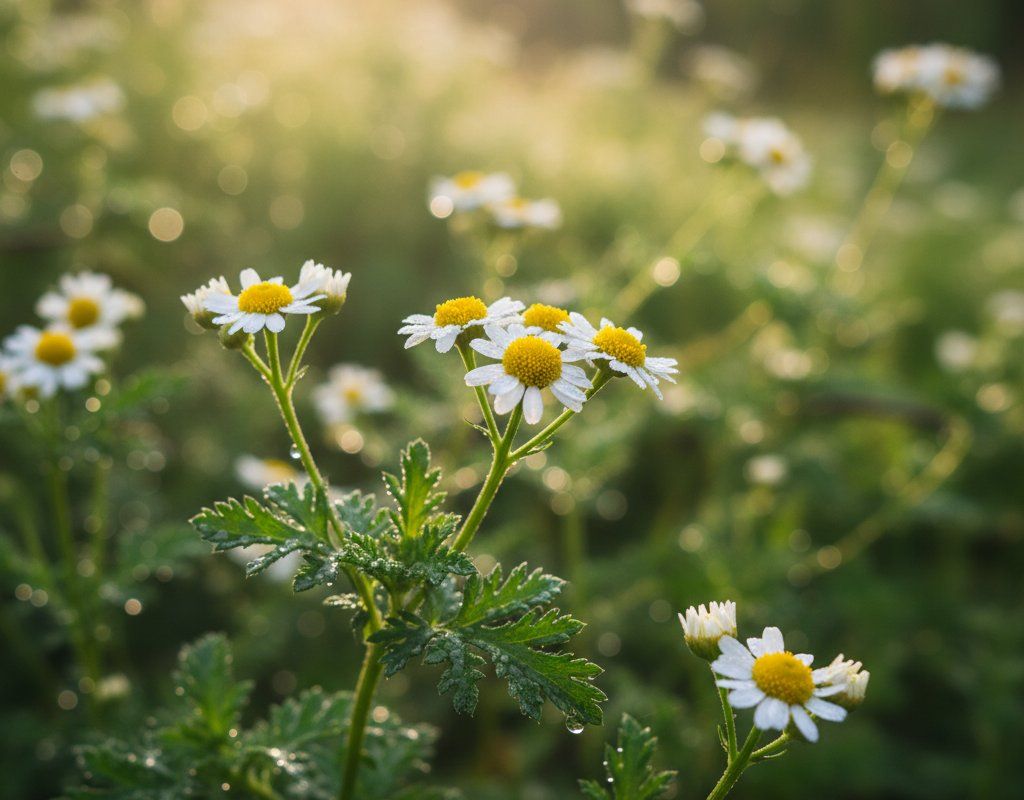
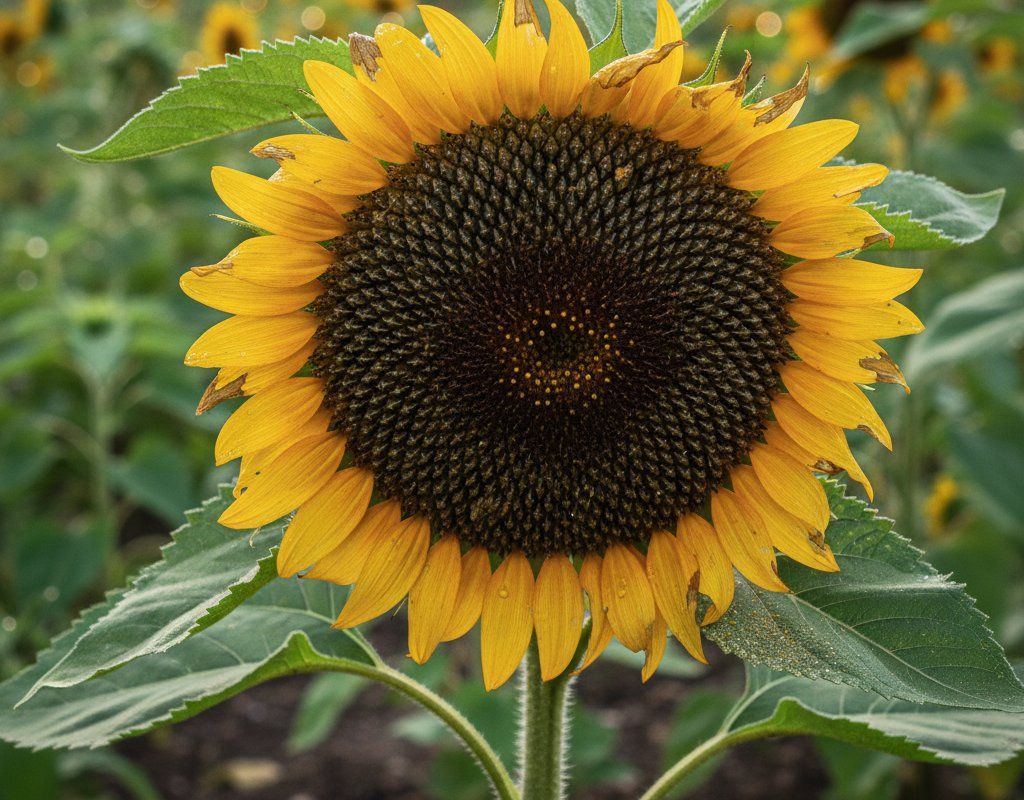
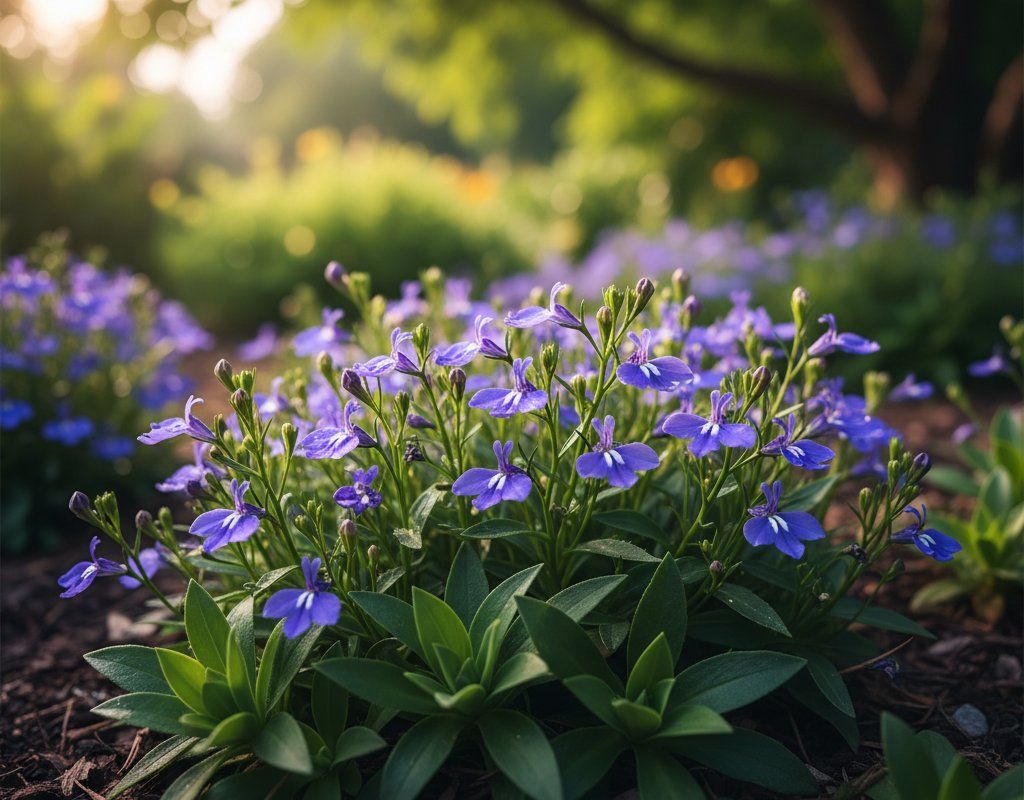
🌸Best Flowers to Plant with Spinach
These flowers protect your Spinach from pests and attract pollinators for better harvests.
For Pest Control


Get a Reminder When It's Time to Plant
We'll email you when key planting windows open for your zone.