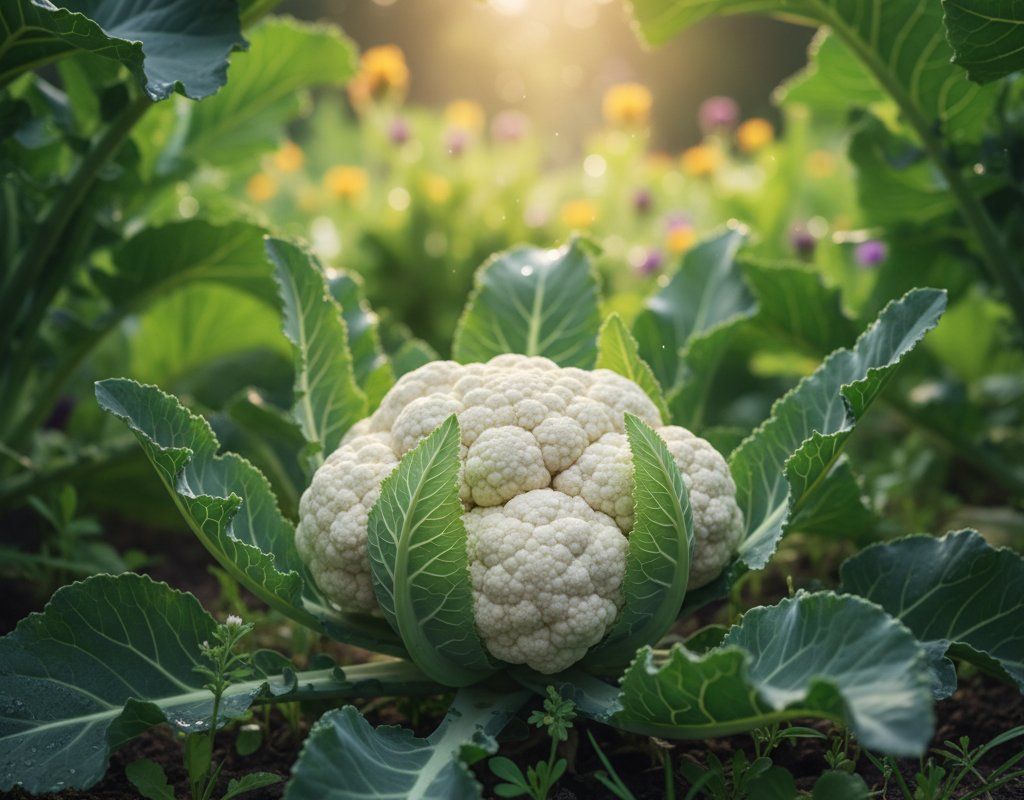
Cauliflower in Zone 8B — Desert Southwest
Brassica oleracea var. botrytis · Your Complete 2026 Planting Guide
Time to Buy Starts!
Seed starting window passed, but starts are available now.
Buy Starts Now
Head to your local nursery, Home Depot, or farmers market for transplants.
- Look for stocky plants with dark green leaves
- Avoid leggy seedlings or plants already flowering
- Check that roots aren't circling the pot (rootbound)
How to Plant Cauliflower in Zone 8B — Desert Southwest
Here are all your options for getting cauliflower in the ground, from the easiest method to more advanced approaches.
Start Seeds Indoors
RecommendedLate December through mid January
around December 31
Then transplant: Mid February through mid March
Start seeds 6-8 weeks before transplanting outdoors.
Cauliflower is fussy. Starting indoors gives you more control.
Buy Starts
Works WellMid February through mid March
around February 11
Plant purchased starts after last frost (February 25).
Direct Sow Seeds
ChallengingDirect sowing is not typical for Cauliflower.
Transplant Outdoors
Timing InfoMid February through mid March
around February 11
Can tolerate light frost, but wait for soil to be workable.
You have a nice window — no need to rush.
Fall Planting
Mid September through mid October
September 29 ideal · Transplant for fall harvest
Plant a second crop in mid-summer for fall harvest. Cauliflower actually prefers the cooling temperatures of fall.
Overview
Cauliflower thrives in our Desert Southwest climate when you work with our unique two growing seasons. This cool-season brassica produces dense, creamy white heads that taste far superior to anything you'll find in stores — sweet, nutty, and incredibly fresh. In our Zone 8B desert climate, cauliflower becomes a winter garden star, developing exceptional flavor during our mild winter months when other regions are locked in snow.
Our extreme heat makes cauliflower impossible to grow during summer, but that's exactly why timing matters so much here. With our 279-day growing season and very early spring character, you can start seeds indoors during the depths of winter and harvest beautiful heads before the brutal heat arrives. The key is embracing our desert gardening rhythm and planting when most other regions are still frozen solid.
Starting Seeds Indoors
Start cauliflower seeds indoors from late December through mid-January, about 6 weeks before your planned transplant date. In our Desert Southwest climate, this indoor start window aligns perfectly with our very early spring planting season — you'll be transplanting while most of the country is still dealing with snow.
Set up seed trays with quality seed-starting mix and keep them at 65-70°F for optimal germination. Place trays under grow lights or in a sunny south-facing window, maintaining consistent moisture through bottom watering rather than overhead spraying. This method prevents damping-off disease and keeps seedlings strong.
Cauliflower seedlings are notoriously fussy about temperature fluctuations and stress, making indoor starting essential in our climate. You'll have much better success than trying to direct sow in our unpredictable late winter weather patterns. Keep seedlings consistently moist but not waterlogged, and provide 12-14 hours of light daily for stocky, healthy transplants.
Transplanting Outdoors
Transplant your cauliflower seedlings outdoors from mid-February through mid-March, timing this with our desert's early spring window. This schedule gets your plants established and growing before our extreme heat arrives, giving them the cool conditions they need for proper head development.
Harden off seedlings gradually over one week by placing them outdoors for increasing periods daily, starting with 2-3 hours in morning shade. Our Desert Southwest weather can swing dramatically in late winter, so watch for sudden warm spells that might stress young transplants. Bring them inside if temperatures spike unexpectedly above 80°F during hardening.
Space transplants 18-24 inches apart in amended soil, giving each plant room to develop its large leaves and central head. Plant them slightly deeper than they were in their containers to encourage strong root development. In our alkaline desert soil, work in compost or sulfur to lower pH if needed — cauliflower prefers slightly acidic conditions around 6.0-6.8.
Watering Cauliflower in Zone 8B (Desert Southwest)
Cauliflower demands consistent moisture throughout its growth cycle, making water management critical in our arid Desert Southwest climate. Unlike drought-tolerant plants that thrive here, cauliflower will form tiny, premature heads called "buttoning" if it experiences any water stress. This makes it one of the more challenging crops for desert gardeners, but proper watering keeps it productive.
Provide 1-1.5 inches of water weekly, checking soil moisture with the finger test — stick your finger 2 inches deep, and water when it feels dry at that depth. In our low humidity environment, soil dries faster than in humid regions, so you'll likely need to water every 2-3 days during warm spells. Water at soil level rather than overhead to maximize efficiency in our arid climate.
During our mild winter growing season, reduce watering frequency but maintain consistent soil moisture. As spring temperatures climb toward our typical 105°F summer highs, increase watering frequency but harvest heads before the extreme heat arrives. Signs of underwatering include wilted outer leaves and small, tight heads forming prematurely.
Apply 2-3 inches of mulch around plants to conserve moisture and moderate soil temperature swings. In our desert climate, organic mulch breaks down quickly, so refresh it monthly. Overwatering shows up as yellowing lower leaves and soft, mushy roots — particularly problematic in our clay-heavy or caliche soils that don't drain well.
🧪Fertilizing Cauliflower
Feeding Schedule
Organic Fertilizer Options
Harvest Time
Expect your first cauliflower harvest from late April through early June, about 70 days after transplanting in our Zone 8B desert climate. This timing works perfectly with our growing season, letting you harvest before summer's extreme heat makes these cool-season crops impossible to grow.
Harvest when heads reach 6-8 inches across and feel firm and compact with tight, white curds. The head should be dense and heavy for its size, with no yellowing or loose separation between the florets. Cut the main stem about 6 inches below the head using a sharp knife, taking the head along with several wrapper leaves that help keep it fresh.
Check your plants daily once heads start forming — cauliflower doesn't hold well in the garden and can quickly go from perfect to overripe. In our desert climate's temperature swings, heads can deteriorate rapidly once they reach maturity. Unlike some vegetables, cauliflower won't continue ripening after harvest, so timing is everything.
As our first frost approaches in early December, any remaining small heads won't have time to develop fully. Focus your harvest efforts on the main spring crop, and plan to start your second planting in mid-September for a fall harvest that extends your cauliflower season into winter.
Common Problems in Zone 8B (Desert Southwest)
Buttoning shows up as tiny, premature heads forming when plants are still small, often just 2-3 inches across instead of the full-sized 6-8 inch heads you want. The curds look tight but remain marble-sized no matter how long you wait. This happens when plants experience stress from inconsistent watering, temperature swings, or nutrient deficiencies during their critical growth phase. In our Desert Southwest climate, buttoning often occurs when late winter warm spells stress young plants. Maintain consistent soil moisture, provide shade cloth during unexpected heat waves, and ensure plants have adequate nitrogen during their vegetative growth stage.
Cabbage worms appear as smooth green caterpillars munching irregular holes in your cauliflower leaves, leaving behind dark green droppings. You'll notice white butterflies fluttering around your plants during the day — these are laying eggs that hatch into leaf-eating larvae. Multiple generations per season thrive in our warm desert climate, making this an ongoing problem through the growing season. Apply Bt spray (Bacillus thuringiensis) every 7-10 days as soon as you spot the first butterflies, focusing on leaf undersides where eggs are laid. Floating row covers prevent egg-laying entirely, and handpicking caterpillars works for small gardens.
Heat stress shows up as leaves wilting during the day even with adequate soil moisture, followed by yellowing and browning of outer leaves. Plants stop growing and may form loose, ricey heads instead of tight, compact ones. Our extreme summer heat makes this inevitable if you don't time your plantings correctly. Plant early enough to harvest before temperatures regularly exceed 85°F, and provide afternoon shade cloth during unexpected warm spells in late winter or early spring. Once daily highs consistently reach 90°F, cauliflower becomes nearly impossible to grow successfully.
Desert Southwest Specific Challenges: Our extreme heat, arid humidity, and alkaline soil create unique stresses for cauliflower. The rapid moisture loss in our low-humidity environment makes consistent watering critical, while our alkaline soil often locks up nutrients that cauliflower needs. Plan your planting schedule around our climate reality — this isn't a summer crop here, and success depends entirely on working within our winter growing window.
Best Companions for Cauliflower
Plant these nearby for healthier Cauliflower and better harvests.

Keep Away From
Companion Planting Details
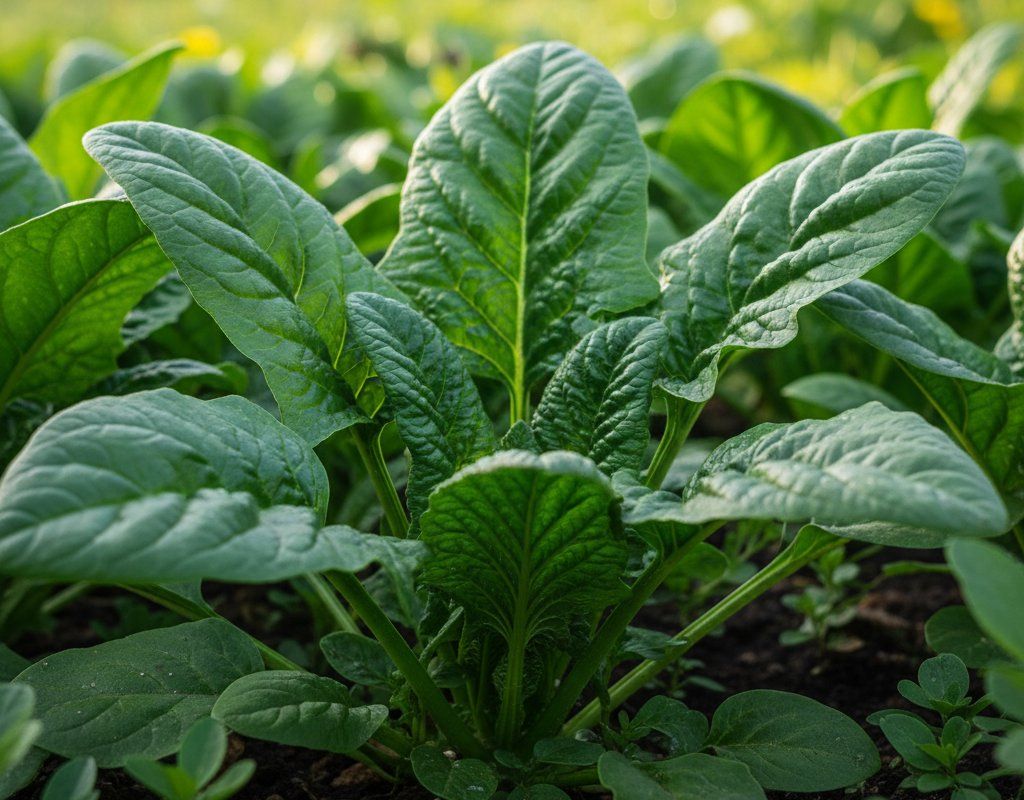
Plant cauliflower alongside beets, celery, onions, and spinach for a productive winter garden combination in our Desert Southwest climate. Beets and spinach share similar cool-season timing and water needs, making irrigation management easier in our arid environment. Onions help deter cabbage worms and other pests that target brassicas, while their upright growth doesn't compete for the same soil space as your spreading cauliflower plants.
Avoid planting cauliflower near tomatoes, peppers, or strawberries — these crops have completely different watering and timing requirements that don't match our desert growing seasons. Tomatoes and peppers are warm-season crops that you'll plant in March when your cauliflower is finishing up, while strawberries prefer slightly acidic soil that conflicts with cauliflower's needs. Keep your cool-season and warm-season crops in separate garden areas to simplify water management in our challenging desert climate.
🌸Best Flowers to Plant with Cauliflower
These flowers protect your Cauliflower from pests and attract pollinators for better harvests.




Get a Reminder When It's Time to Plant
We'll email you when key planting windows open for your zone.