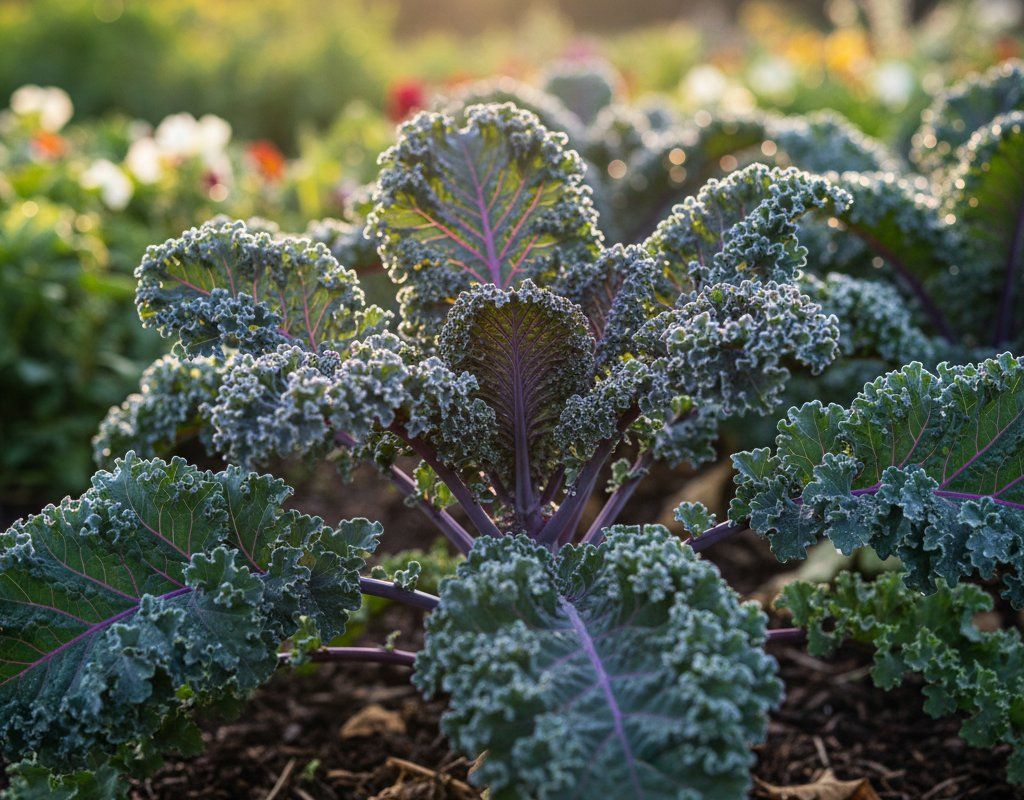
Kale in Zone 8B — Desert Southwest
Brassica oleracea var. sabellica · Your Complete 2026 Planting Guide
Time to Buy Starts!
Seed starting window passed, but starts are available now.
Buy Starts Now
Head to your local nursery, Home Depot, or farmers market for transplants.
- Look for stocky plants with dark green leaves
- Avoid leggy seedlings or plants already flowering
- Check that roots aren't circling the pot (rootbound)
How to Plant Kale in Zone 8B — Desert Southwest
Here are all your options for getting kale in the ground, from the easiest method to more advanced approaches.
Direct Sow Seeds
RecommendedLate January through late September
around January 28
Consider succession planting every 2-3 weeks for continuous harvest.
Hardy and easy to direct sow in spring or late summer for fall harvest.
Start Seeds Indoors
RecommendedEarly to late January
around January 14
Then transplant: Mid February through mid March
Start seeds 4-6 weeks before transplanting outdoors.
Buy Starts
Works WellMid February through mid March
around February 11
Plant purchased starts after last frost (February 25).
Transplant Outdoors
Timing InfoMid February through mid March
around February 11
Can tolerate light frost, but wait for soil to be workable.
You have a nice window — no need to rush.
Fall Planting
Mid September through mid October
September 29 ideal · Direct sow for fall harvest
Plant a second crop in mid-summer for fall harvest. Kale actually prefers the cooling temperatures of fall.
Overview
Kale thrives in our Desert Southwest climate, giving you two distinct growing seasons that extend from late winter through early summer and again from fall through winter. This hardy green delivers exceptional nutrition and versatility in the kitchen, from crispy kale chips that take advantage of our dry air to hearty winter soups that celebrate our mild desert winters. Unlike many vegetables that struggle with our extreme conditions, kale actually benefits from the temperature swings between our hot days and cooler nights.
While our 279-day growing season offers incredible opportunities, timing is everything with kale in the Desert Southwest. The key is working around our extreme summer heat rather than fighting it. Plant early enough to harvest before the brutal summer months, or wait for late summer to establish your fall crop. With proper timing, you'll enjoy fresh kale through most of the year while avoiding the stress of summer survival mode.
Starting Seeds Indoors
Starting kale seeds indoors makes sense if you want to maximize your spring harvest window before the extreme heat hits. Sow seeds in seed trays during early to late January, about four weeks before you plan to transplant outdoors. This gives you sturdy seedlings ready to plant when our last frost danger passes in late February.
Set up your seed trays in a warm spot indoors, ideally 65-70°F for germination. Bottom watering works best for kale seeds – place your seed trays in shallow water and let the soil absorb moisture from below. This prevents the fine seeds from washing around and reduces fungal issues in our dry indoor air.
Your very early spring character here in the Desert Southwest means you can get transplants established while temperatures are still mild. Indoor starting isn't essential for kale, but it gives you a head start on the growing season and lets you time your harvest perfectly before summer heat makes the leaves tough and bitter.
Transplanting Outdoors
Transplant your kale seedlings outdoors from mid-February through mid-March, after hardening them off gradually over about a week. Start by placing them outside in a protected spot for just a few hours, then gradually increase their outdoor time until they're spending full days outside. This process is especially important in our climate where temperature swings can shock tender seedlings.
Space your transplants 12-18 inches apart to allow for good air circulation – crucial in our low humidity environment where proper spacing helps prevent the few fungal issues that might develop. Plant them slightly deeper than they were in their containers, up to the first set of true leaves, which helps establish a stronger root system in our often challenging soil conditions.
Watch for late cold snaps during transplant season, though these are less common here than in other Zone 8B regions. Our desert climate means once you're past the last frost window, temperatures tend to climb steadily toward our intense spring heat, giving your kale time to establish before summer stress becomes an issue.
Direct Sowing
Direct sowing works exceptionally well for kale in the Desert Southwest, especially for fall plantings. You can sow seeds from late January through late September, though spring plantings (late January through March) and fall plantings (mid-September through mid-October) give the best results. Skip summer direct sowing unless you're providing significant shade protection.
Prepare your soil by working in compost to improve water retention and help buffer our alkaline conditions. Kale seeds germinate readily in soil temperatures as low as 45°F, making them perfect for our mild winter direct seeding. Plant seeds about half an inch deep and space them 12-18 inches apart, or plant closer and thin as they grow.
Fall direct sowing is particularly successful here because kale benefits from the cooler temperatures and monsoon moisture that often extends into early fall. Seeds sown in mid to late September will establish quickly and provide harvests through our mild winter months when many other vegetables have finished producing.
Watering Kale in Zone 8B (Desert Southwest)
Kale needs consistent, moderate moisture to produce tender, flavorful leaves – drought stress quickly makes them tough and bitter, which happens fast in our arid climate. Plan on providing about 1-1.5 inches of water per week through deep, less frequent watering sessions rather than light daily sprinkles. The finger test works perfectly: stick your finger 2 inches into the soil, and water when it feels dry at that depth.
During our extreme summer heat, kale that hasn't been harvested yet will need extra attention. Morning watering at the base of plants works best, avoiding overhead watering that wastes precious water to evaporation in our dry air. Consider afternoon shade cloth during peak summer if you're trying to extend spring plantings or get fall plants established early.
Our monsoon season provides welcome relief in late summer, but don't rely entirely on seasonal rainfall – it's unpredictable and often comes in intense bursts that run off rather than soaking in. Supplement monsoon moisture with consistent irrigation, especially during dry spells that can last weeks between storms.
Mulch around your kale plants with 2-3 inches of organic matter to conserve soil moisture and keep roots cooler during temperature extremes. Wood chips or shredded leaves work well, but keep mulch a few inches away from plant stems to prevent pest issues in our generally low-humidity but occasionally humid monsoon conditions.
🧪Fertilizing Kale
Feeding Schedule
Organic Fertilizer Options
Harvest Time
Your first kale harvest typically begins in late March from early plantings and can continue through early December with succession planting. Start harvesting outer leaves when they reach 8-10 inches long, leaving the growing center intact so the plant continues producing. Young leaves are most tender, while mature leaves develop more intense flavor – both have their place in desert cooking.
Cut or twist off outer leaves at the base where they meet the main stem. Kale is a cut-and-come-again crop, meaning regular harvesting actually encourages more production. In our climate, you'll want to harvest frequently during mild weather periods and more aggressively as extreme heat approaches to get maximum value from each plant.
Fall-planted kale often provides the best eating quality, as cool nights and mild winter days concentrate sugars in the leaves. Light frost, which we typically see around early December, actually improves kale's flavor by converting starches to sugars. Your fall plantings can produce fresh greens well into winter during our mild season.
As summer heat intensifies or winter cold approaches the frost line, harvest entire plants rather than individual leaves. The growing season ends when temperatures consistently stay above 85°F (making leaves bitter) or drop below 25°F (our occasional hard frost), though kale is remarkably tolerant of temperature swings that would kill more tender crops.
Common Problems in Zone 8B (Desert Southwest)
Aphids appear as clusters of tiny, soft-bodied insects on stems and leaf undersides, often accompanied by sticky honeydew residue and curled new growth. In the Desert Southwest, aphid populations can explode during warm spring weather and again in fall when temperatures moderate. Our dry air doesn't naturally control them like humid climates might.
Strong water sprays knock aphids off plants effectively – use this method in morning so plants dry quickly in our low humidity. Encourage beneficial insects like ladybugs and lacewings by avoiding broad-spectrum pesticides. For heavy infestations, insecticidal soap works well, though you may need repeat applications as our warm seasons allow rapid reproduction. Avoid over-fertilizing with nitrogen, which creates the tender growth aphids prefer.
Cabbage worms show up as smooth green caterpillars that chew irregular holes in leaves, leaving dark green droppings behind. You'll notice white butterflies hovering around plants before the damage appears. Our long growing season means multiple generations per year, making vigilance important throughout both spring and fall growing periods.
Bt (Bacillus thuringiensis) spray provides excellent control and is safe for beneficial insects. Apply in late afternoon to avoid breaking down in intense UV. Floating row covers prevent adult butterflies from laying eggs, though you'll need to remove them during our extreme heat periods. Hand-picking works for small infestations, and interplanting with aromatic herbs like thyme and sage can help deter egg-laying adults.
Flea beetles create tiny round holes in leaves that look like shotgun damage, particularly devastating to young seedlings. These small, dark beetles jump when disturbed and cause the most damage early in the season when plants are small and tender. Hot, dry conditions – typical of our spring weather – often worsen flea beetle problems.
Row covers protect vulnerable seedlings but must be removed before extreme heat arrives. Delaying planting until seedlings are larger and more resilient helps them outgrow damage faster. Kaolin clay coating reflects heat and deters feeding, serving double duty in our intense sun. Healthy, well-watered plants recover from flea beetle damage much better than stressed plants in our challenging desert conditions.
Desert Southwest Specific Challenges: Our extreme heat and low humidity create unique stress that weakens plants' natural defenses, while alkaline soils can reduce nutrient availability. The temperature swings between hot days and cool nights can stress plants, making them more susceptible to pest damage. Monsoon humidity, when it arrives, can trigger sudden pest population booms after months of dry conditions.
Best Companions for Kale
Plant these nearby for healthier Kale and better harvests.

Keep Away From
Companion Planting Details
Plant kale alongside beets and celery, which have similar water needs and help create beneficial microclimates in our harsh desert conditions. Beets' deeper roots don't compete with kale's shallow root system, while celery's upright growth provides some afternoon shade during our intense spring sun. Onions planted nearby help deter cabbage worms and aphids while their different root zone means no competition for nutrients or space.
Potatoes make excellent companions when planted in early spring, as their foliage can provide some protection from late spring heat while kale is finishing its harvest season. Avoid planting kale near tomatoes, peppers, or strawberries – these crops have vastly different water needs and heat tolerance that make companion management difficult in our extreme climate. The heavy water and nutrient demands of tomatoes and peppers can also compete too aggressively with kale's more moderate needs during our water-scarce periods.
🌸Best Flowers to Plant with Kale
These flowers protect your Kale from pests and attract pollinators for better harvests.




Get a Reminder When It's Time to Plant
We'll email you when key planting windows open for your zone.