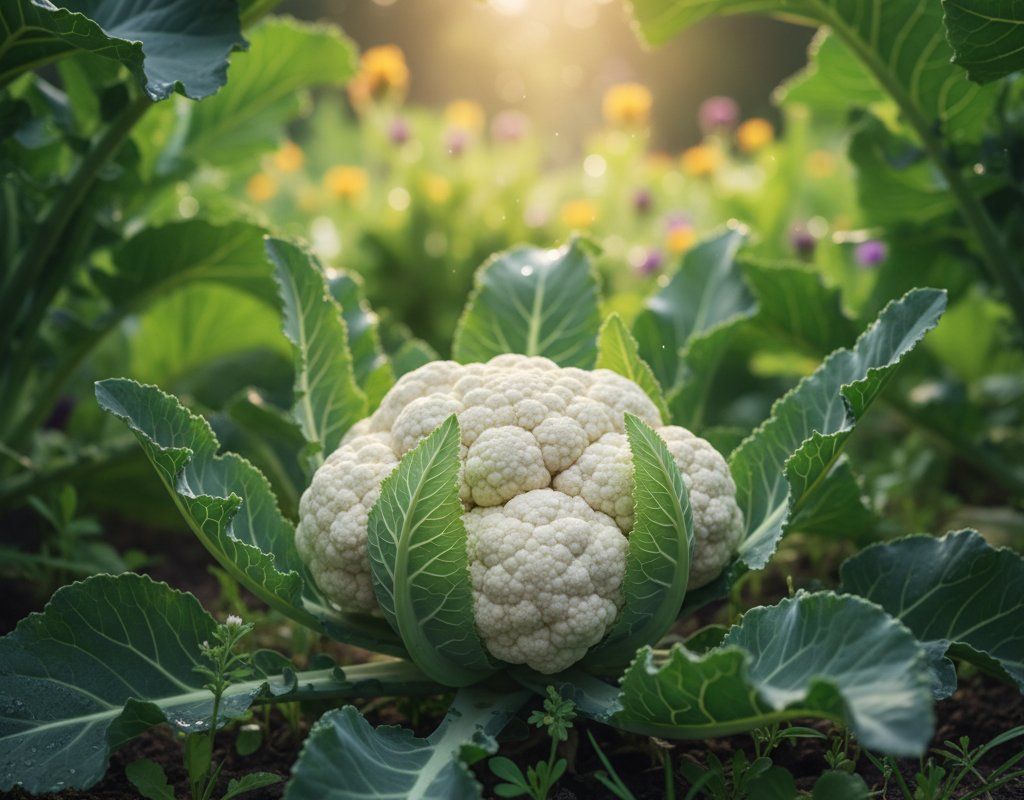
Cauliflower in Zone 8B — Florida
Brassica oleracea var. botrytis · Your Complete 2026 Planting Guide
Check Planting Details Below
See the full planting guide for timing information.
How to Plant Cauliflower in Zone 8B — Florida
Here are all your options for getting cauliflower in the ground, from the easiest method to more advanced approaches.
Start Seeds Indoors
RecommendedMid December through early January
around December 21
Then transplant: Early February through early March
Start seeds 6-8 weeks before transplanting outdoors.
Cauliflower is fussy. Starting indoors gives you more control.
Buy Starts
Works WellEarly February through early March
around February 1
Plant purchased starts after last frost (February 15).
Direct Sow Seeds
ChallengingDirect sowing is not typical for Cauliflower.
Transplant Outdoors
Timing InfoEarly February through early March
around February 1
Can tolerate light frost, but wait for soil to be workable.
You have a nice window — no need to rush.
Fall Planting
Late September through late October
October 13 ideal · Transplant for fall harvest
Plant a second crop in mid-summer for fall harvest. Cauliflower actually prefers the cooling temperatures of fall.
Overview
Cauliflower deserves a spot in your Florida garden for its crisp, versatile heads that taste nothing like store-bought versions. When you grow your own, you'll harvest sweet, tender florets perfect for roasting, grilling, or eating raw - a real treat during Florida's prime winter growing season. The satisfaction of cutting a perfect white head from your own garden makes dealing with this somewhat finicky brassica worthwhile.
Florida's reversed growing calendar actually works in cauliflower's favor since this cool-weather crop thrives in our mild winters while avoiding the brutal summer heat and humidity that would stress it beyond recovery. With our 303-day growing season, you have plenty of time to start seeds indoors during the holidays and enjoy fresh cauliflower heads by spring. The key is working with Florida's unique timing rather than fighting it.
Starting Seeds Indoors
Start your cauliflower seeds indoors from mid-December through early January, about 6 weeks before you plan to transplant them outside. This timing takes advantage of Florida's reversed spring, giving your seedlings time to establish before the weather warms up too much. Cauliflower is notoriously fussy about temperature swings and stress, so starting indoors gives you much better control over their early development.
Use seed starting trays filled with quality potting mix, and keep them in a warm spot around 65-70°F for germination. Once seedlings emerge, they need bright light - either a sunny south-facing window or grow lights about 4 inches above the leaves. Bottom watering works best to prevent damping-off disease, which can be a problem in Florida's humid conditions.
Your seedlings will be ready to transplant when they have 3-4 true leaves and nighttime temperatures stay consistently above 45°F. This usually happens in early February through early March in our zone.
Transplanting Outdoors
Plan to transplant your cauliflower seedlings outdoors from early February through early March, once nighttime temperatures stay consistently above 45°F. In Florida, this timing puts your plants in the ground during our coolest months, giving them the best chance to form heads before spring heat arrives. You'll want to harden off your seedlings first by gradually exposing them to outdoor conditions over a week.
Space your transplants 18-24 inches apart in full sun to partial shade - morning sun with afternoon shade actually works well in Florida since it protects plants from our intense afternoon heat later in the season. Plant them at the same depth they were growing in their containers, firming the soil gently around each transplant.
Watch the weather forecast carefully during transplant season, as Florida can throw unexpected warm spells or cold snaps at you. Have row covers ready to protect your young plants if temperatures drop below 40°F or spike above 80°F during their first few weeks outside.
Watering Cauliflower in Zone 8B (Florida)
Consistent moisture is absolutely critical for cauliflower - this crop will "button" (form tiny, premature heads) faster than any other brassica if it experiences water stress. In Florida, your watering strategy needs to account for our high humidity, intense spring sunshine, and variable rainfall patterns. Aim for about 1-1.5 inches of water per week, including rainfall.
During Florida's dry winter months (December through March), you'll likely need to water 2-3 times per week, giving plants a deep soaking each time. Check soil moisture by sticking your finger 2 inches deep - it should feel consistently moist but not soggy. Our sandy soils drain quickly, so cauliflower often needs more frequent watering than you'd expect.
Water at the base of plants rather than overhead to reduce disease problems in our humid climate. Overhead watering in Florida's high humidity creates perfect conditions for fungal issues that can quickly destroy your crop. Early morning watering works best, giving plants time to dry before evening humidity settles in.
Apply a 2-3 inch layer of organic mulch around plants to help maintain consistent soil moisture and keep roots cool as temperatures warm up in late spring. Signs of underwatering include wilting during the day and small, button-sized heads. Overwatering shows up as yellowing lower leaves and stunted growth.
🧪Fertilizing Cauliflower
Feeding Schedule
Organic Fertilizer Options
Harvest Time
Your cauliflower heads will be ready to harvest from mid-April through late May, about 70 days from transplanting. Look for firm, compact white heads that measure 6-8 inches across - they should feel solid when you gently squeeze them. The individual florets (called curds) should be tightly packed together without any separation or yellowing.
Cut the entire head with a sharp knife, taking about 6 inches of stem with it. Don't wait too long once heads reach full size - Florida's increasing heat and humidity in late spring will cause the curds to separate and develop an off-flavor quickly. Unlike some vegetables, cauliflower won't continue ripening after harvest, so timing is crucial.
Once you harvest the main head, smaller side shoots may develop, though these won't be as large or tight as the primary head. In Florida's climate, it's usually better to pull the entire plant after the main harvest and plant your next cool-season crop.
Since our first frost typically arrives around mid-December, you'll have your crop harvested and beds cleared well before any frost concerns. This gives you plenty of time to prepare those beds for summer crops or your next round of fall vegetables.
Common Problems in Zone 8B (Florida)
Buttoning shows up as tiny, marble-sized heads forming when plants are still small. You'll see premature white heads developing when the plant should still be growing leaves. This happens when cauliflower experiences stress during its critical growth phase - usually from inconsistent watering, temperature swings, or transplant shock. In Florida, temperature fluctuations between cool nights and warm days often trigger this problem. Prevent buttoning by maintaining consistent soil moisture, using row covers during temperature swings, and choosing heat-tolerant varieties like 'Snow Crown' that handle our variable spring weather better.
Cabbage worms appear as smooth green caterpillars munching irregular holes in your cauliflower leaves, leaving behind dark green droppings. You'll often spot white butterflies fluttering around your plants - these are the adults laying eggs. Florida's warm climate allows multiple generations per season, making this a persistent problem. Bt spray works extremely well against these pests and won't harm beneficial insects. Row covers prevent egg-laying entirely, or you can handpick caterpillars in the morning when they're easier to spot. Interplanting with aromatic herbs like thyme and sage helps confuse the adult butterflies.
Heat stress shows up as yellowing leaves, loose or ricey curds, and bitter-tasting heads. Plants may stop growing entirely when temperatures consistently reach the mid-80s. In Florida, this typically becomes an issue in late April or May as spring transitions to summer. Once heat stress sets in, there's no recovery - the heads will be poor quality. Prevent this by choosing fast-maturing varieties, providing afternoon shade, and maintaining consistent moisture. Plant early enough so heads form during our coolest months.
Florida's extreme humidity and wet spring weather create additional challenges for cauliflower, particularly fungal diseases that can quickly destroy plants. Good air circulation between plants and avoiding overhead watering become even more critical here than in drier climates.
Best Companions for Cauliflower
Plant these nearby for healthier Cauliflower and better harvests.


Keep Away From
Companion Planting Details
Beets make excellent companions for cauliflower in Florida gardens because their taproots don't compete for the same soil space, and they mature quickly enough to harvest before cauliflower heads need the extra room. Celery works well planted nearby since both crops prefer consistent moisture and cool weather - they have similar care requirements that make garden management easier. Onions planted around cauliflower help repel cabbage worms and other pests with their strong scent, while their upright growth doesn't shade your brassicas.
Avoid planting tomatoes, peppers, or strawberries near cauliflower. These heat-loving crops have completely different watering and fertilizer needs that conflict with cauliflower's requirements. In Florida's climate, trying to manage both cool-season and warm-season crops in the same area often leads to compromises that hurt both plants. Keep your cauliflower with other cool-season vegetables for the best results.
🌸Best Flowers to Plant with Cauliflower
These flowers protect your Cauliflower from pests and attract pollinators for better harvests.




Get a Reminder When It's Time to Plant
We'll email you when key planting windows open for your zone.