
Spinach in Zone 8B — Florida
Spinacia oleracea · Your Complete 2026 Planting Guide
Harvest Time!
Your Spinach should be producing now!
Harvest Tips
Harvest outer leaves for cut-and-come-again, or cut whole head.
How to Plant Spinach in Zone 8B — Florida
Here are all your options for getting spinach in the ground, from the easiest method to more advanced approaches.
Direct Sow Seeds
RecommendedEarly January through late October
around January 4
Consider succession planting every 2-3 weeks for continuous harvest.
Spinach loves cold soil. Direct sow as soon as ground can be worked.
Start Seeds Indoors
RecommendedMid December through early January
around December 21
Then transplant: Mid January through early March
Start seeds 4-6 weeks before transplanting outdoors.
Buy Starts
Works WellMid January through early March
around January 18
Plant purchased starts after last frost (February 15).
Transplant Outdoors
Timing InfoMid January through early March
around January 18
Can tolerate light frost, but wait for soil to be workable.
You have a nice window — no need to rush.
Fall Planting
Mid October through mid November
November 3 ideal · Direct sow for fall harvest
Plant a second crop in mid-summer for fall harvest. Spinach actually prefers the cooling temperatures of fall.
Overview
Spinach thrives during Florida's cooler months when other gardeners are dreaming of spring. Here in Zone 8B, you'll harvest tender, nutrient-packed leaves while enjoying the perfect weather for garden work. Florida-grown spinach tastes incredibly fresh compared to store-bought, and our long growing season means you can succession plant for continuous harvests from winter through early spring.
Our hot, humid summers make spinach impossible during peak season, but that's exactly why fall and winter plantings shine. With 303 growing days annually, you have plenty of time to grow multiple crops during the cooler months. The key is working with Florida's reversed seasons—plant when temperatures drop and harvest through our mild winter.
Starting Seeds Indoors
Starting spinach seeds indoors makes sense if you want precise timing or live in an area prone to late cold snaps. Start seeds from mid-December through early January, about 4 weeks before your planned transplant date. This gives you control over germination during our unpredictable winter weather patterns.
Set up seed trays in a cool location since spinach prefers soil temperatures around 50-70°F for germination. Use bottom watering to prevent damping-off disease, which thrives in our humid conditions. A simple setup near a bright window or under grow lights works well.
Remember that Florida's spring arrives much earlier than northern regions, so indoor starting gives you a head start on the growing season. Your seedlings will be ready to transplant when outdoor conditions are still cool and favorable.
Transplanting Outdoors
Transplant your spinach seedlings from mid-January through early March, timing it with our coolest weather. This window takes advantage of Florida's mild winter temperatures before spring heat kicks in. Your 4-week-old seedlings should be sturdy with several true leaves.
Harden off seedlings gradually over a week, giving them increasing outdoor exposure. Start with a few hours in morning shade, then gradually increase time and light exposure. Our temperature swings can shock tender plants, so this step prevents transplant stress.
Space transplants 4-6 inches apart in prepared beds. Plant them at the same depth they were growing in containers, and water them in well. Choose locations that will receive morning sun but afternoon shade as temperatures warm later in the season.
Direct Sowing
Direct sowing works exceptionally well for spinach since it actually prefers cool soil conditions. Sow seeds from early January through late October, though the prime windows are January through March and mid-October through November. This gives you flexibility to succession plant every 2-3 weeks for continuous harvests.
Prepare your planting area by working compost into Florida's sandy soil to improve moisture retention. Spinach seeds germinate best when soil temperatures are between 50-70°F, which happens naturally during our cooler months. Plant seeds ½ inch deep and space them 4-6 inches apart.
The main advantage of direct sowing is avoiding transplant shock, plus spinach develops stronger root systems when grown in place. However, germination can be uneven during temperature fluctuations, and you'll need protection from our occasional hard freezes.
Watering Spinach in Zone 8B (Florida)
Spinach requires consistent moisture but never waterlogged conditions, which can be tricky in Florida's sandy soil that drains quickly. During our active growing season (fall through spring), aim for about 1-1.5 inches of water per week, including rainfall. Check soil moisture by inserting your finger 2 inches deep—it should feel evenly moist but not soggy.
Water deeply at the base of plants rather than overhead, especially important given our very high humidity that encourages fungal diseases. Early morning watering allows plants to dry before evening and helps keep soil temperatures cool during warmer days. Drip irrigation or soaker hoses work perfectly for spinach beds.
During summer heat waves that occasionally hit even in winter, increase watering frequency but reduce the amount each time. Spinach bolts quickly when stressed by hot, dry conditions. Signs of underwatering include wilting leaves and slow growth, while overwatering shows up as yellowing leaves and root rot.
Apply 2-3 inches of organic mulch around plants to retain soil moisture and keep roots cool. In Florida's intense sun, even winter sun can stress cool-season crops, so mulching becomes especially important for extending your harvest window.
🧪Fertilizing Spinach
Feeding Schedule
Organic Fertilizer Options
Harvest Time
Your first spinach harvest begins around mid-February through late December, depending on your planting date and variety. Most spinach reaches harvest size about 40 days from direct seeding or 30 days from transplanting. Look for outer leaves that are 3-4 inches long with deep green color and tender texture.
Harvest by cutting outer leaves with clean scissors or a sharp knife, leaving the center growing point intact for continued production. Alternatively, cut the entire rosette about 1 inch above soil level—spinach will regrow from the crown for a second harvest. Always harvest in the morning when leaves are crisp and full of moisture.
For continuous production, succession plant every 2-3 weeks during prime growing periods. This ensures you have tender young spinach ready as older plants begin to decline. Florida's mild winters allow for extended harvests compared to northern regions.
As temperatures warm in late spring, watch for signs of bolting—elongated stems and flower formation. Once plants bolt, leaves become bitter and tough. Harvest remaining usable leaves immediately and replant for fall crops around mid-October.
Common Problems in Zone 8B (Florida)
Bolting appears as tall flower stalks shooting up from the center of your spinach plants, often seemingly overnight. Leaves become bitter and tough once flowering begins, making them inedible. In Florida, bolting typically occurs when day temperatures consistently reach the mid-80s or during hot spells in late winter and early spring.
Heat stress and long day length trigger this premature flowering, so time your plantings to avoid Florida's warm periods. Provide afternoon shade during temperature spikes and maintain consistent soil moisture to reduce stress. Choose heat-resistant varieties like 'Bloomsdale' or 'Space' that tolerate our unpredictable winter weather better.
Downy mildew shows up as yellow patches on leaf tops with fuzzy gray-purple growth on undersides, typically starting with older leaves. In Florida's humid conditions, this disease spreads rapidly, especially during periods of high humidity combined with cooler temperatures. Leaves eventually brown and die from the bottom up.
Our very high humidity creates perfect conditions for downy mildew, so prevention is crucial. Water only at soil level, never overhead, and ensure good air circulation around plants. Remove affected leaves immediately and consider copper-based fungicide applications during humid periods.
Leaf miners create serpentine tunnels or blotches within spinach leaves as tiny larvae feed between leaf surfaces. You'll see the damage as white or clear trails winding through leaves, making them unmarketable even though they're still technically edible. Adult flies lay eggs on leaf undersides during our warm winter days.
Row covers during peak laying periods help prevent infestations, though they must be removed for harvest access. Remove and destroy affected leaves promptly to break the life cycle. Beneficial insects like parasitic wasps help control populations naturally in diverse Florida gardens.
Florida Specific Challenges: Our combination of high humidity, sandy soil, and unpredictable temperature swings creates unique growing conditions for spinach. Even during "winter" months, sudden warm spells can stress plants and trigger bolting. The high humidity that persists even in cooler months provides ideal conditions for fungal diseases, making proper spacing and air circulation essential for healthy crops.
Best Companions for Spinach
Plant these nearby for healthier Spinach and better harvests.

Keep Away From
Companion Planting Details
Spinach grows beautifully alongside strawberries, sharing similar soil and water requirements while maximizing garden space during Florida's prime cool-season growing period. Plant peas and beans nearby—their nitrogen-fixing roots benefit spinach's heavy feeding needs, while spinach's low growth doesn't compete for light. Cool-season brassicas like kale, cabbage, and broccoli make excellent companions since they thrive in the same temperature ranges and cultural conditions.
These companion plants also help create beneficial microclimates in Florida gardens, with taller plants providing afternoon shade for spinach during unexpected warm spells. The diverse planting attracts beneficial insects that help control common pests like leaf miners and aphids, reducing the need for intervention while maximizing your cool-season harvest potential.
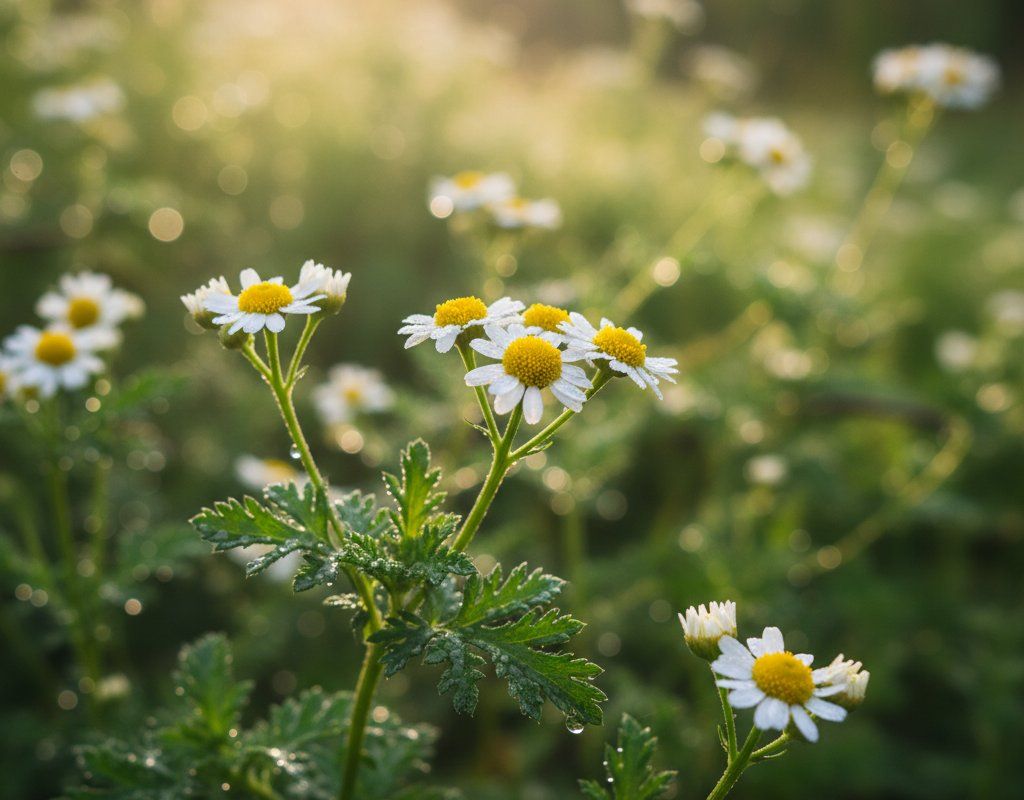
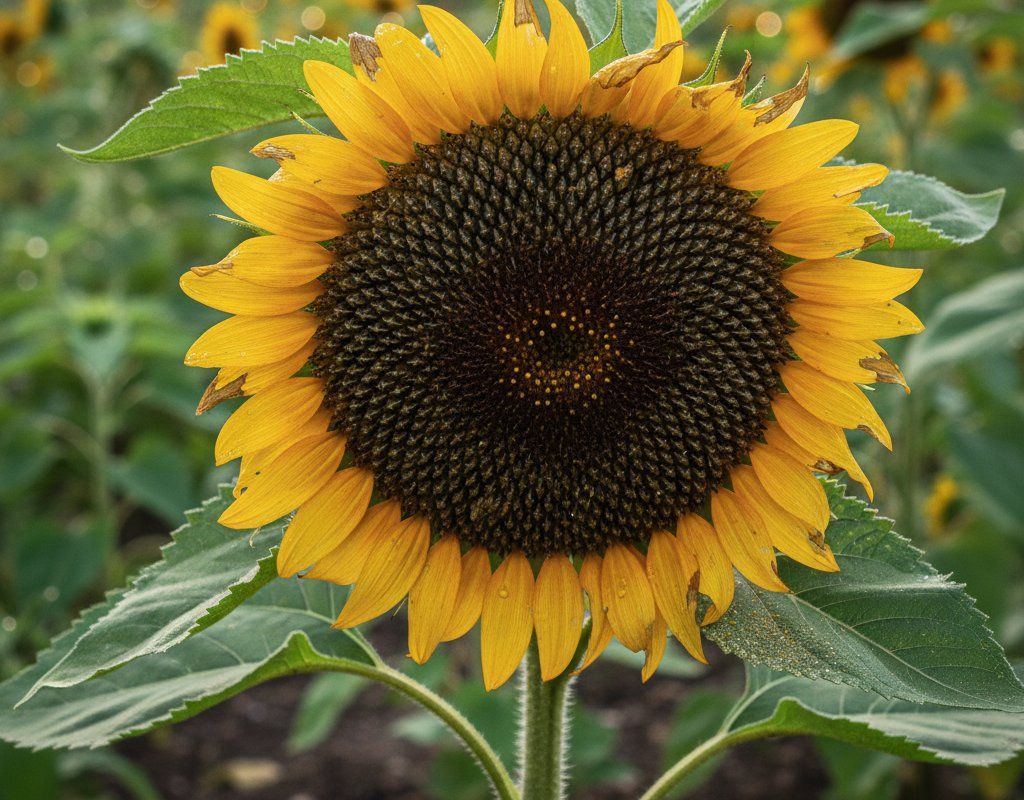
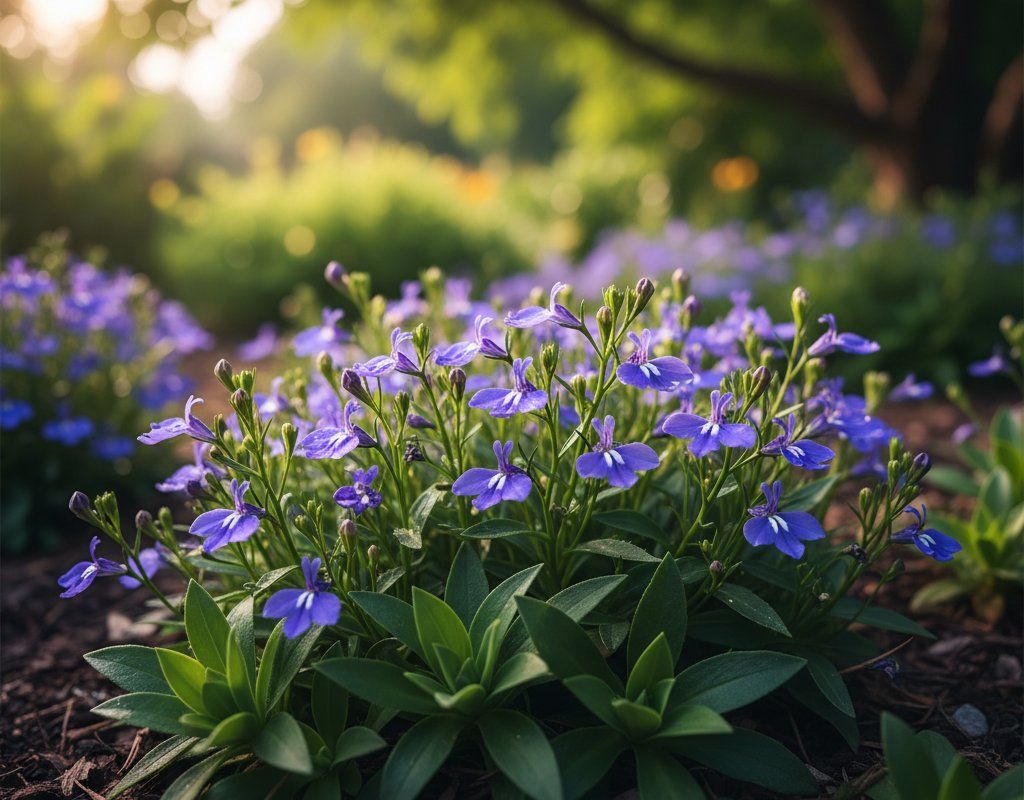
🌸Best Flowers to Plant with Spinach
These flowers protect your Spinach from pests and attract pollinators for better harvests.
For Pest Control


Get a Reminder When It's Time to Plant
We'll email you when key planting windows open for your zone.