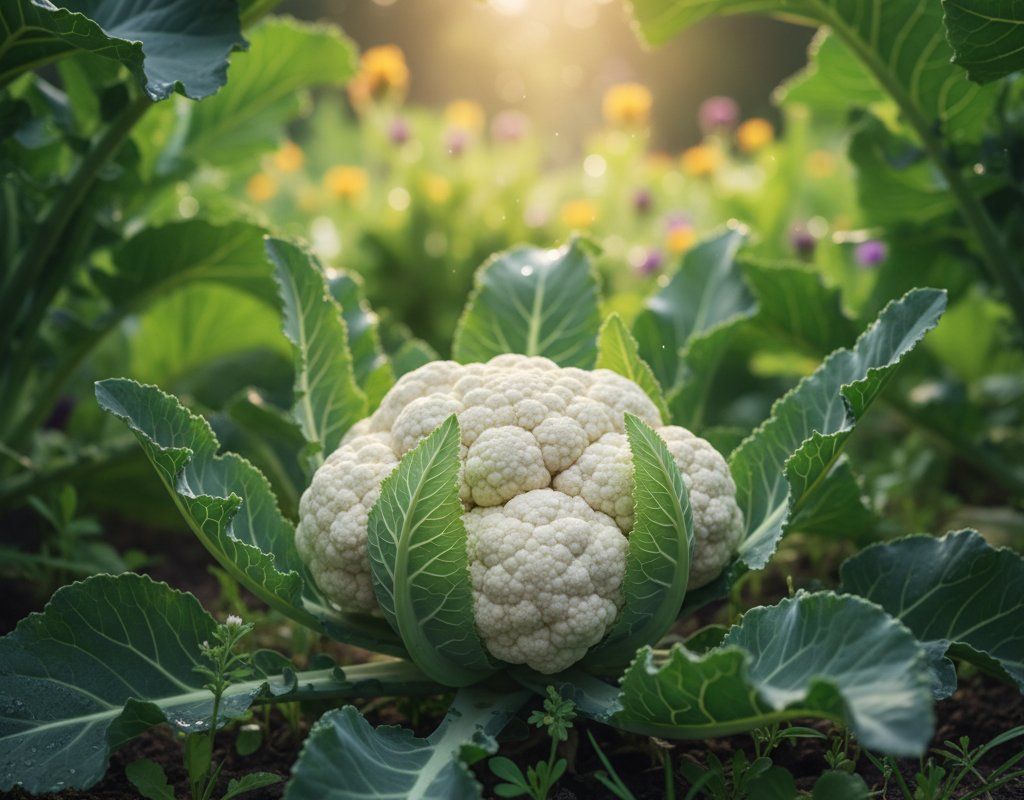
Cauliflower in Zone 9A — Desert Southwest
Brassica oleracea var. botrytis · Your Complete 2026 Planting Guide
Check Planting Details Below
See the full planting guide for timing information.
How to Plant Cauliflower in Zone 9A — Desert Southwest
Here are all your options for getting cauliflower in the ground, from the easiest method to more advanced approaches.
Start Seeds Indoors
RecommendedMid December through early January
around December 21
Then transplant: Early February through early March
Start seeds 6-8 weeks before transplanting outdoors.
Cauliflower is fussy. Starting indoors gives you more control.
Buy Starts
Works WellEarly February through early March
around February 1
Plant purchased starts after last frost (February 15).
Direct Sow Seeds
ChallengingDirect sowing is not typical for Cauliflower.
Transplant Outdoors
Timing InfoEarly February through early March
around February 1
Can tolerate light frost, but wait for soil to be workable.
You have a nice window — no need to rush.
Fall Planting
Late September through late October
October 8 ideal · Transplant for fall harvest
Plant a second crop in mid-summer for fall harvest. Cauliflower actually prefers the cooling temperatures of fall.
Overview
Cauliflower thrives in our Desert Southwest climate when you work with our unique two growing seasons. This cool-season brassica produces those gorgeous white heads during our mild winters when the extreme heat backs off and your garden comes alive again. There's nothing quite like harvesting your own perfectly formed cauliflower heads in late spring—they're sweeter and more tender than anything you'll find shipped to desert stores, plus you get to enjoy varieties that simply don't travel well commercially.
Our desert gardening reality of extreme heat and low humidity makes cauliflower challenging during summer months, but timing is everything here. With our 298-day growing season and very early spring start, you can easily fit cauliflower into that perfect window between our last frost around mid-February and when the real heat kicks in. The key is starting seeds indoors during our mild winter months and getting transplants established before the desert sun becomes too intense.
Starting Seeds Indoors
Starting cauliflower seeds indoors from mid-December through early January gives you the control this finicky crop demands in our desert climate. Cauliflower is notorious for bolting or forming tiny heads when stressed, so indoor starting lets you pamper those seedlings during their critical early weeks. Set up seed trays in a warm spot (65-75°F) with good light—a south-facing window works great during our mild winter days.
Sow seeds about 6 weeks before your planned transplant date in early February through early March. Plant seeds ¼ inch deep in quality seed starting mix and keep soil consistently moist using bottom watering. This prevents damping-off and ensures even germination without waterlogged surface soil. Your very early spring character here means transplants need to be ready to go out as soon as nighttime temps stay above freezing.
Once seedlings develop their second set of true leaves, thin to the strongest plant per cell. Keep them in bright light and maintain steady moisture—desert indoor air can dry out seedlings faster than you'd expect, even in winter.
Transplanting Outdoors
Transplant your cauliflower seedlings outdoors from early February through early March, right after your last frost window closes. This timing is crucial in the Desert Southwest because you need plants established and growing strong before our extreme heat arrives. Your seedlings should have 4-6 true leaves and sturdy stems before making the move outdoors.
Harden off transplants gradually over a full week, starting with just 2-3 hours of morning sun and gradually increasing exposure. Our desert sun is intense even in late winter, and sudden exposure can shock seedlings. During this hardening period, watch for those unpredictable temperature swings we get in early spring—be ready to bring plants back inside if temps drop unexpectedly.
Space transplants 18-24 inches apart in well-amended soil. Cauliflower needs room for good air circulation, especially important in our low humidity climate where fungal issues can develop around crowded plants. Plant at the same depth they were growing in their containers and water thoroughly after transplanting.
Watering Cauliflower in Zone 9A (Desert Southwest)
Cauliflower has zero tolerance for drought stress in our arid Desert Southwest climate, making consistent watering absolutely critical for success. Unlike our summer survival crops, cauliflower needs steady, even moisture throughout its entire growing period. Any stress from inconsistent watering triggers "buttoning"—those disappointing tiny heads that never develop properly.
Water deeply 2-3 times per week during the cooler months, providing about 1-1.5 inches total weekly. Use the finger test: stick your finger 2 inches into the soil near plants, and if it's dry, it's time to water. Our low humidity means soil dries faster than you might expect, even during winter. Water at soil level rather than overhead to conserve moisture and prevent foliar diseases in our dry air.
As spring progresses and temperatures climb toward summer heat, you'll need to increase watering frequency to every other day or even daily once highs reach the 90s. Apply a 2-3 inch layer of organic mulch around plants to help retain soil moisture and keep roots cool. Watch for signs of stress: wilting during the heat of the day (even with adequate soil moisture) or leaves turning blue-green, which signals the plant is struggling with heat and water stress.
Before our monsoon season arrives, establish a deep watering routine that encourages roots to grow down rather than staying shallow. This helps plants better handle the transition from consistent irrigation to our erratic monsoon moisture patterns.
🧪Fertilizing Cauliflower
Feeding Schedule
Organic Fertilizer Options
Harvest Time
Your first cauliflower heads will be ready for harvest from mid-April through late May, typically 70 days from transplanting. In our desert climate, this timing puts harvest right at the sweet spot before extreme heat makes growing conditions impossible for cool-season crops. The heads develop quickly once they start forming, so check plants every few days during peak harvest period.
Look for firm, compact white heads that measure 6-8 inches across with tight, fine curds. The head should feel dense and heavy when you cup it in your hands. Harvest in early morning when heads are crisp and cool from overnight temperatures. Cut the main stem about an inch below the head using a sharp knife, angling the cut to shed water and prevent rot.
Don't wait too long to harvest—our warming spring temperatures cause heads to loosen and develop a coarse texture quickly. Once curds start to separate or show any yellowing, quality drops fast. Unlike some vegetables, cauliflower won't continue ripening after cutting, so timing is everything.
As we approach the end of the growing season and summer heat becomes inevitable, harvest any remaining heads even if they're slightly smaller than ideal. The extreme heat that follows makes it impossible for new heads to develop properly, so take what you've got and enjoy the success of working with our desert growing windows.
Common Problems in Zone 9A (Desert Southwest)
Buttoning shows up as tiny, premature heads (1-3 inches across) that stop growing and never develop into full-size cauliflower. In our Desert Southwest climate, this usually happens when plants experience stress from inconsistent watering, temperature fluctuations during our spring warm-ups, or getting transplanted too late as heat builds. Prevention means maintaining steady soil moisture and getting transplants out early in our February-March window before temperature swings become extreme.
Cabbage worms appear as smooth green caterpillars munching irregular holes in leaves, leaving dark green droppings behind. You'll spot the white butterflies hovering around your brassica plants, especially during our mild winter and spring months when they're active. These pests thrive in our desert climate's multiple growing seasons, producing several generations per year. Bt spray works excellently for control, or use floating row covers during egg-laying periods. Hand-picking works well too since our dry air makes the caterpillars easy to spot against the leaves.
Heat stress manifests as leaves turning blue-green or purple, wilting during the day even with adequate soil moisture, and heads that bolt prematurely or develop loose, grainy curds. This is the biggest challenge for cauliflower in our extreme heat climate. Once daily highs consistently hit the mid-90s, cauliflower simply can't function properly. The key is timing your crop to mature before this heat arrives, typically by early May. Some gardeners try shade cloth (30-50%) to extend the season slightly, but it's often a losing battle against our desert summer intensity.
Desert Southwest Specific Challenges: Our combination of extreme heat, arid conditions, and intense sun creates a narrow growing window for cauliflower success. The low humidity stress can cause plants to struggle even during optimal temperature ranges, while our alkaline soil often needs amendment for proper nutrient uptake. Most importantly, our rapid spring warm-up gives you little margin for error in timing—plants need to be established and growing strongly before our heat becomes overwhelming.
Best Companions for Cauliflower
Plant these nearby for healthier Cauliflower and better harvests.


Keep Away From
Companion Planting Details
Plant cauliflower alongside beets, celery, onions, and spinach for a productive winter garden combination. Beets and spinach work particularly well because they mature quickly and can be harvested before your cauliflower needs full space, plus their shallow roots don't compete with cauliflower's deeper root system. Celery appreciates the same consistent moisture requirements as cauliflower, making irrigation management easier in our arid climate. Onions planted between cauliflower plants help deter cabbage worms and other pests while their upright growth doesn't shade the developing heads.
Avoid planting cauliflower near tomatoes, peppers, or strawberries—these companions create problems in our desert environment. Tomatoes and peppers are heavy feeders that compete for nutrients during cauliflower's critical head formation period, plus they need different watering schedules that don't sync well with cauliflower's steady moisture needs. Strawberries can harbor similar pests and diseases while requiring different growing conditions than what cauliflower needs to thrive in our challenging desert climate.
🌸Best Flowers to Plant with Cauliflower
These flowers protect your Cauliflower from pests and attract pollinators for better harvests.




Get a Reminder When It's Time to Plant
We'll email you when key planting windows open for your zone.