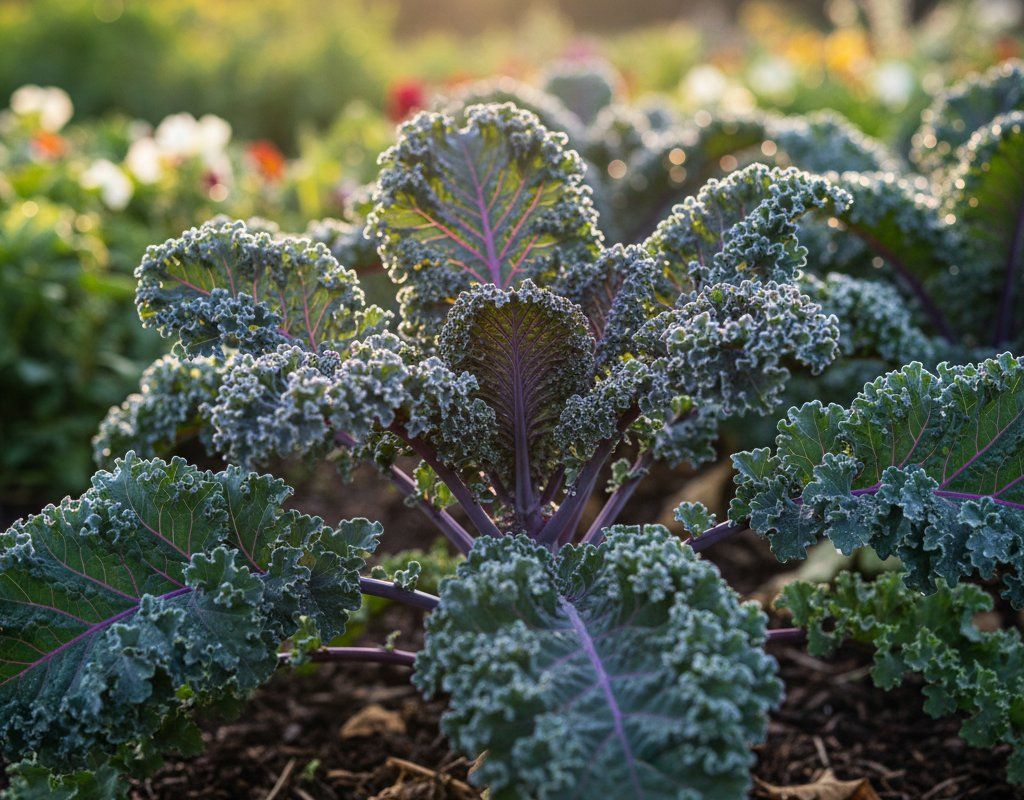
Kale in Zone 9A — Desert Southwest
Brassica oleracea var. sabellica · Your Complete 2026 Planting Guide
You Can Still Sow!
Direct sowing window is open for Kale.
Direct Sow Now
Hardy and easy to direct sow in spring or late summer for fall harvest.
How to Plant Kale in Zone 9A — Desert Southwest
Here are all your options for getting kale in the ground, from the easiest method to more advanced approaches.
Direct Sow Seeds
RecommendedMid January through early October
around January 18
Consider succession planting every 2-3 weeks for continuous harvest.
Hardy and easy to direct sow in spring or late summer for fall harvest.
Start Seeds Indoors
RecommendedLate December through mid January
around January 4
Then transplant: Early February through early March
Start seeds 4-6 weeks before transplanting outdoors.
Buy Starts
Works WellEarly February through early March
around February 1
Plant purchased starts after last frost (February 15).
Transplant Outdoors
Timing InfoEarly February through early March
around February 1
Can tolerate light frost, but wait for soil to be workable.
You have a nice window — no need to rush.
Fall Planting
Late September through late October
October 8 ideal · Direct sow for fall harvest
Plant a second crop in mid-summer for fall harvest. Kale actually prefers the cooling temperatures of fall.
Overview
Kale thrives in our Desert Southwest winters, giving us fresh, nutrient-packed greens when most of the country is buried under snow. This cold-hardy champion actually prefers our mild winter temperatures over scorching summer heat, producing tender leaves with that perfect slightly sweet, earthy flavor that store-bought kale never matches. In our desert climate, winter-grown kale stays productive for months, providing continuous harvests for salads, smoothies, and sautés right from your backyard.
While our extreme summer heat makes kale cultivation challenging from June through August, our 298-day growing season gives you plenty of flexibility to grow amazing crops. The key is working with our two distinct growing seasons – plant in late winter for spring harvests, then again in early fall for winter production. With proper timing, you'll avoid the brutal summer months and enjoy kale at its absolute best.
Starting Seeds Indoors
Starting kale seeds indoors makes sense in the Desert Southwest when you want to get an early jump on the spring season or ensure germination during temperature swings. Start seeds late December through mid-January, about four weeks before your planned transplant date in early February. Our very early spring character means you can get plants established before the intense heat arrives.
Set up seed trays in a warm spot (65-70°F works well) with good light – a south-facing window or grow light. Bottom watering works better than overhead watering for young kale seedlings, keeping the soil evenly moist without encouraging fungal issues. The controlled environment helps you avoid the temperature fluctuations that can happen outdoors during our winter months.
Since kale is quite hardy and germinates reliably, indoor starting isn't essential like it is for heat-loving crops. However, it gives you more control over timing and lets you baby the seedlings through their most vulnerable early weeks before transplanting into the garden.
Transplanting Outdoors
Transplant your indoor-started kale seedlings from early February through early March, after they've developed their first true leaves and the worst of winter's temperature swings have passed. In the Desert Southwest, this timing puts transplants in the ground while soil is still cool but warming, giving roots time to establish before spring heat intensifies.
Harden off seedlings gradually over a week by setting them outside for increasing periods each day, starting with just an hour in morning sun. Our intense desert sun can shock tender seedlings, so build up their tolerance slowly. Even in February, our UV radiation is stronger than many climates experience in summer.
Space transplants 12-18 inches apart in well-amended soil, setting them at the same depth they were growing in containers. Plant on an overcast day or in late afternoon to reduce transplant shock. Water thoroughly at planting, then maintain consistent moisture as roots establish in your garden soil.
Direct Sowing
Direct sowing kale works beautifully in the Desert Southwest, especially for fall plantings when you can sow from late September through late October for winter harvests. Spring direct sowing from mid-January through early March gives you the longest possible cool-season growing period before summer heat arrives. The seeds are tough enough to handle our temperature fluctuations and actually prefer the cooler soil of winter and early spring.
Prepare your planting area by working compost into the soil and ensuring good drainage – our heavy clay and caliche layers can cause problems if water sits around roots. Sow seeds about half an inch deep and 12-18 inches apart, or plant closer and thin later. Seeds germinate best in soil temperatures between 45-75°F, which describes most of our winter and early spring perfectly.
Fall direct sowing is often more successful than spring because you're working with the natural cooling trend rather than racing against rising temperatures. Plant in late September when nighttime temperatures start dropping into the 70s, and you'll have vigorous plants ready to handle whatever winter weather comes their way.
Watering Kale in Zone 9A (Desert Southwest)
Kale needs consistent moisture to produce those tender leaves we're after – drought stress quickly turns leaves tough and bitter, something you'll notice fast in our arid climate. In the Desert Southwest, this means paying close attention to watering schedules since our low humidity and intense sun dry out soil much faster than gardeners in humid regions experience.
During our mild winters, water deeply once or twice per week, providing about an inch of water total. Check soil moisture using the finger test – stick your finger two inches down, and if it's dry, it's time to water. Our sandy desert soils drain quickly, so you'll likely water more frequently than gardeners in clay-heavy regions, but always water deeply to encourage strong root systems.
Summer survival requires daily attention if you're growing fall-planted kale into the hot months. Morning watering works best, giving plants time to absorb moisture before the day's heat peaks. Water at the base rather than overhead – our arid air means foliar watering evaporates quickly and provides little benefit. Watch for wilting in afternoon heat (normal) versus morning wilting (needs water immediately).
A 2-3 inch layer of mulch helps tremendously in our desert conditions, conserving soil moisture and keeping roots cooler. Organic mulches like shredded bark or compost work well, breaking down slowly to improve our typically alkaline desert soils while reducing your watering workload.
🧪Fertilizing Kale
Feeding Schedule
Organic Fertilizer Options
Harvest Time
Your first kale harvest typically begins 55 days after planting, which means mid-March harvests from winter-planted crops and mid-December harvests from late fall plantings. In our Desert Southwest climate, you'll often see rapid early growth once spring temperatures warm up, sometimes reaching harvest size a few days earlier than expected.
Harvest outer leaves when they reach 8-10 inches long, cutting cleanly with scissors or a sharp knife about an inch from the main stem. Leave the growing center intact – this is crucial for continuous production throughout our long growing season. The plant will keep producing new leaves from the center for months when harvested properly.
Kale flavor actually improves after exposure to light frost, becoming noticeably sweeter and less bitter. Since our first frost doesn't typically arrive until early December, fall-planted kale has plenty of time to reach peak flavor. During hot spells, leaves may become slightly tougher, but they'll tender up again when temperatures moderate.
As summer heat approaches in late April or May, your spring-planted kale will start to show stress with smaller, tougher leaves. This is your signal to harvest heavily and preserve what you can, or let the plants bolt and collect seeds for next season's plantings. Fall-planted crops often produce right through winter and into the following spring in our mild desert winters.
Common Problems in Zone 9A (Desert Southwest)
Aphids appear as clusters of tiny, soft-bodied insects in green, black, or white on leaf undersides and stems. You'll notice sticky honeydew residue and curled or distorted new growth, especially during warm spells in late winter and early spring. In our Desert Southwest climate, aphid populations can explode quickly during mild winter weather when their natural predators are less active. Blast them off with a strong water spray early morning, encourage beneficial insects like ladybugs, and use insecticidal soap for heavy infestations. Avoid over-fertilizing with nitrogen, which makes plants more attractive to aphids.
Cabbage worms show up as smooth green caterpillars creating irregular holes in leaves, with dark green droppings visible on foliage. You'll see white butterflies hovering around plants during warm days – they're laying eggs that become the hungry caterpillars. Our long, mild growing season allows multiple generations per year, making this an ongoing concern. Bt spray works exceptionally well against these pests. Floating row covers prevent egg-laying, and handpicking works for small infestations. Interplanting with aromatic herbs like thyme or sage helps deter the adult butterflies.
Flea beetles create tiny round holes throughout leaves in a distinctive shot-hole pattern, with small dark beetles that jump when disturbed. Young seedlings suffer the most damage, sometimes being completely defoliated. These pests thrive in our warm, dry conditions and can be particularly troublesome during spring establishment. Protect seedlings with row covers during their most vulnerable first few weeks. Healthy, well-established plants typically outgrow flea beetle damage. Kaolin clay coating and interplanting with basil provide additional protection.
Desert Southwest Specific Challenges: Our extreme heat and low humidity create additional stress that weakens plants and makes them more susceptible to pest problems. The intense UV radiation can cause sunscald on stressed plants, while our alkaline soils may limit nutrient uptake. During monsoon season, sudden humidity spikes can encourage fungal issues that aren't typically problems in our dry climate.
Best Companions for Kale
Plant these nearby for healthier Kale and better harvests.

Keep Away From
Companion Planting Details
Kale pairs beautifully with beets and celery in Desert Southwest gardens because all three thrive in cool weather and have similar water needs during our mild winters. Beets actually help break up compacted soil with their taproots, improving drainage for kale's shallow root system – important in our heavy clay soils. Onions planted nearby deter many pests that target brassicas, while their upright growth doesn't compete for space. Potatoes make excellent companions because they appreciate the same cool-season timing and their deeper root system doesn't compete with kale's surface feeding.
Avoid planting kale near tomatoes, peppers, or strawberries, which need completely different growing seasons in our climate. These heat-lovers require summer irrigation and soil preparation that conflicts with kale's cool-season needs. More importantly, they can harbor pests like aphids during the transition seasons that then move to your kale plantings. Keep these warm-season crops in separate garden areas to avoid watering conflicts and pest crossover.
🌸Best Flowers to Plant with Kale
These flowers protect your Kale from pests and attract pollinators for better harvests.




Get a Reminder When It's Time to Plant
We'll email you when key planting windows open for your zone.