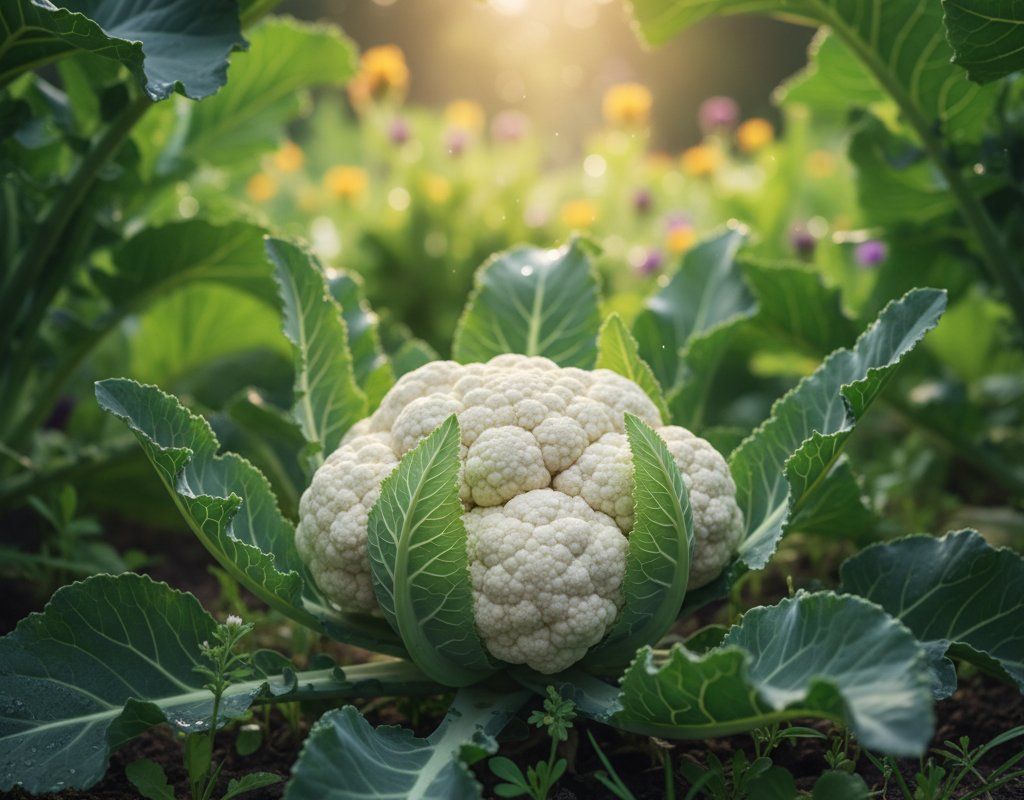
Cauliflower in Zone 9A — Florida
Brassica oleracea var. botrytis · Your Complete 2026 Planting Guide
Check Planting Details Below
See the full planting guide for timing information.
How to Plant Cauliflower in Zone 9A — Florida
Here are all your options for getting cauliflower in the ground, from the easiest method to more advanced approaches.
Start Seeds Indoors
RecommendedLate November through late December
around December 7
Then transplant: Mid January through mid February
Start seeds 6-8 weeks before transplanting outdoors.
Cauliflower is fussy. Starting indoors gives you more control.
Buy Starts
Works WellMid January through mid February
around January 18
Plant purchased starts after last frost (February 1).
Direct Sow Seeds
ChallengingDirect sowing is not typical for Cauliflower.
Transplant Outdoors
Timing InfoMid January through mid February
around January 18
Can tolerate light frost, but wait for soil to be workable.
You have a nice window — no need to rush.
Fall Planting
Early October through early November
October 23 ideal · Transplant for fall harvest
Plant a second crop in mid-summer for fall harvest. Cauliflower actually prefers the cooling temperatures of fall.
Overview
Cauliflower might seem like an unlikely candidate for Florida gardens, but it's actually one of the most rewarding cool-season crops you can grow here. When you time it right with our reversed growing seasons, you'll harvest pristine white heads during the perfect weather of late winter and early spring – a far cry from the rubbery, bitter heads often found in stores. Fresh cauliflower from your garden has a sweet, nutty flavor that transforms into creamy soups, crispy roasts, or crunchy slaws just when you're craving lighter fare after the holidays.
Growing cauliflower in Florida does require working with our unique climate patterns rather than against them. Our 327-day growing season gives us the advantage of avoiding the summer heat that makes this crop impossible in many regions, but you'll need to plan around our brief cool window and high humidity. The key is starting seeds indoors during the holidays and transplanting in the new year – essentially the opposite of what Northern gardeners do.
Starting Seeds Indoors
Starting cauliflower seeds indoors is absolutely essential in Florida since this fussy crop needs perfect conditions to develop properly. Begin sowing seeds in late November through late December, about six weeks before you plan to transplant them outside. Our spring growing season is essentially reversed, so while Northern gardeners are planning their spring gardens, you're already growing seedlings.
Set up seed trays with a quality seed-starting mix in a warm spot that stays around 65-70°F – your air-conditioned house works perfectly. Cauliflower seeds germinate best with bottom heat, so place trays on top of your refrigerator or use a seedling heat mat. Keep the soil consistently moist using bottom watering by setting trays in shallow pans of water rather than watering from above.
Once seedlings emerge, provide bright light from a sunny window or grow lights for 12-14 hours daily. Cauliflower seedlings are notorious for getting leggy in low light, which will hurt your final harvest. Keep them slightly cool once germinated – around 60-65°F if possible – to encourage stocky growth.
Transplanting Outdoors
Transplant your cauliflower seedlings outdoors from mid-January through mid-February when they have 4-6 true leaves and are about 4-5 inches tall. This timing takes advantage of Florida's mild winter weather before the heat and humidity of spring arrive. You want them well-established before temperatures start climbing toward 80°F regularly.
Before transplanting, harden off seedlings gradually over a week by placing them outside for increasing periods each day. Start with 2-3 hours in a sheltered spot and work up to full days outdoors. This prevents transplant shock and helps them adjust to outdoor conditions, including our higher humidity levels.
Space plants 18-24 inches apart in full sun to partial shade locations. Cauliflower needs room for proper air circulation, especially important in our humid climate where fungal diseases can develop quickly. Choose your sunniest spot during winter months, but some afternoon shade actually helps as spring temperatures rise.
Watering Cauliflower in Zone 9A (Florida)
Cauliflower is extremely sensitive to watering inconsistencies, and in Florida's variable winter weather, maintaining even moisture becomes crucial for preventing buttoning – those disappointing tiny heads that form when plants get stressed. The plant needs about 1-1.5 inches of water per week, including rainfall, but our winter dry spells followed by sudden downpours can wreak havoc on this schedule.
Check soil moisture using the finger test – stick your finger 2 inches deep near the plant base. If it's dry at that depth, it's time to water. During Florida's typical winter dry periods (often January through March), you'll need to supplement rainfall, but during our occasional winter storms, you might need to provide drainage or hold off watering entirely.
Water at the base of plants rather than overhead, especially important given our high humidity levels that can promote fungal diseases on wet foliage. A soaker hose or drip irrigation works perfectly, or simply water slowly at soil level with a watering wand. Morning watering allows any splashed foliage to dry quickly in our generally sunny winter weather.
Signs of underwatering include wilted leaves during the heat of the day and slow growth, while overwatering shows up as yellowing lower leaves and potentially root rot in our sometimes poorly-draining sandy soils. Apply a 2-3 inch layer of mulch around plants to help maintain consistent soil moisture and regulate soil temperature during our occasional cold snaps.
🧪Fertilizing Cauliflower
Feeding Schedule
Organic Fertilizer Options
Harvest Time
Your first cauliflower heads will be ready for harvest from late March through mid-May, typically 70 days from transplanting. This timing aligns perfectly with Florida's spring weather when temperatures are pleasant but before the brutal summer heat arrives. You'll know heads are ready when they're firm, white, and about 6-8 inches across with tightly packed curds.
Harvest heads early in the morning when they're crisp and cool. Cut the main stem about 6 inches below the head with a sharp knife, leaving the outer leaves intact. The heads should feel heavy for their size and show no signs of yellowing, purple tinges, or loose, separating curds. Once curds start to separate or discolor, the window for peak quality has passed.
Unlike some vegetables, cauliflower heads won't continue to ripen after cutting, so timing your harvest correctly is critical. Check plants daily once heads start forming since Florida's warming spring temperatures can cause them to go from perfect to overripe quickly. Most varieties produce one main head per plant.
As late spring temperatures start climbing toward the 80s and 90s regularly, any remaining plants will bolt and become bitter. Plan to wrap up your cauliflower harvest by mid-May at the latest, well before our summer growing season becomes too challenging for this cool-weather crop.
Common Problems in Zone 9A (Florida)
Buttoning appears as tiny, premature heads that form when plants are stressed, typically marble-sized instead of the 6-8 inch heads you're expecting. In Florida, this usually happens when transplants experience temperature swings, inconsistent watering, or get planted too late and hit warm weather too early. Our variable winter and spring weather, with cool mornings and warm afternoons, can trigger this response. Prevent buttoning by maintaining consistent soil moisture, using mulch to buffer soil temperature, and sticking to proper planting windows. Once buttoning occurs, there's no fix – the plant won't produce a larger head.
Cabbage worms show up as smooth green caterpillars munching irregular holes in your cauliflower leaves, often leaving dark green droppings behind. You'll also notice white butterflies dancing around your plants during the day – these are the adults laying eggs for the next generation. In Florida's mild winters, these pests can be active year-round rather than dying back with hard freezes. Apply Bt spray (Bacillus thuringiensis) every 7-10 days as soon as you spot the white butterflies or first damage. Floating row covers work excellently for prevention, and handpicking caterpillars in early morning is surprisingly effective in small gardens.
Heat stress manifests as wilting during warm afternoons, slow growth, and bitter-tasting heads if plants experience temperatures above 75°F consistently. As Florida's spring progresses, rising temperatures stress cauliflower plants that prefer cool conditions. Leaves may also show purple or yellow tinges. Provide afternoon shade using shade cloth once daytime temperatures regularly hit the upper 70s. Plant at the earliest recommended times and choose heat-tolerant varieties when possible.
Florida Specific Challenges: Our high humidity and frequent winter rain can promote fungal diseases like black rot and clubroot, especially in poorly-draining sandy soils. Nematodes in warm soil can also attack root systems. The key is proper spacing for air circulation, avoiding overhead watering, and building up soil organic matter to improve drainage and soil health.
Best Companions for Cauliflower
Plant these nearby for healthier Cauliflower and better harvests.


Keep Away From
Companion Planting Details
Plant cauliflower with beets and spinach since they share similar cool-season timing and won't compete for space – beets grow below ground while spinach stays low and can be harvested before cauliflower heads get large. Celery makes an excellent companion because it appreciates the same consistent moisture cauliflower needs and helps maximize your cool-season garden space. Onions planted around the edges help deter cabbage worms and other pests while taking up minimal space and thriving in Florida's winter growing conditions.
Avoid planting tomatoes, peppers, or strawberries near cauliflower since these warm-season crops have completely different watering and fertilizer needs. More importantly, they can harbor pests and diseases that affect brassicas, and their growing seasons don't align well with cauliflower's cool-weather requirements in Florida. Keep these planted in separate areas or wait until after cauliflower harvest to plant them in the same beds.
🌸Best Flowers to Plant with Cauliflower
These flowers protect your Cauliflower from pests and attract pollinators for better harvests.




Get a Reminder When It's Time to Plant
We'll email you when key planting windows open for your zone.