
Chamomile in Zone 7A — Desert Southwest
Matricaria chamomilla · Your Complete 2026 Planting Guide
Missed Seed Starting? No Problem!
Wait for starts to become available.
What to Do
Starts will be available at nurseries in 7 days (around March 11).
How to Plant Chamomile in Zone 7A — Desert Southwest
Here are all your options for getting chamomile in the ground, from the easiest method to more advanced approaches.
Direct Sow Seeds
RecommendedMid March through late August
around March 11
Consider succession planting every 2-3 weeks for continuous harvest.
Start Seeds Indoors
RecommendedLate January through mid February
around January 28
Then transplant: Mid March through early April
Start seeds 6-8 weeks before transplanting outdoors.
Buy Starts
Works WellMid March through early April
around March 11
Plant purchased starts after last frost (March 25).
Transplant Outdoors
Timing InfoMid March through early April
around March 11
Can tolerate light frost, but wait for soil to be workable.
You have a nice window — no need to rush.
Overview
Chamomile is a fantastic addition to any Desert Southwest garden. Its delicate, apple-like flavor makes a soothing tea, and it attracts beneficial insects to your garden. Plus, the satisfaction of harvesting your own homegrown herbs, especially in our arid climate, is hard to beat.
Our extreme heat and alkaline soil can be tough on plants, but with the right timing, Chamomile thrives here. We have a long growing season – around 230 days – which gives you two opportunities to grow this versatile herb.
Starting Seeds Indoors
Starting Chamomile indoors is optional, but helpful if you want a head start on the season. Sow seeds indoors from late January through mid February, about six weeks before you plan to transplant. Use seed trays with a good seed-starting mix, and provide warmth and bright light.
A little tip for the Desert Southwest: bottom watering your seedlings helps prevent damping-off and keeps the surface of the soil consistently moist in our dry air. Because spring comes early here, starting indoors allows you to get a jump on the season.
Transplanting Outdoors
Transplant your Chamomile seedlings outdoors from mid March through early April. Before transplanting, harden them off by gradually exposing them to outdoor conditions for about a week. This prevents transplant shock.
Space them 6-8 inches apart in a sunny or partially shaded spot. Be mindful of late temperature swings; a sudden cold snap can stress young plants, even though Chamomile is frost-hardy.
Direct Sowing
Direct sowing Chamomile is a straightforward option for Desert Southwest gardeners. Sow seeds directly into the garden from mid March through late August. Chamomile prefers soil temperatures between 60-70°F for optimal germination.
Prepare the soil by loosening it and removing any rocks or debris. Scatter seeds thinly and gently press them into the soil. Keep the soil consistently moist until seedlings emerge. Thin seedlings to 6-8 inches apart once they are established.
Watering Chamomile in Zone 7A (Desert Southwest)
Chamomile is drought-tolerant and thrives with minimal watering, making it perfect for our arid Desert Southwest climate. Overwatering can lead to leggy growth and weak plants.
During the cooler months of spring and fall, water deeply but infrequently, about once a week, or when the top 2 inches of soil feel dry to the touch. Use the "finger test" to check moisture levels. In the extreme heat of summer, you may need to water more frequently, but avoid saturating the soil. Aim for about 1 inch of water per week, including any monsoon moisture we get.
Water at the base of the plants to avoid wetting the foliage, which can encourage fungal diseases even in our dry climate. Signs of underwatering include wilting leaves and stunted growth. Overwatering can lead to yellowing leaves and root rot. Adding a layer of mulch, like decomposed granite, helps retain moisture and regulate soil temperature.
🧪Fertilizing Chamomile
Feeding Schedule
Organic Fertilizer Options
Harvest Time
You can expect your first Chamomile harvest from early May through mid November in the Desert Southwest. The flowers are ready to harvest when the petals bend slightly backward. Harvest in the morning after the dew has dried for the best flavor.
To harvest, simply snip the flower heads off with scissors or your fingers. Regular harvesting encourages continuous production throughout the growing season.
As the first frost approaches in early November, harvest any remaining flowers to dry and store for tea. Don't worry if the plant looks a little tired; Chamomile is hardy and will often return the following spring.
Common Problems in Zone 7A (Desert Southwest)
Here are some common problems you might encounter growing Chamomile in the Desert Southwest:
Aphids
- What it looks like: Clusters of tiny soft-bodied insects (green, black, or white) on stems and leaf undersides. You might also see sticky honeydew residue and curled or distorted new growth.
- What causes it: Aphids are rapid-reproducing sap-sucking insects. Populations explode in warm weather, which we certainly have plenty of. Ant colonies may farm them for honeydew.
- How to fix/prevent it: A strong water spray can knock them off. Encourage ladybugs and lacewings (natural predators). Insecticidal soap works well for heavy infestations. Neem oil works systemically. Avoid excess nitrogen fertilizer, as it attracts them.
Mealybugs
- What it looks like: Small, white, cottony masses on stems, leaves, and in leaf joints. Stunted growth and yellowing leaves.
- What causes it: Mealybugs are sap-sucking insects that thrive in warm, dry conditions. They're often brought in by ants or on new plants.
- How to fix/prevent it: Dab individual mealybugs with a cotton swab dipped in rubbing alcohol. Insecticidal soap or neem oil can also be effective. Control ant populations, as they protect mealybugs.
Thrips
- What it looks like: Tiny, slender insects that cause silvery or mottled damage on leaves and flowers. You might also see black fecal spots.
- What causes it: Thrips are tiny, winged insects that feed on plant sap. They are more prevalent during hot, dry weather.
- How to fix/prevent it: A strong spray of water can dislodge them. Insecticidal soap or neem oil can be effective. Encourage beneficial insects like lacewings and minute pirate bugs.
Desert Southwest Specific Challenges: The extreme heat and low humidity of the Desert Southwest can stress Chamomile, making it more susceptible to pests. Monitor your plants regularly and provide adequate shade during the hottest part of the day to prevent sunscald. Monsoon rains can also create favorable conditions for fungal diseases, so ensure good air circulation and avoid overwatering.
Best Companions for Chamomile
Plant these nearby for healthier Chamomile and better harvests.
View Full Companion Planting Chart →



Companion Planting Details
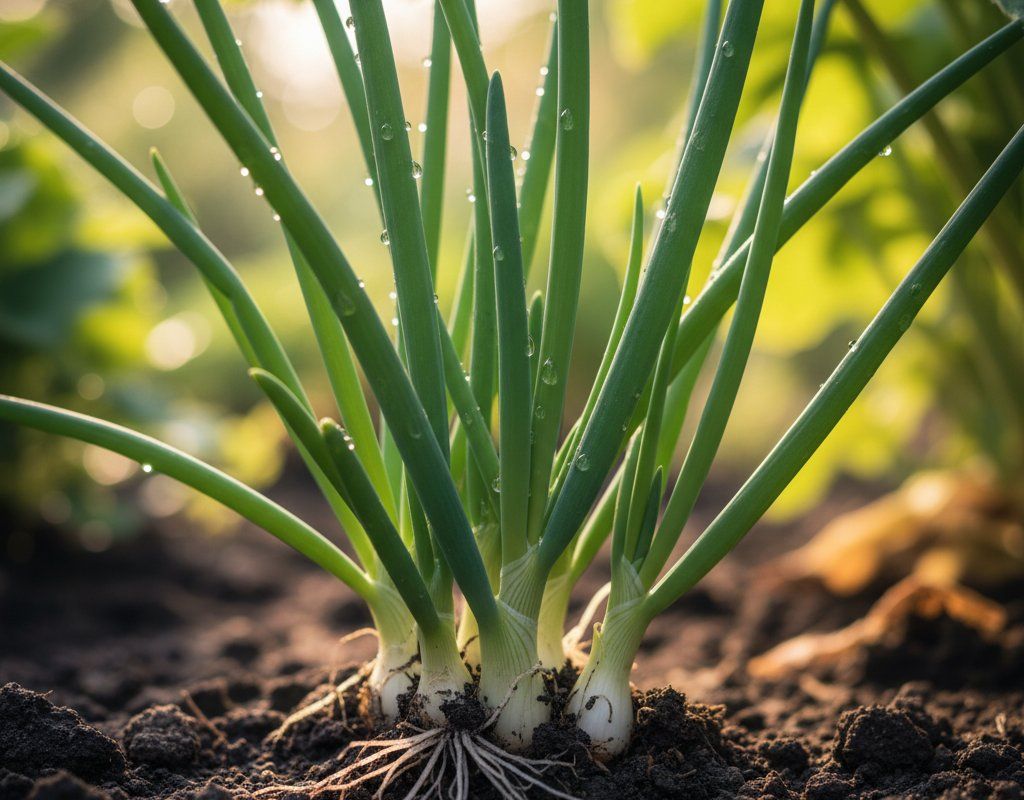
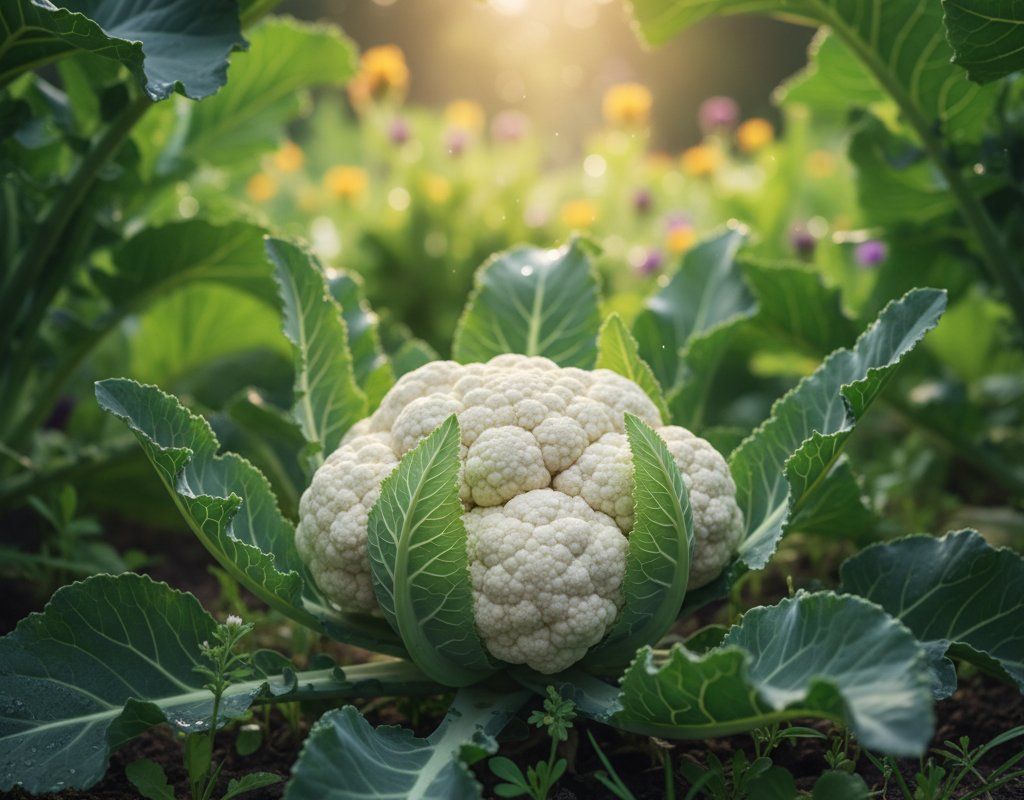
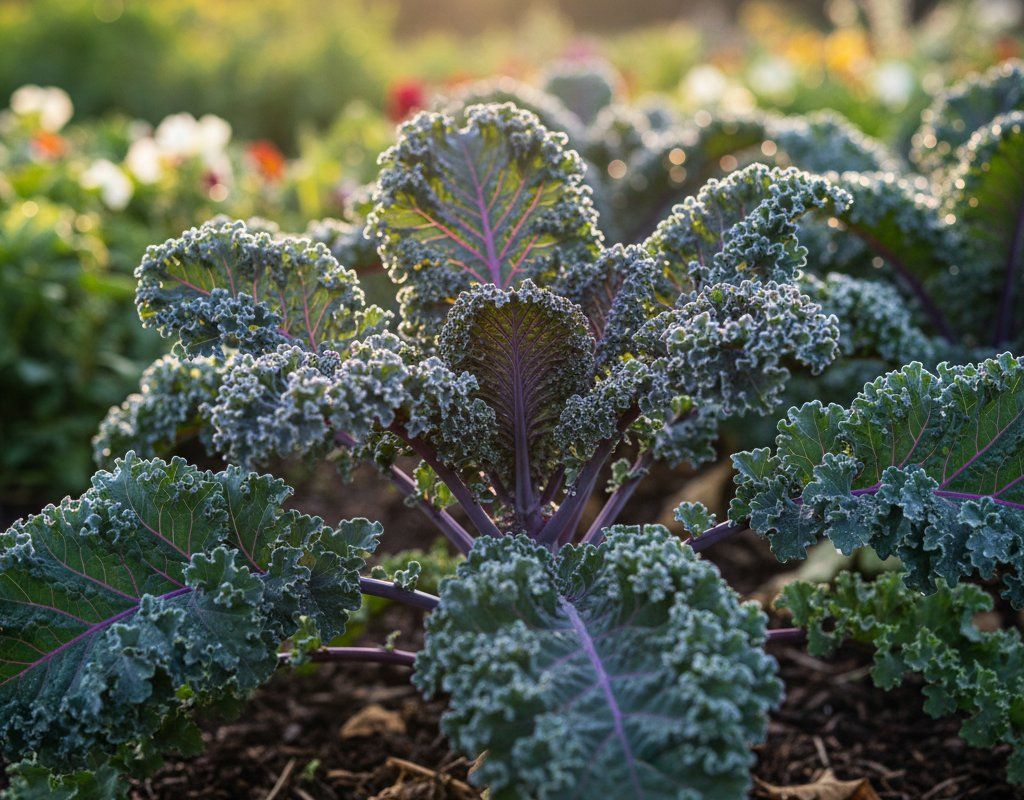
Chamomile is a great companion plant in the Desert Southwest garden. Planting it near onions, cabbage, and broccoli can help deter pests like cabbage moths. Cucumbers benefit from Chamomile's presence, as it attracts pollinators and improves their flavor. Green beans also thrive alongside Chamomile, as it repels bean beetles. Avoid planting Chamomile near mint, as they compete for resources and can inhibit each other's growth.
🥬Best Vegetables to Pair With Chamomile
Chamomile benefits these vegetables through pest control, pollinator attraction, or improved garden health.


Get a Reminder When It's Time to Plant
We'll email you when key planting windows open for your zone.