
Cabbage in Zone 7A — Desert Southwest
Brassica oleracea var. capitata · Your Complete 2026 Planting Guide
Missed Seed Starting? No Problem!
Wait for starts to become available.
What to Do
Starts will be available at nurseries in 7 days (around March 11).
How to Plant Cabbage in Zone 7A — Desert Southwest
Here are all your options for getting cabbage in the ground, from the easiest method to more advanced approaches.
Start Seeds Indoors
RecommendedLate January through mid February
around January 28
Then transplant: Mid March through early April
Start seeds 6-8 weeks before transplanting outdoors.
Start indoors for spring harvest.
Buy Starts
Works WellMid March through early April
around March 11
Plant purchased starts after last frost (March 25).
Direct Sow Seeds
ChallengingDirect sowing is not typical for Cabbage.
Transplant Outdoors
Timing InfoMid March through early April
around March 11
Can tolerate light frost, but wait for soil to be workable.
You have a nice window — no need to rush.
Fall Planting
Late August through late September
September 8 ideal · Transplant for fall harvest
Plant a second crop in mid-summer for fall harvest. Cabbage actually prefers the cooling temperatures of fall.
Overview
Cabbage might not be the first thing that springs to mind for desert gardening, but its crisp texture and slightly sweet flavor make it a rewarding addition to your spring and fall harvests. Imagine homemade coleslaw with a kick from freshly harvested cabbage, or a hearty soup on a cool desert evening. Plus, the satisfaction of growing your own food in a challenging climate is hard to beat.
Our extreme heat and alkaline soil can make things tricky, but with careful timing and attention, you can definitely grow cabbage here. With our long 230-day growing season, we can take advantage of our two shorter growing seasons, planting at the right time to avoid summer's worst heat.
Starting Seeds Indoors
Starting your cabbage indoors is the way to go in our climate for a spring harvest. You'll want to sow those seeds from late January through mid February, giving them about 6 weeks to get a head start before the weather warms up too much.
Use seed trays or small pots with a good quality seed-starting mix. Keep the soil consistently moist (bottom watering works great to avoid damping off) and provide plenty of light – a grow light is ideal. Remember, our spring comes early, so getting a jump start indoors is essential.
Transplanting Outdoors
Transplant your cabbage seedlings outdoors mid March through early April, after the last expected frost. Before planting, harden them off by gradually exposing them to outdoor conditions for about a week. This helps them adjust to the sun and wind.
Space the plants about 12-18 inches apart to allow for good air circulation and head development. Be mindful of late season temperature swings that can sometimes affect our region.
Watering Cabbage in Zone 7A (Desert Southwest)
Cabbage needs consistent moisture to thrive, but overwatering is a problem too. The goal is to keep the soil evenly moist, not waterlogged. Strive for about 1 inch of water per week, adjusting based on rainfall.
The "finger test" is your best friend: stick your finger into the soil about 2 inches deep. If it feels dry, it's time to water. Water deeply at the base of the plants to encourage strong root growth and reduce the risk of fungal diseases in our arid climate. Overhead watering can lead to problems, especially during our monsoon season.
Signs of underwatering include wilting leaves and stunted growth. Overwatering can cause yellowing leaves and root rot. A layer of organic mulch, like compost or shredded leaves, can help retain moisture and regulate soil temperature.
🧪Fertilizing Cabbage
Feeding Schedule
Organic Fertilizer Options
Harvest Time
You can expect your first cabbage harvest from mid May through early July. It takes about 70 days from transplant, so keep an eye on your plants as that time approaches.
The key sign of ripeness is a firm, solid head when you squeeze it gently. It should also be close to the full size for the variety you're growing. To harvest, simply cut the head off at the base with a sharp knife, leaving the outer leaves intact.
As our first frost approaches in early November, harvest any remaining cabbage heads, even if they're not quite fully mature. Smaller heads can still be used in cooking.
Common Problems in Zone 7A (Desert Southwest)
Here are some common cabbage problems you might encounter in our area:
Cabbage Worms *What it looks like:* Smooth green caterpillars chewing irregular holes in leaves, leaving dark green droppings. You might also see white butterflies fluttering around. *What causes it:* These are the larvae of those pretty white cabbage butterflies, and they can go through multiple generations in our long growing season. *How to fix/prevent it:* Bt spray is very effective. Use floating row covers to prevent butterflies from laying eggs. Handpick caterpillars whenever you see them. Interplant with aromatic herbs like thyme and sage to deter the butterflies.
Cabbage Loopers *What it looks like:* Similar to cabbage worms, but these caterpillars move in a looping motion. They also chew holes in leaves. *What causes it:* Cabbage loopers are another type of caterpillar that thrives in warm weather. *How to fix/prevent it:* Bt spray works well on loopers too. Handpicking and row covers are also effective.
Splitting *What it looks like:* The cabbage head cracks open. *What causes it:* Inconsistent watering, especially after a period of drought. The head grows too quickly, causing it to split. *How to fix/prevent it:* Water regularly and consistently. Mulch to retain moisture. Harvest promptly when heads are mature.
Clubroot *What it looks like:* Stunted growth, wilting in the afternoon heat, and yellowing leaves. If you dig up the plant, the roots will be swollen and distorted. *What causes it:* A soil-borne pathogen that thrives in acidic, wet soil. It can persist in the soil for many years. *How to fix/prevent it:* Raise the soil pH to 7.0-7.2 with lime. Improve drainage. Rotate brassicas on a 7-year cycle. Remove and destroy infected plants (don't compost). Start transplants in sterile mix.
Desert Southwest Specific Challenges: Our extreme heat can stress cabbage plants, making them more susceptible to pests and diseases. The arid humidity means you need to be careful with watering to avoid both drought stress and fungal problems. Monsoon rains can also lead to splitting if the soil dries out too much beforehand.
Best Companions for Cabbage
Plant these nearby for healthier Cabbage and better harvests.



Keep Away From



Companion Planting Details
Companion planting can give your cabbage a boost in our challenging climate.
Good companions:
- Green beans: They fix nitrogen in the soil, which benefits cabbage.
- Celery: It deters cabbage white butterflies.
- Onion: Its strong scent repels many pests.
- Potato: It can help break up heavy soils, improving drainage.
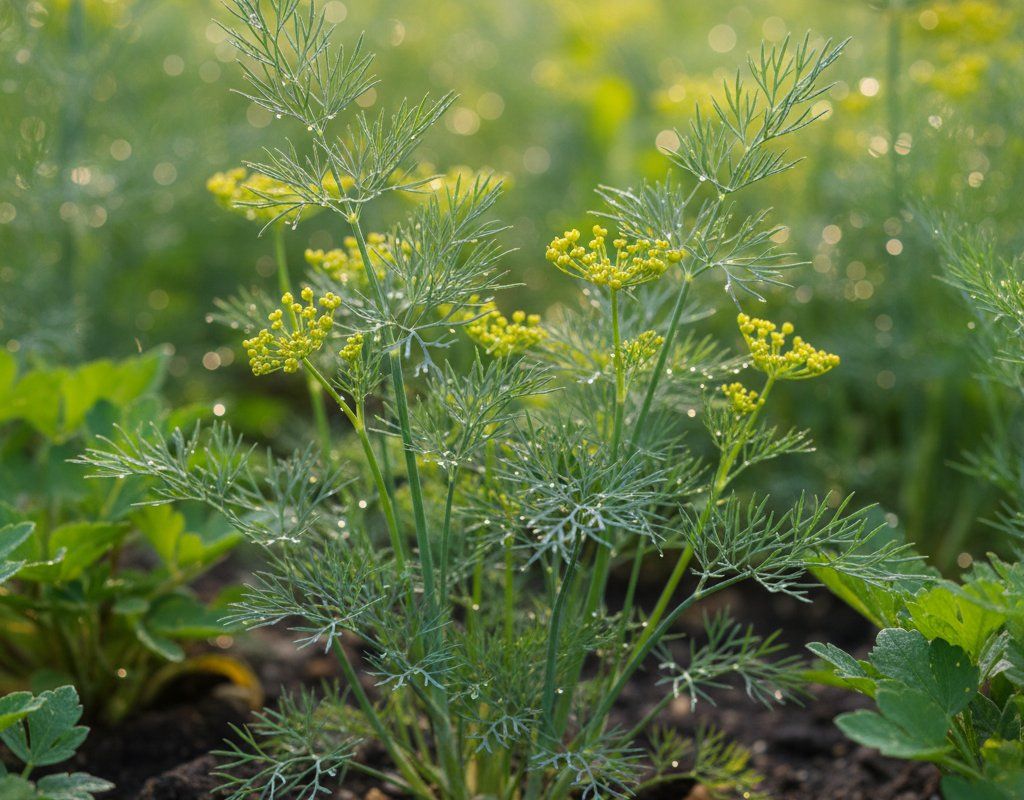
- Dill: Attracts beneficial insects that prey on cabbage pests.
Bad companions:
- Tomato: Both plants compete for the same nutrients.
- Strawberry: Can stunt cabbage growth.
- Pepper: Also competes for the same nutrients and can attract similar pests.
🌸Best Flowers to Plant with Cabbage
These flowers protect your Cabbage from pests and attract pollinators for better harvests.
For Pest Control





Get a Reminder When It's Time to Plant
We'll email you when key planting windows open for your zone.