
Chamomile in Zone 8A — Gulf Coast
Matricaria chamomilla · Your Complete 2026 Planting Guide
Time to Buy Starts!
Seed starting window passed, but starts are available now.
Buy Starts Now
Head to your local nursery, Home Depot, or farmers market for transplants.
- Look for stocky plants with dark green leaves
- Avoid leggy seedlings or plants already flowering
- Check that roots aren't circling the pot (rootbound)
How to Plant Chamomile in Zone 8A — Gulf Coast
Here are all your options for getting chamomile in the ground, from the easiest method to more advanced approaches.
Direct Sow Seeds
RecommendedMid February through mid September
around February 15
Consider succession planting every 2-3 weeks for continuous harvest.
Start Seeds Indoors
RecommendedLate December through mid January
around January 4
Then transplant: Mid February through mid March
Start seeds 6-8 weeks before transplanting outdoors.
Buy Starts
Works WellMid February through mid March
around February 15
Plant purchased starts after last frost (March 1).
Transplant Outdoors
Timing InfoMid February through mid March
around February 15
Can tolerate light frost, but wait for soil to be workable.
You have a nice window — no need to rush.
Overview
Chamomile is a fantastic addition to any Gulf Coast garden. Its delicate, apple-like flavor makes a soothing tea, and it attracts beneficial insects to your garden. Plus, the satisfaction of brewing a cup from your own homegrown herbs is hard to beat.
While we face high humidity and the occasional hurricane here on the Gulf Coast, chamomile is surprisingly resilient when planted at the right time. Our long growing season, stretching from early spring well into late fall, gives you ample opportunity to cultivate this lovely herb.
Starting Seeds Indoors
Starting chamomile indoors is an option, but honestly, it's often easier to direct sow here on the Gulf Coast. However, if you want a head start, especially for an earlier spring harvest, you can start seeds indoors from late December through mid January. Use seed trays with a good seed-starting mix and provide warmth, either with a heat mat or by placing them in a warm spot in your house.
Make sure to use a spray bottle or bottom water your seedlings to avoid damping off, a common problem with high humidity. A simple setup with a grow light ensures they get enough light before our early spring warmth arrives.
Transplanting Outdoors
You can transplant your chamomile seedlings outdoors from mid February through mid March. Before transplanting, harden them off by gradually exposing them to outdoor conditions for about a week. This helps them adjust to the temperature swings and humidity we often see this time of year.
Plant them 6-8 inches apart in well-draining soil. Keep an eye on the weather forecast – a late cold snap can happen, so be ready to cover them if needed.
Direct Sowing
Direct sowing chamomile is a breeze in our Gulf Coast climate. You can sow seeds directly into the garden from mid February through mid September. Choose a spot with full sun to partial shade and well-drained soil.
Gently rake the soil surface, sprinkle the seeds, and lightly press them in – they need light to germinate. Keep the soil consistently moist until seedlings emerge, then thin them to 6-8 inches apart. Direct sowing works well as the soil warms up, so this is a great option for successive plantings throughout the long growing season.
Watering Chamomile in Zone 8A (Gulf Coast)
Chamomile is relatively drought-tolerant once established, which is great news for Gulf Coast gardeners dealing with unpredictable rainfall. However, consistent watering is crucial, especially during the initial establishment phase. Aim for about 1 inch of water per week, but always check the soil moisture first.
Stick your finger about 2 inches deep into the soil. If it feels dry, it's time to water. During the hottest parts of summer, you might need to water more frequently, but be very careful not to overwater, as our high humidity can easily lead to root rot. Water at the base of the plants to avoid wetting the foliage, which can encourage fungal diseases in our humid environment.
In the cooler months, you'll likely need to water less frequently. Signs of underwatering include wilting or yellowing leaves, while overwatering can cause leggy growth and yellowing. Mulching around your chamomile plants with pine straw or shredded leaves helps retain moisture and suppress weeds, but be mindful not to mulch too heavily and trap excess moisture near the stems.
🧪Fertilizing Chamomile
Feeding Schedule
Organic Fertilizer Options
Harvest Time
You can expect your first chamomile harvest from mid April through early December, about 60 days after planting. The best time to harvest is in the morning, after the dew has dried, when the flowers are fully open and the petals have just begun to bend slightly backward. This is when they have the highest concentration of essential oils.
To harvest, simply snip the flower heads off with scissors or your fingers, taking care not to damage the plant. Regular harvesting encourages continued production throughout the growing season.
As late November approaches and the threat of the first frost looms, harvest any remaining flowers to dry and store for winter use. Even if a light frost nips the plants, they often bounce back in the spring, giving you another season of chamomile goodness.
Common Problems in Zone 8A (Gulf Coast)
Here are a few common problems you might encounter with chamomile in the Gulf Coast:
Aphids
- What it looks like: Clusters of tiny, soft-bodied insects (green, black, or white) on stems and leaf undersides. You might also notice a sticky honeydew residue or curled and distorted new growth.
- What causes it: Aphids are rapid-reproducing, sap-sucking insects. Their populations explode in warm weather, and ant colonies may farm them for honeydew.
- How to fix/prevent it: A strong spray of water can knock them off. Encourage beneficial insects like ladybugs and lacewings, which are natural predators. For heavy infestations, use insecticidal soap or neem oil. Avoid excess nitrogen fertilizer, as it attracts aphids.
Mealybugs
- What it looks like: Small, white, cottony masses on stems, leaves, and especially in leaf axils. Plants may be stunted and leaves can yellow and drop.
- What causes it: Mealybugs are sap-sucking insects that thrive in warm, humid conditions, making them a common pest in the Gulf Coast. They are often spread by ants.
- How to fix/prevent it: Wipe away small infestations with a cotton swab dipped in rubbing alcohol. For larger infestations, use insecticidal soap or neem oil, making sure to get into all the nooks and crannies. Control ant populations, as they protect mealybugs.
Thrips
- What it looks like: Tiny, slender insects that can be black, brown, or yellowish. They cause silvery or distorted leaves, and you might see black specks (their droppings) on the foliage.
- What causes it: Thrips are sap-sucking insects that are attracted to plants under stress. Hot, dry weather favors their development, but they can still be a problem in our humid climate.
- How to fix/prevent it: Strong sprays of water can dislodge thrips. Introduce beneficial insects like lacewings and minute pirate bugs. Insecticidal soap or neem oil can be effective. Keep plants well-watered and healthy to reduce stress.
Gulf Coast Specific Challenges: The hot heat, very-high humidity, and wet-year-round rainfall in the Gulf Coast can create a perfect breeding ground for pests and fungal diseases. Consistent monitoring, good air circulation, and avoiding overwatering are key to keeping your chamomile healthy.
Best Companions for Chamomile
Plant these nearby for healthier Chamomile and better harvests.
View Full Companion Planting Chart →



Companion Planting Details
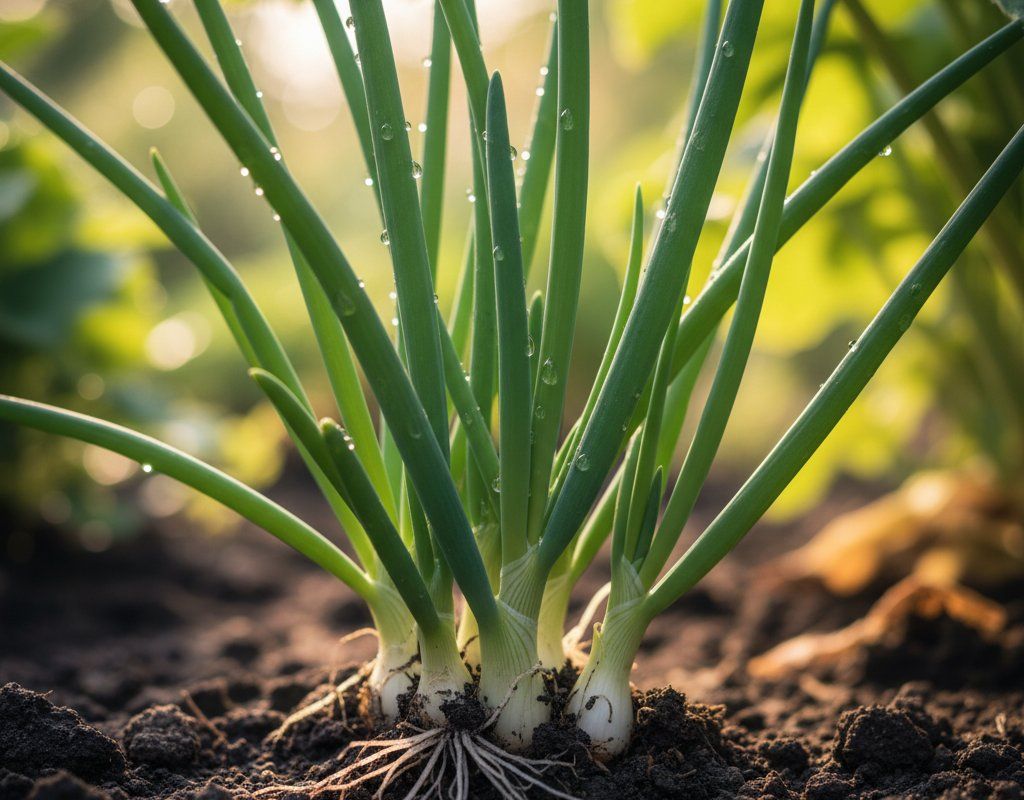
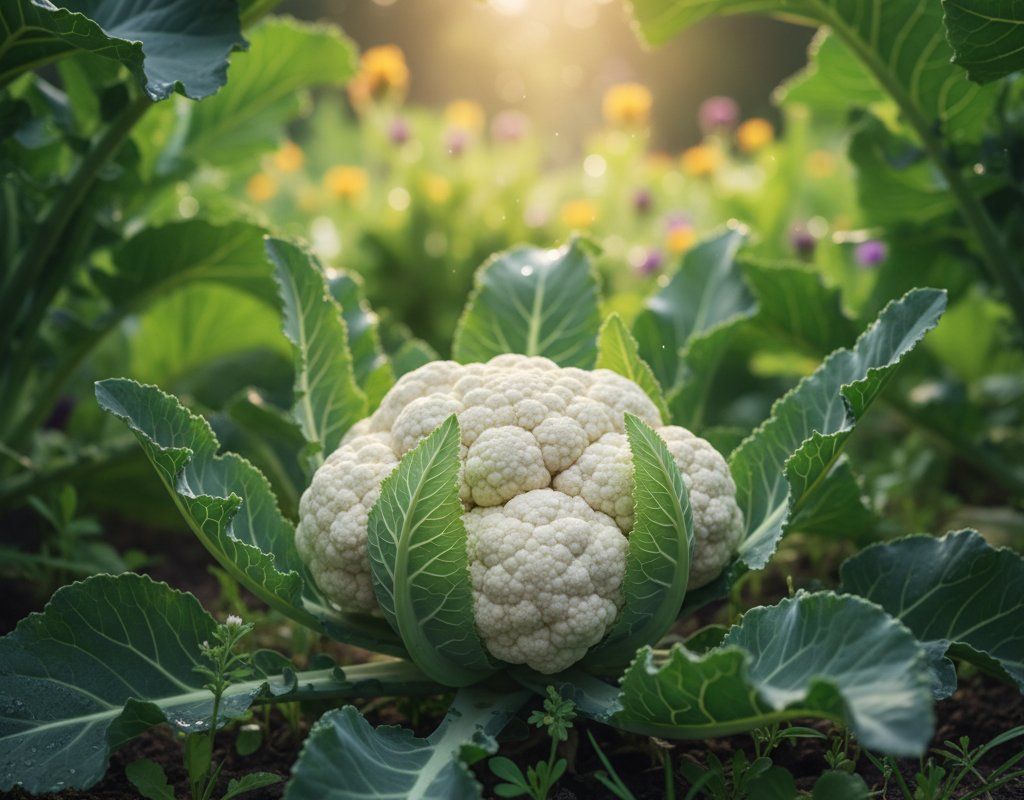
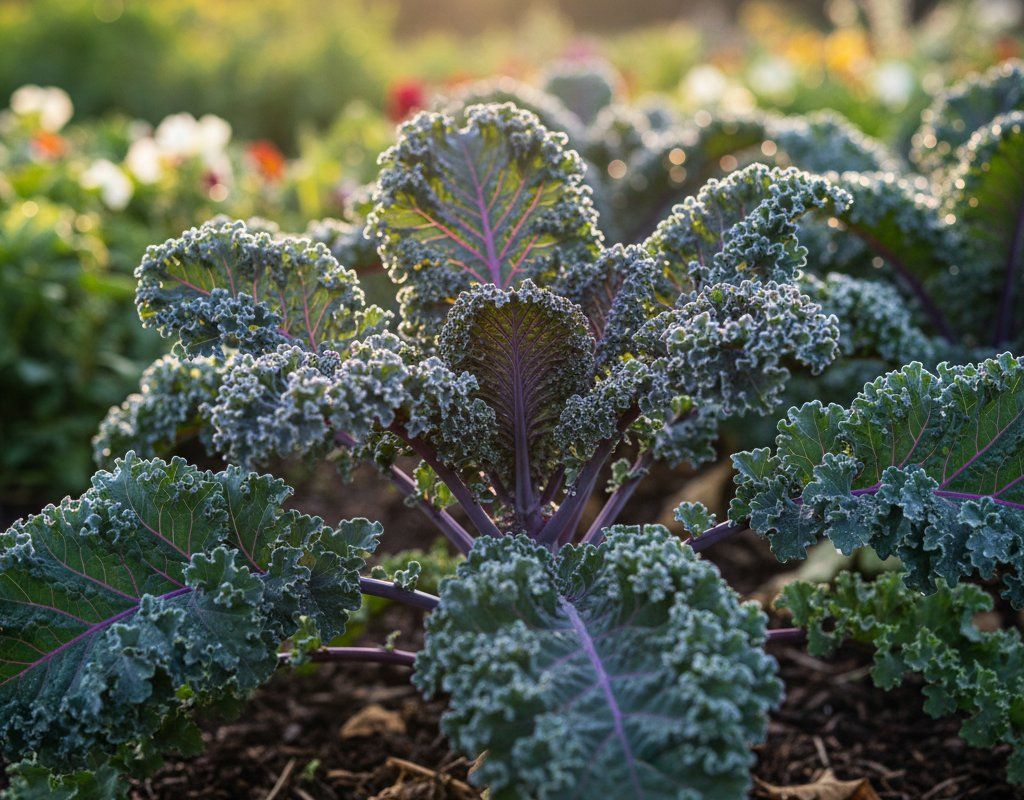
Chamomile has some excellent companions in the garden. Planting it near onions can help deter onion flies. It also benefits cabbage, broccoli, and other brassicas by attracting beneficial insects that prey on cabbage worms and other pests.
Cucumbers thrive when planted near chamomile, as it improves their growth and flavor. Green beans also benefit from chamomile's presence, as it can help repel bean beetles. Avoid planting chamomile near mint, as they compete for resources and mint can quickly take over.
🥬Best Vegetables to Pair With Chamomile
Chamomile benefits these vegetables through pest control, pollinator attraction, or improved garden health.


Get a Reminder When It's Time to Plant
We'll email you when key planting windows open for your zone.