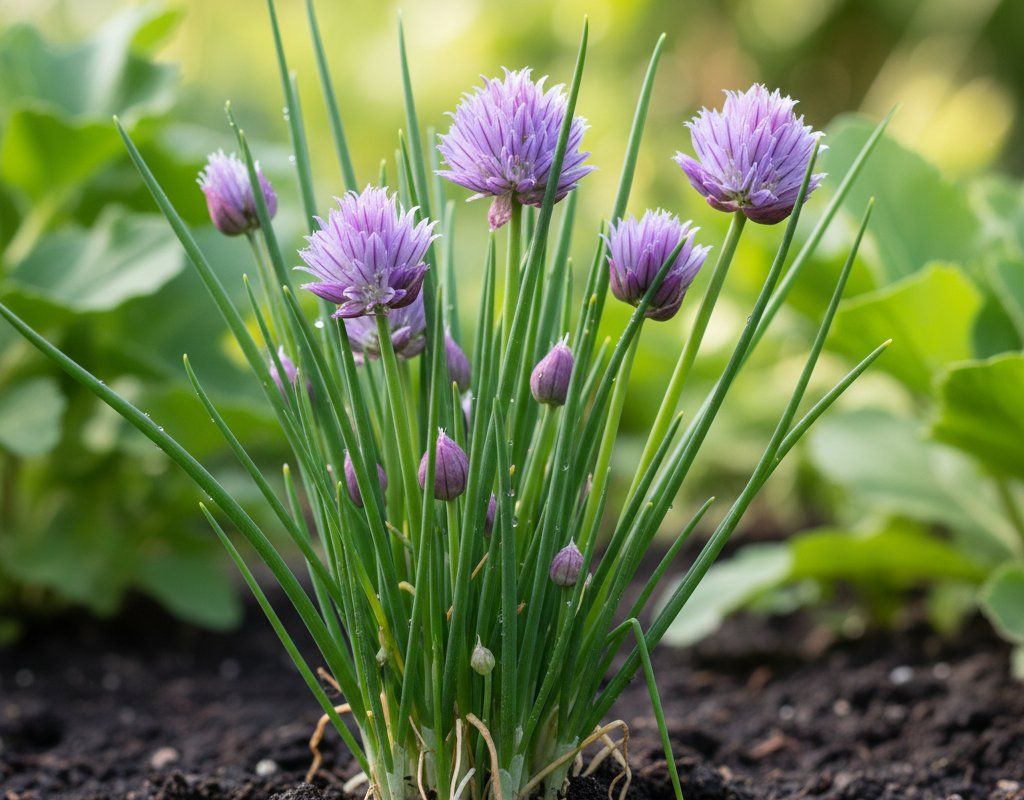
Chives in Zone 8A — Desert Southwest
Allium schoenoprasum · Your Complete 2026 Planting Guide
Time to Buy Starts!
Seed starting window passed, but starts are available now.
Buy Starts Now
Head to your local nursery, Home Depot, or farmers market for transplants.
- Look for stocky plants with dark green leaves
- Avoid leggy seedlings or plants already flowering
- Check that roots aren't circling the pot (rootbound)
How to Plant Chives in Zone 8A — Desert Southwest
Here are all your options for getting chives in the ground, from the easiest method to more advanced approaches.
Direct Sow Seeds
RecommendedEarly February through late August
around February 5
Consider succession planting every 2-3 weeks for continuous harvest.
Slow to establish from seed. Divisions or starts are faster.
Start Seeds Indoors
RecommendedMid December through early January
around December 25
Then transplant: Mid February through mid March
Start seeds 8-10 weeks before transplanting outdoors.
Buy Starts
Works WellMid February through mid March
around February 19
Plant purchased starts after last frost (March 5).
Buying starts or dividing existing clumps is much faster than seed.
Transplant Outdoors
Timing InfoMid February through mid March
around February 19
Can tolerate light frost, but wait for soil to be workable.
You have a nice window — no need to rush.
Overview
Chives are a fantastic addition to any Desert Southwest garden. Their mild onion flavor elevates everything from eggs to salads, and they're surprisingly easy to grow in our climate. Plus, harvesting fresh herbs right outside your door is incredibly satisfying.
While our extreme heat and alkaline soil can be challenging, chives are adaptable with proper timing and care. Our long growing season (around 265 days!) gives you two opportunities to plant—and plenty of time to enjoy a bountiful harvest.
Starting Seeds Indoors
Starting chives indoors gives you a head start, but it's not strictly necessary in our climate. If you want to get a jump on the season, start seeds indoors from mid December through early January. This gives you about 8 weeks to get them ready for transplanting.
Use seed trays with a good seed-starting mix. Keep the soil consistently moist (bottom watering works great to avoid damping off) and provide warmth and light. Remember, our spring comes very early, so starting early indoors helps you take advantage of that.
Transplanting Outdoors
Transplant your chives seedlings outdoors from mid February through mid March. Before transplanting, harden them off by gradually exposing them to outdoor conditions for about a week. This prevents shock.
Space the seedlings 8-12 inches apart in well-draining soil. Keep an eye on the weather; we can still get some unexpected cold snaps during this time, so be prepared to cover them if necessary. Honestly, buying established starts or dividing existing clumps is much faster and easier than starting from seed.
Direct Sowing
Direct sowing chives is a perfectly viable option in the Desert Southwest, thanks to our long growing season. Sow seeds directly into well-prepared soil from early February through late August.
Ensure the soil is loose and consistently moist until germination. Thin seedlings to 8-12 inches apart once they emerge. Keep in mind that chives are slow to establish from seed, so be patient. Again, divisions or starts will give you a quicker harvest.
Watering Chives in Zone 8A (Desert Southwest)
Watering is critical for chives in our arid Desert Southwest climate. While they need moderate, consistent moisture, they're not drought-tolerant. A good rule of thumb is to water deeply but infrequently, allowing the soil to dry slightly between waterings.
During the hottest months (June-August), you'll likely need to water every 2-3 days, providing about 1 inch of water per week. Use the "finger test"—if the top 2 inches of soil are dry, it's time to water. During the monsoon season (July-September), be mindful of rainfall and adjust your watering schedule accordingly. In the cooler months, you can reduce watering to once a week or less.
Water at the base of the plants to avoid wetting the foliage, as our arid climate doesn't always prevent fungal issues. Signs of underwatering include wilting and yellowing leaves, while overwatering can lead to root rot. Mulching around the plants with organic matter helps retain moisture and regulate soil temperature.
🧪Fertilizing Chives
Feeding Schedule
Organic Fertilizer Options
Harvest Time
You can expect your first chives harvest from late April through early December in the Desert Southwest. Look for leaves that are at least 6 inches tall.
To harvest, simply cut the leaves 1-2 inches above the base of the plant. This encourages new growth and ensures continuous production. Harvest regularly to keep the plants productive.
As our first frost approaches in late November, you can cut back the plants completely. They'll likely go dormant over the winter and return in the spring. Every 3 years, divide the clumps to prevent overcrowding and maintain vigor.
Common Problems in Zone 8A (Desert Southwest)
Here are three common problems you might encounter with chives in the Desert Southwest:
Onion Fly
- What it looks like: Wilting, yellowing, and stunted growth. The base of the plant may be swollen and soft.
- What causes it: Onion fly larvae feed on the roots and bulbs. Our alkaline soil can sometimes exacerbate this issue.
- How to fix/prevent it: Use row covers to prevent flies from laying eggs. Introduce beneficial nematodes to the soil. Remove and destroy infested plants.
Rust
- What it looks like: Rusty orange, yellow, or brown pustules on leaves and stems, mostly on undersides. Leaves yellow and drop prematurely.
- What causes it: Various rust fungi thrive in warm, humid conditions with moisture on leaves. Although our humidity is low, monsoon moisture can trigger rust.
- How to fix/prevent it: Remove affected leaves. Avoid overhead watering. Improve air circulation. Apply sulfur or copper fungicide. Don't work among wet plants. Rotate crops.
Bulb Rot in Wet Soil
- What it looks like: Yellowing leaves, stunted growth, and a mushy, foul-smelling bulb.
- What causes it: Overwatering or poorly draining soil leads to fungal or bacterial infections. This can be a problem during our monsoon season if drainage isn't optimal.
- How to fix/prevent it: Ensure well-draining soil. Avoid overwatering, especially during the monsoon. Improve soil drainage by adding compost or other organic matter.
Desert Southwest Specific Challenges: The extreme heat and intense sun can stress chives, making them more susceptible to pests and diseases. Consistent watering and afternoon shade during the hottest months are essential for summer survival. Also, our monsoon season can create periods of high humidity that, while brief, can encourage fungal diseases.
Best Companions for Chives
Plant these nearby for healthier Chives and better harvests.


Keep Away From
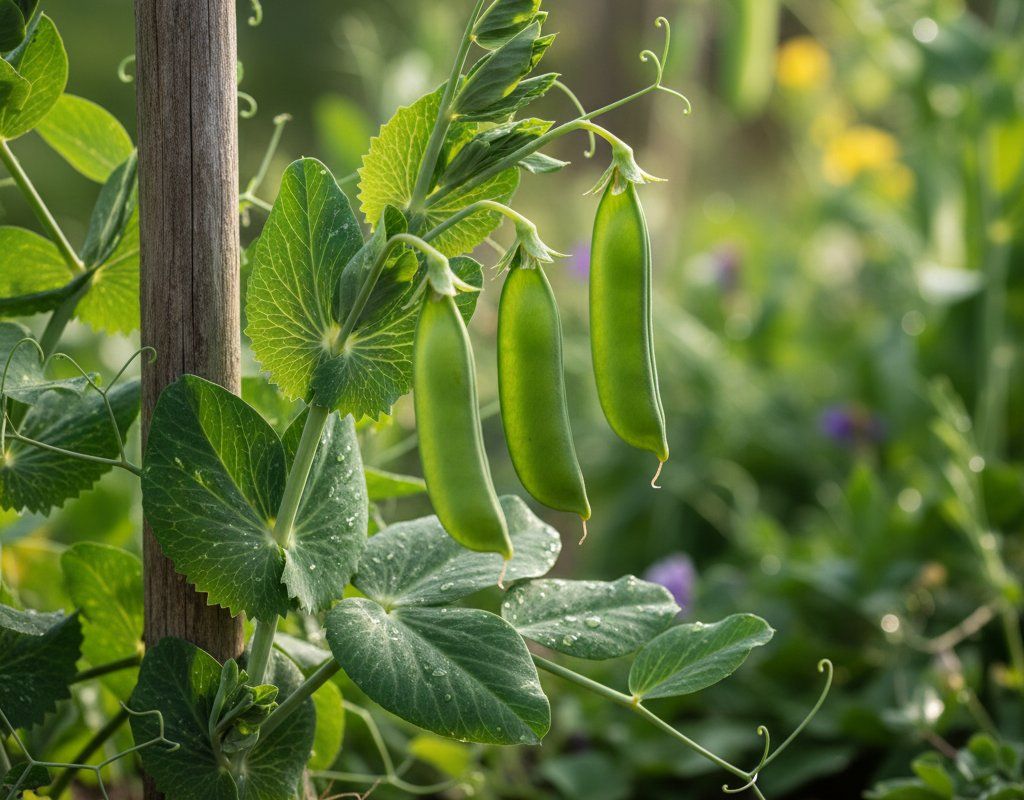
Companion Planting Details
Companion planting can significantly benefit your chives in the Desert Southwest. Carrots are excellent companions because they deter onion flies. Plant tomatoes nearby, as chives repel aphids and other pests that attack tomatoes.
Roses also benefit from chives planted nearby, as they deter black spot and aphids. Grapes enjoy chives as well, warding off certain pests. Avoid planting chives near beans or peas, as they can inhibit their growth.
🌸Best Flowers to Plant with Chives
These flowers protect your Chives from pests and attract pollinators for better harvests.
For Pest Control




Get a Reminder When It's Time to Plant
We'll email you when key planting windows open for your zone.