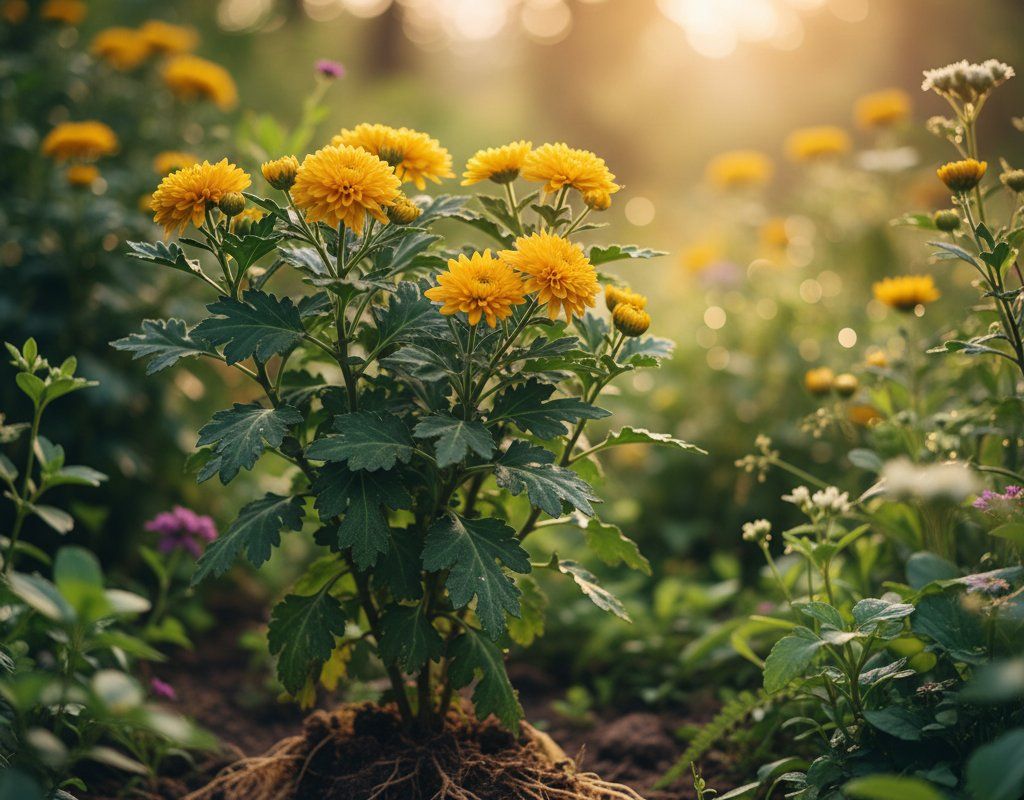
Chrysanthemum in Zone 8B — Northern California
Chrysanthemum morifolium · Your Complete 2026 Planting Guide
Time to Buy Starts!
Seed starting window passed, but starts are available now.
Buy Starts Now
Head to your local nursery, Home Depot, or farmers market for transplants.
- Look for stocky plants with dark green leaves
- Avoid leggy seedlings or plants already flowering
- Check that roots aren't circling the pot (rootbound)
How to Plant Chrysanthemum in Zone 8B — Northern California
Here are all your options for getting chrysanthemum in the ground, from the easiest method to more advanced approaches.
Buy Starts
RecommendedEarly to late March
around March 1
Plant purchased starts after last frost (March 1).
Buy potted mums in fall, or starts in spring.
Start Seeds Indoors
Works WellLate December through mid January
around January 4
Then transplant: Early to late March
Start seeds 8-10 weeks before transplanting outdoors.
Direct Sow Seeds
ChallengingDirect sowing is not typical for Chrysanthemum.
Transplant Outdoors
Timing InfoEarly to late March
around March 1
Can tolerate light frost, but wait for soil to be workable.
You have a nice window — no need to rush.
Overview
Chrysanthemums bring a burst of color to the garden, just when many other blooms are fading. They're perfect for cut flower arrangements and add a cheerful touch to our Northern California gardens as the days get shorter. Their resilience and beauty make them a rewarding addition to any water-wise landscape.
Our long growing season in Zone 8B gives you plenty of time to enjoy Chrysanthemums, even with our occasional drought conditions and fire season concerns. The 269-day growing season means you can time your planting just right, so these beauties thrive.
Starting Seeds Indoors
Starting Chrysanthemums from seed indoors is an option, but honestly, most of us in Northern California find it easier to buy starts from a local nursery. If you're set on starting from seed, begin in late December through mid January, about eight weeks before you plan to transplant them outdoors.
Use seed trays with a good seed-starting mix and keep them warm and consistently moist. Bottom watering is a great technique to avoid disturbing the delicate seedlings. A sunny windowsill or grow light will provide the light they need in our early spring, when we're still getting those morning fogs.
Transplanting Outdoors
Transplant your Chrysanthemum seedlings outdoors in early to late March. Before planting, harden them off by gradually exposing them to outdoor conditions for about a week.
Space the plants 12-18 inches apart, giving them room to bush out. Keep an eye on the weather forecast; even though our springs start early, we can still get a late cold snap that could stress young plants. You can often find established potted mums at nurseries in the fall, too.
Watering Chrysanthemum in Zone 8B (Northern California)
Chrysanthemums need consistent moisture, especially during our dry summers. Water deeply at the base of the plant, aiming to provide about 1 inch of water per week. Avoid overhead watering, as wet foliage can encourage fungal diseases in our low-humidity climate.
Use the finger test to check soil moisture – if the top 2 inches feel dry, it's time to water. During the hottest part of summer, you might need to water more frequently. Underwatering leads to wilting and yellowing leaves, while overwatering can cause root rot. A layer of mulch around the base of the plants helps retain moisture and keeps the soil cool.
Pruning & Maintaining Chrysanthemum
Pinching your Chrysanthemums is key to getting a bushy plant loaded with blooms. Every 2-3 weeks, pinch off the growing tips of the stems. This encourages the plant to branch out and produce more flowers.
Stop pinching around July 4th. This allows the plant to focus its energy on developing flower buds for fall. As the first frost approaches in late November, you can cut back the foliage to tidy up the plant.
🧪Fertilizing Chrysanthemum
Feeding Schedule
Organic Fertilizer Options
Harvest Time
You can expect your first Chrysanthemum blooms in early May through late June, depending on the variety and when you transplanted. The flowers last for weeks in the garden, providing a long season of color.
Cut the flowers for bouquets when they are fully open. Use clean, sharp snips to avoid damaging the plant. Regular deadheading encourages more blooms. As the first frost approaches in late November, you can harvest any remaining flowers to enjoy indoors.
Common Problems in Zone 8B (Northern California)
Here are some common problems you might encounter with Chrysanthemums in Northern California:
Aphids *What it looks like:* Clusters of tiny green, black, or white insects on stems and leaf undersides. You might also see a sticky honeydew residue and curled or distorted new growth. *What causes it:* These sap-sucking insects reproduce rapidly, especially in warm weather. Ants often farm them for honeydew. *How to fix/prevent it:* A strong spray of water knocks them off. Encourage natural predators like ladybugs. Use insecticidal soap for heavy infestations or neem oil systemically. Avoid over-fertilizing with nitrogen.
Spider Mites *What it looks like:* Fine stippling (tiny white dots) on leaves, with fine webbing on leaf undersides and between stems. Leaves may turn bronze or yellow. *What causes it:* These tiny arachnids thrive in hot, dry conditions, which can be a problem during our dry summers and periods of drought. *How to fix/prevent it:* A strong spray of water daily for a week is effective. Increase humidity around the plants. Use neem oil or insecticidal soap. Release predatory mites. Avoid broad-spectrum pesticides that kill beneficial predators.
Leaf Miners *What it looks like:* Tan, winding trails or blotches inside the leaves. *What causes it:* Larvae of small flies that tunnel between the leaf surfaces. *How to fix/prevent it:* Remove and destroy infested leaves. Cover plants with row covers to prevent adult flies from laying eggs. Use neem oil or spinosad.
Rust *What it looks like:* Rusty orange, yellow, or brown pustules on leaves and stems, mostly on the undersides. Leaves yellow and drop prematurely. *What causes it:* Various rust fungi that spread via wind-borne spores, favored by warm, humid conditions with moisture on leaves. *How to fix/prevent it:* Remove affected leaves. Avoid overhead watering. Improve air circulation. Apply sulfur or copper fungicide. Don't work among wet plants. Rotate crops.
Northern California Specific Challenges: Our moderate-to-hot summer heat and dry summers can stress Chrysanthemums, making them more susceptible to spider mites and drought stress. Be vigilant about watering and monitor for pests regularly. The low humidity usually helps avoid fungal issues, but rust can still be a problem if you use overhead watering.
Best Companions for Chrysanthemum
Plant these nearby for healthier Chrysanthemum and better harvests.
View Full Companion Planting Chart →


Companion Planting Details
Good companion plants for Chrysanthemums include tomatoes and peppers. They share similar sun and water requirements, and the strong scent of tomatoes can deter some pests that bother Chrysanthemums. Lettuce also works well, as it helps to shade the soil and retain moisture, which is especially beneficial during our dry summers.
Avoid planting Chrysanthemums near plants that are susceptible to the same pests or diseases, as this can increase the risk of problems.
🥬Best Vegetables to Pair With Chrysanthemum
Chrysanthemum benefits these vegetables through pest control, pollinator attraction, or improved garden health.



Get a Reminder When It's Time to Plant
We'll email you when key planting windows open for your zone.